Mycoplasma: What Patients Need to Know

Mycoplasma refers to a group of very small bacteria that can cause different kinds of infections. The best-known illness is a respiratory infection caused by Mycoplasma pneumoniae, sometimes called “walking pneumonia.”
Key Takeaways
- Mycoplasma refers to a group of very small bacteria that can cause different kinds of infections.
- The best-known illness is a respiratory infection caused by Mycoplasma pneumoniae, sometimes called “walking pneumonia.”
- Symptoms can be mild and nonspecific, so diagnosis may require a medical exam and targeted tests.
- Treatment usually involves antibiotics, but the right choice depends on the infection site and the person’s age and health.
- Medical care is especially important for breathing problems, high fever, persistent symptoms, pregnancy, or a weakened immune system.
Mycoplasma is a type of bacteria that can infect the lungs, genital tract, or other parts of the body, depending on the species involved. Many infections are mild and treatable, but symptoms, testing, and treatment vary, so proper medical evaluation is important.
Overview: what mycoplasma means
Mycoplasma is a group of bacteria that can cause infection in different parts of the body. In everyday health information, the term most often refers to Mycoplasma pneumoniae, a common cause of respiratory illness, but other mycoplasma species can affect the genital and urinary tracts. Because these bacteria behave differently from many other bacteria, symptoms and treatment can differ from what patients may expect from a typical infection.
One notable feature of mycoplasma is that these bacteria do not have a cell wall. This matters because some commonly used antibiotics work by targeting bacterial cell walls and are therefore not effective against mycoplasma. For patients, the practical message is simple: a lingering cough, fever, or urinary or genital symptoms should not be self-diagnosed, because the most helpful treatment depends on identifying the likely cause.
Many mycoplasma infections are mild. In respiratory illness, people may continue daily activities despite symptoms, which is why infection with Mycoplasma pneumoniae has sometimes been called “walking pneumonia.” Even so, the illness can occasionally become more significant, especially in children, older adults, or people with underlying medical conditions.
Types of mycoplasma infection and how they spread
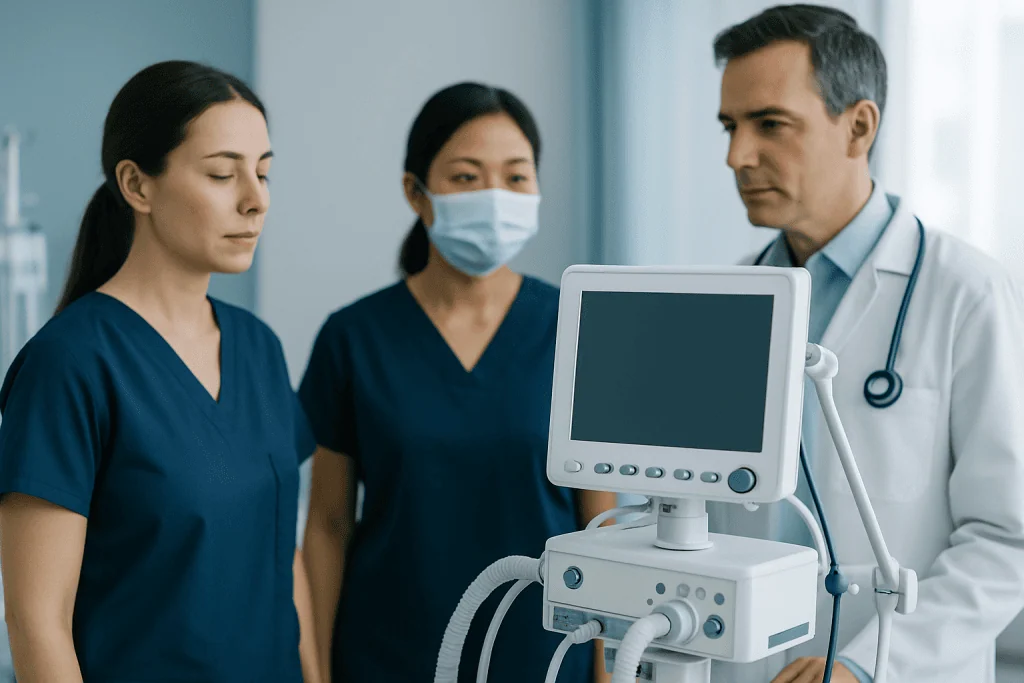
Different mycoplasma species affect different body systems. Mycoplasma pneumoniae mainly spreads through respiratory droplets released when an infected person coughs or sneezes. It can cause upper respiratory infections, bronchitis, or pneumonia, and it often spreads in households, schools, dormitories, and other places where people are in close contact.
Other species, such as Mycoplasma genitalium, are associated with sexually transmitted infections and can affect the urethra, cervix, or pelvic organs. Some people have few or no symptoms, while others develop irritation, pain with urination, abnormal discharge, or pelvic discomfort. Because these symptoms overlap with other infections, clinical assessment is important.
Less commonly, mycoplasma can contribute to infections in newborns or in people whose immune systems are weakened. In these situations, the infection may be harder to recognize and may require specialist care. Patients with persistent respiratory symptoms may also need evaluation to rule out related conditions such as pneumonia or other lung infections.
Symptoms patients may notice

Respiratory mycoplasma infections often start gradually rather than suddenly. A person may develop a sore throat, tiredness, headache, low-grade fever, and a dry cough that slowly worsens over several days. The cough can be stubborn and may last for weeks even after the main infection begins to improve.
When the lungs are affected more deeply, symptoms may include chest discomfort, shortness of breath, wheezing, or fever. In children, symptoms can vary by age and may look like a common cold at first. Some people also have ear pain, sinus discomfort, nausea, or a general sense of being unwell.
Genital or urinary mycoplasma infections can cause different symptoms, including burning with urination, vaginal discharge, bleeding after sex, pelvic pain, or discomfort during intercourse. In men, urethral irritation or discharge may occur. Some people have no symptoms at all, which is one reason testing and partner evaluation may matter in certain settings.
- Common respiratory symptoms: dry cough, sore throat, fever, fatigue, headache
- Possible lung involvement: chest pain, wheezing, shortness of breath
- Possible genital symptoms: abnormal discharge, pelvic pain, painful urination
- Sometimes no symptoms are present despite infection
Causes and risk factors
Mycoplasma infection occurs when these bacteria enter the body and multiply in a susceptible area, such as the airways or genital tract. Exposure to an infected person is the most common trigger. Respiratory infections spread more easily in crowded settings or among people who spend extended time together indoors.
Certain factors can increase the chance of infection or make illness more noticeable. School-age children, teenagers, and young adults are commonly affected by respiratory mycoplasma, although it can occur at any age. A weakened immune system, chronic lung disease, asthma, or close exposure during an outbreak can also increase risk or complicate recovery.
For genital mycoplasma infections, unprotected sexual contact and having a new or multiple partners may increase risk. Pregnancy does not necessarily cause infection, but it can affect how symptoms are evaluated and treated. Patients who already have symptoms of bronchitis or asthma may notice that a mycoplasma respiratory infection makes coughing or wheezing worse.
How doctors diagnose mycoplasma
Diagnosis begins with a medical history and physical examination. A doctor will ask about symptoms, recent contacts, duration of illness, sexual history when relevant, and any underlying conditions such as asthma or immune problems. Because mycoplasma symptoms overlap with viral infections and other bacterial illnesses, diagnosis is often based on a combination of clinical findings and selective testing.
For respiratory infections, testing may include a throat or nasal swab, blood tests in some situations, or a chest X-ray if pneumonia is suspected. If a patient has fever, chest symptoms, or low oxygen levels, imaging can help show whether the lungs are inflamed. In some cases, doctors may recommend a chest X-ray or additional pulmonary function testing if breathing symptoms are prolonged or if another lung condition is also being considered.
For genital infections, laboratory testing is usually performed on urine samples or swabs. It is important not to assume that symptoms are due to mycoplasma without testing, because sexually transmitted infections and urinary infections can require different treatment approaches. Doctors may also recommend testing or treatment for partners depending on the diagnosis.
Treatment options and recovery
Mycoplasma treatment depends on the species involved, the site of infection, the patient’s age, and how severe the illness is. Antibiotics are commonly used, but not all antibiotics work against mycoplasma because these bacteria lack a cell wall. A doctor chooses treatment based on the most likely organism, local resistance patterns when relevant, pregnancy status, and any medication allergies.
For mild respiratory illness, rest, fluids, fever control, and time may be enough, especially if symptoms are improving and there is no sign of pneumonia. However, if bacterial pneumonia is suspected, prescription antibiotics may help shorten illness and reduce complications. Patients with more significant breathing symptoms may need further evaluation and treatment similar to the care used for pneumonia treatment.
Genital mycoplasma infections also require tailored treatment, and follow-up may be important if symptoms persist. In some cases, repeat testing is recommended, particularly when antibiotic resistance is a concern or symptoms do not resolve. Patients should avoid sharing medications or using leftover antibiotics, since the wrong drug can delay recovery and contribute to resistance.
Recovery time varies. Many people begin to feel better within days of starting appropriate treatment, but a cough from respiratory mycoplasma can linger for several weeks. Acibadem International’s multidisciplinary specialists and JCI-accredited hospitals diagnose and treat respiratory and infectious conditions for international patients, including cases that need coordinated imaging, laboratory testing, and specialist review.
Self-care, prevention, and reducing spread
Good self-care can support recovery from respiratory mycoplasma. Resting, staying hydrated, using fever medicines as directed by a doctor, and avoiding smoking or secondhand smoke can all help. If coughing is severe or sleep is disrupted, a clinician can advise whether further treatment is needed.
To reduce spread of respiratory infection, people should cover coughs and sneezes, wash hands regularly, avoid sharing drinks or utensils, and stay home when they have fever or active symptoms when possible. Good indoor ventilation may also help lower transmission. These steps are sensible for many respiratory infections, not only mycoplasma.
For genital mycoplasma infections, prevention includes safer sex practices, such as consistent condom use, and discussing testing when symptoms or exposure concerns arise. If treatment is prescribed, following instructions fully and discussing partner management with a doctor can help lower the chance of reinfection. Patients with recurring cough, wheezing, or exercise intolerance after infection may benefit from respiratory follow-up, and in selected cases bronchoscopy may be considered to investigate other causes.
When to seek medical care
Medical advice is recommended if symptoms are severe, unusual, or not improving. A patient should seek prompt care for shortness of breath, chest pain, high fever, confusion, dehydration, blue lips, or signs that a child is breathing with difficulty. These symptoms need professional assessment because they can suggest pneumonia or another serious illness.
Patients should also contact a doctor if a cough lasts more than a few weeks, if wheezing develops, or if symptoms return after seeming to improve. For genital symptoms such as discharge, pelvic pain, bleeding, or painful urination, medical evaluation is important rather than self-treatment. Pregnant patients, older adults, and people with weakened immune systems should seek care earlier because infections may affect them differently.
If emergency symptoms are present, urgent evaluation should not be delayed. A timely diagnosis can help guide the right testing and treatment while also ruling out other conditions that may look similar to mycoplasma infection.
Frequently asked questions
Is mycoplasma a virus or a bacteria?
Mycoplasma is a type of bacteria, not a virus. It is unusual because it does not have a cell wall, which affects which antibiotics are useful. This is one reason proper diagnosis matters.
Can mycoplasma go away on its own?
Some mild respiratory mycoplasma infections improve with time and supportive care. However, not every case should be left untreated, especially if symptoms are persistent, worsening, or affecting breathing. A doctor can decide whether antibiotics or further tests are needed.
How long does a mycoplasma cough last?
A cough from respiratory mycoplasma can last for several weeks, even after the infection itself starts to improve. This does not always mean treatment has failed, but a long-lasting or worsening cough should be reviewed by a clinician. Ongoing wheezing, fever, or shortness of breath deserve particular attention.
Is mycoplasma contagious?
Respiratory mycoplasma, especially Mycoplasma pneumoniae, can spread from person to person through respiratory droplets. Some other mycoplasma species can spread through sexual contact. The risk of transmission depends on the species involved and the kind of contact.
What is walking pneumonia, and is it related to mycoplasma?
Walking pneumonia is an informal term for a mild form of pneumonia in which a person may still be able to continue some daily activities. Mycoplasma pneumoniae is one of the classic causes. Even when symptoms seem mild, medical review may be needed if the cough or fever persists.
Can mycoplasma cause complications?
Yes, although many infections are mild, complications can occur in some people. Respiratory infection may lead to pneumonia or worsen asthma symptoms, and genital infection may cause ongoing inflammation if untreated. Risk is generally higher in people who are pregnant, immunocompromised, very young, or older.
References
- World Health Organization
- Centers for Disease Control and Prevention
- National Institutes of Health
- American Thoracic Society
- European Centre for Disease Prevention and Control
This article is for general information only and is not a substitute for professional medical advice. Please consult a qualified doctor about your individual situation.
Explore treatments in Turkey — costs, top hospitals & a free quote
JCI-accredited · board-certified surgeons · reply within 24h
Add us as a Preferred Source to see more of our trusted health content across Google Search, AI Overviews and Discover.

More from the Health Library



Related Specialists

Dr. Nevra Gülhan Görgülü
Anesthesiology
Assoc. Prof. Dr. Dilek Altun
Anesthesiology
Dyt. Çisem Gündüz Can
Nutrition & Diet
Assoc. Prof. Dr. Ahmet Yeşilyurt
Medical Genetics