Stomach Pain: Possible Causes and When to Seek Care

Stomach pain can come from the stomach, intestines, gallbladder, pancreas, urinary tract, or reproductive organs. The location, timing, and type of pain often help identify the cause.
Key Takeaways
- Stomach pain can come from the stomach, intestines, gallbladder, pancreas, urinary tract, or reproductive organs.
- The location, timing, and type of pain often help identify the cause.
- Mild stomach pain may improve with rest, hydration, and temporary dietary changes, depending on the cause.
- Persistent, worsening, severe, or repeated pain needs medical evaluation.
- Urgent care is important if stomach pain occurs with fever, vomiting, bleeding, chest pain, fainting, or a hard swollen abdomen.
Stomach pain is a common symptom that can result from digestive upset, infection, food intolerance, inflammation, or problems outside the stomach itself. Most cases are mild and short-lived, but severe, persistent, or unusual pain should be assessed by a qualified doctor.
Overview: what stomach pain can mean
Stomach pain is a broad term people often use for discomfort anywhere in the upper or lower abdomen. In everyday language, it may describe cramping, burning, bloating, pressure, sharp pain, or a dull ache. Sometimes the discomfort truly comes from the stomach, but it may also begin in the intestines, gallbladder, liver, pancreas, urinary tract, or reproductive organs.
Because many different conditions can cause stomach pain, the symptom is best understood by looking at its pattern. Doctors consider where the pain is felt, how suddenly it started, how long it lasts, what makes it better or worse, and whether it comes with nausea, diarrhea, constipation, fever, or vomiting. This practical approach helps separate common, short-term digestive upset from conditions that need prompt treatment.
In many people, stomach pain is linked to indigestion, gas, viral gastroenteritis, constipation, or food intolerance. However, pain can also be related to gastritis, ulcers, gallstones, appendicitis, inflammatory bowel disease, urinary stones, or gynecologic problems. For this reason, recurring or unexplained pain should not be ignored, especially if it interferes with normal eating, sleep, work, or daily activities.
Common symptoms and pain patterns
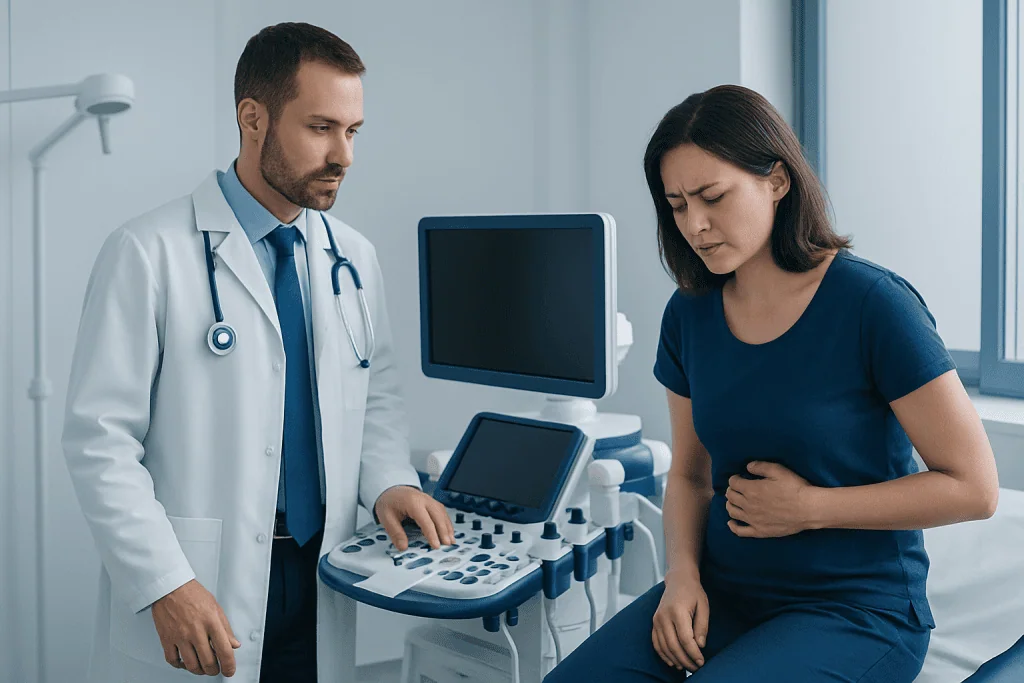
Stomach pain feels different depending on the cause. Cramping often points to intestinal spasm, gas, diarrhea, or constipation. Burning pain in the upper abdomen may be related to acid irritation, indigestion, or ulcers. A steady ache can occur with inflammation, while severe sharp pain may suggest a blocked organ, stone, or another urgent problem.
The location of pain can be helpful, although it is not always exact. Upper abdominal pain may be associated with reflux, ulcers, gallbladder disease, or pancreas problems. Pain around the belly button can happen early in appendicitis or with intestinal irritation. Lower abdominal pain may relate to bowel conditions, urinary tract issues, or pelvic causes.
Associated symptoms often give additional clues. These may include:
- Nausea or vomiting
- Bloating, belching, or feeling unusually full
- Diarrhea or constipation
- Heartburn or sour-tasting reflux
- Fever or chills
- Loss of appetite
- Pain when urinating or frequent urination
- Blood in vomit or stool, or black stools
The timing of the pain also matters. Discomfort after meals may suggest indigestion, ulcers, gallbladder disease, or food intolerance. Pain that wakes a person from sleep, builds in intensity, or repeatedly returns over weeks deserves a more careful medical review.
Possible causes and risk factors

Many causes of stomach pain are temporary and self-limited. Common examples include indigestion after overeating, viral stomach infections, constipation, trapped gas, menstrual cramps, and food intolerance such as lactose intolerance. Stress and anxiety can also worsen abdominal symptoms by affecting gut movement and sensitivity, even when no serious disease is present.
Some causes involve inflammation or structural disease. These include gastric ulcer, peptic ulcer disease, gallstones, pancreatitis, appendicitis, diverticulitis, kidney stones, and inflammatory bowel disorders. Reflux disease, infection with certain bacteria, and long-term use of pain relievers such as nonsteroidal anti-inflammatory drugs can irritate the stomach lining and lead to pain.
Risk factors depend on the condition but may include smoking, heavy alcohol use, frequent use of anti-inflammatory medicines, a diet low in fiber, dehydration, certain infections, previous abdominal surgery, and family history of gastrointestinal disease. In older adults, pregnant people, and people with chronic illnesses or weakened immunity, stomach pain may need earlier evaluation because symptoms can be less typical and complications may develop more quickly.
It is also important to remember that not all abdominal pain starts in the digestive system. Problems involving the lungs, heart, blood vessels, or reproductive organs can sometimes be felt in the abdomen. This is one reason doctors assess the full symptom picture rather than focusing only on the stomach itself.
How doctors diagnose stomach pain
Diagnosis begins with a careful medical history and physical examination. A doctor usually asks where the pain is located, when it started, whether it is constant or comes and goes, and what other symptoms are present. Questions about appetite, bowel habits, medications, alcohol use, recent travel, menstrual history, and past digestive problems can all be relevant.
A physical exam may include checking for tenderness, swelling, guarding, fever, dehydration, or signs of infection. Depending on what is suspected, additional tests may be recommended. Blood tests can look for infection, inflammation, anemia, liver problems, or pancreas-related abnormalities. Urine tests may help identify infection or kidney stones, and stool tests can be useful in some infectious or inflammatory conditions.
Imaging and endoscopic tests are sometimes needed when symptoms are persistent, severe, or unclear. Ultrasound may help assess the gallbladder, liver, kidneys, or pelvis. CT scanning can be helpful in evaluating appendicitis, bowel inflammation, stones, or complications. If upper digestive tract disease is suspected, a specialist may recommend gastroscopy to look directly at the esophagus, stomach, and upper small intestine.
When bowel disease is a concern, especially with long-lasting diarrhea, bleeding, weight loss, or changes in bowel habits, a doctor may consider colonoscopy. Testing is tailored to the individual, and not every person with stomach pain needs extensive investigations.
Treatment options and symptom relief
Treatment for stomach pain depends on the underlying cause. Mild, short-lived discomfort may improve with rest, drinking enough fluids, and avoiding foods that seem to trigger symptoms. Some people benefit from temporarily choosing bland, easy-to-digest foods and reducing greasy, spicy, or very large meals until symptoms settle.
Doctors may recommend specific medicines based on the diagnosis. These can include acid-reducing treatment for indigestion or ulcer-related symptoms, anti-nausea medicines, treatment for constipation, antibiotics for certain infections, or therapies for inflammatory conditions. Ongoing or recurrent pain should not be treated repeatedly without understanding the reason, since masking symptoms can delay proper care.
When a structural problem is found, treatment may involve specialist procedures. For example, endoscopy can help diagnose and sometimes treat causes of upper digestive symptoms. Gallbladder disease, appendicitis, or other surgical problems may require operative management. If pain is linked to a non-digestive condition, treatment is directed to that source.
Self-medication should be approached carefully. Some over-the-counter pain relievers can irritate the stomach lining or worsen ulcers. Anyone with severe pain, repeated vomiting, signs of bleeding, or significant medical conditions should seek professional advice rather than relying only on home remedies.
Prevention and self-care at home
Not every case of stomach pain can be prevented, but healthy habits can lower the risk of many digestive problems. Eating regular meals, chewing slowly, staying hydrated, and limiting heavy late-night meals may help reduce indigestion and bloating. A balanced diet with adequate fiber supports bowel regularity and may help prevent constipation-related discomfort.
It can also help to notice personal triggers. Some people develop pain after fatty foods, alcohol, caffeine, very spicy meals, or foods they do not tolerate well. Keeping a symptom diary may help identify patterns. Good hand hygiene and safe food preparation are important for reducing the risk of stomach infections.
People who smoke or use alcohol heavily may reduce digestive irritation by cutting back or stopping with medical support if needed. Medicines should be taken exactly as prescribed, and long-term use of anti-inflammatory drugs should be discussed with a doctor, especially in people with ulcer symptoms or a history of stomach irritation.
Stress management can be useful for people whose symptoms flare during busy or anxious periods. Gentle movement, regular sleep, and relaxation techniques may improve gut comfort, although they do not replace medical assessment when symptoms are severe, new, or persistent.
When to seek medical care
Medical care is recommended if stomach pain is severe, keeps returning, lasts more than a few days, or prevents normal eating, drinking, sleep, or daily function. A doctor should also assess pain that is becoming more intense, pain linked to unexplained weight loss, or discomfort associated with ongoing diarrhea, constipation, or repeated vomiting.
Urgent medical attention is important if stomach pain occurs with any warning signs. These include high fever, fainting, chest pain, trouble breathing, a rigid or swollen abdomen, blood in vomit, black or bloody stools, or inability to keep fluids down. Sudden intense pain, especially on one side or in the lower right abdomen, should be assessed promptly.
Children, older adults, pregnant people, and those with chronic disease may need earlier review because dehydration and complications can develop faster. If the cause is uncertain, professional evaluation is the safest approach rather than waiting for symptoms to become more advanced.
For international patients who need assessment of digestive symptoms, Acibadem International’s multidisciplinary specialists and JCI-accredited hospitals diagnose and treat a wide range of abdominal conditions, including those that may require gastroenterology care.
Frequently asked questions
What is the most common cause of stomach pain?
Common causes include indigestion, gas, constipation, viral stomach infections, and food intolerance. In many cases, the pain improves within a short time. However, repeated or severe symptoms should be evaluated to rule out other conditions.
How can a person tell if stomach pain is serious?
Warning signs include severe or sudden pain, fever, persistent vomiting, blood in stool or vomit, black stools, fainting, or a hard swollen abdomen. Pain that keeps getting worse or does not improve also deserves medical attention. If there is any doubt, it is safest to contact a doctor.
Can stress cause stomach pain?
Yes. Stress and anxiety can affect the way the digestive system moves and how sensitive it feels, which may lead to cramps, bloating, nausea, or discomfort. Still, stress should not automatically be assumed to be the cause if symptoms are new, severe, or persistent.
Should a person eat or avoid food during stomach pain?
That depends on the cause. If nausea, indigestion, or a mild stomach upset is present, small amounts of bland food and fluids may be easier to tolerate. If eating makes the pain worse, or if vomiting is ongoing, medical advice may be needed.
When should stomach pain in children be checked by a doctor?
Children should be assessed if pain is severe, localized, recurrent, or associated with fever, vomiting, diarrhea, dehydration, or poor feeding. Pain that wakes a child from sleep or prevents normal activity also deserves attention. Parents should seek urgent care if the child looks very unwell.
Can stomach pain happen without a stomach problem?
Yes. Pain felt in the abdomen can come from the urinary tract, reproductive organs, lungs, or even the heart in some situations. That is why the full set of symptoms and the pain pattern are important when deciding what tests or treatment may be needed.
References
- National Institute of Diabetes and Digestive and Kidney Diseases
- American College of Gastroenterology
- Mayo Clinic
- MedlinePlus
- National Health Service
This article is for general information only and is not a substitute for professional medical advice. Please consult a qualified doctor about your individual situation.
Persistent digestive symptoms? Get evaluated in Turkey
JCI-accredited · board-certified surgeons · reply within 24h
Add us as a Preferred Source to see more of our trusted health content across Google Search, AI Overviews and Discover.