

Maslow’s Hierarchy of Needs: A Complete Medical Overview

Maslow's hierarchy of needs is a model, not a strict medical rule, but it can help explain health-related behavior and well-being. Basic physiological and safety needs strongly influence sleep, nutrition, stress levels, and the ability to manage illness.
Key Takeaways
- Maslow's hierarchy of needs is a model, not a strict medical rule, but it can help explain health-related behavior and well-being.
- Basic physiological and safety needs strongly influence sleep, nutrition, stress levels, and the ability to manage illness.
- Social connection, self-esteem, and meaning also affect mental health, treatment adherence, and quality of life.
- People do not always move through the hierarchy in a fixed order; needs can overlap and change over time.
- Persistent distress, inability to meet basic needs, or major changes in mood or functioning should prompt medical or mental health support.
Maslow's hierarchy of needs is a psychological framework that describes how human needs tend to build from basic survival requirements to safety, connection, self-esteem, and personal growth. In healthcare, it helps explain why unmet physical or emotional needs can affect stress, recovery, mental health, and day-to-day functioning.
Overview: what Maslow's hierarchy of needs means in health
Maslow’s hierarchy of needs is a well-known theory in psychology that organizes human needs into broad levels. It begins with basic physiological needs such as breathing, sleep, food, water, and shelter, then moves to safety, love and belonging, esteem, and finally self-actualization, often described as reaching personal potential. In everyday health discussions, the model is useful because it shows that well-being depends on more than the absence of disease.
From a medical perspective, the main value of this framework is practical. A person who is exhausted, hungry, unsafe, isolated, or overwhelmed may find it harder to follow treatment plans, cope with stress, or recover from illness. Clinicians often think in similar terms when they assess not only symptoms, but also sleep, housing, nutrition, finances, family support, and emotional resilience.
Maslow’s hierarchy should not be viewed as a rigid ladder that everyone climbs in exactly the same way. Human lives are more complex. People may seek friendship, creativity, or purpose while still struggling with safety or financial pressures, and a serious illness can quickly shift priorities back toward basic needs.
For patients and families, the framework can offer a simple way to understand why health is shaped by physical, psychological, and social factors together. It can support more compassionate conversations about stress, burnout, chronic disease, and mental health rather than treating these issues as isolated problems.
The five levels of need and how they affect the body and mind
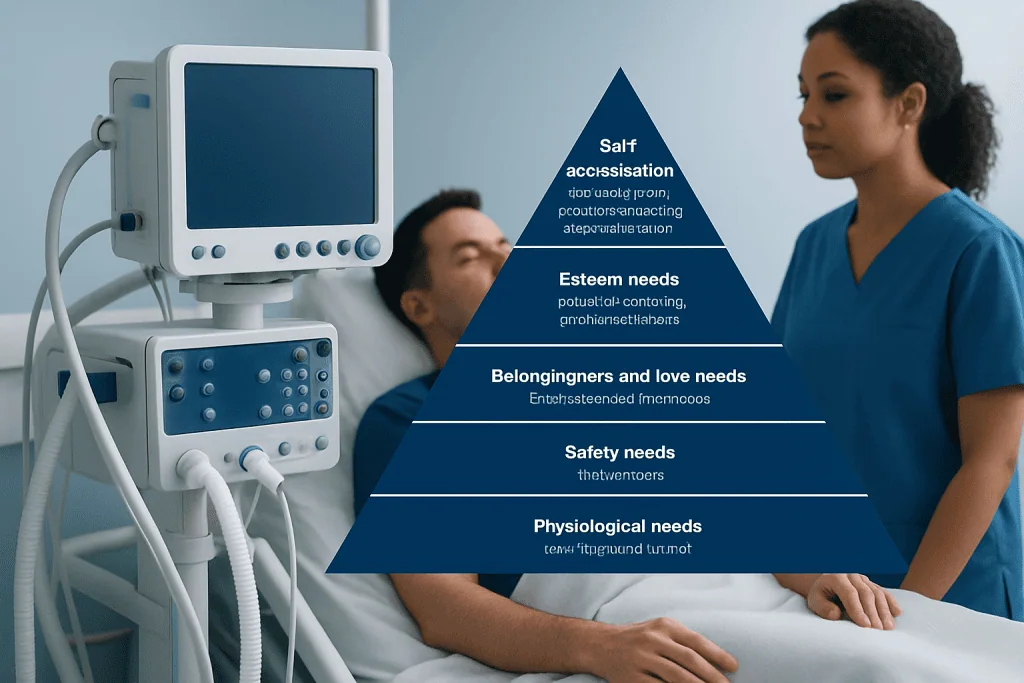
The first level, physiological needs, includes oxygen, fluids, food, sleep, temperature regulation, and physical rest. When these needs are not met, the body activates stress responses that can impair concentration, mood, immunity, and healing. For example, poor sleep and inadequate nutrition may worsen fatigue, irritability, pain perception, and the ability to manage chronic conditions.
The second level, safety needs, includes physical security, stable housing, income, freedom from violence, and predictable access to healthcare. People who do not feel safe often remain in a state of heightened alertness. Over time, this can contribute to anxiety, poor sleep, difficulty focusing, and other stress-related symptoms. In some cases, prolonged stress may overlap with conditions such as anxiety disorders or depression.
The third and fourth levels involve love and belonging, then esteem. Supportive relationships can reduce stress, improve motivation, and help people attend appointments, take medicines correctly, and stay engaged in recovery. Esteem relates to confidence, dignity, and feeling capable. Illness, disability, stigma, or job loss can affect self-esteem and may increase emotional distress.
The highest level, self-actualization, refers to growth, meaning, creativity, and living in line with personal values. In healthcare, this does not mean perfection. It may mean finding purpose despite illness, rebuilding identity after treatment, or setting realistic goals for a fulfilling life. For many people, health improves when care addresses both symptoms and a sense of meaning.
Why this model matters in clinical care

Modern healthcare increasingly recognizes that health is influenced by biological, psychological, and social factors. Maslow’s hierarchy aligns with this broader view. If a patient has ongoing pain, unstable housing, food insecurity, or severe loneliness, these issues may affect blood pressure, sleep quality, medication adherence, and emotional well-being. Treating symptoms alone may not be enough.
In hospitals and clinics, professionals often assess practical barriers that sit outside a diagnosis. They may ask whether a person can afford medicines, prepare meals, sleep safely, travel to appointments, or rely on family support. These questions are not separate from medical care; they often shape outcomes directly.
The model is also relevant to mental health. Long-term unmet needs can intensify stress and increase the risk of low mood, burnout, emotional exhaustion, or unhealthy coping behaviors. Some patients benefit from a structured mental health evaluation, and in appropriate cases clinicians may recommend psychiatric assessment and support as part of a wider care plan.
For children, older adults, and people with chronic illness, the hierarchy can be especially helpful. Development, mobility, cognition, and social roles may change over time. A person may need assistance with basic care one month and emotional support or rehabilitation goals the next. Good care adapts to these changing levels of need.
Common signs that needs may be unmet
Unmet needs do not produce one single disease, but they can appear as patterns in physical health, behavior, and mood. A person may report exhaustion, poor appetite, headaches, concentration problems, disrupted sleep, irritability, or a sense of being constantly overwhelmed. Others may withdraw socially, miss appointments, or struggle to keep up with work, school, or family responsibilities.
Sometimes the signs are practical rather than emotional. Examples include skipping meals, difficulty paying for prescriptions, living in unsafe conditions, avoiding medical care because of fear, or feeling alone during recovery. In other cases, the body may show the effects of chronic stress through muscle tension, changes in blood pressure, digestive complaints, or worsening of existing health problems.
Social disconnection can be easy to overlook, yet it matters greatly. Lack of support may contribute to loneliness, low motivation, and a reduced sense of self-worth. Some people begin to feel that nothing they do will help, which can make it harder to seek treatment early.
These patterns do not automatically mean a person has a mental illness, but they do suggest that a fuller health assessment may be useful. When symptoms are persistent or affect daily functioning, clinicians may also evaluate related conditions such as depression or sleep disorders.
How doctors and therapists assess needs
There is no single medical test for Maslow’s hierarchy of needs. Instead, professionals use clinical interviews, health history, observation, screening questionnaires, and sometimes input from family members or caregivers. The aim is to understand not only what symptoms a person has, but what may be making those symptoms worse or harder to manage.
An assessment may cover sleep patterns, nutrition, substance use, work stress, home safety, finances, relationships, past trauma, mood, and ability to perform daily activities. If symptoms such as chest pain, severe weight loss, or fainting are present, doctors will also investigate medical causes rather than assuming stress alone is responsible.
Mental health screening can be important when emotional distress is significant. Depending on symptoms, a clinician may recommend counseling, behavioral therapy, stress management, or formal psychiatric care. In suitable situations, patients may be guided toward psychological support and therapy to strengthen coping skills and resilience.
When care is complex, a multidisciplinary approach is often most helpful. Primary care doctors, psychiatrists, psychologists, dietitians, social workers, and rehabilitation specialists may work together to address both immediate medical concerns and the wider factors influencing recovery.
Treatment and support: meeting needs at different levels
Because Maslow’s hierarchy is a framework rather than a diagnosis, treatment depends on the person’s specific difficulties. The first priority is usually to stabilize basic needs: adequate hydration, nutrition, sleep, pain control, physical safety, and appropriate medical treatment for any underlying illness. If there is abuse, severe neglect, suicidal thinking, or inability to care for oneself, urgent professional help is needed.
Once immediate concerns are addressed, treatment may focus on emotional and social needs. This can include counseling, family support, community resources, rehabilitation, peer groups, school or workplace adjustments, and practical planning for finances or caregiving. For some people, structured therapy helps identify how chronic stress, trauma, or low self-esteem is affecting health behaviors.
Medical teams may also treat related conditions that interfere with meeting higher-level needs. For example, severe sleep problems, persistent anxiety, or mood symptoms can reduce the capacity to work, connect with others, and maintain routines. When indicated, care may include neurology evaluation for cognitive or sleep-related concerns, or other specialty assessment depending on symptoms.
Near the later stages of recovery, goals often shift toward autonomy, confidence, and meaning. This may involve returning to work, rebuilding exercise habits, improving communication, learning stress-management techniques, or reconnecting with personal interests. Acibadem International’s multidisciplinary specialists and JCI-accredited hospitals also diagnose and treat complex physical and emotional health concerns for international patients when coordinated care is needed.
Self-care and prevention: practical ways to support the hierarchy
Self-care is most effective when it starts with basics rather than aiming for idealized wellness. Regular meals, enough fluid intake, consistent sleep habits, movement suited to the person’s health status, and timely medical follow-up form the foundation. These steps may sound simple, but they have a strong influence on energy, mood, concentration, and resilience.
Safety also deserves routine attention. This can mean reducing fall risks at home, seeking help for intimate partner violence, making medication use safer, or addressing workplace stress before it becomes overwhelming. People with chronic illness may benefit from clear action plans, reminders for prescriptions, and reliable transport to appointments.
Connection is another protective factor. Staying in touch with friends, family, faith communities, support groups, or counselors may reduce isolation and encourage healthier decisions. Small actions, such as asking for help with childcare or meal preparation during illness, can make treatment adherence more realistic.
Useful self-care steps include:
- Protecting sleep with regular bed and wake times
- Planning balanced meals and not skipping hydration
- Limiting alcohol or other substances used to cope with stress
- Scheduling time for supportive relationships
- Seeking counseling early when stress feels persistent
- Setting realistic goals rather than expecting constant productivity
When to seek medical care
Medical care is appropriate when stress, poor sleep, appetite changes, low mood, anxiety, exhaustion, or social withdrawal persist for more than a short period or begin to affect work, school, relationships, or self-care. It is also important to seek evaluation if physical symptoms such as chest pain, fainting, severe weight change, shortness of breath, or ongoing pain are present, because these can have medical causes that need prompt attention.
Urgent help is needed if a person is in danger, experiencing abuse, cannot meet basic daily needs, is confused, or has thoughts of self-harm or suicide. In these situations, emergency services or immediate local mental health support should be contacted without delay.
People do not need to wait for a crisis to ask for help. Early support from a primary care doctor, psychologist, psychiatrist, or social worker can prevent worsening stress and make treatment more effective. Seeking help is a practical health step, not a sign of weakness.
Frequently asked questions
Is Maslow's hierarchy of needs scientifically proven?
Maslow's hierarchy is a useful psychological model, but it is not a strict biological law. Research supports the general idea that basic needs, safety, and social connection influence health, yet people do not always move through the levels in a fixed order.
How is Maslow's hierarchy relevant to healthcare?
It helps explain why physical symptoms and recovery are affected by nutrition, sleep, safety, stress, and social support. Clinicians may use this broader perspective to understand barriers to treatment and improve overall care.
Can unmet needs cause physical symptoms?
Yes, unmet basic or emotional needs can contribute to fatigue, headaches, poor sleep, muscle tension, low concentration, appetite changes, and increased stress responses. However, physical symptoms should still be medically evaluated so important conditions are not missed.
What is the difference between esteem and self-actualization?
Esteem relates to confidence, respect, achievement, and feeling capable. Self-actualization refers more to growth, meaning, creativity, and living in a way that reflects personal values and potential.
Do people always meet lower needs before higher ones?
No. Real life is more flexible than the pyramid suggests. A person may pursue learning, creativity, faith, or close relationships even while dealing with financial stress, illness, or uncertainty.
When should someone seek professional help related to unmet needs?
Help is appropriate when stress, low mood, anxiety, sleep problems, isolation, or practical difficulties begin to affect daily life or health. Immediate help is needed if there is danger, abuse, inability to care for basic needs, or thoughts of self-harm.
References
- American Psychological Association
- World Health Organization
- National Institute of Mental Health
- Centers for Disease Control and Prevention
- MedlinePlus
This article is for general information only and is not a substitute for professional medical advice. Please consult a qualified doctor about your individual situation.
Explore treatments in Turkey — costs, top hospitals & a free quote
JCI-accredited · board-certified surgeons · reply within 24h
Add us as a Preferred Source to see more of our trusted health content across Google Search, AI Overviews and Discover.
Check your numbers in seconds
BMI, calories, due date, blood pressure and 30+ more clinical calculators — free, instant, doctor-reviewed ranges.

More from the Health Library



Related Specialists

Assoc. Prof. Dr. Filiz Gülustan
Ear Nose & Throat
Dt. Beril Karakaya Gökçimen
Oral & Dental Health
Prof. Dr. Murat Turfan
Cardiology
Dyt. Pınar Koç
Nutrition & Diet