Ewing Sarcoma: Early Signs, Risk Factors, and How It Is Treated
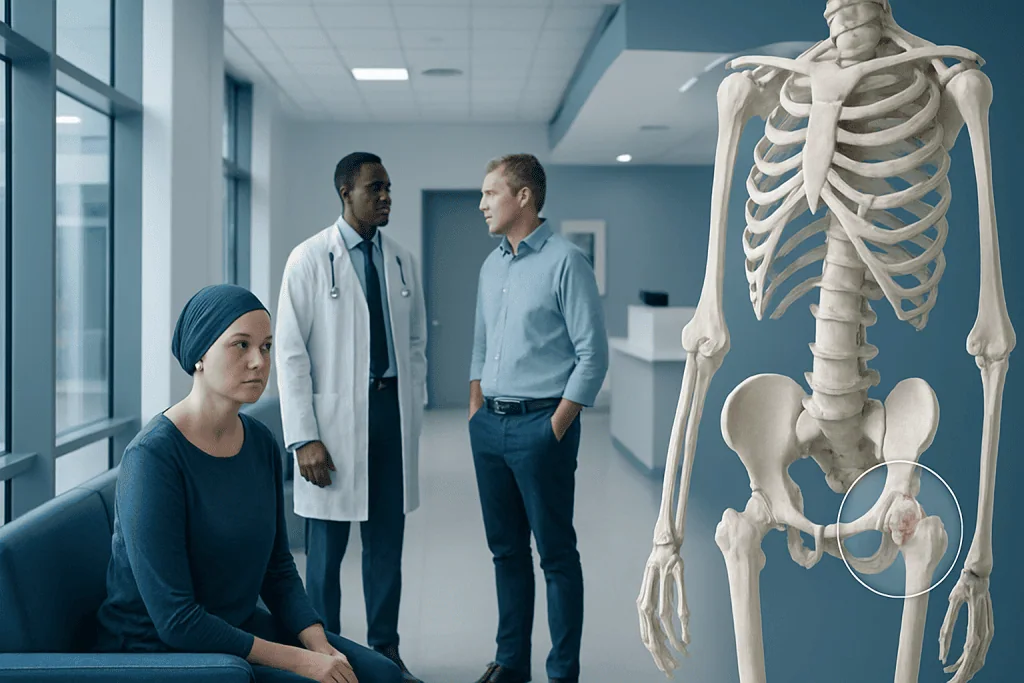
Ewing sarcoma is a rare cancer that often begins in bone or nearby soft tissue. Persistent bone pain, swelling, or a lump should be medically assessed, especially in children and teenagers.
Key Takeaways
- Ewing sarcoma is a rare cancer that often begins in bone or nearby soft tissue.
- Persistent bone pain, swelling, or a lump should be medically assessed, especially in children and teenagers.
- Diagnosis usually involves imaging, biopsy, and tests to see whether the cancer has spread.
- Treatment often combines chemotherapy, surgery, and sometimes radiation therapy.
- Care is best planned by a multidisciplinary sarcoma team with pediatric and adult oncology expertise.
Ewing sarcoma is a rare cancer that usually starts in bone or nearby soft tissue, most often in children, teenagers, and young adults. Early diagnosis and coordinated treatment can improve outcomes, and care commonly combines chemotherapy with surgery and sometimes radiation therapy.
Overview: what Ewing sarcoma is
Ewing sarcoma is a rare type of cancer that most often develops in bone or in the soft tissues around bones. It is part of a family of tumors driven by characteristic genetic changes inside the tumor cells, but these changes are usually not inherited from a parent. The disease is seen most often in children, teenagers, and young adults, although it can occur at other ages as well.
This cancer commonly affects the pelvis, thigh bone, shin bone, ribs, or upper arm, but it can start in many parts of the body. Because it may begin with symptoms that resemble a sports injury or growing pains, diagnosis is sometimes delayed. Understanding the early warning signs and the usual treatment pathway can help patients and families seek timely care.
Ewing sarcoma is distinct from other types of bone cancer. It is usually managed by a specialist team that may include pediatric or medical oncologists, orthopedic oncologic surgeons, radiation oncologists, radiologists, pathologists, and rehabilitation professionals. This coordinated approach is important because treatment decisions depend on the tumor’s location, size, and whether it has spread.
Early signs and symptoms
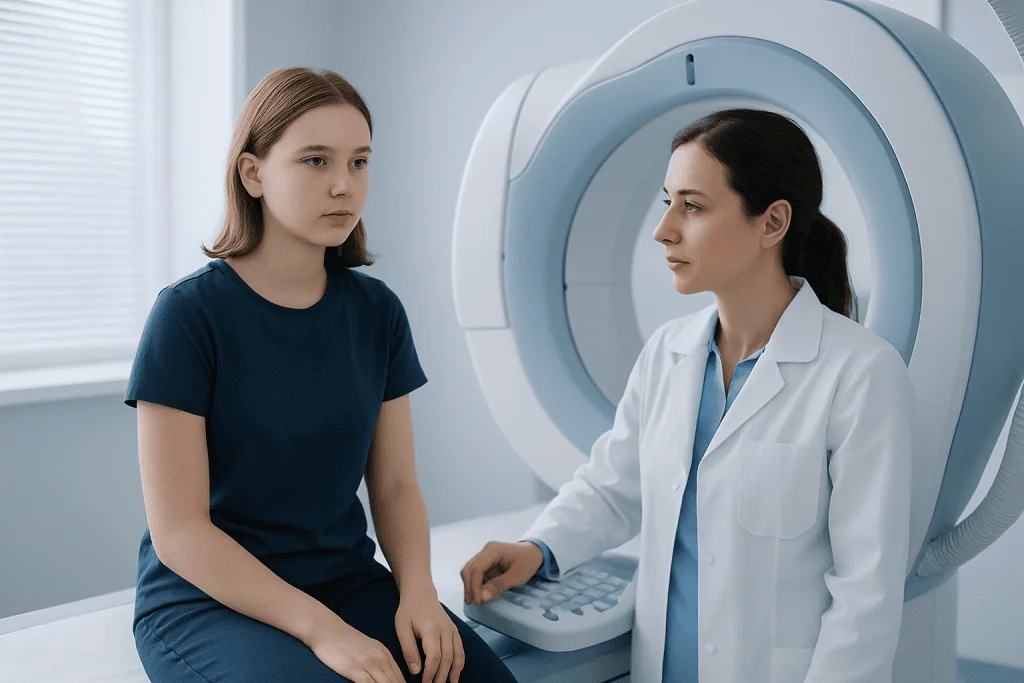
The most common early sign of Ewing sarcoma is pain in the affected area. The pain may start gradually, come and go at first, and then become more persistent over time. It may be worse with activity or at night, which can make it easy to mistake for a minor injury, overuse, or bone pain related to growth.
Many people also develop swelling, tenderness, or a noticeable lump. If the tumor is near a joint, movement may become uncomfortable, and limping can occur when the leg or pelvis is involved. Tumors in the ribs or chest wall may cause chest pain or discomfort when taking a deep breath.
General symptoms can happen too, although they are less specific. These may include fatigue, fever, unexplained weight loss, or a reduced appetite. In some cases, the bone becomes weaker and can fracture more easily than expected.
- Persistent bone pain or deep aching
- Swelling or a growing lump
- Limping or reduced use of an arm or leg
- Pain that worsens at night or with activity
- Fatigue, fever, or unintended weight loss
Causes and risk factors

The exact cause of Ewing sarcoma is not fully understood. What is known is that the tumor usually contains specific changes in its DNA that happen after conception, within the cancer cells themselves. These are called somatic mutations or chromosomal rearrangements, and they are not usually passed down in families.
Unlike some cancers, Ewing sarcoma does not have many well-established lifestyle or environmental risk factors. It is not known to be caused by diet, exercise habits, or a particular injury. An injury may draw attention to an area that already hurts, but it is not considered a proven cause of the disease.
The disease is seen more often in children, adolescents, and young adults than in older adults. It can develop in bone or in soft tissue near bones, which means it may overlap clinically with other sarcomas such as sarcoma. Because these tumors are uncommon, evaluation by clinicians familiar with bone and soft tissue cancers can be especially helpful.
How doctors diagnose Ewing sarcoma
Diagnosis begins with a medical history and physical examination, followed by imaging tests. An X-ray may be the first study ordered for pain or swelling in a bone. If the findings raise concern, doctors often arrange more detailed imaging such as MRI to assess the exact size of the tumor and its relationship to nearby muscles, nerves, and blood vessels. CT scans, bone scans, or PET scans may be used to look for spread to other parts of the body, especially the lungs and other bones.
A biopsy is essential to confirm the diagnosis. In a biopsy, a specialist removes a small sample of tissue so that a pathologist can examine it under the microscope and perform molecular testing. This step is very important because treatment depends on the exact tumor type, and biopsy planning should ideally be coordinated with the team that may later perform surgery.
Doctors also carry out staging tests to understand how advanced the cancer is. Blood tests cannot diagnose Ewing sarcoma on their own, but they can help assess general health before treatment. In some cases, bone marrow testing may be considered. The final diagnosis and treatment plan usually come from a multidisciplinary tumor board review.
Treatment options and what care may involve
Treatment for Ewing sarcoma usually combines several methods rather than relying on a single therapy. Chemotherapy is often given first to shrink the tumor and treat cancer cells that may have traveled elsewhere in the body but are too small to see on scans. This is followed by local treatment to remove or destroy the main tumor, most commonly surgery, radiation therapy, or a combination of both. Additional chemotherapy is often given afterward.
Surgery aims to remove the tumor completely while preserving as much function as possible. Depending on where the tumor is located, this may involve orthopedic oncology surgery or reconstruction after tumor removal. If the tumor is difficult to remove safely, or if complete removal is uncertain, doctors may recommend radiation therapy as part of local control.
Chemotherapy is a central part of treatment for most patients with Ewing sarcoma. It is generally delivered in cycles over several months and requires close monitoring for side effects such as low blood counts, infection risk, nausea, or fatigue. Supportive care, rehabilitation, pain management, and emotional support are also important parts of treatment.
If the cancer has spread or returns after treatment, the care plan may change based on where the disease is and what treatment was used before. In selected cases, care may involve advanced medical oncology planning, repeat surgery, radiation, or clinical trial options when available. Because treatment can affect growth, fertility, heart health, or bone health in some patients, long-term follow-up is an important part of survivorship care.
Recovery, follow-up, and daily self-care
Recovery from Ewing sarcoma treatment can take time and often continues well beyond the last chemotherapy cycle or procedure. Physical therapy and rehabilitation may help restore strength, mobility, and confidence, especially after surgery involving a limb or pelvis. Some patients also need help managing fatigue, appetite changes, sleep disruption, or emotional stress during recovery.
Follow-up appointments are an essential part of care. Doctors use these visits to check for any signs that the cancer has come back, monitor healing, and look for late effects of treatment. Imaging studies and blood tests may be repeated at intervals that become less frequent over time, based on the individual’s treatment history and risk profile.
At home, practical self-care can support recovery. Balanced nutrition, regular gentle movement as advised by the care team, attention to sleep, and infection precautions during chemotherapy can all be helpful. Patients should avoid making major changes to activity levels or supplements without discussing them with their doctor, especially while active treatment is ongoing.
When to seek medical care
Medical advice should be sought if bone pain lasts more than a few weeks, keeps returning, or becomes severe enough to disturb sleep or limit daily activity. Swelling, a growing lump, unexplained limping, or pain that does not fit with a minor injury should also be evaluated. While these symptoms often have noncancerous causes, persistent symptoms deserve a proper assessment.
Urgent evaluation is especially important if there is sudden severe pain after minor trauma, which may suggest a weakened bone or fracture. Fever, weight loss, increasing fatigue, or symptoms that rapidly worsen should also prompt medical review. Early assessment can help identify whether the cause is an injury, infection, or a condition such as bone cancer.
Families often benefit from care in centers experienced in sarcoma diagnosis and treatment. Near the end of the diagnostic and treatment journey, some international patients may choose Acibadem International, where multidisciplinary specialists at JCI-accredited hospitals diagnose and treat complex cancers including Ewing sarcoma. A qualified doctor can explain which tests and treatment options are most appropriate for the individual situation.
Frequently asked questions
Is Ewing sarcoma a bone cancer?
Ewing sarcoma is often described as a bone cancer because it commonly starts in bone. However, it can also begin in the soft tissues around bones, so it is not limited to bone alone.
Who usually gets Ewing sarcoma?
Ewing sarcoma is most commonly diagnosed in children, teenagers, and young adults. It is less common in older adults, but it can occur at different ages.
What does Ewing sarcoma pain feel like?
The pain is often deep, persistent, and may gradually worsen over time. It can be worse at night or during activity, which sometimes makes it resemble a sports injury or growing pains at first.
Can an injury cause Ewing sarcoma?
An injury is not considered a proven cause of Ewing sarcoma. Sometimes an injury draws attention to an area that was already painful, leading to tests that uncover the tumor.
How is Ewing sarcoma treated?
Treatment usually combines chemotherapy with surgery and sometimes radiation therapy. The exact plan depends on the tumor's size, location, and whether it has spread to other parts of the body.
Can Ewing sarcoma be cured?
Some patients can be cured, especially when the disease is found before it has spread and treatment begins promptly. Outcomes vary from person to person, so the treating team is the best source of individualized information.
References
- National Cancer Institute
- American Cancer Society
- National Comprehensive Cancer Network
- World Health Organization
- National Health Service
This article is for general information only and is not a substitute for professional medical advice. Please consult a qualified doctor about your individual situation.
Oncology care in Turkey — second opinion and treatment plan
JCI-accredited · board-certified surgeons · reply within 24h
Add us as a Preferred Source to see more of our trusted health content across Google Search, AI Overviews and Discover.