

Stomach: A Complete Medical Overview

The stomach helps digest food by storing, churning, and breaking it down with acid and enzymes. Common stomach-related symptoms include pain, bloating, nausea, heartburn, and early fullness.
Key Takeaways
- The stomach helps digest food by storing, churning, and breaking it down with acid and enzymes.
- Common stomach-related symptoms include pain, bloating, nausea, heartburn, and early fullness.
- Stomach symptoms can arise from harmless short-term irritation or from conditions that need medical evaluation.
- Diagnosis may involve a medical history, physical exam, lab tests, imaging, or endoscopy.
- Treatment depends on the cause and may include diet changes, medicines, or specialist care.
- Urgent medical attention is needed for vomiting blood, black stools, severe pain, or unexplained weight loss.
The stomach is a muscular organ that stores food, mixes it with acid and enzymes, and moves it into the small intestine for further digestion. Understanding how the stomach works, what symptoms may signal a problem, and when to seek medical care can help people respond appropriately and protect digestive health.
Overview: what the stomach is and what it does
The stomach is a J-shaped organ in the upper abdomen, located between the esophagus and the small intestine. Its main jobs are to temporarily store food, mechanically churn it, and mix it with acid and digestive enzymes. This process turns swallowed food into a semi-liquid mixture that can move gradually into the small intestine, where most nutrient absorption takes place.
The stomach also plays a protective and regulatory role. It produces hydrochloric acid, which helps break down food and reduce the number of germs that may enter with meals. It also makes enzymes, mucus to protect the stomach lining, and hormones that help control hunger, digestion, and the rate at which food leaves the stomach.
Although many people use the word “stomach” to describe any discomfort in the belly, stomach-related symptoms do not always come from the stomach itself. The esophagus, intestines, gallbladder, pancreas, and even the heart can cause symptoms that feel similar. For that reason, persistent or severe upper abdominal complaints should be assessed in context rather than assumed to be a simple stomach problem.
How the stomach works during digestion
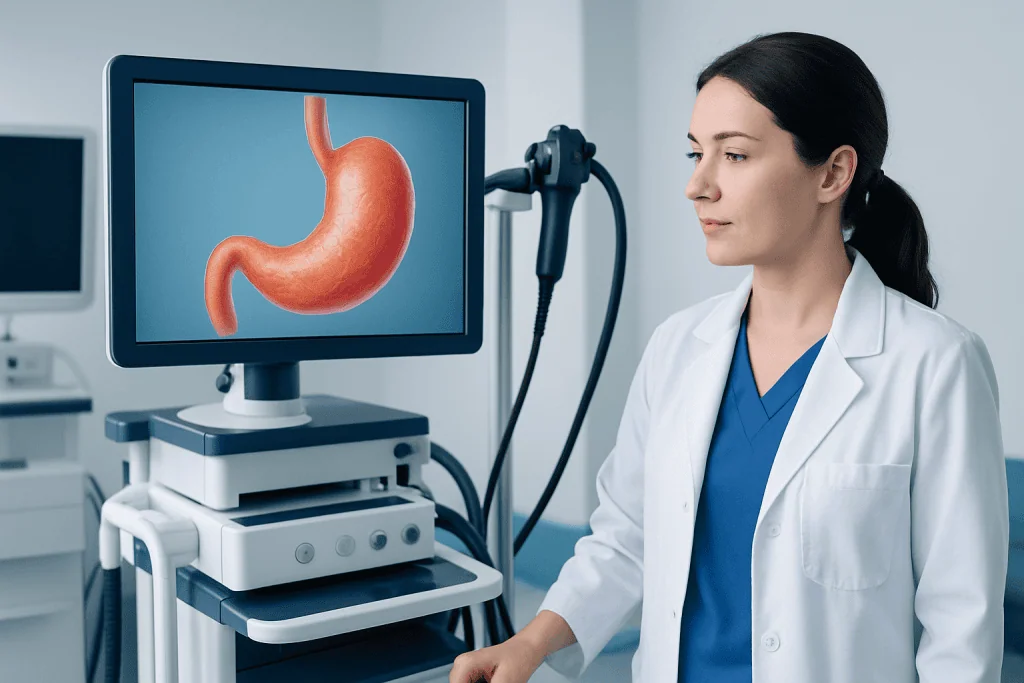
After food is swallowed, it travels down the esophagus and passes through a muscular valve into the stomach. The upper stomach relaxes to hold the meal, while the lower stomach begins rhythmic contractions. These contractions grind food into smaller particles and mix it thoroughly with stomach secretions.
Several specialized cells line the stomach. Some produce acid, some produce pepsinogen that becomes the protein-digesting enzyme pepsin, and others make mucus and bicarbonate to shield the stomach wall from damage. This protective lining is essential because the stomach must contain strong acid without digesting itself.
The stomach then releases its contents into the duodenum, the first part of the small intestine, in a controlled way. Hormones and nerve signals coordinate this emptying process. If stomach emptying is too fast or too slow, symptoms such as nausea, bloating, fullness, or discomfort after eating can develop.
Common stomach symptoms and what they may mean

Stomach symptoms can vary from mild and temporary to more persistent and disruptive. Common complaints include upper abdominal pain or burning, indigestion, nausea, vomiting, bloating, burping, loss of appetite, and feeling full quickly. Some people also experience heartburn, which is often related to acid moving upward into the esophagus rather than a problem limited to the stomach itself.
Short-lived symptoms may happen after overeating, eating very spicy or fatty food, drinking excess alcohol, taking certain medicines, or having a viral illness. In many cases, these symptoms improve with rest, hydration, and simple dietary changes. However, repeated or worsening symptoms may point to a more specific digestive condition.
Possible causes of ongoing stomach-related symptoms include gastritis, peptic ulcer disease, gastroesophageal reflux disease, delayed stomach emptying, food intolerance, infection, or less commonly stomach cancer. Stomach discomfort may also overlap with conditions such as acid reflux or gastritis, which affect nearby digestive structures or the stomach lining itself.
- Burning pain may suggest irritation from acid or an ulcer.
- Bloating and early fullness can occur with indigestion or delayed emptying.
- Nausea and vomiting may follow infection, medication effects, or obstruction.
- Black stools or vomiting blood can indicate bleeding and need urgent evaluation.
Causes and risk factors that affect stomach health
Many factors can disturb normal stomach function or injure the stomach lining. Infection with Helicobacter pylori is a well-known cause of chronic gastritis and ulcers. Frequent use of nonsteroidal anti-inflammatory drugs, such as some common pain relievers, can weaken the stomach’s protective lining and increase the risk of irritation and bleeding.
Lifestyle and dietary habits may also contribute. Smoking, heavy alcohol use, irregular meals, chronic stress, and a diet that repeatedly triggers symptoms can worsen upper digestive discomfort. While stress does not directly cause every stomach disease, it can increase symptom awareness and may aggravate functional digestive complaints in some people.
Other risk factors include older age, previous ulcers, serious illness, autoimmune conditions, diabetes that affects stomach emptying, and a family history of certain gastrointestinal disorders. In some patients, symptoms are linked to broader digestive conditions such as stomach cancer, though this is much less common than benign causes and usually requires careful medical evaluation rather than assumptions based on symptoms alone.
How doctors diagnose stomach problems
Diagnosis starts with a detailed medical history. A doctor will usually ask where the discomfort is felt, how long symptoms have been present, whether they relate to meals, and whether there are warning signs such as weight loss, persistent vomiting, anemia, bleeding, or trouble swallowing. Current medicines, alcohol use, smoking, and past digestive problems are also important.
A physical examination may be followed by tests depending on the suspected cause. Blood tests can look for anemia, infection, inflammation, or dehydration. Stool tests may help detect bleeding or infection. In some cases, testing for Helicobacter pylori is recommended because treating this infection can improve gastritis and ulcers.
When symptoms are persistent, recurrent, or accompanied by alarm features, upper endoscopy is often the most informative test. This procedure allows a specialist to look directly at the esophagus, stomach, and duodenum and take small tissue samples if needed. Depending on the situation, a care team may also use abdominal ultrasound, CT, or other endoscopic evaluation tools to clarify the cause and guide treatment.
Treatment options for stomach conditions
Treatment depends on the underlying diagnosis rather than the symptom alone. Many mild stomach complaints improve with short-term measures such as avoiding known triggers, eating smaller meals, reducing alcohol, and staying hydrated. If medicines are contributing to irritation, a doctor may review whether safer alternatives are appropriate.
Medical treatment may include acid-reducing medicines, protective medications for the stomach lining, treatment for nausea, or antibiotics when Helicobacter pylori infection is confirmed. If symptoms are linked to reflux, ulcer disease, or inflammation, addressing the specific cause usually offers the best symptom relief. Patients with structural problems or complications may need more specialized management through gastroenterology care.
Less often, procedures or surgery are needed for bleeding ulcers, obstruction, tumors, or severe complications. Nutritional support may also be important if a person has poor appetite, unintended weight loss, or difficulty maintaining adequate intake. For international patients with complex digestive conditions, Acibadem International’s multidisciplinary specialists and JCI-accredited hospitals provide diagnosis and treatment, including advanced stomach cancer treatment when appropriate.
Prevention and self-care for a healthy stomach
Good stomach care often starts with everyday habits. Eating regular meals, chewing food well, and avoiding very large late-night meals may reduce strain on digestion. Some people benefit from identifying and limiting foods that trigger burning, bloating, or nausea, although trigger foods vary from person to person.
Using medicines carefully is also important. Pain relievers that can irritate the stomach should be taken only as directed and discussed with a doctor if frequent use is needed. Limiting alcohol, not smoking, maintaining a healthy weight, and managing long-term conditions such as diabetes can all support better digestive function.
Self-care is helpful for mild symptoms, but it should not replace medical advice when symptoms persist. Practical steps include drinking enough fluids, choosing bland foods during short-term stomach upset, and slowly returning to a normal balanced diet as tolerated. Ongoing symptoms deserve evaluation so the true cause can be identified and treated appropriately.
- Eat smaller, balanced meals if large meals worsen discomfort.
- Avoid lying down immediately after eating.
- Review frequent pain reliever use with a doctor.
- Seek support for smoking cessation if needed.
When to seek medical care
Many episodes of stomach upset improve within a short time, but some symptoms should not be ignored. Medical review is advisable if symptoms last more than a few days, keep returning, interfere with eating, or wake a person from sleep. It is also sensible to seek care for ongoing nausea, repeated vomiting, unexplained fatigue, or changes in appetite.
Urgent care is needed for severe or sudden abdominal pain, vomiting blood, black or tarry stools, fainting, signs of dehydration, chest pain, or trouble breathing. These symptoms can indicate bleeding, obstruction, a heart-related problem, or another serious condition that needs prompt assessment.
People over a certain age with new digestive symptoms, and anyone with a family history of upper gastrointestinal cancer or ulcers, may need earlier evaluation. A qualified doctor can determine whether symptoms are due to a temporary stomach irritation or a condition that requires testing and treatment.
Frequently asked questions
What is the main function of the stomach?
The stomach stores food after swallowing and mixes it with acid and enzymes to begin digestion. It also controls the gradual movement of partially digested food into the small intestine.
Can stomach pain always be traced to the stomach itself?
No. Pain felt in the upper abdomen may come from the esophagus, intestines, gallbladder, pancreas, or even the heart. That is why repeated or severe symptoms should be assessed by a doctor rather than self-diagnosed.
What symptoms suggest a stomach problem needs medical attention?
Persistent pain, repeated vomiting, unexplained weight loss, difficulty eating, black stools, or vomiting blood should be evaluated. Sudden severe pain or signs of dehydration may require urgent care.
What causes inflammation of the stomach lining?
Inflammation of the stomach lining, often called gastritis, can be caused by Helicobacter pylori infection, regular use of certain pain relievers, alcohol, severe illness, or autoimmune conditions. Treatment depends on the specific cause.
How are stomach conditions usually diagnosed?
Doctors often begin with a medical history and physical examination, then use tests such as blood work, stool tests, Helicobacter pylori testing, or imaging if needed. Upper endoscopy may be recommended when symptoms persist or alarm features are present.
Are all stomach symptoms treated with acid-reducing medicine?
No. Acid-reducing medicines can help some conditions, but stomach symptoms have many causes. Effective treatment depends on identifying whether the problem is due to infection, ulcer disease, reflux, delayed emptying, medication effects, or another condition.
References
- National Institute of Diabetes and Digestive and Kidney Diseases
- American College of Gastroenterology
- National Health Service
- Mayo Clinic
- Merck Manual Consumer Version
This article is for general information only and is not a substitute for professional medical advice. Please consult a qualified doctor about your individual situation.
Persistent digestive symptoms? Get evaluated in Turkey
JCI-accredited · board-certified surgeons · reply within 24h
Add us as a Preferred Source to see more of our trusted health content across Google Search, AI Overviews and Discover.

More from the Health Library



Related Specialists

Assoc. Prof. Dr. Afag Aghayeva
General Surgery
Assoc. Prof. Dr. Burak Özturan
Orthopedic Surgery & Traumatology
Dr. Münir Ali Bilgehan
Urology
Dr. Tekin Münür Ormancıoğlu
Ophthalmology