Anesthesia: A Complete Medical Overview

Anesthesia can block pain, reduce anxiety, and in some cases cause temporary unconsciousness during medical procedures. The main types are local, regional, sedation, and general anesthesia, and each has different uses and monitoring needs.
Key Takeaways
- Anesthesia can block pain, reduce anxiety, and in some cases cause temporary unconsciousness during medical procedures.
- The main types are local, regional, sedation, and general anesthesia, and each has different uses and monitoring needs.
- Modern anesthesia is generally very safe when planned and given by trained professionals with proper pre-procedure assessment.
- Side effects such as nausea, sore throat, sleepiness, and temporary confusion are often short-lived and manageable.
- Sharing medical history, medications, allergies, and prior anesthesia experiences helps improve safety and recovery.
Anesthesia is the medical use of medicines to prevent pain, reduce awareness, or relax the body during tests, procedures, and surgery. Different types of anesthesia are chosen based on the procedure, a person’s health, and the level of pain control and monitoring needed.
Overview: what anesthesia is and what it does
Anesthesia is the use of medicines to prevent pain and discomfort during medical procedures. Depending on the type used, it may numb a small area, block sensation in a larger part of the body, create a relaxed and sleepy state, or make a person temporarily unconscious. The goal is not only pain control, but also comfort, safety, and the right conditions for the procedure.
Many people use the word “anesthesia” to mean being fully asleep, but that is only one form. Local anesthesia numbs a small area, regional anesthesia blocks sensation to a limb or lower half of the body, sedation helps a person relax or sleep lightly or deeply, and general anesthesia causes a controlled loss of consciousness. These approaches may be used alone or in combination.
Anesthesia is carefully tailored. The choice depends on the procedure, age, overall health, medicines already being taken, and personal factors such as anxiety, sleep apnea, or heart and lung conditions. A trained anesthesia professional continuously monitors breathing, circulation, and comfort before, during, and after the procedure.
Main types of anesthesia
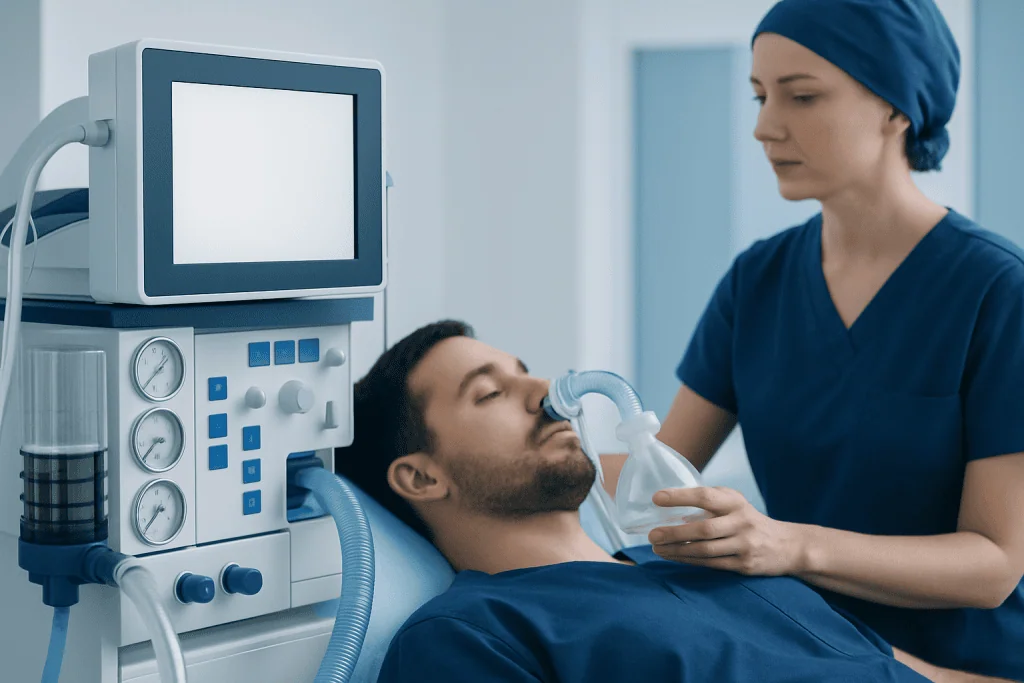
Local anesthesia is used to numb a small area of the body. It is common for minor skin procedures, dental work, biopsies, and some office-based treatments. A person remains awake, though other medicines may be added to reduce anxiety. The effect is temporary and usually wears off within a few hours.
Regional anesthesia blocks pain from a larger area, such as an arm, leg, or the lower body. This includes spinal, epidural, and nerve block techniques. It may be used for childbirth, orthopedic surgery, or procedures on the abdomen or limbs. Some people stay fully awake, while others also receive sedation so they feel more relaxed.
Sedation is a spectrum rather than a single state. Minimal sedation helps a person feel calm, moderate sedation reduces awareness while preserving response to instructions, and deep sedation causes a deeper sleep-like state. General anesthesia is the deepest level and makes a person unconscious, unable to feel pain, and unaware of the procedure. It is often used for major surgery or when complete stillness and airway control are needed.
- Local anesthesia: numbs a small area
- Regional anesthesia: blocks sensation to a larger region
- Sedation: reduces anxiety and awareness to varying degrees
- General anesthesia: causes temporary unconsciousness
How doctors choose the safest option

Choosing an anesthesia plan is a balance between the needs of the procedure and the patient’s health. The anesthesia team reviews the type and length of the procedure, expected pain level, need for muscle relaxation, and whether the patient must remain completely still. A short imaging test may require only mild sedation, while major abdominal or robotic surgery may require general anesthesia.
Medical history is equally important. Heart disease, lung disease, obesity, kidney or liver problems, pregnancy, neurological conditions, and sleep apnea can affect the choice of medicines and the level of monitoring needed. Age matters too, because infants, older adults, and frail patients may respond differently to anesthesia.
Prior experiences also guide planning. A history of severe nausea, difficult airway management, allergies, motion sickness, or a family history of rare anesthesia reactions should always be mentioned. The team may change the medicine plan, add nausea prevention, or arrange additional monitoring to improve safety and recovery.
Before anesthesia: assessment and preparation
Before a procedure, patients typically have a pre-anesthesia assessment. This may happen days before surgery or on the same day, depending on the situation. The assessment usually includes a review of medical history, past surgeries, allergies, current medicines, and lifestyle factors such as smoking or alcohol use. Questions about loose teeth, dentures, reflux, and snoring can also matter because they may affect airway planning.
Fasting instructions are an important part of preparation. Patients are usually told when to stop eating solid food and when clear liquids must also be stopped. Following these instructions reduces the risk of stomach contents entering the lungs during sedation or general anesthesia. Medication instructions may also be given, especially for blood thinners, diabetes medicines, and blood pressure treatments.
Patients should also ask practical questions: what type of anesthesia is planned, what side effects are common, whether someone needs to drive them home, and how long recovery may take. Clear communication helps reduce anxiety and supports safer care. For some procedures, imaging or surgical treatment such as endoscopy or angiography may involve a tailored sedation plan rather than full general anesthesia.
Possible side effects and risks
Most side effects of anesthesia are temporary and improve within hours to a few days. Common effects include sleepiness, nausea, vomiting, chills, dry mouth, dizziness, mild headache, muscle aches, or a sore throat after a breathing tube. Local or regional anesthesia can leave an area numb or weak for a limited time, which is expected and monitored until sensation begins to return.
Risks vary depending on the type of anesthesia and the person’s health. Blood pressure changes, breathing problems, allergic reactions, confusion in older adults, and nerve injury are uncommon but possible. Serious complications are rare, especially when patients are assessed carefully and monitored closely. Risk is influenced by underlying medical problems, emergency surgery, smoking, obesity, and the complexity of the procedure.
Some concerns are often misunderstood. “Waking up during surgery” is uncommon and prevention is a major priority during general anesthesia. Memory problems are usually short-term, although older adults may be more vulnerable to temporary confusion after surgery. People with certain conditions, including epilepsy, may need extra planning so medicines and monitoring can be adjusted appropriately.
Recovery after anesthesia
After a procedure, patients are observed in a recovery area while the effects of anesthesia wear off. Nurses and anesthesia professionals monitor breathing, heart rate, blood pressure, oxygen levels, pain, and nausea. Waking time varies widely. A person who had local anesthesia may recover quickly, while recovery after general anesthesia or deep sedation can take longer.
It is common to feel drowsy, unsteady, or mentally “foggy” for a short time. Many people can drink fluids and go home the same day after outpatient procedures, but they usually need a responsible adult to accompany them. Driving, signing important documents, drinking alcohol, or operating machinery is often discouraged for at least the rest of the day after sedation or general anesthesia.
Good recovery also depends on pain control, hydration, movement as advised, and following discharge instructions. Patients should take prescribed medicines only as directed and contact their care team if symptoms seem unusual or are getting worse instead of better. At the end of the care pathway, Acibadem International’s multidisciplinary specialists and JCI-accredited hospitals diagnose and treat conditions requiring anesthesia for international patients.
When to seek medical care
Patients should seek prompt medical advice if they develop symptoms that do not match the expected recovery plan. Examples include worsening shortness of breath, chest pain, severe or persistent vomiting, inability to stay awake, heavy bleeding from the procedure site, or a new rash or swelling that may suggest an allergic reaction. These symptoms may or may not be related to anesthesia, but they should be assessed without delay.
Medical review is also important if numbness or weakness lasts much longer than expected after a regional block, if severe headache develops after spinal or epidural anesthesia, or if confusion becomes pronounced or persistent. Fever, severe pain that is not controlled, or signs of infection at an injection site also warrant attention.
For non-urgent concerns, patients should contact the doctor or anesthesia team if they have troubling nausea, constipation from pain medicines, sleep problems, or questions about when normal activities can be resumed. When in doubt, it is safest to ask for professional guidance rather than trying to manage unexpected symptoms alone.
Frequently asked questions
Is anesthesia safe?
For most people, anesthesia is very safe when it is planned and given by qualified professionals with appropriate monitoring. The overall risk depends on the type of procedure, the type of anesthesia, and the person’s general health. A careful pre-anesthesia assessment helps reduce risk and prepare for individual needs.
What is the difference between sedation and general anesthesia?
Sedation reduces anxiety and awareness to different degrees, and some people can still respond to voice or touch depending on the depth. General anesthesia causes temporary unconsciousness and is used when a person should not feel, remember, or move during a procedure. Both require monitoring, but general anesthesia usually involves more intensive airway and breathing support.
Will a person feel pain during anesthesia?
The purpose of anesthesia is to prevent pain during the procedure. With local or regional anesthesia, a person may still feel pressure or movement even though sharp pain is blocked. If discomfort occurs, the medical team can often adjust the plan or give additional medicine.
How long does anesthesia stay in the body?
The noticeable effects may wear off within minutes to hours, depending on the medicines used and the type of anesthesia. Some drowsiness, poor concentration, or nausea can last longer, especially after general anesthesia or deeper sedation. Recovery time also depends on age, other health conditions, and the length of the procedure.
Why are fasting instructions important before anesthesia?
Fasting reduces the risk of stomach contents coming back up and entering the lungs during sedation or general anesthesia. This complication is uncommon but can be serious. Patients should follow the exact eating and drinking instructions given by their care team rather than making assumptions.
Can someone have anesthesia if they have heart or lung disease?
Yes, many people with heart or lung conditions safely receive anesthesia every day. However, these conditions can affect the choice of medicines, the type of anesthesia, and the level of monitoring needed. It is especially important to share a full medical history and attend pre-procedure assessment appointments.
This article is for general information only and is not a substitute for professional medical advice. Please consult a qualified doctor about your individual situation.
Explore treatments in Turkey — costs, top hospitals & a free quote
JCI-accredited · board-certified surgeons · reply within 24h
Add us as a Preferred Source to see more of our trusted health content across Google Search, AI Overviews and Discover.

More from the Health Library

Stethoscope: What Patients Need to Know

High Oleic Safflower Oil: An Evidence-Based Guide for Patients

Phantosmia: An Evidence-Based Guide for Patients

Water Poisoning: A Complete Medical Overview

Trisomy 23 — Explained by Medical Evidence, Not Myths