Hyper Gingiva: A Complete Medical Overview

Hyper gingiva describes gum enlargement rather than a single disease. Common causes include plaque buildup, medication side effects, hormonal changes, and chronic irritation.
Key Takeaways
- Hyper gingiva describes gum enlargement rather than a single disease.
- Common causes include plaque buildup, medication side effects, hormonal changes, and chronic irritation.
- Diagnosis focuses on identifying the cause through a dental exam, medical history, and sometimes tests.
- Treatment may include professional cleaning, improved oral hygiene, medication review, and in some cases minor gum surgery.
- Persistent gum swelling, bleeding, pain, or difficulty chewing should be assessed by a dentist or doctor.
Hyper gingiva refers to enlarged or overgrown gum tissue around the teeth. It is not a diagnosis by itself, but a clinical finding that may be linked to plaque-related inflammation, certain medicines, hormonal changes, or less commonly, underlying health conditions.
Overview: what hyper gingiva means
Hyper gingiva is a term people may use to describe gums that appear enlarged, swollen, thickened, or overgrown. In medical and dental practice, this is often called gingival enlargement or gingival overgrowth. The change may affect a small area around one tooth or involve broader sections of the mouth.
This finding has several possible causes. In many people, the gums react to plaque and irritation with inflammation, making them look puffy and red. In others, enlargement is linked to medications, hormonal changes, orthodontic appliances, mouth breathing, or certain systemic illnesses.
Because hyper gingiva is a visible sign rather than a final diagnosis, proper evaluation matters. The appearance, location, texture, and tendency to bleed all help a dental professional understand whether the problem is mainly inflammatory, fibrotic, infectious, medication-related, or associated with another health issue.
How hyper gingiva can look and feel
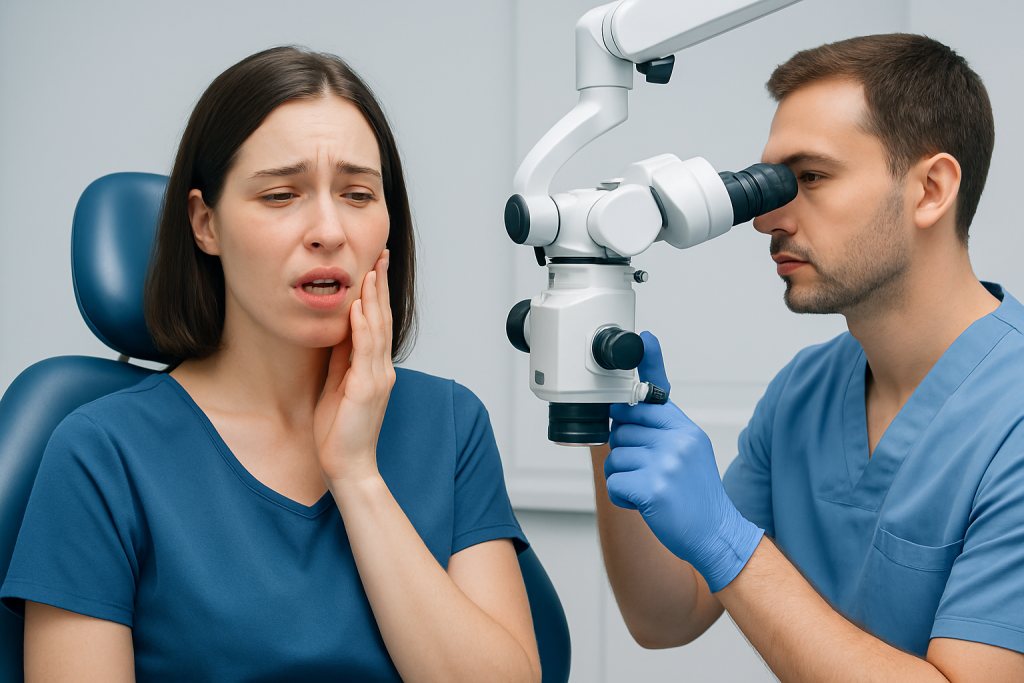
Symptoms vary depending on the cause. Some people notice gums that seem to cover more of the teeth than usual, while others feel a sense of fullness, tenderness, or discomfort when brushing. Inflammatory enlargement often looks red and soft, whereas long-standing tissue overgrowth may appear firmer and paler.
Common features can include bleeding during brushing or flossing, bad breath, sensitivity, and food getting trapped more easily around the gumline. If the enlarged tissue forms deep pockets around the teeth, cleaning becomes harder and the risk of gum disease increases.
In more advanced cases, hyper gingiva can affect speech, chewing, or the fit of dental appliances. A person may also become concerned about the appearance of a “gummy” smile. When gum changes are accompanied by loose teeth, mouth sores, fever, or swelling elsewhere, further medical assessment is especially important.
- Gums that look puffy, thick, or enlarged
- Bleeding with brushing or flossing
- Tenderness or mild pain
- Bad breath or unpleasant taste
- Difficulty cleaning around teeth
- Changes in smile appearance
Why hyper gingiva happens

The most common reason for gum enlargement is inflammation caused by plaque, a sticky bacterial film that forms on teeth. When plaque is not removed effectively, the gums can become irritated and swollen. Tartar buildup, poorly fitting dental restorations, and crowding may make plaque control more difficult and worsen the problem.
Some medications are well known to contribute to gingival overgrowth in susceptible individuals. These include certain antiseizure medicines, some drugs used after organ transplantation, and some calcium channel blockers prescribed for blood pressure or heart conditions. Not everyone taking these medicines develops overgrowth, but when it happens, the tissue often becomes thicker over time.
Hormonal influences can also make gums more reactive. Puberty, pregnancy, and hormonal fluctuations may increase gum sensitivity to plaque. Chronic mouth breathing, smoking, nutritional issues, and irritation from braces or appliances may contribute as well. In some situations, gum enlargement can be associated with systemic disease, including blood disorders or immune-related conditions, so persistent or unusual swelling should not be ignored.
Sometimes hyper gingiva appears alongside periodontal disease. If inflammation has extended deeper into the tissues supporting the teeth, a clinician may also assess for gum disease and related complications.
Who may be at higher risk
Anyone can develop hyper gingiva, but certain factors make it more likely. Inconsistent brushing and flossing, a history of gum inflammation, and limited access to routine dental cleaning all increase the chance that plaque-related swelling will occur. Orthodontic treatment and crowded teeth can also make daily cleaning more challenging.
People taking medicines known to affect the gums should be monitored more closely, especially if they already have plaque buildup. Hormonal life stages such as adolescence and pregnancy may increase gum sensitivity. Smoking, dry mouth, and long-term oral irritation may further raise risk.
Risk does not always mean severe disease. Many cases improve when the cause is recognized early and oral care is strengthened. The key step is not to assume all gum swelling is the same, since management depends on the underlying reason.
How doctors and dentists diagnose it
Diagnosis begins with a careful history and oral examination. A dentist or periodontist will ask when the swelling started, whether it bleeds or hurts, what medications a person takes, and whether there have been changes such as pregnancy, new appliances, or systemic symptoms. The gums are examined for color, texture, pocket depth, plaque, tartar, and the pattern of enlargement.
Dental X-rays may be used to look for bone loss, hidden decay, or other causes of irritation. If medication-related enlargement is suspected, the prescribing doctor may need to review whether an alternative drug is appropriate. When gum changes are unusual, severe, rapidly developing, or associated with other symptoms, blood tests or referral to a medical specialist may be recommended.
In selected cases, a small tissue sample may be examined to clarify the diagnosis. This is not needed for every patient, but it can help when the appearance is atypical or when clinicians need to rule out uncommon conditions. Accurate diagnosis is important because treatment is most effective when it targets the cause rather than only the visible swelling.
Treatment options for hyper gingiva
Treatment depends on why the gums are enlarged. If inflammation from plaque is the main factor, professional dental cleaning and improved home care are usually the first steps. This often includes careful brushing along the gumline, daily flossing or interdental cleaning, and follow-up visits to see whether the tissue shrinks as inflammation settles.
When medication contributes to gum overgrowth, the dental team may work with the prescribing physician to discuss possible alternatives. People should not stop prescription medicines on their own. Even if a drug is changed, meticulous plaque control remains important because inflammation can make medication-related enlargement worse.
If tissue overgrowth is substantial or does not improve enough with non-surgical care, minor periodontal procedures may be considered to reshape or remove excess tissue. Depending on the situation, a specialist may recommend periodontal treatment or, in selected cases, gum surgery to restore healthier contours and make cleaning easier. If orthodontic issues contribute to chronic irritation or cleaning difficulty, an assessment for orthodontic treatment may also be helpful.
Supportive treatment can include antiseptic mouth rinses if advised by a clinician, adjustment of irritating restorations or appliances, and management of contributing medical conditions. The outlook is often good when the cause is identified and regular follow-up is maintained.
Daily care, prevention, and long-term outlook
Prevention focuses on reducing irritation and controlling plaque every day. Gentle but thorough brushing twice daily with a soft toothbrush, cleaning between the teeth, and regular dental checkups are central steps. People with braces, crowns, bridges, or crowded teeth may benefit from tailored hygiene advice and special cleaning tools.
It also helps to tell the dentist about all medications and supplements, including recent changes. During pregnancy or other hormonal shifts, consistent oral care becomes even more important because gums may react more easily. Avoiding tobacco and addressing dry mouth can support gum health as well.
The long-term outlook depends on the cause and how early it is managed. Mild inflammatory enlargement may improve significantly with professional cleaning and better home care. Medication-related or fibrotic overgrowth can recur, especially if risk factors continue, but regular monitoring often keeps it manageable.
For people seeking coordinated evaluation, Acibadem International’s multidisciplinary specialists and JCI-accredited hospitals diagnose and treat dental and gum conditions for international patients, including problems related to periodontitis when deeper tissues are involved.
When to seek medical care
Medical or dental assessment is advisable if gum enlargement lasts more than about two weeks, keeps returning, or makes brushing, eating, or speaking difficult. Ongoing bleeding, bad breath, or visible gum tissue covering more of the teeth are also reasons to arrange an appointment.
More urgent evaluation is appropriate if hyper gingiva appears suddenly, is accompanied by severe pain, pus, fever, facial swelling, loose teeth, mouth ulcers, or unexplained bruising or fatigue. These features may suggest infection or a condition that needs broader medical assessment.
People who recently started a new medicine and notice gum changes should mention this promptly to both the dentist and the prescribing doctor. Early review can help prevent further overgrowth and protect overall oral health.
Frequently asked questions
Is hyper gingiva the same as gingivitis?
Not exactly. Hyper gingiva refers to enlarged or overgrown gums, while gingivitis is inflammation of the gums, usually caused by plaque. Gingivitis can cause gum enlargement, but hyper gingiva can also happen for other reasons such as medicines or hormonal changes.
Can hyper gingiva go away on its own?
Mild swelling caused by temporary irritation may improve if oral hygiene improves and the trigger is removed. However, persistent gum enlargement should be assessed because some cases need professional cleaning, medication review, or minor procedures. It is best not to rely on self-diagnosis.
Which medicines can cause gum overgrowth?
Certain antiseizure medicines, some calcium channel blockers, and some immunosuppressive drugs are commonly associated with gingival overgrowth. A dentist or doctor can review whether a medication may be contributing. Prescription medicines should never be stopped without medical advice.
Is hyper gingiva dangerous?
It is often manageable and not an emergency, but it should not be ignored. Enlarged gums can trap plaque, increase the risk of gum disease, and sometimes signal an underlying medical issue. Evaluation is especially important if the swelling is rapid, painful, or associated with other symptoms.
How is hyper gingiva treated at home?
Home care usually focuses on gentle, thorough plaque removal with regular brushing and cleaning between the teeth. People should avoid harsh scrubbing, which can worsen irritation. Home care helps, but professional assessment is still important to identify the cause and decide whether more treatment is needed.
Will surgery always be needed for hyper gingiva?
No. Many cases improve with professional cleaning, better oral hygiene, and addressing triggers such as plaque or medication effects. Surgery is generally considered when the overgrowth is significant, persists despite conservative care, or interferes with cleaning and function.
This article is for general information only and is not a substitute for professional medical advice. Please consult a qualified doctor about your individual situation.
Explore treatments in Turkey — costs, top hospitals & a free quote
JCI-accredited · board-certified surgeons · reply within 24h
Add us as a Preferred Source to see more of our trusted health content across Google Search, AI Overviews and Discover.
Check your numbers in seconds
BMI, calories, due date, blood pressure and 30+ more clinical calculators — free, instant, doctor-reviewed ranges.

More from the Health Library

GERD Effect on Stool: An Evidence-Based Guide for Patients

At Home Iron Test: A Complete Medical Overview

Aromatherapy: An Evidence-Based Guide for Patients

Dogsd: A Complete Medical Overview

Valsalva Maneuver: A Complete Medical Overview