

Pelvic Inflammatory Disease: Diagnosis, Outlook, and Modern Treatment Approaches

Pelvic inflammatory disease is usually treated with antibiotics as soon as it is suspected. Symptoms may include lower abdominal pain, unusual vaginal discharge, fever, bleeding between periods, or pain during sex.
Key Takeaways
- Pelvic inflammatory disease is usually treated with antibiotics as soon as it is suspected.
- Symptoms may include lower abdominal pain, unusual vaginal discharge, fever, bleeding between periods, or pain during sex.
- Some people have mild symptoms or no clear symptoms, so evaluation should not be delayed if PID is possible.
- Early treatment lowers the risk of long-term complications such as infertility and chronic pelvic pain.
- Sexual partners may also need evaluation and treatment, depending on the cause.
Pelvic inflammatory disease is an infection of the upper female reproductive organs, usually caused by bacteria moving upward from the vagina or cervix. With early diagnosis and treatment, most people improve well, while delayed care can increase the risk of chronic pelvic pain, ectopic pregnancy, and fertility problems.
Overview
Pelvic inflammatory disease, often called PID, is an infection affecting the uterus, fallopian tubes, ovaries, or surrounding pelvic tissues. It most often develops when bacteria travel upward from the vagina or cervix into the reproductive organs. In many cases, prompt treatment with antibiotics is effective and helps reduce the risk of complications.
Pelvic inflammatory disease is important because it can sometimes cause lasting effects if treatment is delayed. These may include scarring of the fallopian tubes, ongoing pelvic discomfort, difficulty becoming pregnant, or an increased risk of ectopic pregnancy. The outlook is usually better when care begins early, even if symptoms seem mild.
PID is not always easy to recognize. Some people have obvious symptoms, while others notice only subtle changes or none at all. Because the condition can be present without severe illness, doctors often diagnose it based on a combination of symptoms, examination findings, and test results rather than a single definitive test.
Symptoms and how pelvic inflammatory disease may feel
The most common symptom of pelvic inflammatory disease is pain in the lower abdomen or pelvis. This pain may be steady or intermittent and can range from mild discomfort to more significant pain. Some people also feel pain during sex, discomfort when urinating, or tenderness during a pelvic examination.
Changes in vaginal discharge are also common. Discharge may become heavier, develop an unusual odor, or look different than usual. Other symptoms can include fever, chills, bleeding between periods, bleeding after sex, nausea, or generally feeling unwell.
Not everyone with PID has all of these symptoms. In fact, some cases are mild enough to be mistaken for menstrual cramps, a urinary issue, or another gynecologic condition. When lower abdominal pain occurs along with discharge, fever, or irregular bleeding, a medical assessment is important.
- Lower abdominal or pelvic pain
- Unusual vaginal discharge
- Pain during sex
- Bleeding between periods or after sex
- Fever or chills
- Painful urination
Causes and risk factors

Pelvic inflammatory disease is usually caused by bacteria ascending from the lower genital tract. Sexually transmitted infections such as chlamydia and gonorrhea are well-known causes, but PID can also result from a mix of bacteria that are normally present in the vagina. This is one reason why testing may not always identify a single organism.
Certain situations can increase the likelihood of developing PID. These include having a recent sexually transmitted infection, having more than one sexual partner, having a partner with an STI, or having had PID before. Younger sexually active women may also be at higher risk because the cervix can be more vulnerable to infection.
Procedures that involve the uterus, such as insertion of an intrauterine device in certain circumstances, miscarriage management, childbirth, or abortion, can occasionally create an opportunity for infection, especially if bacteria are already present. However, most gynecologic procedures are safe, and the overall risk depends on the individual situation and infection screening.
PID shares symptoms with other gynecologic and abdominal conditions, including ovarian cysts, appendicitis, endometriosis, and ovarian cancer. This overlap is one reason why a careful medical evaluation is needed rather than self-diagnosis.
How pelvic inflammatory disease is diagnosed
Diagnosis usually begins with a medical history and physical examination, including a pelvic exam. The doctor asks about pelvic pain, bleeding, discharge, sexual history, prior infections, and pregnancy risk. During the examination, tenderness of the cervix, uterus, or ovaries can support the diagnosis.
Testing is often used to look for infection and rule out other conditions. This may include vaginal or cervical swabs for sexually transmitted infections, urine tests, blood tests, and a pregnancy test. These help identify a cause and exclude emergencies such as ectopic pregnancy.
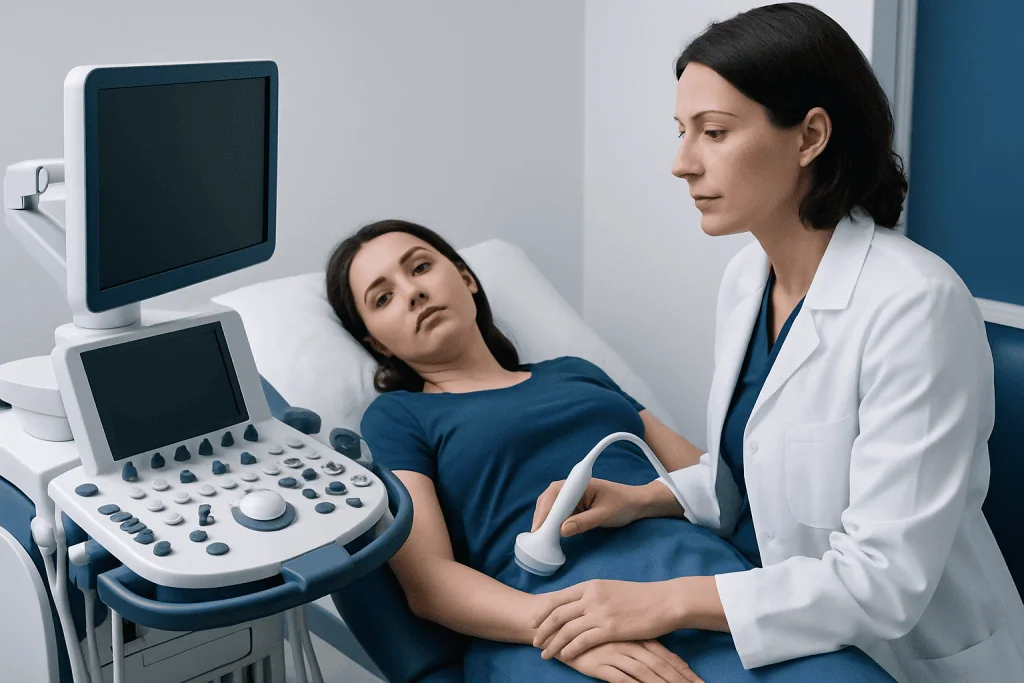
Imaging may also be useful, especially when symptoms are severe, the diagnosis is uncertain, or a complication such as a tubo-ovarian abscess is suspected. A pelvic ultrasound is commonly used and may be performed as part of a gynecological examination or follow-up assessment. In selected cases, doctors may consider additional imaging or minimally invasive evaluation if symptoms do not improve as expected.
Because untreated PID can lead to long-term harm, doctors may start treatment based on clinical suspicion even before every test result is available. This approach is meant to protect reproductive health and reduce complications.
Modern treatment approaches
The main treatment for pelvic inflammatory disease is antibiotics. Because several types of bacteria may be involved, treatment often uses a combination approach designed to cover the most likely organisms. It is important to take the full course exactly as prescribed, even if symptoms improve quickly.
Some people can be treated at home with oral medication, while others may need hospital care. Admission may be recommended if symptoms are severe, pregnancy is present, vomiting prevents oral treatment, a pelvic abscess is suspected, or the diagnosis is unclear. In these situations, intravenous antibiotics and closer monitoring may be safer.
Partners may also need testing and treatment when sexually transmitted infection is suspected or confirmed. Avoiding sexual activity until treatment is completed and symptoms have improved helps reduce the chance of reinfection. Follow-up is important, especially if pain, fever, or discharge do not improve within a few days.
When PID leads to complications such as an abscess, persistent severe pain, or scar-related problems, further care may be needed. In carefully selected cases, doctors may consider laparoscopy to evaluate or treat complications, or gynecologic surgery when less invasive measures are not enough. Care is individualized based on symptoms, fertility goals, and overall health.
Outlook, recovery, and possible complications
The outlook for pelvic inflammatory disease is often good when treatment begins early. Many people improve within days of starting antibiotics, although fatigue, pelvic tenderness, or discharge may take longer to settle completely. A follow-up visit can help confirm that the infection is resolving.
The main concern with delayed or repeated PID is damage from inflammation and scarring. Scar tissue in the fallopian tubes can make it harder for an egg to travel normally, which may affect fertility or increase the risk of ectopic pregnancy. Some people also develop chronic pelvic pain after the infection has cleared.
Not everyone who has PID will have long-term problems. Risk varies depending on how quickly treatment started, how severe the infection was, whether it returned, and whether an abscess formed. If fertility is a concern after recovery, a gynecologist can discuss assessment and next steps in a supportive, individualized way.
For international patients who need specialist evaluation, Acibadem International’s multidisciplinary teams in JCI-accredited hospitals diagnose and treat pelvic inflammatory disease and related gynecologic complications using coordinated care.
Prevention and self-care
Prevention focuses mainly on reducing the chance of sexually transmitted infections and seeking early treatment when symptoms appear. Using barrier protection, having regular sexual health checkups when appropriate, and making sure both partners are evaluated after an STI diagnosis can help lower the risk.
It is also helpful not to ignore mild pelvic symptoms. Early attention to abnormal discharge, unexpected bleeding, or pelvic pain can allow treatment before infection spreads. People with a history of PID should be especially aware of new symptoms and discuss prevention strategies with their doctor.
At home, self-care during recovery includes resting, staying hydrated, and taking prescribed medicines exactly as directed. It is best to avoid sex until a clinician advises that it is safe to resume. Douching is not recommended, as it can disrupt the vaginal environment and may increase the risk of infection.
- Use condoms or other barrier methods consistently
- Get tested and treated promptly for STIs
- Complete all antibiotics as prescribed
- Attend follow-up visits
- Seek care early for pelvic pain or abnormal discharge
When to seek medical care
Medical care should be sought promptly for new lower abdominal or pelvic pain, especially when it is combined with fever, unusual discharge, bleeding between periods, pain during sex, or burning with urination. These symptoms do not always mean PID, but they do require proper evaluation.
Urgent assessment is especially important if the pain is severe, pregnancy is possible, fainting occurs, vomiting prevents fluids or medicines, or a high fever is present. These situations can point to complications or to another condition that needs immediate care.
Even after treatment starts, follow-up matters. If symptoms are worsening or not clearly improving within about 72 hours, a doctor should reassess the diagnosis, test results, and treatment plan. Early review can help prevent complications and make sure the most appropriate care is in place.
Frequently asked questions
Is pelvic inflammatory disease a sexually transmitted infection?
Pelvic inflammatory disease itself is not a single sexually transmitted infection, but it is often caused by bacteria linked to STIs such as chlamydia or gonorrhea. It can also develop from other bacteria that move upward into the reproductive organs. This is why testing often looks for several possible causes.
Can pelvic inflammatory disease go away on its own?
PID should not be expected to go away on its own. Even if symptoms seem mild, untreated infection can lead to scarring and other long-term complications. A doctor should assess symptoms promptly and decide whether antibiotics are needed.
Can someone have pelvic inflammatory disease without obvious symptoms?
Yes. Some people with PID have very mild symptoms or no clear symptoms at all. This is one reason why regular sexual health care and early evaluation of subtle pelvic symptoms are important.
How long does it take to recover from pelvic inflammatory disease?
Many people start to feel better within a few days after starting antibiotics, but full recovery can take longer. The exact timeline depends on how severe the infection is and whether complications are present. Follow-up is important if symptoms are not improving as expected.
Can pelvic inflammatory disease affect fertility?
It can, especially if treatment is delayed or if PID happens more than once. Inflammation can scar the fallopian tubes, which may make pregnancy harder or raise the risk of ectopic pregnancy. Early treatment helps lower this risk.
Will a partner need treatment too?
A partner may need evaluation and treatment if an STI is suspected or confirmed. This helps prevent reinfection and protects both partners’ health. The exact recommendation depends on the test results and clinical findings.
References
- World Health Organization
- Centers for Disease Control and Prevention
- American College of Obstetricians and Gynecologists
- National Health Service
- Mayo Clinic
This article is for general information only and is not a substitute for professional medical advice. Please consult a qualified doctor about your individual situation.
IVF & fertility treatment in Turkey — success rates and costs
JCI-accredited · board-certified surgeons · reply within 24h
Add us as a Preferred Source to see more of our trusted health content across Google Search, AI Overviews and Discover.

More from the Health Library



Related Specialists

Fzt. Nergis Demiröz
Physical Medicine & Rehabilitation
Assoc. Prof. Dr. Ayşe Ebru Bahadır
Ophthalmology
Prof. Dr. Tayfun Karahasanoğlu
General Surgery
Dt. İrem Coşar Tüfekçi
Oral & Dental Health