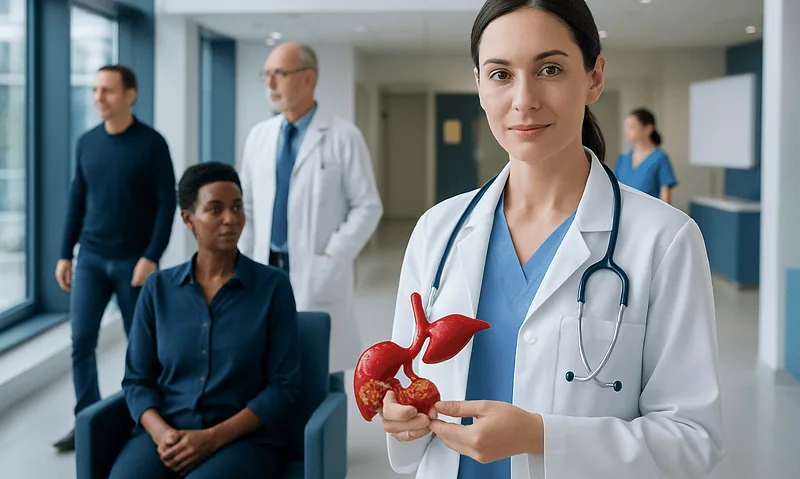
Understanding Hemochromatosis: A Complete Patient Guide

Hemochromatosis causes excess iron to build up in the body, especially in the liver, heart, pancreas, joints, and skin. Early symptoms can be vague, such as tiredness, joint pain, abdominal discomfort, or reduced sex drive.
Key Takeaways
- Hemochromatosis causes excess iron to build up in the body, especially in the liver, heart, pancreas, joints, and skin.
- Early symptoms can be vague, such as tiredness, joint pain, abdominal discomfort, or reduced sex drive.
- Blood tests, genetic testing, and sometimes liver imaging help confirm the diagnosis and assess organ health.
- Treatment usually involves regular phlebotomy to lower iron stores and prevent long-term complications.
- Family members of a person with hereditary hemochromatosis may benefit from medical advice about screening.
Hemochromatosis is a condition in which the body absorbs and stores too much iron over time. With timely diagnosis and treatment, most people can reduce iron levels, protect their organs, and live well.
Overview: what hemochromatosis means
Hemochromatosis is a disorder in which the body takes in more iron than it needs and gradually stores the extra iron in tissues and organs. Because the body has no natural way to remove large amounts of excess iron, the buildup can continue for years before it is noticed. Over time, this may affect the liver, heart, pancreas, joints, hormone-producing glands, and skin.
The most common form is hereditary hemochromatosis, an inherited condition linked to changes in genes that regulate iron absorption. Not everyone with the genetic change develops significant iron overload, but some people do. There are also non-hereditary forms related to repeated blood transfusions, certain anemias, chronic liver disease, or other medical conditions.
Hemochromatosis is often very manageable when found early. Treatment lowers iron levels and helps prevent organ damage. The challenge is that symptoms may be mild or nonspecific at first, so many people are diagnosed only after abnormal blood tests or family screening.
Symptoms and possible complications

Hemochromatosis symptoms can develop slowly and may resemble many other common health concerns. Early symptoms often include fatigue, weakness, joint aches, abdominal discomfort, brain fog, low mood, or reduced interest in sex. Some people notice changes in skin tone, often described as a bronzed or grayish appearance, although this is not present in everyone.
As iron accumulates, complications may involve several organs. Iron in the liver can cause inflammation, scarring, or cirrhosis. In the pancreas, it can contribute to diabetes. In the heart, it may lead to irregular rhythms or heart failure. In joints, it can cause chronic pain and stiffness, especially in the hands. Hormonal effects may lead to erectile dysfunction, menstrual changes, infertility, or low testosterone.
Many people feel well for years despite rising iron stores. That is one reason routine testing can be important when there is a strong family history or unexplained abnormal liver tests. Hemochromatosis may also be identified while evaluating related conditions such as cirrhosis or persistent liver inflammation.
- Common early symptoms: tiredness, joint pain, abdominal pain, weakness
- Possible later effects: liver disease, diabetes, heart problems, hormone changes
- Some people have no obvious symptoms and are diagnosed through testing
Causes, types, and risk factors

Hereditary hemochromatosis is usually caused by inherited changes in genes involved in iron regulation, most often the HFE gene. A person may inherit altered genes from one or both parents. Risk is generally higher in people who inherit certain variants from both parents, although the degree of iron overload varies greatly. Men often develop symptoms earlier than women because menstruation and pregnancy can reduce iron stores during the reproductive years.
Secondary or acquired iron overload can occur for other reasons. Repeated blood transfusions are a well-known cause, especially in people with chronic blood disorders. Excess iron may also occur with some forms of anemia, liver disease, or rare metabolic conditions. In these situations, treatment focuses both on the iron overload itself and on the underlying condition.
Risk factors that increase the chance of diagnosis include a close family history of hereditary hemochromatosis, unexplained high ferritin or transferrin saturation on blood tests, chronic liver abnormalities, and symptoms that fit the pattern of iron overload. Alcohol misuse can worsen liver injury in people who already have excess iron. Certain infections and raw shellfish exposure can also be more risky for some people with iron overload, particularly when liver disease is present.
How doctors diagnose hemochromatosis
Diagnosis usually begins with blood tests that look at how much iron is circulating and how much is stored. Two key tests are transferrin saturation and serum ferritin. A high transferrin saturation may suggest that the body is carrying too much iron, while ferritin provides an estimate of iron storage. Because ferritin can also rise with inflammation, infection, liver disease, or metabolic conditions, doctors interpret the results in context.
If hereditary hemochromatosis is suspected, genetic testing may be recommended. This can help confirm whether common HFE gene variants are present. Doctors also review family history, alcohol use, other medical conditions, medications, and symptoms. Liver function tests, blood sugar testing, hormone evaluation, heart assessment, and joint evaluation may be used if complications are suspected.
Some people need imaging to estimate iron in the liver or heart. In selected cases, specialists may use MRI to measure iron burden without an invasive procedure. A liver biopsy is now used less often than in the past, but it may still be considered when there is uncertainty about the diagnosis or concern about significant scarring. Depending on findings, a person may also be assessed by teams experienced in gastroenterology or check-up and screening for broader health review and follow-up planning.
Treatment options and long-term management
The main treatment for most people with hereditary hemochromatosis is phlebotomy, also called venesection. This means removing a measured amount of blood at regular intervals so the body uses stored iron to make new red blood cells. Treatment is usually more frequent at the beginning, when iron levels are being lowered, and less frequent later during maintenance. Blood tests guide how often phlebotomy is needed.
Many people respond very well to this approach. Fatigue and abdominal discomfort may improve, and treatment can greatly reduce the risk of future organ damage if started before complications become advanced. However, established problems such as significant arthritis, cirrhosis, or some hormone-related effects may not fully reverse, which is why early diagnosis matters.
If a person cannot have phlebotomy, or if iron overload is related to transfusions or certain anemias, doctors may consider iron-chelating medicines that help the body remove iron. Management also includes treating any organ complications, such as diabetes, liver disease, heart rhythm problems, or hormone deficiencies. Follow-up care often includes regular blood tests, assessment of liver health, and lifestyle guidance tailored to the individual.
Daily living, diet, and self-care
People with hemochromatosis do not usually need an extreme diet, but practical habits can support treatment. Most doctors advise avoiding iron supplements unless specifically prescribed for another reason. Vitamin C increases iron absorption, so high-dose vitamin C supplements are often discouraged. Moderate, balanced eating is generally enough, and many people can still enjoy iron-containing foods in normal portions unless their doctor advises otherwise.
Alcohol deserves special attention because it can increase the risk of liver damage, especially when iron overload is already affecting the liver. Raw or undercooked shellfish should be avoided because certain bacteria can cause severe infections in people with iron overload or liver disease. Keeping up with routine vaccinations and regular medical follow-up is also important when chronic liver disease is present.
Helpful self-care measures may include:
- Attend all scheduled blood tests and phlebotomy appointments
- Avoid iron supplements and ask before starting new vitamins
- Limit or avoid alcohol if advised by a doctor
- Maintain a healthy weight and manage conditions such as diabetes
- Discuss screening with close relatives if hereditary hemochromatosis is confirmed
When to seek medical care
Medical advice is appropriate if a person has ongoing fatigue, unexplained joint pain, abnormal liver blood tests, abdominal discomfort, reduced sex drive, or a strong family history of hemochromatosis. These symptoms do not always mean iron overload is present, but they are reasonable reasons to ask a doctor whether testing is needed.
More urgent assessment is important if symptoms suggest organ complications, such as chest pain, shortness of breath, fainting, severe weakness, new swelling, yellowing of the skin or eyes, or signs of high blood sugar. Anyone with known hemochromatosis who develops new or worsening symptoms should report them promptly rather than waiting for the next routine visit.
People diagnosed with hereditary hemochromatosis may also wish to speak with a specialist about family screening and long-term monitoring. Near the end of the care pathway, some patients seek coordinated evaluation in centers with hepatology, cardiology, endocrinology, and imaging expertise. Acibadem International’s multidisciplinary specialists and JCI-accredited hospitals diagnose and treat hemochromatosis for international patients when this type of integrated care is needed.
Frequently asked questions
Is hemochromatosis curable?
Hereditary hemochromatosis is usually a lifelong condition, but it is often very manageable. Treatment can lower iron levels and help prevent many complications, especially when started early. Ongoing monitoring is usually needed.
What are the first signs of hemochromatosis?
The earliest signs are often nonspecific and may include tiredness, joint pain, abdominal discomfort, weakness, or reduced libido. Some people have no symptoms at all and are diagnosed through blood tests or family screening.
How is hemochromatosis inherited?
The most common form is inherited through changes in genes that control iron absorption, often the HFE gene. A person may be at higher risk if they inherit certain gene variants from both parents. Not everyone with the genetic pattern develops severe iron overload.
Can hemochromatosis cause liver damage?
Yes. Excess iron can build up in the liver and, over time, contribute to inflammation, scarring, cirrhosis, and a higher risk of liver-related complications. Early treatment lowers this risk.
What foods should someone with hemochromatosis avoid?
Most people do not need a highly restrictive diet, but iron supplements are usually avoided unless prescribed. High-dose vitamin C supplements may increase iron absorption, and raw shellfish should be avoided because of infection risk. Alcohol may need to be limited, especially if liver disease is present.
Do family members need testing?
Close relatives of a person with hereditary hemochromatosis may benefit from discussing screening with a doctor. The best approach depends on age, family relationship, and whether the genetic diagnosis is confirmed. A clinician can advise on blood tests, genetic testing, or both.
References
- National Institute of Diabetes and Digestive and Kidney Diseases
- Centers for Disease Control and Prevention
- National Heart, Lung, and Blood Institute
- American Liver Foundation
- Merck Manual Consumer Version
This article is for general information only and is not a substitute for professional medical advice. Please consult a qualified doctor about your individual situation.
Hemochromatosis in Turkey — costs, top hospitals & a free quote
JCI-accredited · board-certified surgeons · reply within 24h
Add us as a Preferred Source to see more of our trusted health content across Google Search, AI Overviews and Discover.

Gastroenterology
Diagnosis and treatment of the digestive system and liver, with advanced endoscopy.
46 specialists in this unit