Cankles — Explained by Medical Evidence, Not Myths

Cankles is a descriptive, non-medical term rather than a diagnosis. Less-defined ankles can result from anatomy, body composition, temporary fluid retention, or true swelling called edema.
Key Takeaways
- Cankles is a descriptive, non-medical term rather than a diagnosis.
- Less-defined ankles can result from anatomy, body composition, temporary fluid retention, or true swelling called edema.
- One-sided, painful, sudden, or persistent ankle swelling should be assessed by a doctor.
- Common medical contributors include venous insufficiency, lymphedema, pregnancy, medication effects, and heart, kidney, liver, or thyroid problems.
- Treatment depends on the cause and may include lifestyle measures, compression, medication review, or care from a vascular or other specialist.
Cankles is a non-medical term for ankles that appear less defined, often because of natural body shape, fat distribution, or fluid buildup. In many people this is harmless, but persistent or sudden swelling can sometimes point to an underlying medical condition that deserves evaluation.
What “cankles” usually means
Cankles is a popular term, not a medical diagnosis. It describes ankles that appear broad or less defined, so the transition between the calf and ankle looks less tapered. This appearance may be completely normal for one person’s body shape, or it may reflect temporary or ongoing swelling.
Medical evidence matters here because the same look can have different explanations. Some people naturally store more soft tissue around the lower legs due to genetics, body composition, or muscle structure. Others develop ankle fullness because fluid collects in the tissues, a process known as edema.
The most helpful way to think about cankles is not as a cosmetic label, but as a visual clue that may or may not have health significance. If both ankles have always looked similar and there are no other symptoms, the finding is often benign. If the change is new, one-sided, painful, or persistent, it is more important to look for an underlying cause.
Normal body shape vs. swelling: how to tell the difference
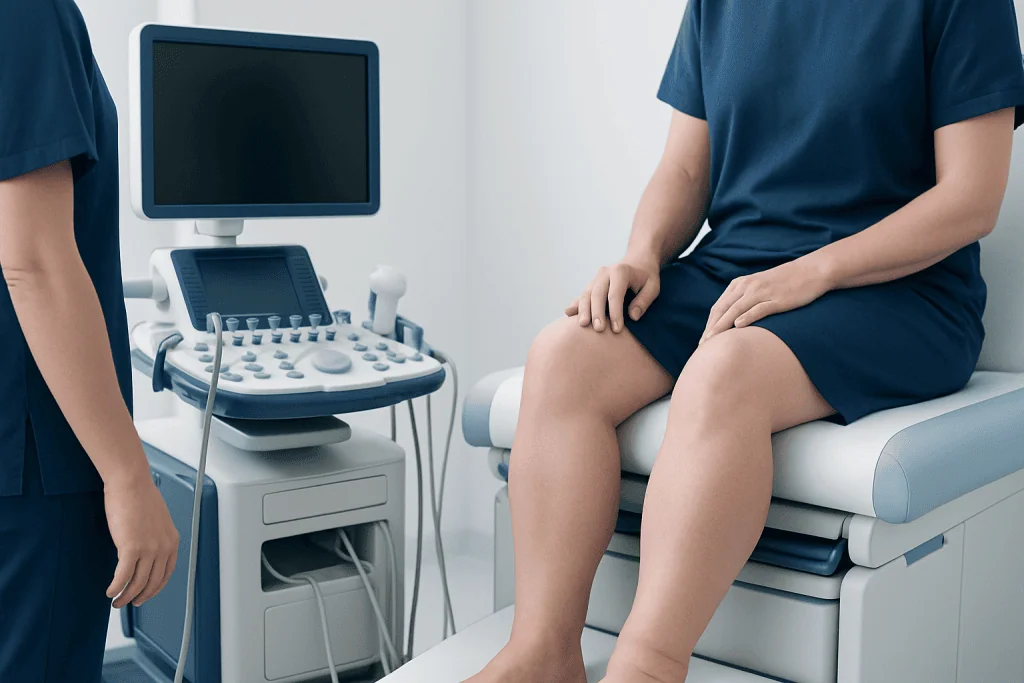
A naturally fuller ankle usually stays fairly consistent over time. The skin typically looks normal, there is no tightness, and the size does not change much over the course of the day. People may notice this body pattern in relatives as well, which can support a hereditary tendency in bone structure, fat distribution, or calf shape.
Swelling is different. Fluid-related ankle swelling often becomes more noticeable after prolonged standing, sitting, heat exposure, travel, or late in the day. Shoes or socks may feel tighter, and the skin can seem stretched or shiny. In some cases, pressing a finger into the swollen area leaves a temporary dent, called pitting edema.
Not all swelling pits, however. Lymphedema and long-standing tissue changes may feel firmer. Some causes affect both ankles, while others affect only one side. Paying attention to timing, symmetry, discomfort, and associated symptoms can help a doctor decide whether the appearance is simply anatomical or related to a medical issue.
- More likely normal anatomy: stable over years, no discomfort, no daily fluctuation
- More likely edema: new change, tightness, worse after standing, sock marks, pitting
- More urgent concern: one-sided swelling, redness, warmth, chest symptoms, sudden onset
Common causes of cankles and ankle swelling

Many cases of cankles reflect a combination of body shape and everyday fluid shifts. Standing for long periods, sedentary travel, hot weather, higher salt intake, hormonal changes, and pregnancy can all increase temporary swelling in the feet and ankles. Weight gain can also make the ankle area look less defined, even without true edema.
Several medical conditions can cause persistent ankle swelling. A common one is chronic venous insufficiency, in which leg veins have difficulty sending blood back toward the heart. This can lead to heaviness, visible veins, skin changes, and swelling that worsens later in the day. People with this pattern may benefit from assessment for varicose veins.
Lymphedema is another possibility. This happens when lymph fluid does not drain properly and can cause ongoing swelling, heaviness, and tissue firmness, often in one or both legs. Swelling may also be linked to heart failure, kidney disease, liver disease, low blood protein levels, or thyroid disorders such as hypothyroidism.
Medication side effects are important as well. Some blood pressure medicines, hormones, anti-inflammatory drugs, and other medications can contribute to fluid retention. Less commonly, sudden one-sided swelling may signal a blood clot in a deep vein, a situation that needs prompt medical attention.
Symptoms and warning signs that add medical meaning
The ankle appearance alone does not always tell the full story. Doctors usually ask whether the swelling is in one leg or both, whether it comes and goes, and whether it is associated with pain, skin changes, shortness of breath, or rapid weight change. These details can help narrow the likely cause.
Symptoms that can suggest venous or lymphatic problems include leg heaviness, aching, visible surface veins, thickened skin, recurrent skin irritation, and a sense of tightness in shoes. Heart, kidney, or liver-related swelling may be accompanied by fatigue, breathlessness, abdominal bloating, reduced exercise tolerance, or generalized puffiness.
Warning signs deserve special attention. Sudden swelling in one leg, especially with pain, warmth, or redness, may indicate a clot. Swelling combined with chest pain or shortness of breath may point to a more urgent circulation problem. Rapid swelling after an injury, fever with redness, or severe calf tenderness also warrants medical assessment without delay.
How doctors evaluate cankles
Evaluation starts with a medical history and physical examination. A clinician will usually ask when the ankle fullness began, whether it varies during the day, what medications a person takes, and whether there are symptoms involving the heart, kidneys, thyroid, veins, or lymphatic system. Travel, pregnancy, surgeries, and a history of blood clots are also relevant.
On examination, the doctor looks for pitting, skin temperature, color changes, tenderness, visible veins, asymmetry, and signs of fluid retention elsewhere in the body. They may check pulses, listen to the heart and lungs, and look for clues that point beyond the legs.
Testing depends on the suspected cause. Blood tests may assess kidney function, liver function, thyroid status, or protein levels. If a vein problem is suspected, a venous Doppler ultrasound may be used to look for chronic venous insufficiency or a clot. In selected cases, clinicians may recommend vascular ultrasound or further evaluation by specialists in vascular medicine, cardiology, nephrology, or endocrinology.
The goal is not simply to label the appearance as cankles, but to decide whether swelling is present and, if so, why. This is what allows treatment to be targeted and appropriate rather than based on myths or appearance alone.
Treatment options depend on the cause
There is no single treatment for cankles because cankles itself is not a disease. If the ankle shape reflects normal anatomy, treatment may not be medically necessary. If the issue is temporary fluid retention, simple measures such as reducing prolonged sitting or standing, elevating the legs, staying active, and discussing salt intake with a clinician may help.
When swelling is related to vein problems, doctors often recommend graduated compression stockings, walking, calf-muscle activity, and weight management where appropriate. Some people with significant symptoms or documented venous disease may need specialist care. Depending on findings, treatment may include varicose veins treatment.
If a medication is contributing, a doctor may review alternatives, but people should not stop prescribed medicines on their own. Lymphedema may be managed with compression, skin care, exercise, and specialized lymphatic therapy. Swelling due to heart, kidney, liver, or thyroid conditions improves most effectively when the underlying illness is treated.
For selected patients with persistent leg swelling or suspected circulation problems, referral for cardiovascular surgery or another specialist pathway may be appropriate, though many cases are managed without surgery. Near the end of the care pathway, patients seeking coordinated evaluation may also be seen by Acibadem International, where multidisciplinary specialists in JCI-accredited hospitals diagnose and treat vascular and systemic causes of leg swelling for international patients.
Self-care and prevention strategies
Several practical habits can reduce everyday ankle swelling. Regular walking helps the calf muscles pump blood and fluid upward from the legs. Changing position often, especially during long desk hours or travel, can also make a noticeable difference. Gentle ankle movements during flights or car journeys may help limit fluid pooling.
Leg elevation above heart level for short periods can ease mild edema in some people. Properly fitted compression garments may also help, but it is wise to ask a clinician before using them, especially for people with arterial circulation problems or unexplained one-sided swelling. Supportive footwear can improve comfort, particularly when swelling fluctuates.
Maintaining an overall healthy weight, following a balanced eating pattern, and managing conditions such as high blood pressure, diabetes, or thyroid disease can reduce the chance of chronic swelling over time. Good skin care is also important because swollen skin can become dry, irritated, or more vulnerable to infection.
- Walk and move regularly during the day
- Avoid sitting or standing in one position for long periods
- Elevate the legs when possible
- Discuss compression stockings with a healthcare professional
- Monitor for changes in swelling, pain, or skin color
When to seek medical care
Medical care is advisable if cankles are new, worsening, persistent, or associated with discomfort. A doctor should also assess swelling that leaves deep sock marks, becomes significantly worse by evening, or is accompanied by skin discoloration, visible veins, or recurrent irritation. Even when the cause is not urgent, an assessment can clarify whether treatment would help.
More prompt evaluation is important if only one leg is swollen, or if there is redness, warmth, tenderness, fever, or swelling after an injury. These features can suggest infection, a clot, or another condition that should not be ignored. People who are pregnant should also mention significant swelling to their maternity care team.
Emergency care is needed for ankle or leg swelling with chest pain, sudden shortness of breath, fainting, or severe calf pain. Those symptoms may indicate a serious circulation or heart-lung problem. In general, when a person is unsure whether swelling is normal, it is safer to ask a qualified doctor than to rely on appearance-based myths.
Frequently asked questions
Are cankles always caused by being overweight?
No. Cankles can reflect normal genetics, bone structure, muscle shape, or fat distribution, and they can also result from fluid retention. While body weight may contribute in some people, it is not the only explanation.
Can cankles be a sign of a medical problem?
Yes, sometimes. Persistent or sudden ankle swelling can be linked to venous insufficiency, lymphedema, medication effects, pregnancy, or conditions affecting the heart, kidneys, liver, or thyroid. A doctor can help tell the difference between harmless anatomy and medically important swelling.
Why do my ankles look more swollen at the end of the day?
Fluid tends to collect in the lower legs after hours of standing or sitting because gravity makes it harder for blood and lymph to move upward. Heat, travel, and salt intake can also make swelling more noticeable later in the day. This pattern is common with mild edema and venous issues.
What is the difference between edema and cankles?
Edema is the medical term for swelling caused by excess fluid in the tissues. Cankles is a non-medical appearance-based term that may or may not be caused by edema. In other words, some cankles are simply anatomical, while others reflect true swelling.
Can exercise help reduce cankles?
Exercise can help when fluid retention or venous pooling is part of the problem. Walking and calf-strengthening movements improve circulation and may reduce daily swelling. However, exercise will not change every cause, so persistent swelling still deserves medical review.
When should someone worry about swollen ankles?
People should seek medical advice if swelling is new, persistent, painful, one-sided, or associated with redness, warmth, or skin changes. Urgent assessment is needed if swelling occurs with chest pain, sudden shortness of breath, or severe calf pain. These symptoms may signal a serious condition.
References
- National Health Service
- Mayo Clinic
- American Heart Association
- National Institute of Diabetes and Digestive and Kidney Diseases
- Society for Vascular Surgery
This article is for general information only and is not a substitute for professional medical advice. Please consult a qualified doctor about your individual situation.
Explore treatments in Turkey — costs, top hospitals & a free quote
JCI-accredited · board-certified surgeons · reply within 24h
Add us as a Preferred Source to see more of our trusted health content across Google Search, AI Overviews and Discover.
Check your numbers in seconds
BMI, calories, due date, blood pressure and 30+ more clinical calculators — free, instant, doctor-reviewed ranges.

More from the Health Library

Rhonchi Lung Sounds: An Evidence-Based Guide for Patients

Tricyclic Antidepressants: What Patients Need to Know

Loss of Feeling in Fingers on Right Hand: What Patients Need to Know

Red Hair Dye — Explained by Medical Evidence, Not Myths

Red Blotches on Infant Face: An Evidence-Based Guide for Patients