Klebsiella Pneumoniae: A Complete Medical Overview

Klebsiella pneumoniae can cause lung, urinary, wound, and bloodstream infections. It most often affects people who are hospitalized, have weakened immunity, or use medical devices such as catheters or ventilators.
Key Takeaways
- Klebsiella pneumoniae can cause lung, urinary, wound, and bloodstream infections.
- It most often affects people who are hospitalized, have weakened immunity, or use medical devices such as catheters or ventilators.
- Symptoms depend on the site of infection and may include fever, cough, shortness of breath, pain with urination, or confusion.
- Some strains are resistant to multiple antibiotics, so lab testing is important before and during treatment.
- Good hand hygiene, infection control, and careful device use help reduce the risk of infection.
Klebsiella pneumoniae is a bacterium that can live harmlessly in the body but may also cause serious infections such as pneumonia, urinary tract infections, wound infections, and bloodstream infections. Prompt diagnosis, careful antibiotic selection, and attention to risk factors are central to safe, effective treatment.
What is Klebsiella pneumoniae?
Klebsiella pneumoniae is a type of bacteria that can live in the intestines without causing harm, but it may also lead to infection if it enters parts of the body where it does not belong. It is best known for causing pneumonia, but it can also infect the urinary tract, bloodstream, surgical wounds, and other tissues.
This bacterium is especially important in healthcare settings because it can spread between vulnerable patients and because some strains are difficult to treat. A person may carry Klebsiella on the skin or in the digestive tract without being ill, while another person with the same bacterium may develop a serious infection if they are older, unwell, or have a weakened immune system.
Although the name includes the word “pneumoniae,” it does not only cause lung disease. In practice, doctors consider Klebsiella pneumoniae one of several possible causes of hospital-acquired and community-acquired bacterial infections, and they use symptoms, examination findings, and laboratory testing to confirm where the infection is located and how best to treat it.
How Klebsiella pneumoniae infections affect the body
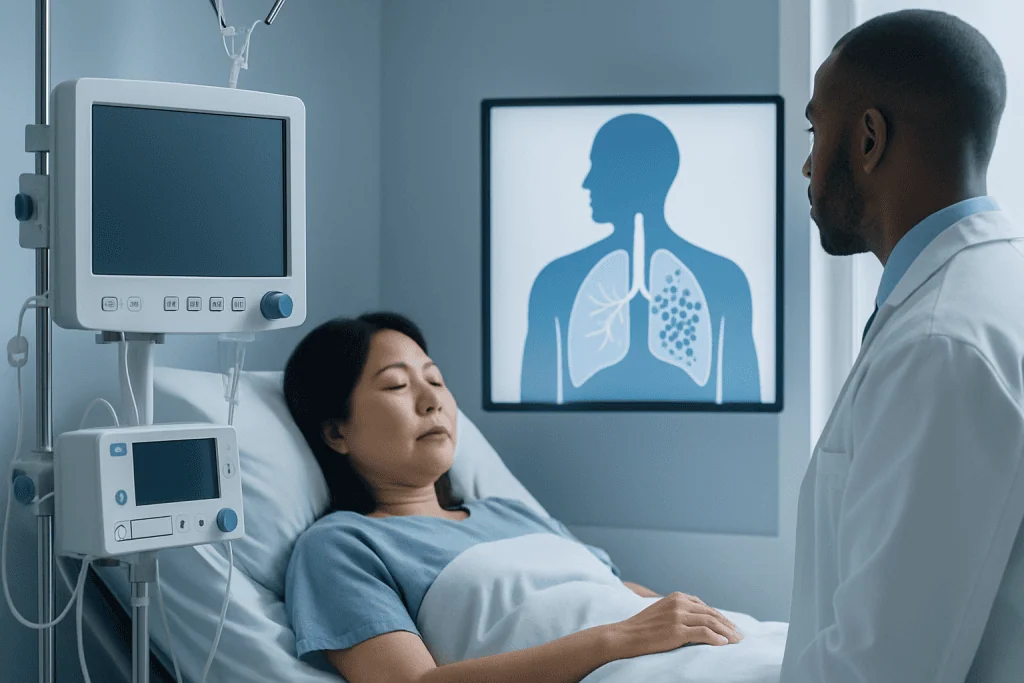
Klebsiella pneumoniae becomes a problem when it moves into tissues such as the lungs, bladder, kidneys, blood, or wounds. In the lungs, it can inflame the air sacs and make breathing harder. In the urinary tract, it may irritate the bladder or travel upward to the kidneys. In the bloodstream, it can trigger a body-wide inflammatory response that requires urgent care.
The body’s response depends on the person’s overall health and on the site of infection. Someone with a mild urinary infection may notice only burning with urination and the need to urinate more often. A person with pneumonia may develop fever, cough, chest discomfort, and shortness of breath. In frail older adults, symptoms may be less specific and include weakness, poor appetite, or confusion.
Doctors also pay close attention to whether an infection appears to be community-acquired or related to healthcare exposure. Patients with prolonged hospital stays, recent antibiotic use, intensive care admission, or devices such as urinary catheters and breathing tubes may be at higher risk of complicated or drug-resistant infection. If pneumonia is suspected, clinicians may also assess for other causes of pneumonia during evaluation.
Symptoms of Klebsiella pneumoniae infection
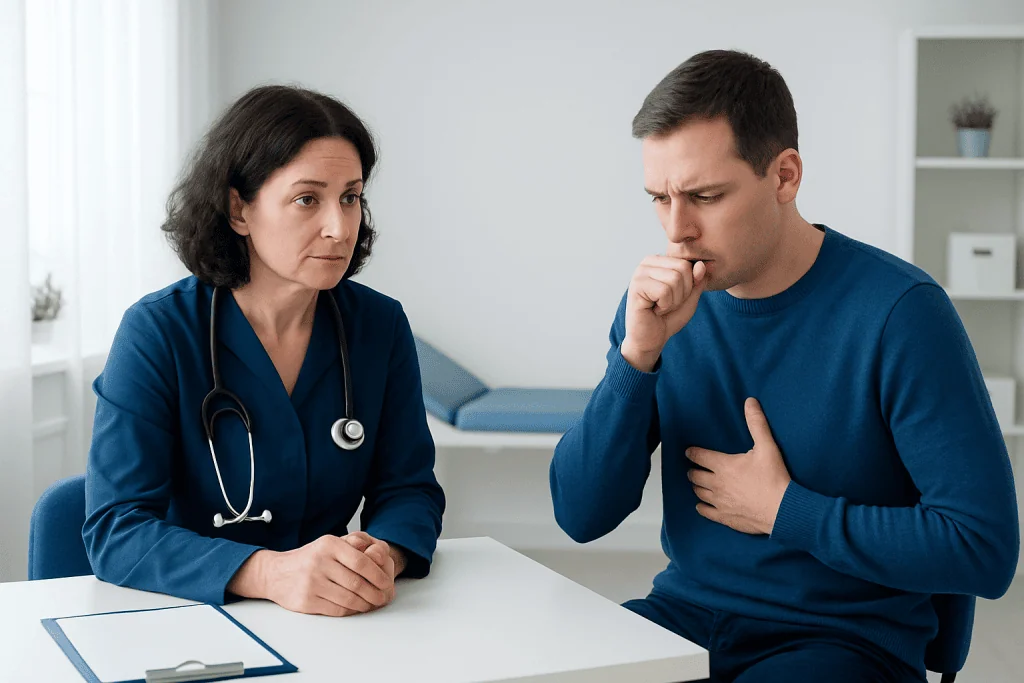
There is no single set of symptoms that fits every Klebsiella infection. The signs depend on where the bacteria are causing disease. Lung infections may cause fever, chills, cough, mucus production, chest pain, and breathlessness. A urinary tract infection may cause burning or pain during urination, urgency, frequency, lower abdominal discomfort, or cloudy urine.
If the infection reaches the kidneys or bloodstream, symptoms can become more severe. A person may have high fever, shaking chills, flank pain, nausea, low blood pressure, rapid breathing, unusual sleepiness, or confusion. Infections in wounds or soft tissues may lead to redness, swelling, warmth, pain, or drainage from the affected area.
Children, older adults, and people with chronic illness may present differently. Sometimes the first signs are reduced energy, poor feeding, new confusion, or a decline in usual functioning. Because these symptoms overlap with many other conditions, medical assessment is important if infection is suspected.
- Possible lung symptoms: cough, fever, chest pain, shortness of breath
- Possible urinary symptoms: burning urination, urgency, frequent urination, pelvic discomfort
- Possible severe infection symptoms: confusion, low blood pressure, rapid breathing, severe weakness
Causes and risk factors
Klebsiella pneumoniae infections develop when the bacterium enters a vulnerable area of the body and is able to multiply. This may happen through aspiration into the lungs, contamination of a urinary catheter, spread from the intestines to the urinary tract, or entry through a wound or intravenous line. Not everyone exposed will become ill; risk rises when the body’s defenses are reduced.
Common risk factors include hospitalization, especially in intensive care units, recent surgery, long-term use of catheters or ventilators, advanced age, diabetes, chronic lung disease, kidney disease, liver disease, alcohol misuse, and immune suppression. Prior or repeated antibiotic use can also disrupt normal bacteria and make it easier for resistant Klebsiella strains to thrive.
One major concern is antimicrobial resistance. Some Klebsiella pneumoniae strains produce enzymes that break down commonly used antibiotics, making infection more difficult to treat. This does not mean treatment is impossible, but it does mean the exact antibiotic should be guided by laboratory results whenever possible. In more complex cases, specialists in infectious diseases, internal medicine, pulmonology, or intensive care may be involved.
How doctors diagnose it
Diagnosis begins with the clinical picture: symptoms, medical history, physical examination, and attention to recent healthcare exposure. A doctor will consider the likely site of infection and look for signs that the illness is localized or spreading. Because many bacteria can cause similar symptoms, laboratory confirmation is usually needed.
Tests often include cultures from the suspected site of infection, such as sputum, urine, blood, or wound fluid. The laboratory identifies the organism and performs susceptibility testing to show which antibiotics are likely to work. Blood tests may help assess inflammation, kidney function, and the body’s response to infection.
Imaging may also be useful. A chest X-ray or chest CT can help evaluate suspected bacterial lung infection and its severity, while ultrasound or CT may be used if a doctor suspects kidney involvement, an abscess, or a deep-seated source. Supportive assessment may include diagnostic imaging and, for complicated respiratory illness, input from pulmonology specialists.
Treatment options and why resistance matters
Treatment for Klebsiella pneumoniae depends on the site of infection, the person’s overall health, and whether the strain is resistant to antibiotics. Doctors usually begin with an antibiotic choice based on the most likely cause and then refine treatment when culture and susceptibility results return. This approach helps balance timely care with accurate antibiotic use.
For milder infections, treatment may be given at home if the person is stable and able to drink fluids and take medicines safely. More serious infections may require hospital care, intravenous antibiotics, oxygen support, fluids, or closer monitoring. If a catheter, drain, or other device is contributing to infection, it may need to be removed or replaced.
Drug-resistant Klebsiella is a growing healthcare challenge. When resistance is present, doctors may need to use more specialized antibiotics, combinations of medicines, or longer monitoring. This is one reason self-treating with leftover antibiotics is not safe or effective. In patients with severe breathing problems or worsening infection, treatment may overlap with care pathways used for lung infection and other serious bacterial illnesses.
Near the end of a patient’s care journey, recovery planning is also important. Follow-up may include repeat blood work, symptom review, imaging in selected cases, and monitoring for complications or recurrence. At Acibadem International, multidisciplinary specialists in JCI-accredited hospitals diagnose and treat Klebsiella-related infections for international patients when advanced evaluation or inpatient care is needed.
Prevention and self-care
Prevention focuses on reducing exposure, protecting vulnerable patients, and avoiding unnecessary antibiotic use. In hospitals, this includes careful hand hygiene, cleaning of surfaces and equipment, isolation precautions when needed, and limiting invasive devices to situations where they are truly necessary. Removing catheters and lines as soon as possible can reduce risk.
At home, general measures matter too. People should wash hands regularly, keep wounds clean, manage chronic conditions such as diabetes, and take prescribed antibiotics exactly as directed. It is also wise to avoid requesting antibiotics for viral illnesses, since unnecessary antibiotic use can encourage resistance.
Self-care during recovery includes rest, fluids if appropriate, good nutrition, and watching for changes in breathing, fever, urination, or mental clarity. However, home care should not replace medical review when symptoms are significant, persistent, or getting worse. Recovery may take longer in older adults and in people with multiple health conditions.
- Wash hands before meals and after bathroom use
- Follow wound-care and catheter-care instructions carefully
- Take antibiotics only as prescribed
- Seek follow-up if symptoms do not improve as expected
When to seek medical care
Medical assessment is advisable if a person has symptoms of infection that are moderate, persistent, or worsening. Examples include fever with cough, shortness of breath, chest pain, pain with urination, new flank pain, or signs of a wound infection. Early review is especially important for older adults, pregnant people, and anyone with immune suppression, diabetes, kidney disease, or recent hospitalization.
Urgent care is needed if there is difficulty breathing, blue lips, confusion, severe weakness, fainting, persistent vomiting, very low urine output, or signs of dehydration. These may suggest a serious infection or complications such as low oxygen levels or bloodstream infection. People with medical devices such as urinary catheters, feeding tubes, or central lines should contact a clinician promptly if symptoms develop.
It is also sensible to seek care if symptoms return after finishing treatment or if a doctor has previously mentioned resistant bacteria. Repeat evaluation can help determine whether the same infection has recurred, whether a new source is present, or whether the treatment plan needs adjustment.
Frequently asked questions
Is Klebsiella pneumoniae always dangerous?
No. Klebsiella pneumoniae can live in the body without causing illness, especially in the intestines. It becomes a problem when it enters places such as the lungs, urinary tract, blood, or wounds and starts causing infection.
How do people get Klebsiella pneumoniae infections?
Infections may develop when the bacteria spread from the digestive tract, contaminate a medical device, enter through a wound, or are aspirated into the lungs. Risk is higher in hospitals, especially for people using catheters, ventilators, or intravenous lines.
What are the most common Klebsiella pneumoniae symptoms?
Symptoms depend on the site of infection. Common examples include fever, cough, mucus, chest discomfort, shortness of breath, burning urination, urinary urgency, and wound redness or drainage. Severe infection may cause confusion, weakness, or low blood pressure.
Why is antibiotic resistance important with Klebsiella pneumoniae?
Some strains can resist several commonly used antibiotics, which can make treatment more complex. That is why doctors often rely on culture and susceptibility tests to choose the most effective medicine rather than guessing.
Can Klebsiella pneumoniae be treated successfully?
Yes, many infections can be treated successfully, especially when diagnosed early and matched with the right antibiotic. Treatment may be more involved in severe infections or when the bacteria are drug-resistant, but careful medical management can still be effective.
How can someone reduce the risk of infection?
Good hand hygiene, proper wound care, and careful use of antibiotics all help lower risk. In healthcare settings, reducing unnecessary catheters and following infection-control measures are especially important.
References
- World Health Organization
- Centers for Disease Control and Prevention
- National Institute of Allergy and Infectious Diseases
- MedlinePlus
- Merck Manual Consumer Version
This article is for general information only and is not a substitute for professional medical advice. Please consult a qualified doctor about your individual situation.
Pneumonia in Turkey — costs, top hospitals & a free quote
JCI-accredited · board-certified surgeons · reply within 24h
Add us as a Preferred Source to see more of our trusted health content across Google Search, AI Overviews and Discover.
Check your numbers in seconds
BMI, calories, due date, blood pressure and 30+ more clinical calculators — free, instant, doctor-reviewed ranges.

More from the Health Library

Parasitic Worms — Explained by Medical Evidence, Not Myths

Chicken and Gout: An Evidence-Based Guide for Patients

Acne Face Map — Explained by Medical Evidence, Not Myths

Gestational Diabetes — Explained by Medical Evidence, Not Myths

Cerebellum and Cerebellar: A Complete Medical Overview