Hammer Toe: An Evidence-Based Guide for Patients

Hammer toe usually affects the second, third, or fourth toe and causes an abnormal bend at the middle joint. Early, flexible hammer toe may improve with shoe changes, padding, exercises, and treatment of underlying foot problems.
Key Takeaways
- Hammer toe usually affects the second, third, or fourth toe and causes an abnormal bend at the middle joint.
- Early, flexible hammer toe may improve with shoe changes, padding, exercises, and treatment of underlying foot problems.
- Tight shoes, muscle imbalance, foot shape, arthritis, diabetes, and nerve conditions can all contribute.
- Persistent pain, open sores, worsening deformity, or trouble walking should be assessed by a doctor.
- Surgery may be considered when symptoms continue despite conservative treatment or the toe becomes rigid.
Hammer toe is a common foot condition in which one of the smaller toes bends abnormally at the middle joint, often making shoes uncomfortable and causing rubbing on the top or tip of the toe. Many people improve with better footwear and simple foot care, while more fixed or painful cases may need specialist treatment.
What hammer toe is
Hammer toe is a deformity in which a smaller toe bends downward at its middle joint, creating a shape that looks somewhat like a hammer. It most often affects the second toe, but the third or fourth toe can also be involved. Over time, the bent toe may rub against footwear or press into the ground, leading to pain, calluses, or difficulty finding comfortable shoes.
This condition often starts as a flexible problem, meaning the toe can still be straightened by hand. If the imbalance continues, the tissues around the joint can tighten and the toe may become stiff or fixed in place. That is why early attention can be helpful, especially when symptoms are mild but starting to interfere with daily activities.
Hammer toe is not the same as every bent-toe deformity. Similar conditions include mallet toe, which mainly affects the joint nearest the tip of the toe, and claw toe, which involves multiple toe joints. A foot specialist can distinguish between these patterns because the exact diagnosis helps guide treatment.
Symptoms and how it may feel day to day
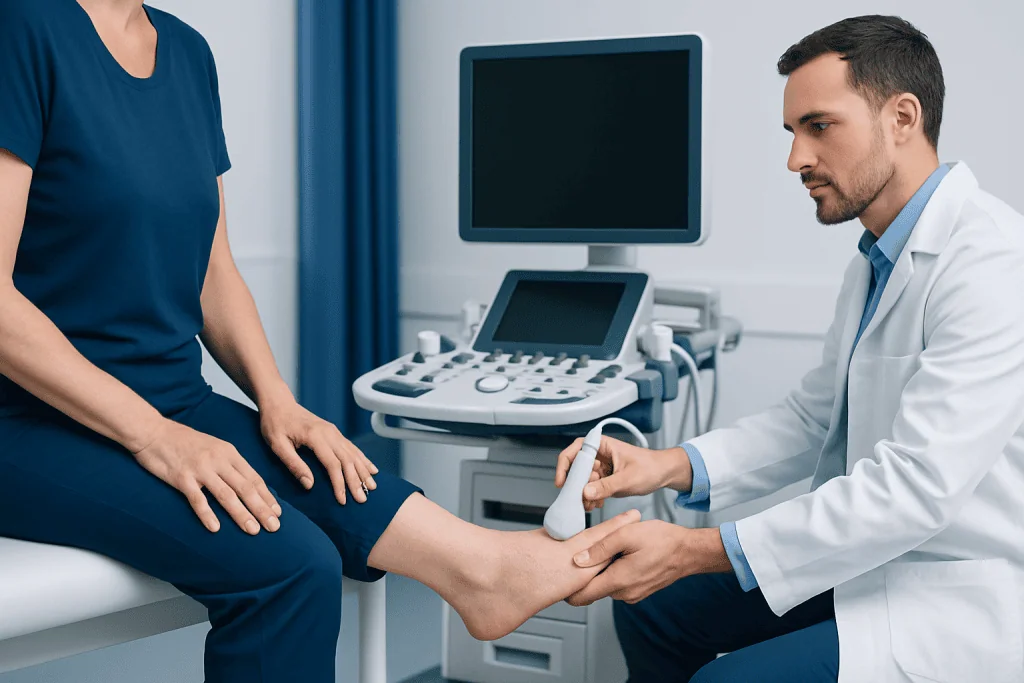
The most common symptom of hammer toe is a toe that appears bent at the middle joint. Some people notice the shape first, while others seek help because of discomfort from pressure inside shoes. Pain may occur on the top of the toe where it rubs against the shoe, at the tip of the toe, or under the ball of the foot.
Other symptoms can include redness, swelling, corns, calluses, and a feeling that the toe is cramped or stiff. In flexible hammer toe, symptoms may come and go depending on the shoes worn and how much walking or standing is done. In more advanced cases, the toe may remain bent all the time and become harder to move.
Day-to-day effects vary. Some people mainly struggle with shoe fit, while others develop changes in walking pattern because they try to avoid pressure. If the skin becomes broken, especially in someone with diabetes or poor circulation, the problem needs prompt medical attention because healing can be slower and complications more likely.
Causes and risk factors

Hammer toe usually develops because of an imbalance in the muscles, tendons, and ligaments that normally keep the toe straight. When one set of structures pulls harder than another for a long time, the joint can gradually bend into an abnormal position. This process may be influenced by foot shape, joint mechanics, and the way a person walks.
Footwear is a common contributing factor. Shoes that are narrow in the toe box, short in length, or high-heeled can crowd the toes and increase pressure, especially over many years. This does not mean every person who wears fitted shoes will develop hammer toe, but shoe shape can worsen an existing tendency.
Other risk factors include bunions, long second toes, flat feet or high arches, inflammatory arthritis, prior trauma, and conditions that affect nerves or muscles. People with diabetes may be more vulnerable to skin breakdown if a toe deformity causes pressure points. Hammer toe can also occur alongside other forefoot problems, such as bunions or pain under the ball of the foot, and these related issues sometimes need to be treated together.
- Ill-fitting or high-heeled shoes
- Family tendency or certain foot shapes
- Bunions and forefoot imbalance
- Arthritis or joint inflammation
- Nerve or muscle disorders
- Previous toe injury
How doctors diagnose hammer toe
Diagnosis usually begins with a medical history and physical examination. A doctor looks at the toe shape, checks whether the deformity is flexible or rigid, and examines the skin for corns, calluses, redness, or sores. They may also assess gait, footwear, and other parts of the foot that could be contributing, such as bunions, tight tendons, or instability at the base of the toe.
X-rays are often used when the deformity is painful, long-standing, worsening, or being considered for surgery. Imaging can show joint alignment, arthritis, and any associated structural problems in the foot. This helps with planning treatment and ruling out other causes of toe pain or deformity.
If there are signs of diabetes-related nerve damage, poor circulation, inflammatory disease, or another underlying medical issue, further assessment may be recommended. The goal is not only to confirm hammer toe, but also to understand why it developed and what factors may affect healing or recurrence.
Treatment options: from simple measures to surgery
Treatment depends on whether the toe is flexible or rigid, how severe the symptoms are, and whether skin problems or walking difficulty are present. Many people with early hammer toe improve with non-surgical care. This often includes shoes with a wide, deep toe box, avoiding high heels, using protective pads, and reducing pressure on corns or calluses. Gentle toe-stretching and strengthening exercises may help in flexible cases, although they do not reverse a fixed deformity.
If pain is linked to pressure points or other forefoot problems, custom insoles or toe splints may be recommended. Regular foot care is important, especially for people with diabetes, poor circulation, or reduced sensation. It is generally safest not to cut corns at home with sharp tools or use medicated corn products without professional guidance, because these can injure the skin.
When symptoms persist despite conservative care, surgery may be considered. Procedures vary depending on the deformity and whether related problems also need correction. Surgical treatment may involve releasing or balancing tendons, correcting joint alignment, removing part of a small bone, or stabilizing the toe with temporary fixation while it heals. If a bunion or another structural issue is driving the problem, it may be treated at the same time with bunion surgery or a broader foot and ankle surgery plan.
Recovery after surgery depends on the exact procedure. Swelling can last for some time, and footwear restrictions are common during healing. A specialist can explain the expected benefits, limitations, and possible risks based on the individual’s foot structure, activity level, and general health.
Prevention and self-care
Not every case of hammer toe can be prevented, but reducing long-term toe pressure may lower the chance of progression. Choosing shoes with enough room in the front is one of the most practical steps. The toes should not be compressed, and there should be adequate depth so the top of the bent toe does not rub excessively against the shoe.
People who already have a mild deformity may benefit from monitoring for pressure points, changing shoes early when discomfort starts, and keeping the skin healthy. Moisturizing dry skin, using protective cushions when advised, and addressing thickened skin through appropriate foot care can all help reduce irritation.
Stretching and strengthening exercises may support foot function in some cases, especially when the deformity is still flexible. Managing related conditions is also important. For example, treating arthritis, optimizing diabetes care, or addressing flat feet and other biomechanical problems may help reduce ongoing stress on the toes.
When to seek medical care
Medical assessment is advisable if a bent toe is becoming painful, harder to move, or increasingly difficult to fit into shoes. A doctor should also evaluate recurrent corns or calluses, changes in walking, or symptoms that continue despite wider footwear and basic self-care. Early evaluation can sometimes prevent a flexible deformity from becoming rigid.
Prompt care is especially important if there is an open sore, drainage, spreading redness, significant swelling, sudden worsening, or severe pain after an injury. People with diabetes, poor circulation, or reduced feeling in the feet should not ignore even minor skin changes because these may become more serious more quickly.
If specialist assessment is needed, foot and ankle experts may work with orthopedics, rehabilitation, endocrinology, or vascular teams depending on the person’s overall health. Near the end of the care pathway, some international patients choose centers such as Acibadem International, where multidisciplinary specialists in JCI-accredited hospitals diagnose and treat foot conditions including hammer toe.
Frequently asked questions
Can hammer toe go away on its own?
A mild, flexible hammer toe may feel better with better footwear and pressure relief, but the deformity itself usually does not simply disappear. If it progresses and becomes stiff, it is less likely to improve without specialist treatment.
Is hammer toe always painful?
No. Some people mainly notice a change in toe shape and shoe fit, while others develop pain from rubbing, corns, calluses, or pressure under the foot. Symptoms often become more noticeable as the toe becomes less flexible.
What kind of shoes are best for hammer toe?
Shoes with a wide toe box and enough depth in the front are usually the most comfortable. They reduce rubbing on the top of the toe and give the toes more space, which may help ease pressure and pain.
When is surgery needed for hammer toe?
Surgery may be considered when pain continues despite shoe changes, pads, exercises, or orthotics, or when the toe becomes rigid. It may also be recommended if the deformity causes recurrent skin problems, trouble walking, or if another structural foot issue needs correction at the same time.
Is hammer toe the same as a bunion?
No. A bunion affects the joint at the base of the big toe, while hammer toe usually affects one of the smaller toes and bends the middle joint. However, both conditions can occur together and may influence each other.
Can diabetes make hammer toe more serious?
Yes. Diabetes can reduce sensation and slow healing, which increases the risk that pressure points may turn into sores or infections. Anyone with diabetes and a toe deformity should pay close attention to skin changes and seek medical advice early.
References
- American Academy of Orthopaedic Surgeons
- American Orthopaedic Foot & Ankle Society
- National Institute of Arthritis and Musculoskeletal and Skin Diseases
- MedlinePlus
- National Health Service
This article is for general information only and is not a substitute for professional medical advice. Please consult a qualified doctor about your individual situation.
Joint and spine care in Turkey — expert assessment & treatment
JCI-accredited · board-certified surgeons · reply within 24h
Add us as a Preferred Source to see more of our trusted health content across Google Search, AI Overviews and Discover.

More from the Health Library



Related Specialists

Assoc. Prof. Dr. Sema Aylan Gelen
Pediatric Hematology
Dyt. Gamze Gültekin
Nutrition & Diet
Assoc. Prof. Dr. Gürbüz Görümlü
Medical Oncology
Dr. Ezgi Topyıldız
Pediatric Allergy