Avulsion Fracture: A Complete Medical Overview
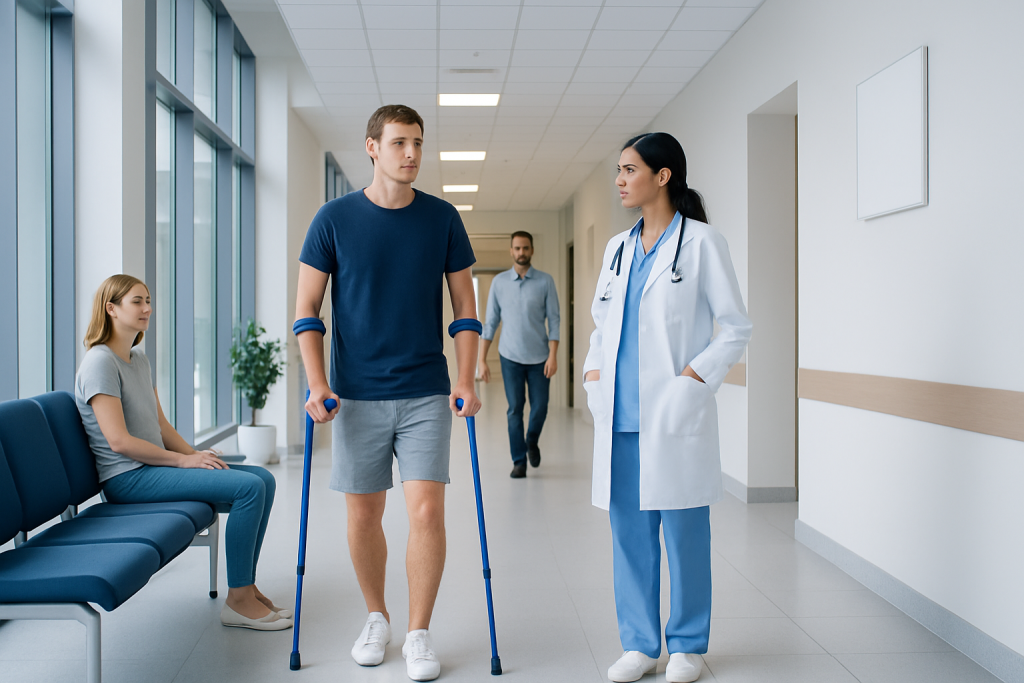
An avulsion fracture involves a small bone fragment being pulled off by a tendon or ligament. Common symptoms include sudden pain, swelling, bruising, and difficulty moving or bearing weight.
Key Takeaways
- An avulsion fracture involves a small bone fragment being pulled off by a tendon or ligament.
- Common symptoms include sudden pain, swelling, bruising, and difficulty moving or bearing weight.
- Diagnosis usually relies on a physical examination and imaging such as X-rays, and sometimes MRI or CT scans.
- Many avulsion fractures heal with rest, bracing or casting, and physical therapy, but displaced injuries may need surgery.
- Early assessment helps reduce the risk of poor healing, chronic pain, or joint instability.
An avulsion fracture happens when a tendon or ligament pulls a small piece of bone away from its normal position, often during sports, falls, or sudden twisting movements. Treatment depends on the location and severity, but many cases improve with rest, immobilization, and guided rehabilitation, while some require surgery.
What is an avulsion fracture?
An avulsion fracture is a bone injury in which a tendon or ligament pulls off a small piece of bone. This usually happens during a sudden forceful movement, such as sprinting, jumping, kicking, twisting, or falling. In practical terms, the soft tissue stays attached to the bone fragment and pulls it away from the main bone.
This type of injury can affect many parts of the body, including the ankle, foot, knee, hip, pelvis, elbow, wrist, and fingers. It is seen in both adults and children, but growing athletes may be especially vulnerable because the attachment points between muscle, tendon, and bone can be weaker than the tendon itself during periods of rapid growth.
An avulsion fracture is different from a simple sprain or strain, even though the symptoms may feel similar at first. A sprain affects a ligament, and a strain affects a muscle or tendon, while an avulsion fracture involves the bone itself. Because of this, proper evaluation matters, especially if there is marked swelling, bruising, or trouble using the injured area.
How an avulsion fracture happens
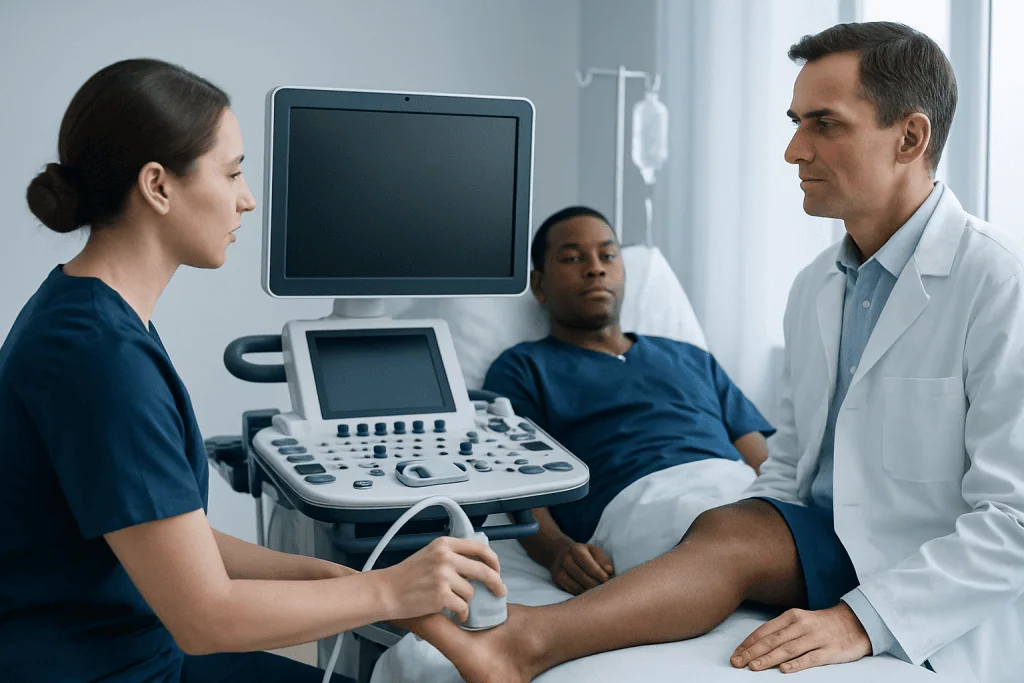
The main mechanism is a sudden traction force. When a muscle contracts strongly or a ligament is stretched quickly, the force may be greater than the bone can tolerate at the attachment site. Instead of the tendon or ligament tearing completely, a small fragment of bone may detach.
Sports injuries are a common cause. Quick changes in direction, explosive starts, hard landings, and direct impacts can all contribute. In everyday life, avulsion fractures may occur after slipping on stairs, missing a curb, or catching a finger awkwardly during a fall. An ankle injury may sometimes be mistaken for a severe sprain when it is actually an ankle fracture.
Location influences symptoms and treatment. For example, avulsion injuries around the pelvis are often linked to running and kicking sports, while those in the hand may follow ball sports or finger jams. Around the knee, a strong pull from the quadriceps or patellar tendon can injure the bone at its attachment point. Understanding the injury pattern helps guide care and recovery expectations.
Symptoms and signs to watch for
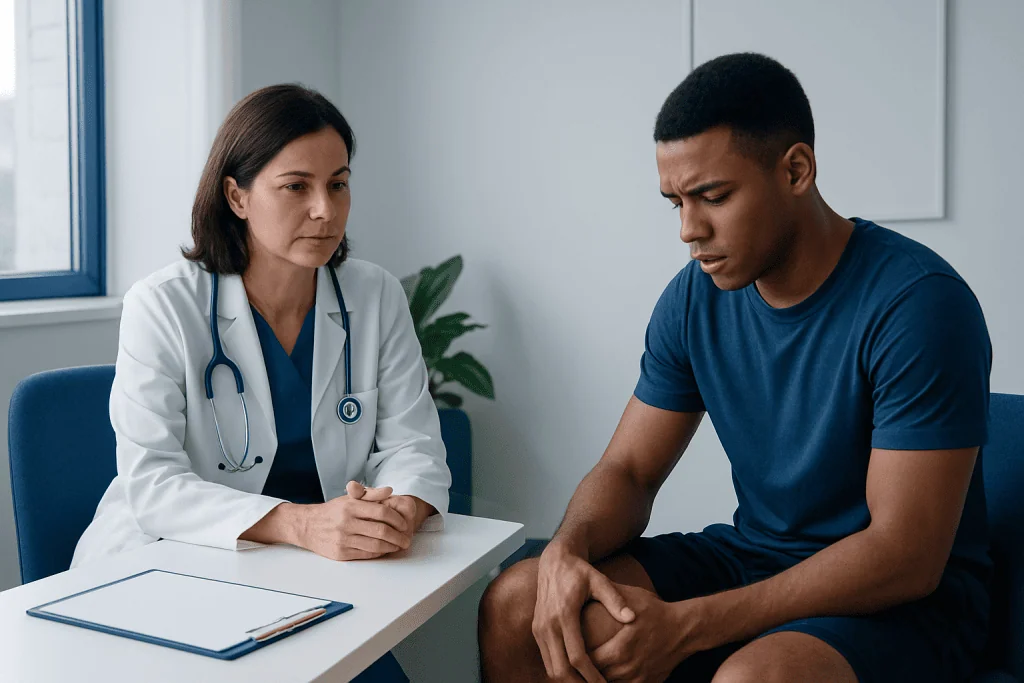
Symptoms often begin suddenly at the moment of injury. A person may feel a sharp pain or a popping sensation, followed by swelling and tenderness over a specific bony point. Bruising can appear within hours, and the area may become difficult to move.
Weight-bearing or normal use may be painful, depending on the site. Someone with an avulsion fracture in the foot, ankle, knee, or pelvis may limp or be unable to continue activity. A finger or wrist avulsion fracture may cause reduced grip, stiffness, or visible swelling around the joint. These symptoms can overlap with a sprain, dislocation, or other fracture, which is why imaging is often needed.
- Sudden localized pain after a twist, fall, or forceful movement
- Swelling and bruising near a joint or tendon attachment
- Tenderness directly over the bone
- Difficulty moving the limb or using the joint normally
- Pain when bearing weight, gripping, or pushing off
- Occasional joint instability or a visible change in shape
If there is severe deformity, numbness, pale or cold skin, or inability to move the limb, urgent medical assessment is important. These signs can suggest a more significant injury that needs prompt treatment.
Causes and risk factors
Avulsion fractures are caused by sudden force at the point where a tendon or ligament attaches to bone. This can happen during high-intensity sports, especially those involving sprinting, jumping, kicking, rapid pivoting, or contact. Common examples include soccer, basketball, tennis, gymnastics, and running events.
Age can play a role. In children and teenagers, the growth areas and apophyses may be more susceptible to traction injuries. In adults, reduced bone strength from aging or low bone density may increase the chance of fracture during a fall or sudden movement. Previous injuries, poor conditioning, and inadequate warm-up may also contribute.
Other factors may include muscle tightness, fatigue, poor technique, and returning to activity too quickly after an injury. In some cases, repeated overuse rather than a single dramatic event leads to pain and a small avulsion injury. When clinicians suspect broader musculoskeletal stress or complex injury patterns, assessment by orthopedic rehabilitation and sports medicine teams may help guide recovery.
How doctors diagnose an avulsion fracture
Diagnosis begins with a medical history and physical examination. The doctor asks how the injury happened, where the pain is, and whether there was immediate swelling or loss of function. During the exam, the injured area is checked for point tenderness, bruising, joint stability, range of motion, and circulation.
X-rays are usually the first imaging test because they can often show the bone fragment and its position. However, some avulsion fractures are small or hard to see depending on the location, especially early after the injury. If symptoms strongly suggest an avulsion fracture but the X-ray is unclear, the doctor may request additional imaging.
MRI can show surrounding tendons, ligaments, cartilage, and bone bruising, while CT may help define fragment size and displacement in more complex cases. Imaging also helps distinguish avulsion fractures from severe sprains, tendon ruptures, and injuries such as ACL tears around the knee. Accurate diagnosis is important because treatment decisions often depend on how far the fragment has moved and whether the joint remains stable.
Treatment options and recovery
Many avulsion fractures can be treated without surgery. Initial care often includes rest, ice, elevation, and limiting use of the injured area. A splint, brace, boot, or cast may be used to protect the bone while it heals. Doctors may also recommend crutches or temporary activity restriction if walking is painful.
After the early healing phase, gradual rehabilitation becomes important. Physical therapy can help restore flexibility, strength, balance, and normal movement patterns while protecting the healing tissue. This approach is especially helpful for athletes and for injuries near major joints. Structured care may include physical therapy and rehabilitation to support a safe return to daily activities and sport.
Surgery is considered when the bone fragment is significantly displaced, the joint is unstable, the injury involves an important tendon attachment, or symptoms do not improve with conservative treatment. Surgical care may involve repositioning the fragment and fixing it with sutures, pins, screws, or other techniques depending on the location. In some cases, orthopedics and traumatology specialists evaluate whether surgical repair offers the best chance of restoring function.
Recovery time varies by injury site, severity, age, and overall health. Some minor avulsion fractures improve over several weeks, while others need a longer period of protection and rehabilitation. Returning too soon can increase the risk of persistent pain, reinjury, or delayed healing, so follow-up advice should be individualized.
Self-care, prevention, and protecting healing
Self-care during recovery focuses on protecting the injured area and following the treatment plan closely. Resting does not always mean complete inactivity, but it usually means avoiding movements that trigger pain or place stress on the healing attachment site. Ice and elevation may help in the early days, and any brace or boot should be used as advised.
Prevention is centered on reducing sudden overload. Warm-up exercises, flexibility work, gradual progression in training, and strength programs for the hips, thighs, calves, and core can all support safer movement. Well-fitted footwear and sport-specific technique coaching may also reduce stress on bones, tendons, and ligaments.
People should not ignore ongoing pain after what seems like a simple sprain. If swelling and tenderness remain focused over a bone, a hidden fracture is possible. Near the end of care, some patients may seek support from multidisciplinary orthopedic teams; Acibadem International’s JCI-accredited hospitals diagnose and treat bone and joint injuries for international patients, including cases that may benefit from orthopedic surgery when appropriate.
When to seek medical care
Medical assessment is advisable when pain is significant, swelling develops quickly, or a person cannot use the affected limb normally. This is particularly important if there is trouble walking, poor grip, marked tenderness directly over a bone, or symptoms that do not improve after a day or two of rest and home care.
Urgent care is needed for obvious deformity, severe swelling, increasing pain, numbness, weakness, or changes in skin color or temperature. These signs may point to a more serious fracture, a joint injury, or reduced blood flow. Children and teenagers with sports injuries should also be assessed promptly because growth-related bone injuries can be missed.
Even when the injury seems mild, a professional evaluation can clarify whether the problem is a sprain, tendon injury, or avulsion fracture. Early diagnosis often makes treatment more straightforward and supports a safer, more complete recovery.
Frequently asked questions
Is an avulsion fracture the same as a sprain?
No. A sprain affects a ligament, while an avulsion fracture involves a piece of bone being pulled away by a tendon or ligament. The symptoms can overlap, which is why imaging is often needed.
Can an avulsion fracture heal without surgery?
Yes, many avulsion fractures heal with rest, immobilization, and rehabilitation. Surgery is usually reserved for cases where the bone fragment is significantly displaced, the joint is unstable, or normal function is unlikely to return without repair.
How long does avulsion fracture recovery take?
Recovery time depends on the location and severity of the injury, as well as the person's age and activity level. Some heal within several weeks, while others take longer and may need structured physical therapy before full return to sport or work.
What are the most common places for an avulsion fracture?
Common locations include the ankle, foot, knee, hip, pelvis, elbow, wrist, and fingers. The exact pattern often reflects the type of activity or injury mechanism involved.
Should someone walk on an avulsion fracture?
Not unless a doctor has said it is safe. Walking on an untreated avulsion fracture, especially in the foot, ankle, knee, or pelvis, may worsen pain or delay healing. Weight-bearing recommendations depend on the exact site and severity.
Can children get avulsion fractures?
Yes. Children and teenagers, especially those who play sports, can develop avulsion fractures because growing bones have vulnerable attachment areas. Prompt assessment is helpful to protect healing and avoid problems around growth regions.
References
- American Academy of Orthopaedic Surgeons
- National Health Service
- MedlinePlus
- Mayo Clinic
- American Academy of Pediatrics
This article is for general information only and is not a substitute for professional medical advice. Please consult a qualified doctor about your individual situation.
Joint and spine care in Turkey — expert assessment & treatment
JCI-accredited · board-certified surgeons · reply within 24h
Add us as a Preferred Source to see more of our trusted health content across Google Search, AI Overviews and Discover.

More from the Health Library

Hash Oil — Explained by Medical Evidence, Not Myths

Chocolate Allergy: An Evidence-Based Guide for Patients

Nandrolone — Explained by Medical Evidence, Not Myths
Lcl Injury — Explained by Medical Evidence, Not Myths
Spinal Cord: An Evidence-Based Guide for Patients

Dates: What Patients Need to Know
Orthopedic Surgery & Traumatology Specialists at Acibadem

Assoc. Prof. Dr. Bertan Cengiz
Orthopedic Surgery & Traumatology
Dr. Betül Toygar
Physical Medicine & Rehabilitation
Fzt. Beyza Nur Gündüz
Physical Medicine & Rehabilitation
Dr. Buğra Alpan
Orthopedic Surgery & Traumatology