Lungs — Explained by Medical Evidence, Not Myths
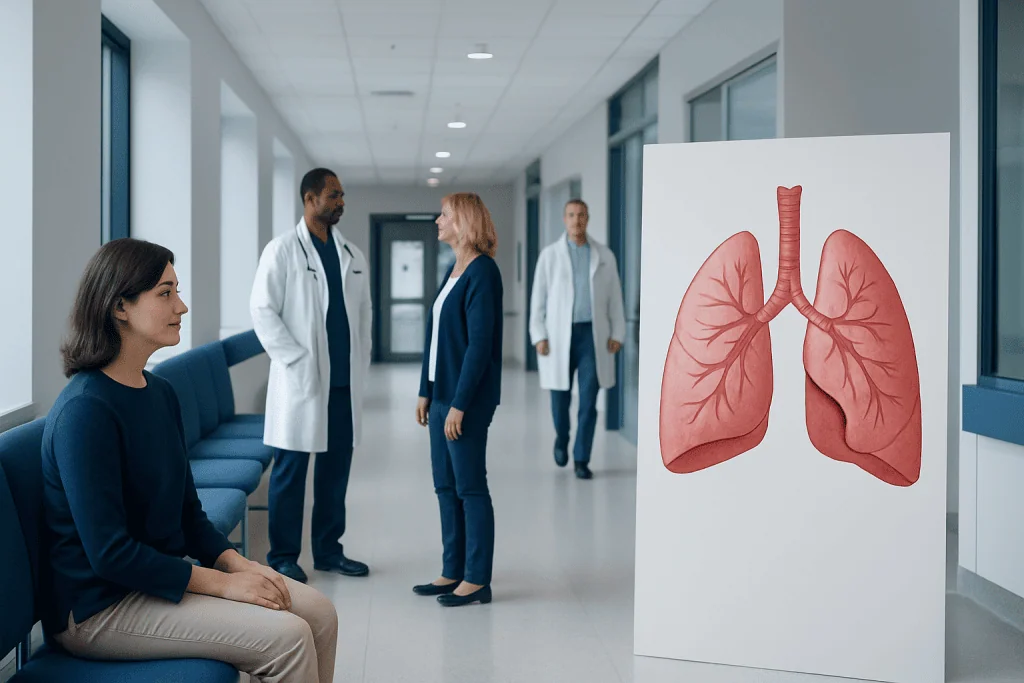
The lungs exchange oxygen and carbon dioxide through millions of tiny air sacs called alveoli. Healthy lung function depends on the airways, diaphragm, chest muscles, blood vessels, and brain working together.
Key Takeaways
- The lungs exchange oxygen and carbon dioxide through millions of tiny air sacs called alveoli.
- Healthy lung function depends on the airways, diaphragm, chest muscles, blood vessels, and brain working together.
- Common warning signs include ongoing cough, shortness of breath, wheezing, chest discomfort, and coughing up blood.
- Smoking, air pollution, infections, allergies, and chronic conditions can all affect the lungs.
- Prompt evaluation is important for breathing difficulties, severe chest symptoms, or symptoms that do not improve.
Lungs are the body’s main breathing organs, moving oxygen into the blood and removing carbon dioxide with every breath. Understanding how lungs work, what can affect them, and which symptoms matter can help people protect respiratory health and know when medical advice is needed.
What the lungs do
The lungs are two spongy organs in the chest that make breathing possible. Their main job is to bring oxygen from the air into the bloodstream and remove carbon dioxide, a waste gas the body produces. In simple terms, healthy lungs keep the body supplied with oxygen so the brain, heart, muscles, and other organs can work properly.
The right lung has three sections, called lobes, and the left lung has two to make room for the heart. Air enters through the nose or mouth, passes down the windpipe, and moves through branching airways called bronchi and bronchioles. At the end of these small passages are tiny air sacs called alveoli, where gas exchange takes place.
The lungs do not work alone. The diaphragm, a large muscle below the lungs, contracts to draw air in and relaxes to push air out. The chest wall, nerves, blood vessels, and brain also help regulate breathing. Because several body systems are involved, lung symptoms may have many possible causes and should be assessed in context.
How lungs work in everyday breathing
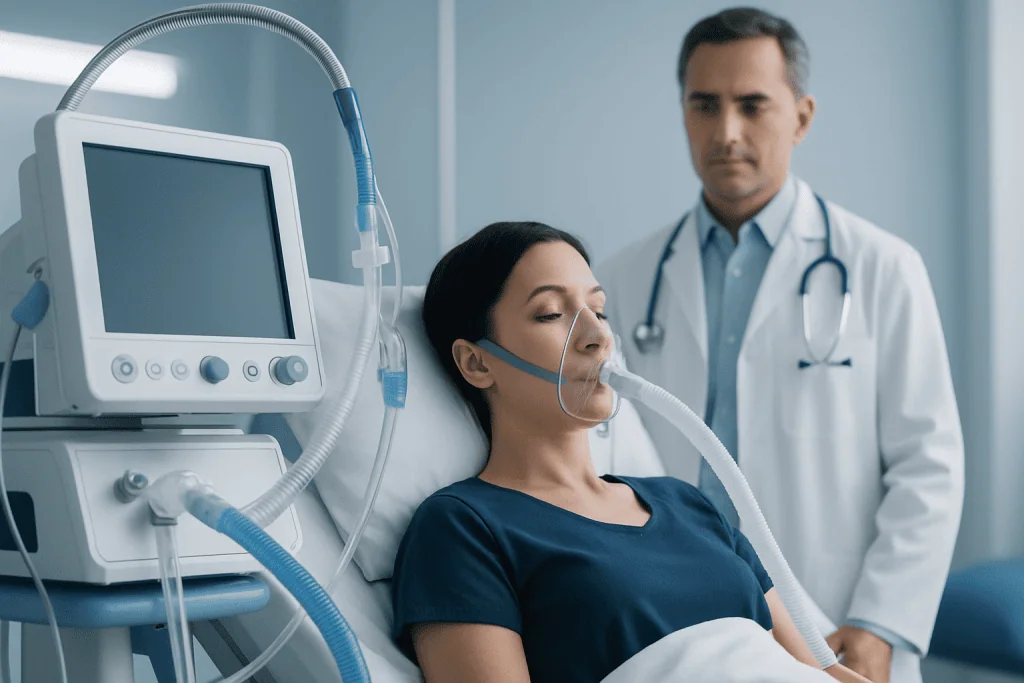
When a person inhales, the diaphragm moves downward and the chest expands. This creates negative pressure that pulls air into the lungs. Oxygen then moves across the thin walls of the alveoli into nearby blood vessels, where red blood cells carry it throughout the body.
At the same time, carbon dioxide moves from the blood into the alveoli and is exhaled. This exchange happens continuously, even during sleep. Healthy lungs are also designed to warm, moisten, and filter incoming air, helping protect the body from dust, germs, and irritants.
The airways are lined with mucus and tiny hair-like structures called cilia. Together, they trap and move particles out of the respiratory tract. This cleaning system is one reason why the lungs can cope with everyday exposures, but repeated irritation from smoking, pollution, or workplace dust can overwhelm these defenses over time.
Breathing needs change with activity. During exercise, the lungs and heart work harder to deliver more oxygen and remove more carbon dioxide. Shortness of breath during intense activity can be normal, but breathlessness that seems out of proportion, appears at rest, or gets steadily worse deserves medical attention.
Common lung symptoms and what they may mean
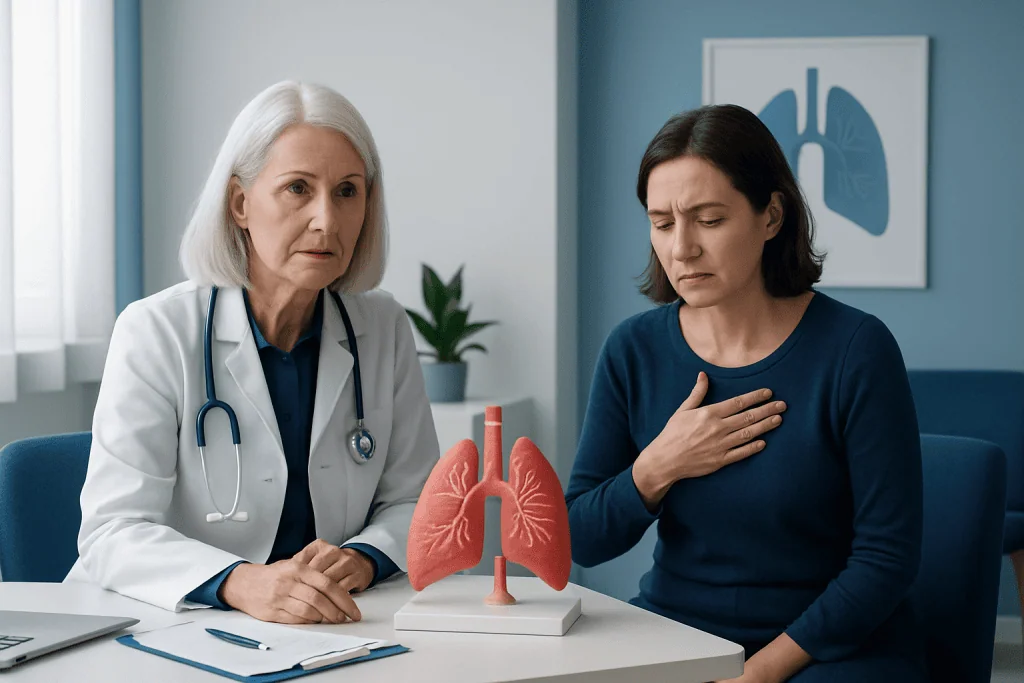
Lung problems do not always feel the same. Some people notice a cough that does not go away, while others feel chest tightness, wheezing, or unusual fatigue. Shortness of breath can appear only during exertion at first, then later with routine tasks such as walking, climbing stairs, or speaking.
Common symptoms linked to the lungs include:
- Persistent cough
- Shortness of breath
- Wheezing or noisy breathing
- Chest discomfort with breathing
- Coughing up mucus
- Coughing up blood
- Frequent chest infections
- Reduced exercise tolerance
These symptoms can be caused by infections, asthma, allergies, chronic airway disease, blood clots, heart problems, or other conditions. For example, wheezing may occur with asthma, while a long-standing cough in a smoker may be related to chronic obstructive lung disease such as COPD.
Some lung conditions develop gradually and are easy to overlook. A person may assume they are “out of shape” when the issue is actually reduced lung function. Any breathing symptom that is new, worsening, or interfering with daily life should be discussed with a qualified doctor.
What can affect lung health
Many factors influence how well the lungs work. Smoking is one of the best-known risks because it damages airways and alveoli, increases inflammation, and raises the likelihood of chronic disease and cancer. Secondhand smoke can also harm children and adults, even if they do not smoke themselves.
Infections are another major cause of lung symptoms. Viruses, bacteria, and sometimes fungi can inflame the airways or the lung tissue itself. Illnesses such as bronchitis or pneumonia may cause cough, fever, tiredness, and shortness of breath, especially in older adults and people with chronic medical conditions.
Environmental and occupational exposures matter as well. Air pollution, chemical fumes, dust, mold, and allergens can irritate the respiratory tract or trigger flare-ups in people with sensitive airways. Long-term exposure in workplaces such as mining, construction, farming, or manufacturing may increase the risk of chronic lung disease.
Other influences include family history, premature birth, obesity, poor physical conditioning, autoimmune disease, and heart disease. Lung symptoms are not always caused by the lungs alone, which is why a careful medical assessment is often needed to find the true cause.
How doctors evaluate the lungs
Assessment usually begins with a medical history and physical examination. A doctor will ask about symptoms, smoking history, allergies, workplace exposures, infections, medications, and exercise tolerance. Listening to the chest can reveal wheezing, crackles, or reduced airflow, but normal examination findings do not always rule out a lung problem.
Depending on the symptoms, tests may include a chest X-ray, blood tests, pulse oximetry, or more detailed imaging such as CT scan evaluation. CT imaging can help detect inflammation, infection, structural changes, blood clots, or suspicious nodules that may not be fully visible on standard X-rays.
Doctors may also measure breathing with pulmonary function tests. These tests show how much air a person can inhale and exhale, how quickly air moves through the airways, and how efficiently the lungs transfer oxygen. In some situations, a doctor may recommend bronchoscopy to look inside the airways and collect samples.
If a growth or persistent abnormality is found, additional tests may be needed to determine the cause. Evaluation is tailored to the individual, and not every symptom requires extensive testing. The goal is to identify whether the issue is temporary and treatable, chronic but manageable, or in need of urgent care.
Treatment depends on the cause
There is no single treatment for all lung problems because the best approach depends on the diagnosis. Infections may improve with supportive care or, when appropriate, targeted medication. Asthma and some chronic airway diseases are often managed with inhaled medicines that reduce inflammation or help open the airways.
For some people, pulmonary rehabilitation, breathing exercises, and physical conditioning improve symptoms and stamina. Avoiding triggers such as smoke, dust, strong fumes, or allergens is also an important part of treatment. Vaccination and early care for respiratory infections may help prevent flare-ups in vulnerable patients.
When a more serious condition is suspected, specialist care may be needed. This can include advanced imaging, tissue sampling, oxygen therapy, or procedures and surgery. In patients with suspicious masses or confirmed malignancy, treatment planning may involve lung cancer treatment delivered by a multidisciplinary team.
Near the end of the care pathway, many people benefit from coordinated expertise. Acibadem International’s multidisciplinary specialists and JCI-accredited hospitals diagnose and treat lung conditions for international patients, with care guided by the underlying cause and the patient’s overall health.
Protecting the lungs in daily life
Lung health is supported by everyday habits. The most important step is not smoking and avoiding secondhand smoke whenever possible. People who smoke can speak with a doctor about evidence-based ways to quit, including counseling and medical support.
Regular physical activity helps the lungs and heart work more efficiently. Exercise does not usually increase lung size, but it can improve endurance, strengthen breathing muscles, and reduce the sense of breathlessness during daily activities. Staying hydrated, getting enough sleep, and eating a balanced diet also support overall respiratory health.
Reducing exposure to irritants is another practical step. This may include improving indoor ventilation, limiting contact with dust and strong chemicals, using appropriate protective equipment at work, and checking local air quality during periods of heavy pollution or wildfire smoke. People with allergies or chronic lung disease should follow their management plan carefully.
Vaccination can help lower the risk of some respiratory infections. Depending on age, health status, and local guidance, this may include annual influenza vaccination and other recommended vaccines. A doctor can advise which preventive measures are most appropriate for each person.
When to seek medical care
Medical advice is appropriate if a person has a cough lasting more than a few weeks, repeated wheezing, unexplained shortness of breath, chest discomfort with breathing, or frequent respiratory infections. These symptoms do not always mean serious disease, but they should not be ignored, especially if they are new or worsening.
Urgent medical care is needed for severe breathlessness, blue lips or face, sudden chest pain, confusion, high fever with breathing difficulty, or coughing up blood. These symptoms may signal a serious respiratory or cardiovascular problem and need prompt assessment.
People with known lung disease should also seek review if their usual medicines stop working, they are using rescue inhalers more often, or exercise tolerance drops noticeably. Early treatment can often prevent complications and may reduce the need for emergency care.
Children, older adults, pregnant people, and those with weakened immune systems may become unwell more quickly from respiratory illness. In these groups, it is sensible to contact a healthcare professional sooner rather than later if breathing symptoms appear.
Frequently asked questions
What are the lungs and why are they important?
The lungs are the main organs of breathing. They bring oxygen into the blood and remove carbon dioxide, which the body needs to get rid of continuously to stay healthy.
Can people live normally with reduced lung function?
Some people with mild or well-managed lung disease can live active, fulfilling lives. The outlook depends on the cause, how early it is diagnosed, and how well treatment and lifestyle measures are followed.
Is a persistent cough always a sign of lung disease?
No, a persistent cough can have several causes, including viral infections, allergies, acid reflux, postnasal drip, asthma, or smoking. However, a cough that lasts for weeks or keeps returning should be assessed by a doctor.
How can someone keep their lungs healthy?
Avoiding smoking is the most important step. Regular exercise, reducing exposure to pollutants and workplace irritants, staying up to date with recommended vaccines, and seeking care for ongoing symptoms can all support lung health.
Do healthy lungs always feel noticeable during breathing?
Usually not. Most people with healthy lungs do not notice their breathing at rest, so new awareness of breathlessness, tightness, or wheezing may be a sign that something needs attention.
When is shortness of breath an emergency?
Shortness of breath is an emergency if it is severe, sudden, or accompanied by chest pain, blue lips, confusion, fainting, or coughing up blood. In these situations, urgent medical care should be sought immediately.
References
- World Health Organization
- American Lung Association
- National Heart, Lung, and Blood Institute
- Centers for Disease Control and Prevention
- European Respiratory Society
This article is for general information only and is not a substitute for professional medical advice. Please consult a qualified doctor about your individual situation.
Persistent digestive symptoms? Get evaluated in Turkey
JCI-accredited · board-certified surgeons · reply within 24h
Add us as a Preferred Source to see more of our trusted health content across Google Search, AI Overviews and Discover.