Hemiplegia: A Complete Medical Overview
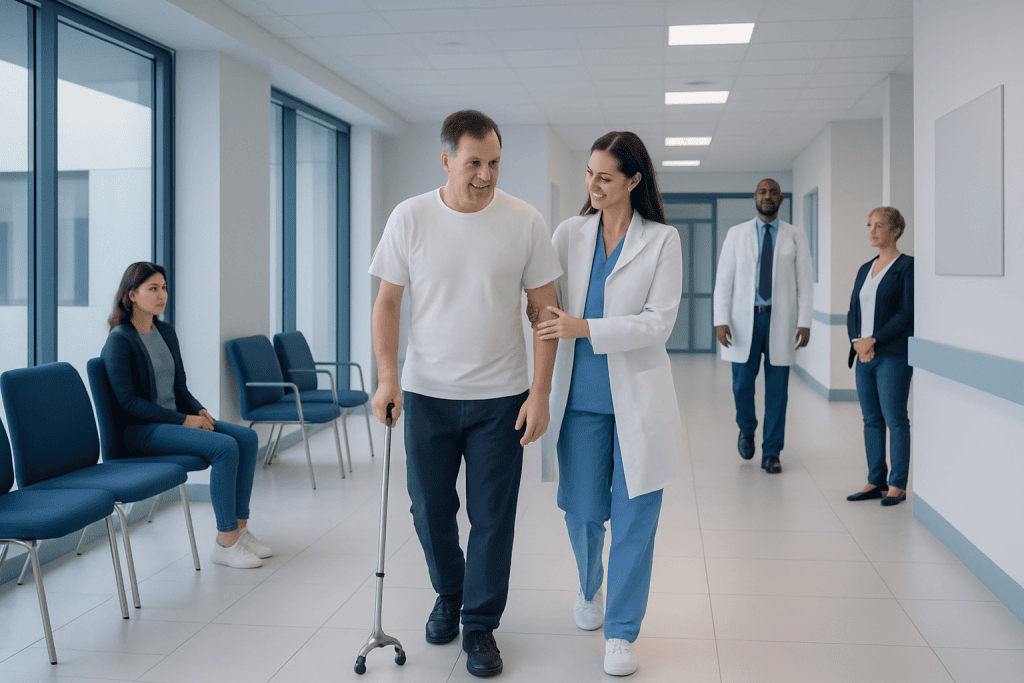
Hemiplegia means paralysis of one side of the body and is different from weakness alone. Stroke is a common cause, but brain injury, tumors, infections, and some childhood conditions can also lead to hemiplegia.
Key Takeaways
- Hemiplegia means paralysis of one side of the body and is different from weakness alone.
- Stroke is a common cause, but brain injury, tumors, infections, and some childhood conditions can also lead to hemiplegia.
- Early medical evaluation is important because sudden hemiplegia can signal a medical emergency.
- Diagnosis usually involves a neurological exam and brain imaging such as CT or MRI.
- Rehabilitation with physical, occupational, and speech therapy can improve mobility, daily function, and quality of life.
Hemiplegia is paralysis affecting one side of the body, most often after damage to the brain from stroke, trauma, infection, or other neurological conditions. Treatment focuses on the underlying cause, preventing complications, and helping the person regain as much movement, function, and independence as possible through rehabilitation.
What hemiplegia means
Hemiplegia is paralysis on one side of the body. It can affect the face, arm, and leg on the same side, and it happens when the brain or, less commonly, the spinal cord is damaged in a way that interrupts movement signals. In everyday terms, a person with hemiplegia may be unable to move one arm or leg normally, may have facial drooping, and may need help with walking, dressing, or eating.
It is helpful to distinguish hemiplegia from hemiparesis. Hemiparesis means weakness on one side of the body, while hemiplegia means more complete loss of voluntary movement. Some people move from severe weakness to hemiplegia, or improve from hemiplegia to hemiparesis over time as the brain heals and rehabilitation progresses.
Hemiplegia itself is not a disease. It is a sign of damage affecting the nervous system. Because the causes and recovery patterns vary, care is usually individualized and may involve neurologists, rehabilitation specialists, physiotherapists, occupational therapists, speech therapists, and other clinicians.
How hemiplegia affects the body and daily life
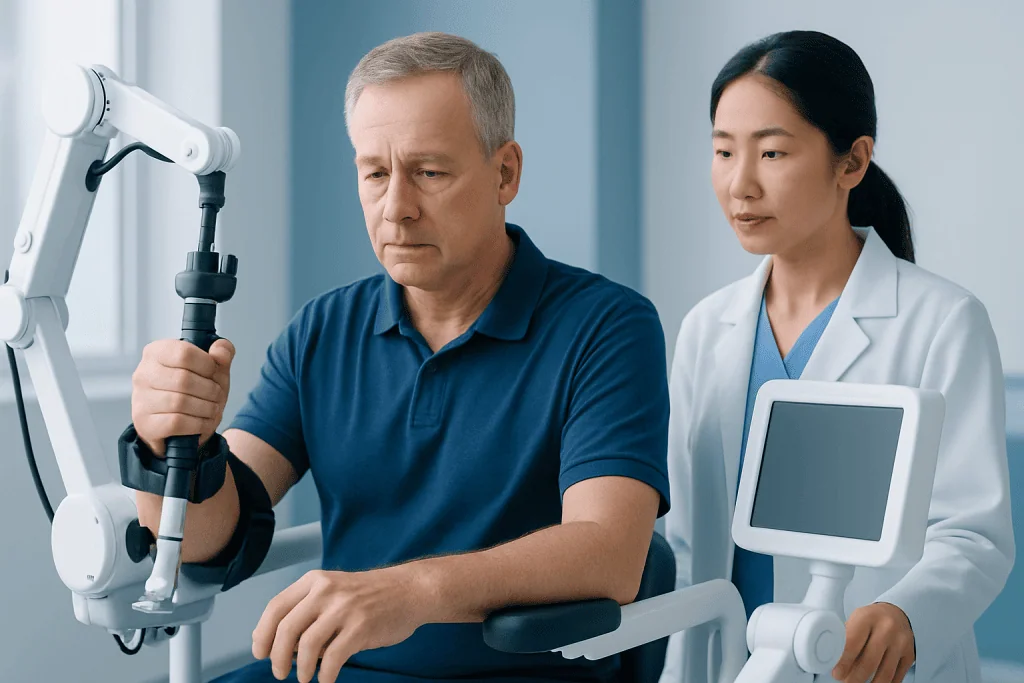
Hemiplegia does more than limit movement. It can change muscle tone, coordination, balance, sensation, and posture. Some people develop stiffness or spasticity, while others feel their affected side is floppy or hard to control at first. Fine motor tasks such as writing, buttoning clothes, using utensils, or holding a phone may become difficult.
The effects may also extend beyond the limbs. If facial muscles are involved, speech and swallowing can be affected. If the brain injury also damages areas responsible for sensation, vision, or attention, the person may bump into objects, ignore one side of the body, or have trouble judging space and distance.
Daily activities often need to be relearned. A person may need support with bathing, toileting, transferring from bed to chair, climbing stairs, or returning to work and hobbies. A structured rehabilitation plan can help rebuild skills, teach compensatory strategies, and reduce the risk of complications such as joint stiffness, falls, and pressure injuries.
Symptoms and associated signs

The main symptom of hemiplegia is inability to move one side of the body normally. The weakness or paralysis may come on suddenly, as in a stroke, or develop more gradually, depending on the cause. The affected side is usually opposite the area of brain injury, so a problem in the left side of the brain often affects the right side of the body.
Other signs may occur at the same time, including:
- Facial drooping on one side
- Difficulty walking or standing
- Loss of balance or coordination
- Muscle stiffness, spasms, or floppiness
- Numbness or altered sensation
- Speech or language problems
- Difficulty swallowing
- Vision changes, such as loss of part of the visual field
- Problems with attention, memory, or awareness of one side
Symptoms can vary with age and cause. In children, hemiplegia may first be noticed as delayed milestones, unusual hand preference, toe walking on one side, or asymmetrical crawling. In adults, it often appears more abruptly and may be accompanied by a severe headache, confusion, or other neurological symptoms that need urgent attention.
Causes and risk factors
Hemiplegia most commonly results from damage to parts of the brain that control movement. A major cause is stroke, including both ischemic stroke, caused by a blocked blood vessel, and hemorrhagic stroke, caused by bleeding in the brain. Other causes include traumatic brain injury, brain tumors, brain infections, multiple sclerosis, and complications from brain surgery.
In babies and children, hemiplegia may be linked to cerebral palsy, perinatal stroke, congenital brain differences, infections, or head injury. Some children have episodes of temporary weakness associated with migraine or seizures, but persistent hemiplegia usually requires a careful neurological workup to identify the reason.
Risk factors depend on the cause. For stroke-related hemiplegia, important risk factors include high blood pressure, diabetes, high cholesterol, smoking, heart disease, obesity, and lack of physical activity. For traumatic causes, falls, sports injuries, and traffic accidents may play a role. Knowing the underlying cause matters because treatment and prevention are directed at the specific condition, not only the paralysis itself.
Sometimes hemiplegia appears together with conditions such as brain tumor or after a serious infection affecting the nervous system. In these situations, doctors focus on both controlling the disease and protecting function through rehabilitation and supportive care.
How doctors diagnose hemiplegia
Diagnosis begins with a detailed history and neurological examination. Doctors ask when symptoms started, whether they came on suddenly or gradually, and what other changes happened at the same time, such as speech difficulty, headache, seizures, fever, or injury. During the exam, they assess strength, muscle tone, reflexes, sensation, coordination, eye movements, swallowing, and cognition.
Imaging is usually essential because it helps identify the location and cause of the nervous system injury. In urgent settings, brain CT may be used first to quickly look for bleeding or major structural problems. MRI can provide more detailed information about stroke, inflammation, tumors, or other brain changes. Depending on the case, doctors may also order blood tests, vascular imaging, heart tests, or electroencephalography if seizures are suspected.
When hemiplegia follows a possible stroke, rapid evaluation is especially important because certain treatments must be given within a limited time window. If another cause is suspected, diagnosis may involve several specialties, including neurology, neurosurgery, pediatrics, rehabilitation medicine, and speech or swallowing assessment.
In some centers, advanced testing is coordinated through services such as MRI imaging and comprehensive neurological evaluation, which can help clarify the diagnosis and support a personalized treatment plan.
Treatment and rehabilitation options
Treatment for hemiplegia has two goals: address the cause and improve function. If hemiplegia is due to stroke, early stroke treatment may include medicines or procedures to restore blood flow or manage bleeding, followed by prevention of another event. If a tumor, infection, or structural brain problem is responsible, treatment may involve medications, surgery, or other condition-specific therapies.
Rehabilitation is a central part of care. Physical therapy helps improve strength, balance, transfers, and walking. Occupational therapy focuses on daily activities such as dressing, bathing, cooking, and hand use. Speech and language therapy can help with communication and swallowing if these are affected. Depending on the person’s needs, care may also include splints, braces, mobility aids, spasticity management, and home adaptations.
Common rehabilitation approaches may include task-specific exercises, gait training, stretching, balance work, and repetitive practice of everyday movements. Recovery often continues over months, and progress may be uneven. Some people regain substantial function, while others need longer-term support. Emotional health is also important, since anxiety, frustration, and depression can affect recovery and should be recognized and treated.
In selected cases, doctors may recommend interventions provided through physical therapy and rehabilitation or, when the underlying cause requires it, specialist care such as neurosurgery. Acibadem International’s multidisciplinary specialists and JCI-accredited hospitals diagnose and treat hemiplegia for international patients, with rehabilitation plans tailored to individual needs.
Prevention, self-care, and living with hemiplegia
Not every cause of hemiplegia can be prevented, but many stroke-related cases can be reduced by managing blood pressure, cholesterol, diabetes, and heart disease, avoiding tobacco, limiting alcohol, maintaining a healthy weight, and staying physically active. Using seat belts, helmets, and fall-prevention measures can also lower the risk of injuries that may damage the brain.
For people already living with hemiplegia, self-care focuses on safety, comfort, and preserving function. This may include regular movement and stretching, skin care, good positioning in bed or a chair, and guidance on safe transfers. Families and caregivers often play a key role in helping with exercises and adapting the home to reduce falls and make daily tasks easier.
It is also important to watch for complications such as shoulder pain, muscle tightness, constipation, urinary problems, swallowing difficulty, pressure sores, and low mood. Regular follow-up with healthcare professionals can help identify these issues early. Over time, many people benefit from a mix of formal therapy and practical home strategies that support independence and participation in school, work, and social life.
When to seek medical care
Sudden hemiplegia is a medical emergency. Immediate emergency care is needed if one-sided paralysis or severe weakness starts suddenly, especially if it is accompanied by facial drooping, trouble speaking, confusion, a severe headache, loss of vision, or difficulty walking. These can be signs of stroke, and early treatment can be time-sensitive.
A prompt medical visit is also important if weakness develops gradually, if a child shows one-sided motor delay, or if there are repeated falls, seizures, changes in swallowing, or unexplained changes in behavior or coordination. Even when symptoms seem mild, a full evaluation is the safest way to identify the cause and start the right treatment.
People with established hemiplegia should contact a doctor if they develop worsening spasticity, increasing pain, skin breakdown, shortness of breath, fever, choking during meals, or a sudden decline in mobility. These problems may signal treatable complications and should not be ignored.
Frequently asked questions
Is hemiplegia the same as hemiparesis?
No. Hemiparesis means weakness on one side of the body, while hemiplegia means paralysis or near-complete loss of voluntary movement on one side. Some people may improve from hemiplegia to hemiparesis during recovery.
Can hemiplegia get better over time?
It can improve, especially when treatment starts early and rehabilitation is consistent. Recovery depends on the cause, the extent of brain or spinal cord injury, the person’s overall health, and how much therapy they can do. Improvement may continue for months or longer.
What is the most common cause of hemiplegia?
Stroke is one of the most common causes of hemiplegia in adults. However, traumatic brain injury, brain tumors, infections, and neurological disorders can also cause it. In children, cerebral palsy and early-life stroke are important causes.
Does hemiplegia always affect the face, arm, and leg together?
Not always. Some people have paralysis mainly in the arm and leg, while others also have facial weakness. The pattern depends on which part of the brain or nervous system is affected.
How is hemiplegia diagnosed?
Doctors diagnose hemiplegia through a neurological examination and tests to find the cause. Brain imaging such as CT or MRI is often needed, especially if symptoms started suddenly. Additional blood tests or heart and blood vessel studies may also be used.
What therapies help someone with hemiplegia?
Physical therapy, occupational therapy, and speech therapy are commonly used. These therapies help improve movement, balance, daily activities, communication, and swallowing when needed. Some people also benefit from braces, mobility aids, and treatment for muscle stiffness.
References
- World Health Organization
- National Institute of Neurological Disorders and Stroke
- Centers for Disease Control and Prevention
- National Health Service
- American Stroke Association
This article is for general information only and is not a substitute for professional medical advice. Please consult a qualified doctor about your individual situation.
Joint and spine care in Turkey — expert assessment & treatment
JCI-accredited · board-certified surgeons · reply within 24h
Add us as a Preferred Source to see more of our trusted health content across Google Search, AI Overviews and Discover.
Check your numbers in seconds
BMI, calories, due date, blood pressure and 30+ more clinical calculators — free, instant, doctor-reviewed ranges.