Prostatitis: Diagnosis, Outlook, and Modern Treatment Approaches

Prostatitis is not one single illness; it includes acute bacterial, chronic bacterial, chronic pelvic pain syndrome, and asymptomatic inflammatory prostatitis. Symptoms may include pelvic pain, burning urination, frequent urination, fever, or pain with ejaculation.
Key Takeaways
- Prostatitis is not one single illness; it includes acute bacterial, chronic bacterial, chronic pelvic pain syndrome, and asymptomatic inflammatory prostatitis.
- Symptoms may include pelvic pain, burning urination, frequent urination, fever, or pain with ejaculation.
- Diagnosis usually combines a medical history, physical examination, urine testing, and sometimes imaging or specialist evaluation.
- Treatment depends on the cause and may include antibiotics, pain relief, pelvic floor therapy, and lifestyle measures.
- Sudden fever, chills, severe pain, or inability to urinate need prompt medical attention.
Prostatitis is a group of conditions that cause inflammation or pain around the prostate, often leading to urinary symptoms, pelvic discomfort, or pain with ejaculation. The outlook is usually good, but diagnosis matters because treatment differs between bacterial infection, chronic pelvic pain, and sudden severe inflammation.
Overview: what prostatitis is and why diagnosis matters
Prostatitis is inflammation or irritation involving the prostate gland, a small gland below the bladder that helps produce semen. In everyday use, the term often describes a pattern of pelvic pain, urinary symptoms, or discomfort linked to the prostate area. However, prostatitis is not a single disease. It includes several forms, and each can have a different cause, course, and treatment plan.
The main types are acute bacterial prostatitis, chronic bacterial prostatitis, chronic prostatitis/chronic pelvic pain syndrome, and asymptomatic inflammatory prostatitis. Acute bacterial prostatitis usually starts suddenly and can make a person feel clearly unwell. Chronic bacterial prostatitis tends to involve repeated urinary infections or recurring symptoms. Chronic pelvic pain syndrome is the most common form and may occur even when no infection is found.
This distinction matters because the right treatment depends on the likely cause. Antibiotics may be important for bacterial prostatitis but are not the main solution for every patient with long-term pelvic pain. A careful evaluation can also help separate prostatitis from other conditions such as benign prostatic hyperplasia or other urinary tract problems.
Symptoms and how prostatitis may feel
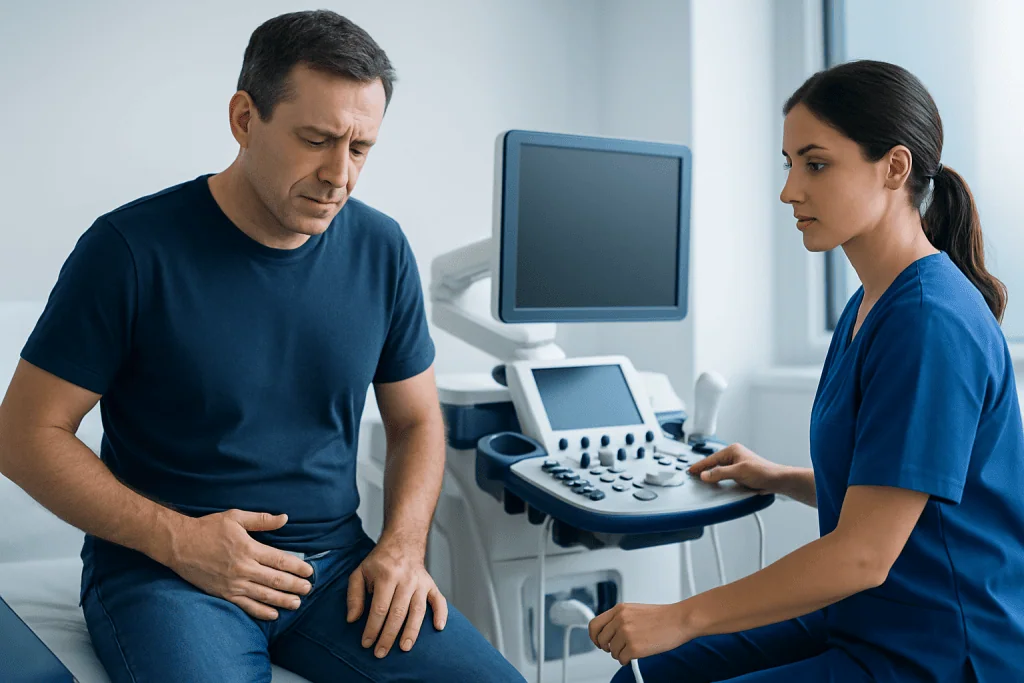
Prostatitis symptoms vary widely. Some people notice mainly urinary problems, while others are more troubled by pelvic pain or discomfort during ejaculation. Symptoms may develop suddenly over hours to days, or they may come and go over weeks or months.
Common symptoms can include burning or pain with urination, needing to urinate often, urgency, difficulty starting urination, a weak urine stream, or a feeling of incomplete bladder emptying. Pain may be felt in the lower abdomen, groin, penis, testicles, perineum, lower back, or around the rectum. Some people also report painful ejaculation or discomfort after sexual activity.
In acute bacterial prostatitis, fever, chills, body aches, fatigue, and marked illness can occur alongside urinary symptoms. Chronic forms are less likely to cause high fever, but they can affect daily life through recurring pain, poor sleep, stress, and reduced quality of life. In some cases, inflammation is found incidentally on tests even though there are no symptoms at all.
- Burning urination or urinary frequency
- Pelvic, perineal, genital, or lower back pain
- Pain with ejaculation
- Fever and chills in acute infection
- Recurrent urinary tract infections in chronic bacterial cases
Types, causes, and risk factors
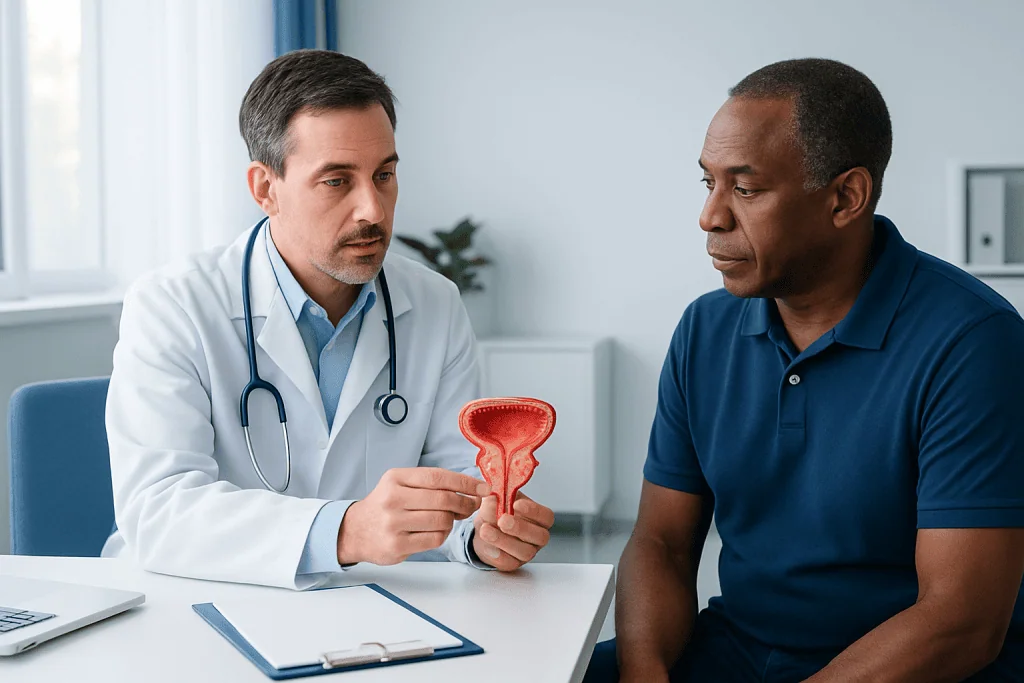
Doctors usually classify prostatitis into four categories. Acute bacterial prostatitis is caused by a bacterial infection and often needs prompt treatment. Chronic bacterial prostatitis is also due to bacteria, but symptoms are longer lasting or recurrent. Chronic prostatitis/chronic pelvic pain syndrome is the most common type and is more complex; it may involve pelvic floor muscle tension, nerve sensitivity, past infection, inflammation, stress, or other factors. Asymptomatic inflammatory prostatitis causes no noticeable symptoms but may be found during testing for another reason.
Bacteria may reach the prostate through the urinary tract, reflux of infected urine, or less often through the bloodstream. Risk factors for bacterial prostatitis can include recent urinary tract infection, a urinary catheter, instrumentation of the urinary tract, dehydration, bladder outlet obstruction, or problems emptying the bladder. Some men with urinary tract infection may develop symptoms that point toward prostate involvement.
For chronic pelvic pain syndrome, risk factors are less clear and often overlap. Pelvic floor dysfunction, stress, anxiety, prior infection, prolonged sitting, and pain sensitization may all contribute. Importantly, prostatitis is not always related to sexually transmitted infections, and having prostatitis does not automatically mean a person has prostate cancer. A specialist assessment helps clarify the likely cause and avoid unnecessary worry.
How prostatitis is diagnosed
Diagnosis begins with a detailed medical history and physical examination. A doctor will ask about the pattern of pain, urinary symptoms, fever, prior infections, sexual history where relevant, recent procedures, and any medicines being taken. A physical examination may include a digital rectal exam to assess the prostate, although in suspected acute bacterial prostatitis the exam is usually done gently because the gland can be very tender.
Urine testing is a central part of evaluation. A urine dipstick, urinalysis, and urine culture can help detect infection and identify the bacteria when present. Blood tests may be used if a person appears systemically unwell. Depending on the situation, doctors may also consider tests for sexually transmitted infections, semen analysis in selected cases, or a post-prostate-massage urine sample in chronic cases, though this is not always necessary.
If symptoms are severe, recurrent, or not improving, further evaluation may be needed. This can include ultrasound, bladder scanning to see whether urine is being retained, or other urology evaluation to rule out structural problems. Sometimes the doctor’s goal is not only to confirm prostatitis but also to exclude mimics such as stones, bladder disorders, or prostate cancer when the clinical picture suggests a different diagnosis.
Prostate-specific antigen, or PSA, may rise temporarily during inflammation or infection, so it is not usually interpreted in isolation during an active episode. If PSA testing is needed, doctors often wait until acute inflammation has settled. This helps reduce confusion and unnecessary follow-up.
Modern treatment approaches
Treatment depends on the type of prostatitis and how severe the symptoms are. Acute bacterial prostatitis is commonly treated with antibiotics, fluids, rest, and pain relief. If the person cannot pass urine, has severe symptoms, or appears very unwell, hospital care may be needed for intravenous medicines and monitoring. The goal is to control infection promptly and prevent complications.
Chronic bacterial prostatitis may also require antibiotics, sometimes for a longer course than acute infection because the prostate can be difficult for medications to penetrate. In addition, doctors may use medicines to improve urine flow or reduce bladder outlet symptoms, as well as anti-inflammatory pain relief when appropriate. Follow-up matters because recurrent infection may signal an underlying urinary tract issue that needs targeted management.
For chronic prostatitis/chronic pelvic pain syndrome, modern care is often multimodal rather than relying on one treatment alone. Depending on symptoms, a plan may include pain management, relaxation of pelvic floor muscles, bladder symptom treatment, stress reduction strategies, and selected medications. Many patients benefit from pelvic floor therapy and rehabilitation when muscle tension and trigger points are part of the problem.
Further treatment choices may be guided by imaging or specialist findings, especially if there is concern about obstruction, stones, or incomplete bladder emptying. In selected cases, doctors may recommend prostate MRI or other focused tests to refine the diagnosis. The overall outlook is often favorable, although chronic pelvic pain symptoms can fluctuate and may take time to improve with consistent, individualized care.
Self-care, recovery, and outlook
Self-care does not replace medical treatment, but it can make symptoms easier to manage. Many people feel better when they stay well hydrated, avoid delaying urination, and reduce triggers that seem to worsen symptoms. For some, common triggers include alcohol, excess caffeine, spicy foods, cycling pressure, or long periods of sitting. Warm baths or a heating pad may help ease pelvic discomfort.
Recovery depends on the type of prostatitis. Acute bacterial prostatitis often improves well with timely treatment, although full recovery may take time. Chronic bacterial prostatitis can recur, so follow-up is important if symptoms return. Chronic pelvic pain syndrome may follow an up-and-down pattern, but many people improve when treatment addresses pain, urinary symptoms, pelvic floor tension, and quality-of-life factors together.
Emotional wellbeing is also part of recovery. Persistent pain can increase stress, and stress can increase muscle tension and symptom awareness. Gentle physical activity, sleep support, and a structured plan with a urologist or pelvic health team can be helpful. Near the end of evaluation or treatment planning, some international patients may seek care at Acibadem International, where multidisciplinary specialists in JCI-accredited hospitals diagnose and treat prostate and urinary conditions.
When to seek medical care
Medical assessment is important for new urinary symptoms with pelvic pain, especially if symptoms are getting worse or not improving. Prompt care is particularly important if there is fever, chills, nausea, vomiting, or severe pain because these can suggest acute bacterial prostatitis or another urgent urinary problem. A person who cannot urinate should seek urgent medical help.
It is also sensible to arrange a doctor’s visit if symptoms keep returning, if there is blood in the urine or semen, or if pain with ejaculation is persistent. Recurrent symptoms do not always mean serious disease, but they deserve evaluation so the cause can be identified and treated appropriately. Specialist review may include urology care when symptoms are complex, recurring, or affecting quality of life.
People with diabetes, weakened immunity, urinary catheters, or a recent urinary procedure should have a lower threshold for seeking care. Early diagnosis can reduce discomfort, guide the right treatment, and help rule out other conditions that can mimic prostatitis.
Frequently asked questions
Is prostatitis the same as an enlarged prostate?
No. Prostatitis refers to inflammation or pain related to the prostate, while an enlarged prostate usually means benign prostatic hyperplasia, or BPH. The two can share urinary symptoms, which is why medical evaluation is useful.
Can prostatitis go away on its own?
Some mild symptoms may settle, especially if they are related to temporary irritation. However, bacterial prostatitis usually needs medical treatment, and persistent or recurring symptoms should be assessed by a doctor. Self-diagnosis can delay the right care.
Does prostatitis mean cancer?
No, prostatitis does not mean prostate cancer. Inflammation can cause pain and urinary symptoms, and it can also temporarily affect some test results such as PSA. If there is any concern, a doctor can decide whether further testing is needed.
Is prostatitis contagious or sexually transmitted?
Prostatitis itself is not generally considered contagious. Some infections that cause urinary or genital symptoms can be sexually transmitted, but many cases of prostatitis are not due to an STI. Testing depends on the person’s symptoms and risk factors.
How long does prostatitis last?
The timeline varies by type. Acute bacterial prostatitis often improves over days to weeks with treatment, while chronic forms can last longer and may flare up intermittently. A tailored treatment plan can improve symptom control and long-term outlook.
What kind of doctor treats prostatitis?
A primary care doctor can often start the initial evaluation, especially for new urinary symptoms or suspected infection. A urologist is the specialist most often involved when symptoms are severe, recurrent, or difficult to diagnose. Pelvic floor physical therapists may also help in chronic pelvic pain cases.
References
- National Institute of Diabetes and Digestive and Kidney Diseases
- American Urological Association
- European Association of Urology
- Mayo Clinic
- National Health Service
This article is for general information only and is not a substitute for professional medical advice. Please consult a qualified doctor about your individual situation.
Prostatitis in Turkey — costs, top hospitals & a free quote
JCI-accredited · board-certified surgeons · reply within 24h
Add us as a Preferred Source to see more of our trusted health content across Google Search, AI Overviews and Discover.