Foot Reflexology: An Evidence-Based Guide for Patients
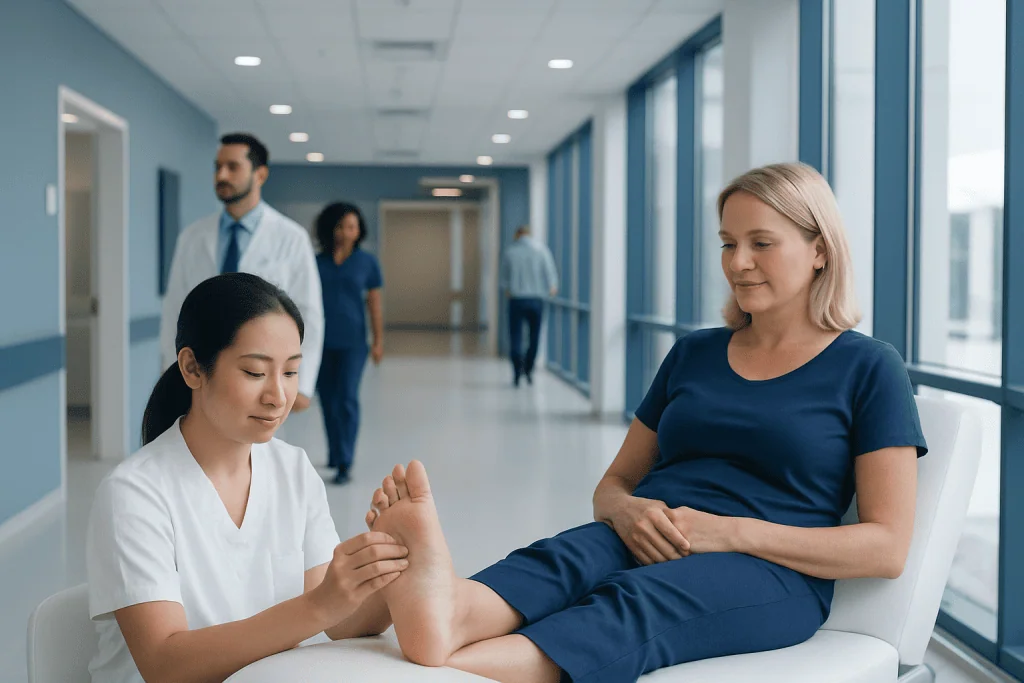
Foot reflexology is different from standard foot massage because it uses structured pressure techniques on specific areas of the feet. Current evidence supports foot reflexology mainly for relaxation, stress relief, and short-term well-being rather than for curing disease.
Key Takeaways
- Foot reflexology is different from standard foot massage because it uses structured pressure techniques on specific areas of the feet.
- Current evidence supports foot reflexology mainly for relaxation, stress relief, and short-term well-being rather than for curing disease.
- It is generally considered low risk when performed gently, but it is not suitable for everyone.
- Persistent pain, numbness, swelling, wounds, or circulation problems need medical assessment rather than self-treatment alone.
- Foot reflexology is best used as a complementary approach alongside professional medical care when needed.
Foot reflexology is a complementary therapy that applies pressure to specific areas of the feet with the aim of promoting relaxation and comfort. It may help some people feel less stressed or more at ease, but it should not replace medical diagnosis or treatment for any health condition.
What foot reflexology is
Foot reflexology is a complementary therapy in which a trained practitioner applies pressure to particular areas of the feet using the fingers, thumbs, and hands. The practice is based on reflexology maps that link parts of the foot to different organs and body systems. In modern healthcare, it is most accurately described as a comfort-focused technique that some people use to support relaxation, stress management, and a sense of well-being.
The most important point for patients is that foot reflexology is not the same as a medical treatment. While some people report benefits such as feeling calmer, sleeping better, or noticing temporary relief from tension, scientific evidence does not show that reflexology can diagnose illness, clear toxins, or cure diseases. It is better understood as a supportive therapy that may improve comfort in some situations.
Foot reflexology also differs from a general foot massage. A regular massage usually focuses on muscles and soft tissues to reduce tension and soreness. Reflexology follows a more structured method, with attention to defined pressure points and sequences. Even so, both approaches may feel soothing, and part of the benefit may come from touch, rest, and reduced stress rather than from a specific effect on internal organs.
What the evidence says
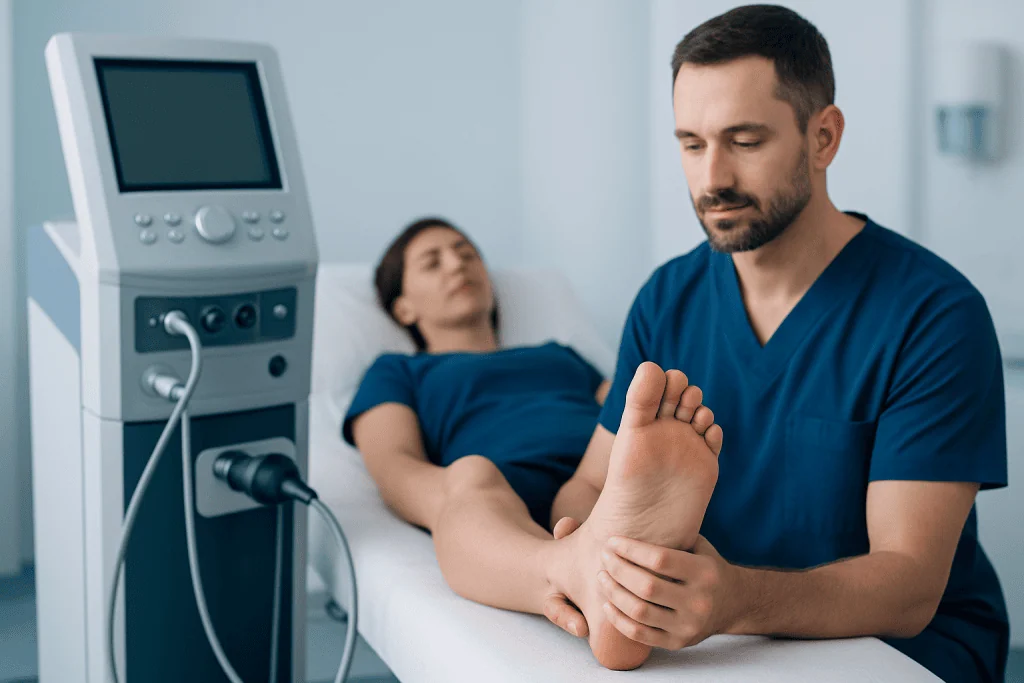
Research on foot reflexology has produced mixed results. Some studies suggest it may modestly improve relaxation, anxiety, perceived pain, or quality of life in certain groups, such as people recovering from illness or living with chronic symptoms. However, many studies are small, vary in quality, or use different techniques, making firm conclusions difficult.
At present, the most balanced interpretation is that foot reflexology may help some people feel better in the short term, especially when stress, tension, or discomfort are part of the problem. This does not mean it treats the underlying cause of a medical condition. For example, if a person has nerve pain, circulation problems, arthritis, or a foot injury, the symptoms may require proper diagnosis and targeted care.
It is also important to recognize the placebo effect and the therapeutic value of attention, environment, and human contact. These factors are real parts of many complementary therapies and can still be meaningful to patients. But they should not be confused with proof that reflexology changes disease processes inside the body.
For patients considering reflexology, the safest evidence-based view is that it may be a helpful wellness practice for relaxation and comfort, while standard medical care remains essential for diagnosis, treatment, and prevention of complications.
Possible benefits and realistic expectations
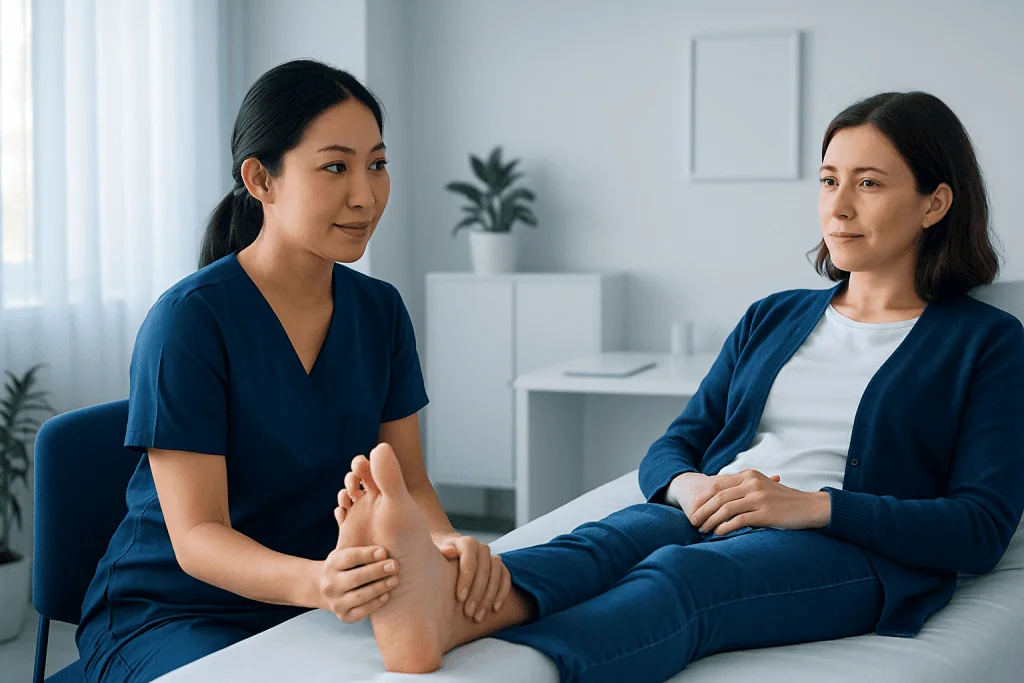
People commonly seek foot reflexology to reduce stress, feel more relaxed, and support general well-being. Some also use it alongside conventional care when they are coping with fatigue, mild aches, tension headaches, or the emotional strain of ongoing treatment. A reflexology session may create a quiet period of rest, which can itself be valuable in a busy or stressful routine.
Potential benefits that some patients describe include:
- A sense of relaxation during and after the session
- Temporary reduction in stress or anxiety
- Improved sense of comfort and body awareness
- Short-term relief of general foot tension
- Better overall wellness when combined with healthy habits
Expectations should remain realistic. Reflexology should not be expected to shrink tumors, correct hormonal disorders, open blocked arteries, treat infections, or reverse nerve damage. If symptoms suggest a medical problem, such as persistent heel pain, burning feet, weakness, or swelling, it is more useful to seek an assessment for causes such as peripheral neuropathy or circulation-related conditions.
Patients often get the most value from reflexology when they see it as one part of a wider self-care plan that includes sleep, exercise, medical follow-up, and treatment of any underlying condition.
Safety, side effects, and who should be cautious
Foot reflexology is generally low risk for many healthy adults when performed gently and by someone with appropriate training. Mild tenderness, temporary soreness, or a feeling of fatigue after a session can occur. These effects usually pass on their own. Good hygiene and careful pressure are especially important when the skin is fragile or the feet are sensitive.
However, reflexology is not appropriate in every situation. Pressure on the feet may aggravate pain or delay proper care if there is an untreated injury or medical problem. Caution is particularly important for people who have severe osteoporosis, open wounds, skin infections, recent foot or ankle surgery, blood clotting disorders, severe swelling, or significant circulation problems.
Patients with diabetes should be especially careful because reduced sensation, poor healing, or unnoticed skin injury can increase the risk of complications. Anyone with numbness, tingling, burning pain, or changes in balance should ask a doctor whether symptoms could be related to nerve or vascular disease before booking repeated sessions. In some cases, a medical evaluation and tests may be more important than bodywork.
Pregnant patients, people taking blood thinners, and those with a history of deep vein thrombosis should also ask a healthcare professional before starting reflexology. A reputable practitioner should be willing to adapt pressure, avoid painful areas, and advise patients to seek medical review if concerning symptoms are present.
How a session works and how to choose a practitioner
A foot reflexology session usually begins with a brief discussion of symptoms, general health, and comfort preferences. The patient typically sits or lies down while the practitioner applies hand pressure to different parts of the feet in a set pattern. Oils or lotions may or may not be used. The session should feel comfortable, not forceful, and the patient should be able to ask for lighter pressure at any time.
Because training standards vary between countries and settings, choosing a practitioner carefully matters. Patients can ask about formal training, experience, hygiene practices, and whether the practitioner understands when to refer someone for medical care. Claims that reflexology can diagnose hidden disease or replace prescribed treatment are warning signs.
It can also help to discuss current medical issues in advance. For example, someone with chronic heel pain might first need an orthopedic or rehabilitation assessment rather than symptom-focused massage. Where appropriate, evidence-based care such as physical therapy and rehabilitation may address strength, mobility, gait, and pain more directly than reflexology alone.
Patients with persistent foot deformity, joint pain, or difficulty walking may also benefit from specialist evaluation, including orthopedic care, before relying on complementary therapies. Reflexology can still play a supportive role for comfort, but it works best when integrated with the right diagnosis.
Foot reflexology as part of broader self-care
For people who enjoy foot reflexology, it may fit well into a broader self-care routine. The strongest foundation for foot and overall health still comes from practical habits: wearing well-fitting shoes, staying physically active, maintaining a healthy weight, managing stress, and keeping regular medical appointments for ongoing conditions.
Home foot care can also reduce discomfort. Gentle stretching, rest after overuse, hydration, and avoiding prolonged pressure on painful areas may help. Daily inspection of the feet is especially important for people with diabetes, poor circulation, or reduced sensation. Early attention to blisters, cuts, redness, or swelling can prevent more serious problems.
If symptoms are related to known conditions such as arthritis, nerve compression, or overuse injury, treatment should focus on the cause. In some cases, patients may need imaging, medication review, footwear advice, or rehabilitation. Someone with back-related nerve symptoms, for example, might need assessment for sciatica rather than repeated foot pressure sessions.
When needed, a multidisciplinary team can guide both diagnosis and supportive care. Acibadem International’s multidisciplinary specialists in JCI-accredited hospitals evaluate foot pain, nerve symptoms, and mobility problems for international patients and can combine conventional treatment with patient-centered supportive care where appropriate.
When to seek medical care
Foot reflexology should not delay medical assessment when symptoms are persistent, worsening, or unexplained. Foot pain can come from joints, tendons, nerves, blood vessels, skin, or referred pain from the back. Because these causes are different, self-treatment alone may not be enough.
Patients should seek medical care if they have:
- Severe or ongoing foot pain
- Numbness, burning, tingling, or weakness
- Swelling, redness, warmth, or fever
- Open sores, skin infection, or wounds that do not heal
- Sudden color change, coldness, or reduced pulses in the foot
- Difficulty walking or pain after an injury
People with diabetes, peripheral artery disease, immune suppression, or a history of blood clots should be particularly cautious. In these cases, new foot symptoms deserve prompt assessment. If there is concern about poor blood flow, infection, fracture, or nerve damage, urgent medical care may be needed.
When symptoms continue despite rest and basic home measures, formal evaluation can identify the cause and guide treatment. Depending on the findings, this may include imaging, neurological assessment, or referral for neurology care or other specialist services.
Frequently asked questions
Does foot reflexology really work?
Foot reflexology may help some people feel more relaxed and less stressed, and some patients report temporary improvement in comfort. However, evidence that it treats or cures medical conditions is limited. It is best viewed as a complementary therapy rather than a replacement for medical care.
What is the difference between foot reflexology and a foot massage?
A foot massage usually focuses on muscles and soft tissues to ease tension and soreness. Foot reflexology uses a structured pattern of pressure on specific areas of the feet based on reflexology maps. In practice, both may feel soothing, but reflexology makes broader claims that are not strongly supported by medical evidence.
Is foot reflexology safe for everyone?
No. Although it is generally low risk for many healthy adults, some people need caution or should avoid it. This includes people with open wounds, skin infections, recent surgery, severe circulation problems, blood clot risk, or reduced foot sensation, such as some patients with diabetes.
Can foot reflexology treat nerve pain or neuropathy?
Reflexology may provide temporary comfort for some people, but it does not treat the underlying cause of neuropathy or nerve pain. Symptoms such as numbness, burning, tingling, or weakness need medical evaluation. Treating the cause is more important than relying on pressure techniques alone.
How often should someone have foot reflexology?
There is no medically established schedule that works for everyone. Frequency depends on personal preference, comfort, cost, and whether a doctor has advised any precautions. If symptoms are persistent enough to need frequent sessions, it is wise to seek medical assessment.
When should someone stop reflexology and see a doctor?
A doctor should be consulted if symptoms are severe, keep returning, or are associated with swelling, wounds, numbness, fever, or difficulty walking. Reflexology should also be stopped if it causes pain, skin irritation, or worsening symptoms. Prompt medical review is especially important for people with diabetes or circulation problems.
References
- World Health Organization
- National Center for Complementary and Integrative Health
- National Institute for Health and Care Excellence
- American Diabetes Association
- Mayo Clinic
This article is for general information only and is not a substitute for professional medical advice. Please consult a qualified doctor about your individual situation.
Explore treatments in Turkey — costs, top hospitals & a free quote
JCI-accredited · board-certified surgeons · reply within 24h
Add us as a Preferred Source to see more of our trusted health content across Google Search, AI Overviews and Discover.