Lung Cancer: Diagnosis, Outlook, and Modern Treatment Approaches
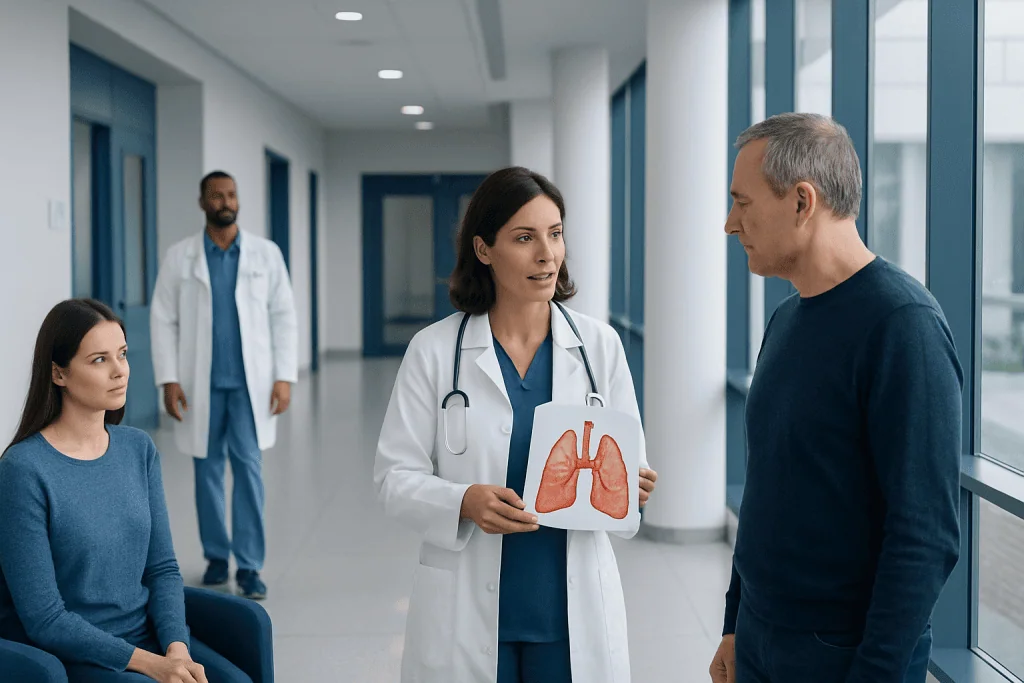
Lung cancer is not one single disease; treatment planning depends on the exact type and stage. Common warning signs include a persistent cough, coughing up blood, chest pain, unexplained weight loss, and shortness of breath.
Key Takeaways
- Lung cancer is not one single disease; treatment planning depends on the exact type and stage.
- Common warning signs include a persistent cough, coughing up blood, chest pain, unexplained weight loss, and shortness of breath.
- Modern care may include surgery, radiation therapy, chemotherapy, targeted therapy, immunotherapy, or a combination of these.
- Early diagnosis can expand treatment options, which is why screening is important for some high-risk adults.
- A biopsy and, in many cases, molecular testing are essential to confirm diagnosis and guide treatment choices.
Lung cancer is a disease in which abnormal cells in the lungs grow uncontrollably. Diagnosis usually involves imaging and biopsy, and treatment depends on the cancer type, stage, molecular features, and the person’s overall health.
Overview: what lung cancer is and how it is treated today
Lung cancer develops when cells in the lung begin to grow in an abnormal and uncontrolled way. It can start in the airways, the tiny air sacs, or other lung tissues, and over time it may invade nearby structures or spread to other parts of the body. Although it remains a serious diagnosis, treatment has advanced significantly, and care is now often more personalized than in the past.
Today, lung cancer treatment is planned around several key factors: the exact tumor type, whether it has spread, the results of pathology and molecular testing, and the patient’s overall health and lung function. Depending on these findings, treatment may involve lung cancer treatment with surgery, radiation therapy, chemotherapy, targeted medicines, immunotherapy, or combined approaches.
The two main categories are non-small cell lung cancer and small cell lung cancer. These behave differently and are managed in different ways. A clear diagnosis is the starting point for understanding outlook and choosing the most appropriate treatment plan.
Types, stages, and why they matter
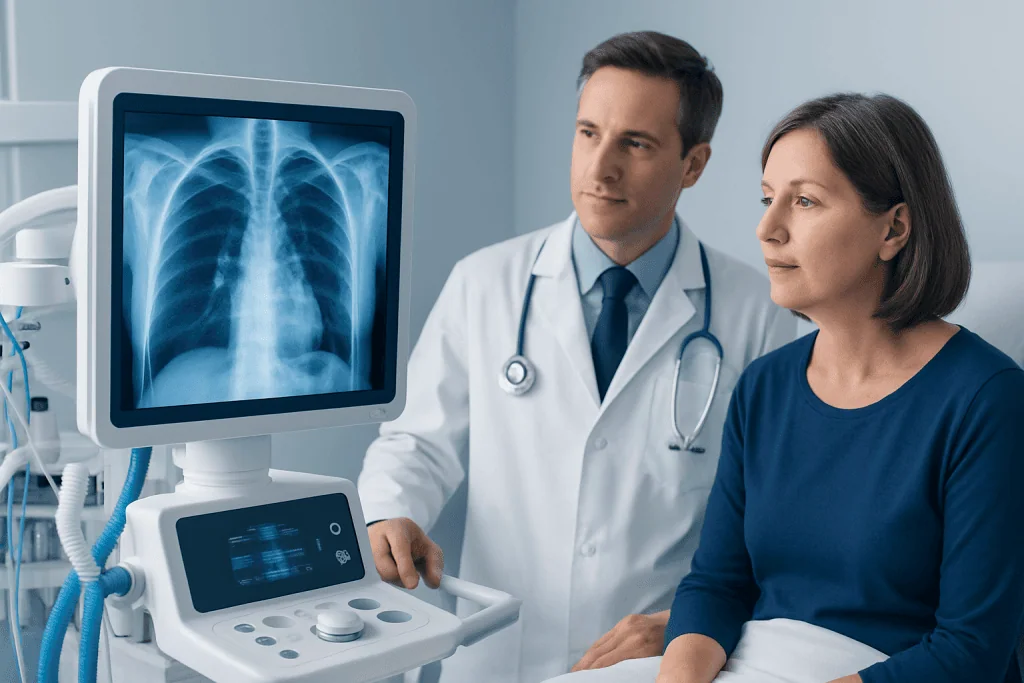
Non-small cell lung cancer, often shortened to NSCLC, is the most common group. It includes subtypes such as adenocarcinoma, squamous cell carcinoma, and large cell carcinoma. Small cell lung cancer, or SCLC, tends to grow and spread more quickly and is often treated with systemic therapy and radiation rather than surgery alone.
Staging describes how far the cancer has spread. A small tumor confined to the lung is managed differently from cancer that involves lymph nodes or distant organs. Doctors may use imaging tests, bronchoscopy, biopsy results, and sometimes surgery to determine the stage accurately.
In many cases, additional laboratory testing is performed on the tumor tissue. This may look for specific gene changes or protein markers that can help predict whether targeted therapy or immunotherapy could be useful. These results can meaningfully change the treatment plan and outlook, especially in some forms of non-small cell lung cancer.
Lung cancer can also be discussed alongside other tumors that spread within the chest or to the lungs. In broader oncology evaluation, doctors sometimes assess whether symptoms or imaging may relate to another condition such as metastatic cancer, because the origin of the tumor affects treatment decisions.
Symptoms and early signs
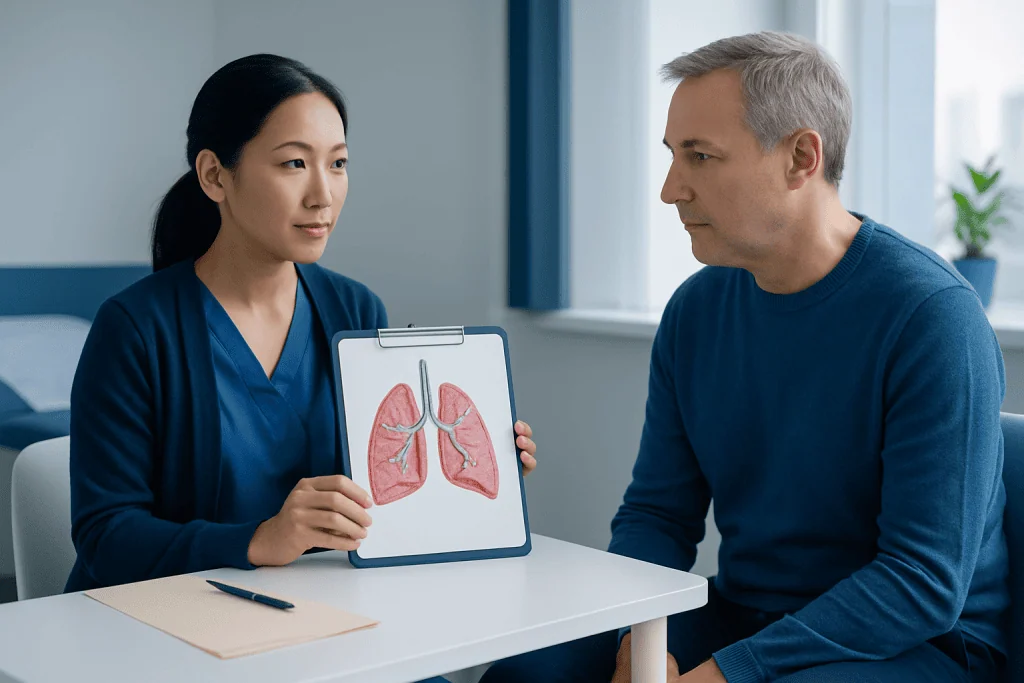
Lung cancer does not always cause symptoms in its earliest stages. When symptoms do develop, they often resemble common respiratory problems, which can delay diagnosis. A cough that does not go away, a change in a long-standing cough, or repeated chest infections may all deserve medical attention.
Other possible symptoms include coughing up blood, chest pain, wheezing, hoarseness, shortness of breath, fatigue, and unexplained weight loss. Some people notice shoulder or back pain, swollen lymph nodes above the collarbone, or reduced exercise tolerance. Symptoms vary based on the tumor’s size, location, and whether it has spread.
If lung cancer spreads beyond the lungs, it may cause headaches, bone pain, neurological symptoms, or jaundice, depending on the area involved. However, these symptoms are not specific to cancer and can also have many other causes. That is why persistent or unusual symptoms should be assessed by a qualified clinician rather than self-diagnosed.
- Persistent cough or a change in a chronic cough
- Coughing up blood
- Chest pain or shortness of breath
- Unexplained weight loss or fatigue
- Recurring chest infections or wheezing
Causes and risk factors
Smoking is the leading risk factor for lung cancer, but it is not the only one. The risk rises with long-term tobacco exposure, including cigarettes, cigars, and secondhand smoke. Importantly, lung cancer can also occur in people who have never smoked.
Other recognized risk factors include exposure to radon gas, asbestos, air pollution, and certain workplace chemicals. A personal history of radiation to the chest, some chronic lung diseases, and a family history of lung cancer may also contribute to risk. Risk reflects a combination of environmental exposures, age, and individual biology.
Not everyone with risk factors develops lung cancer, and not everyone diagnosed has an obvious explanation. For that reason, prevention focuses on reducing avoidable exposures, especially tobacco smoke, while diagnosis depends on proper medical testing rather than assumptions about who is at risk.
How lung cancer is diagnosed
Diagnosis usually begins with a medical history, physical examination, and imaging. A chest X-ray may detect an abnormality, but computed tomography, or CT, gives more detailed information about the size and location of a lung lesion. In some cases, doctors also use PET-CT to look for active disease in lymph nodes or other parts of the body.
A confirmed diagnosis requires a tissue sample. This may be obtained through bronchoscopy, needle biopsy guided by CT or ultrasound, analysis of fluid around the lung, or surgery. Pathologists then examine the tissue under a microscope to determine the cancer type. This tissue-based confirmation is essential because imaging alone cannot reliably identify the exact kind of tumor.
After diagnosis, additional tests may include brain imaging, blood tests, pulmonary function tests, and molecular profiling of the tumor. These help determine the stage, whether surgery is feasible, and whether treatments such as immunotherapy or targeted therapy may be appropriate. Accurate staging and biomarker testing are central parts of modern lung cancer care.
In some complex cases, physicians may coordinate with thoracic surgery, pulmonology, radiology, pathology, and medical oncology to interpret all findings together. This multidisciplinary approach helps ensure that treatment recommendations reflect the full clinical picture.
Modern treatment approaches and what influences outlook
Lung cancer treatment is individualized. For early-stage non-small cell lung cancer, surgery may be recommended when the tumor can be safely removed and the patient has enough lung reserve. Some people receive radiation therapy instead of surgery, and others may receive systemic treatment before or after a local treatment depending on the pathology and stage.
For more advanced disease, treatment often focuses on controlling the cancer, relieving symptoms, and maintaining quality of life. Chemotherapy remains important in many cases, but it is now frequently combined with newer options. Targeted therapy may be used when a tumor has specific gene alterations, while immunotherapy can help the immune system recognize and attack cancer cells.
Radiation therapy can be used with curative intent, as part of combined treatment, or to relieve symptoms such as pain, bleeding, or airway obstruction. Some patients may also benefit from procedures to improve breathing or drain fluid around the lungs. Supportive care, nutrition, rehabilitation, and symptom management are valuable at every stage of treatment.
Outlook depends on many variables, including cancer type, stage at diagnosis, molecular features, response to treatment, and overall health. In general, earlier-stage cancers have more treatment options and a better outlook than cancers found after they have spread. Even so, advances in systemic therapies have improved disease control for many patients with advanced lung cancer.
Prevention, screening, and self-care during treatment
The most effective way to reduce lung cancer risk is to avoid smoking or stop smoking if currently using tobacco. It is also helpful to reduce exposure to secondhand smoke, check homes for radon where appropriate, and follow workplace safety guidance for hazardous dusts or chemicals. These steps cannot remove all risk, but they can lower it.
Screening is different from diagnosis. Some adults at higher risk may benefit from low-dose CT screening even if they do not have symptoms. Screening aims to find lung cancer earlier, when treatment may be more effective. A doctor can advise whether a person’s age and smoking history meet criteria for screening.
Self-care during treatment focuses on preserving strength and comfort. This may include eating regularly, staying active as tolerated, keeping follow-up appointments, managing breathlessness, and reporting side effects early. Emotional support also matters, and many people benefit from counseling, family support, or cancer support services.
In comprehensive cancer centers, treatment planning may include coordination with specialists who also care for related conditions and complications. When appropriate, evaluation of chest findings may overlap with assessment for other thoracic cancers, such as mesothelioma, especially when exposure history or imaging raises concern.
When to seek medical care
Medical care should be sought promptly for a cough that lasts several weeks, coughing up blood, unexplained weight loss, ongoing chest pain, or new shortness of breath. These symptoms do not always mean lung cancer, but they should not be ignored, especially in current or former smokers and older adults.
Urgent care is important for severe breathing difficulty, significant bleeding, confusion, chest pain that is sudden or intense, or rapidly worsening weakness. These symptoms may signal a serious complication and need immediate assessment.
People who have been diagnosed with lung cancer should also contact their care team if they develop fever, uncontrolled pain, dehydration, marked fatigue, or side effects after treatment. Toward the end of the care journey, some patients choose assessment in specialized centers where thoracic surgeons, pulmonologists, radiation oncologists, and medical oncologists work together. Acibadem International’s multidisciplinary specialists and JCI-accredited hospitals provide diagnosis and treatment for international patients when such coordinated care is needed.
Frequently asked questions
What is usually the first sign of lung cancer?
A persistent cough or a change in a long-standing cough is one of the most common early signs. However, some people have no symptoms at first, which is why screening can be important for certain high-risk adults.
Can a person get lung cancer without smoking?
Yes. Although smoking is the strongest risk factor, lung cancer can also occur in people who have never smoked. Other factors may include radon, secondhand smoke, air pollution, workplace exposures, and genetic susceptibility.
How is lung cancer confirmed?
Doctors usually start with imaging such as a CT scan, but a biopsy is needed to confirm the diagnosis. The tissue sample shows the exact cancer type and often allows molecular testing that helps guide treatment.
Is lung cancer curable?
Some cases, especially those found at an early stage, can be treated with the goal of cure. In more advanced stages, treatment may focus on long-term control, symptom relief, and preserving quality of life.
What treatments are available for lung cancer?
Treatment may include surgery, radiation therapy, chemotherapy, targeted therapy, immunotherapy, or combinations of these. The best option depends on the cancer type, stage, biomarker results, and the person’s general health.
Who should ask about lung cancer screening?
People with a significant smoking history and those in certain age groups may qualify for low-dose CT screening. A doctor can review personal risk factors and explain whether screening is appropriate.
References
- World Health Organization
- National Cancer Institute
- American Cancer Society
- National Comprehensive Cancer Network
- American Society of Clinical Oncology
This article is for general information only and is not a substitute for professional medical advice. Please consult a qualified doctor about your individual situation.
Lung Cancer in Turkey — costs, top hospitals & a free quote
JCI-accredited · board-certified surgeons · reply within 24h
Add us as a Preferred Source to see more of our trusted health content across Google Search, AI Overviews and Discover.

Medical Oncology Department
Medical treatment of cancer with chemotherapy, immunotherapy and targeted therapies under a multidisciplinary tumor board.
60 specialists in this unit