Hepatomegaly: An Evidence-Based Guide for Patients
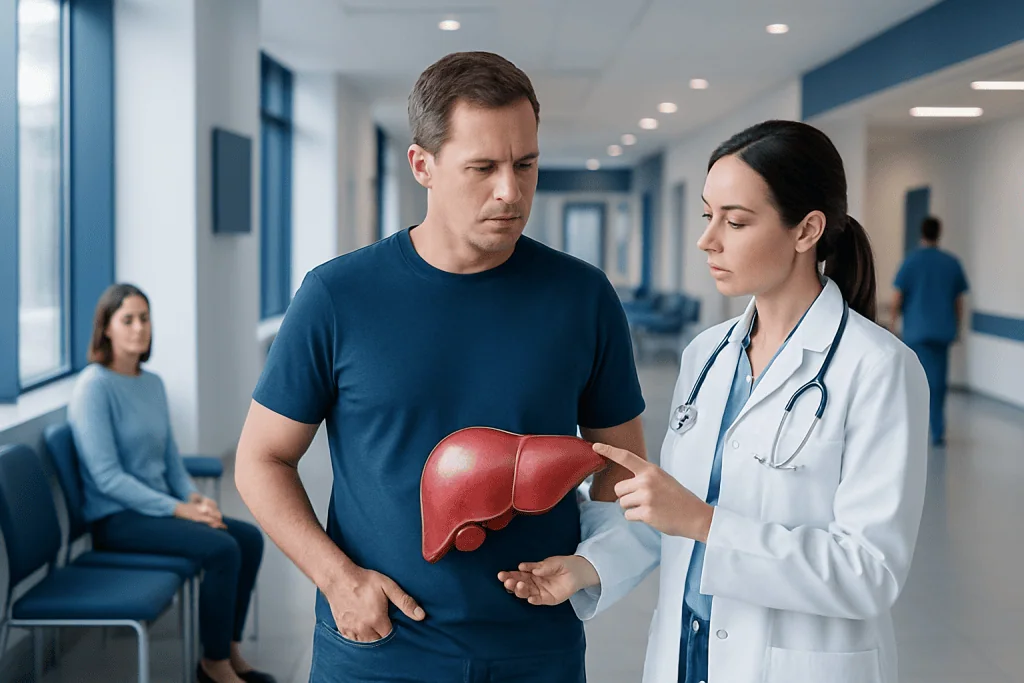
Hepatomegaly is an enlarged liver, not a diagnosis on its own. Some people have no symptoms, while others notice abdominal fullness, fatigue, or jaundice.
Key Takeaways
- Hepatomegaly is an enlarged liver, not a diagnosis on its own.
- Some people have no symptoms, while others notice abdominal fullness, fatigue, or jaundice.
- Common causes include fatty liver disease, alcohol-related liver injury, viral hepatitis, medication effects, and heart failure.
- Diagnosis usually involves a medical history, examination, blood tests, and imaging such as ultrasound.
- Treatment depends on the underlying cause and may include lifestyle changes, medicines, or specialist care.
- Prompt medical review is important if hepatomegaly occurs with severe pain, jaundice, confusion, fever, or swelling.
Hepatomegaly means the liver is larger than normal. It is not a disease itself, but a clinical sign that can happen with fatty liver disease, hepatitis, heart problems, blood disorders, infections, and other conditions, so evaluation focuses on finding and treating the cause.
What hepatomegaly means
Hepatomegaly is the medical term for an enlarged liver. In simple terms, it means the liver has become bigger than expected, usually because it is storing excess fat, inflamed, congested with blood, or affected by another disease process. The key point for patients is that hepatomegaly is a finding, not a final diagnosis.
The liver is a large organ on the right side of the upper abdomen. It helps process nutrients, filter substances from the blood, make proteins, support digestion through bile production, and store energy. Because the liver has many jobs, many different health problems can affect its size.
Sometimes an enlarged liver is first noticed during a physical examination. In other cases, it is found on an ultrasound, CT scan, or MRI performed for abdominal discomfort, abnormal blood tests, or unrelated reasons. Many people feel well at first, which is why the next step is to identify the underlying cause carefully rather than assume all enlarged livers mean the same thing.
Signs and symptoms of an enlarged liver
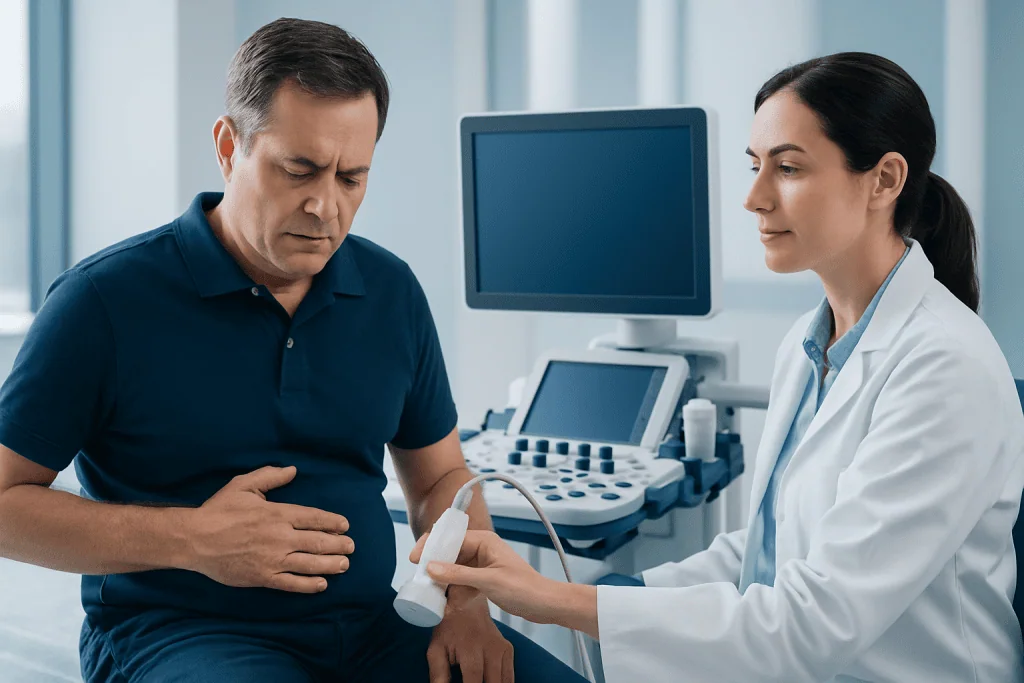
Hepatomegaly may cause no symptoms at all, especially early on. When symptoms do occur, they often come from the cause of liver enlargement rather than the size of the liver alone. A person may notice a feeling of fullness or discomfort in the upper right side of the abdomen, reduced appetite, tiredness, or nausea.
Other symptoms can suggest that liver function is affected. These may include yellowing of the skin or eyes (jaundice), dark urine, pale stools, itching, easy bruising, swelling in the abdomen or legs, or unintentional weight loss. Some people feel generally unwell, while others only learn about the issue after routine blood tests show abnormal liver enzymes.
Symptoms that need prompt attention include severe abdominal pain, fever, confusion, fainting, vomiting blood, black stools, or rapidly worsening swelling. These do not always mean liver failure, but they can signal an urgent complication and should be assessed by a doctor without delay.
Why hepatomegaly happens

There are several broad reasons why the liver may enlarge. A common one is fat buildup in the liver, often linked to overweight, obesity, insulin resistance, type 2 diabetes, high cholesterol, or metabolic syndrome. This is often called fatty liver disease. Alcohol can also damage liver cells and lead to inflammation, fat accumulation, and enlargement.
Inflammation and infection are also important causes. Viral hepatitis, including hepatitis, can make the liver swollen and tender. Less commonly, bacterial or parasitic infections may be involved. Certain medicines, herbal products, and toxins can injure the liver as well, so a full medication and supplement review is part of good assessment.
Not all hepatomegaly starts inside the liver. Heart failure can cause blood to back up into the liver, making it congested and enlarged. Blood disorders, cancers, inherited storage diseases, and bile duct problems can also cause enlargement. In some patients, the liver becomes scarred over time, leading to cirrhosis, which may present with an enlarged or, later, a shrunken liver depending on the stage.
- Fatty liver disease related to metabolism or alcohol
- Viral hepatitis and other infections
- Medication-related or toxin-related liver injury
- Heart failure with liver congestion
- Blood disorders, tumors, or storage diseases
- Bile duct disease and chronic liver scarring
Risk factors and who may be more likely to develop it
Risk factors depend on the cause, but some patterns are common. People with obesity, diabetes, high triglycerides, high blood pressure, or a sedentary lifestyle have a higher chance of developing metabolic fatty liver disease. Regular heavy alcohol use increases the risk of alcohol-related liver injury. A personal or family history of liver disease may also matter.
Exposure risks are also important. These can include viral hepatitis exposure through blood, unsterile needles, certain sexual exposures, or travel-related infections depending on the region. Some prescription medicines, over-the-counter pain relievers when misused, bodybuilding supplements, and unregulated herbal products can harm the liver.
Patients with heart disease, autoimmune conditions, certain cancers, or blood disorders may develop hepatomegaly as part of those illnesses. Pregnancy can also involve liver-related complications in rare cases. Because many causes overlap, doctors usually look at the whole medical picture instead of one risk factor alone.
How doctors diagnose hepatomegaly
Diagnosis starts with a medical history and physical examination. A doctor will ask about symptoms, alcohol use, medications and supplements, viral hepatitis risk, family history, travel, weight changes, and other conditions such as diabetes or heart disease. On examination, the liver may be felt below the rib cage, although body shape and other factors can affect this.
Blood tests often include liver enzymes, bilirubin, albumin, clotting measures, a complete blood count, and tests for viral hepatitis or autoimmune disease when appropriate. These tests help show whether there is inflammation, impaired liver function, or another related condition. They also help guide urgency and next steps.
Imaging is often central to confirming enlargement and looking for the cause. An abdominal ultrasound is commonly the first test because it is simple and does not use radiation. Depending on the situation, doctors may recommend MRI imaging or CT scanning to look more closely at the liver, blood vessels, bile ducts, or nearby organs. In selected cases, a liver biopsy may be advised to clarify inflammation, fat, fibrosis, or unusual disease patterns.
Treatment options and what recovery depends on
Treatment for hepatomegaly depends entirely on the cause. If the liver is enlarged because of fatty liver disease, doctors usually focus on gradual weight loss, nutrition changes, physical activity, and control of diabetes, cholesterol, and blood pressure. If alcohol is contributing, reducing or stopping alcohol is essential and may significantly improve liver health over time.
When infection or inflammation is responsible, treatment may involve antiviral medicines, management of autoimmune disease, or stopping a medication that is injuring the liver. If the enlargement is related to heart failure, treatment focuses on improving heart function and reducing congestion. When a mass, blood disorder, or advanced liver disease is suspected, care may involve gastroenterology, hepatology, cardiology, hematology, oncology, or surgery depending on the findings.
Some patients need specialist procedures or advanced monitoring. If doctors are evaluating liver tissue or planning targeted treatment, they may use interventional radiology techniques in selected cases. In severe, irreversible liver disease, transplant assessment can be considered, and some centers provide comprehensive liver transplant evaluation. Recovery may be complete, partial, or long-term depending on how early the cause is found and whether liver scarring is already present.
Self-care, prevention, and living with liver concerns
Prevention starts with liver-friendly habits. A balanced eating pattern, regular physical activity, maintaining a healthy weight, and careful control of diabetes or cholesterol can lower the risk of fatty liver disease. Alcohol should be limited or avoided according to medical advice, particularly in anyone with known liver problems or abnormal liver tests.
Medication safety matters as well. Patients should avoid taking more than recommended amounts of over-the-counter pain medicines and should discuss supplements or herbal products with a healthcare professional before use. Vaccination against hepatitis A or B may be appropriate for some people, and measures that reduce infection exposure are also helpful.
Living with hepatomegaly usually means follow-up rather than panic. Doctors may monitor symptoms, blood tests, and imaging over time to see whether the liver is improving, stable, or becoming scarred. Near the end of the care pathway, some international patients choose centers such as Acibadem International, where multidisciplinary specialists in JCI-accredited hospitals evaluate and treat liver-related conditions in a coordinated way.
When to seek medical care
A person should arrange medical review if they have persistent upper abdominal discomfort, unexplained fatigue, jaundice, abdominal swelling, leg swelling, nausea that does not improve, or abnormal liver blood tests. It is also sensible to seek advice if they have risk factors such as heavy alcohol use, diabetes, obesity, viral hepatitis exposure, or long-term use of medicines that may affect the liver.
Urgent medical attention is needed for severe abdominal pain, confusion, sleepiness, high fever, repeated vomiting, vomiting blood, black stools, fainting, or rapidly worsening swelling of the abdomen. These symptoms may indicate serious liver or circulation problems and should not be monitored at home without professional guidance.
Because hepatomegaly can reflect conditions ranging from reversible fatty change to significant systemic illness, early assessment is the safest approach. A qualified doctor can decide which tests are necessary and whether specialist referral is needed.
Frequently asked questions
Is hepatomegaly the same as liver disease?
No. Hepatomegaly means the liver is enlarged, but it does not explain why. It can happen in many conditions, from fatty liver and hepatitis to heart failure or blood disorders, so further evaluation is needed.
Can hepatomegaly go away?
Yes, in some cases it can improve or return to normal if the cause is treated early. This is often possible when enlargement is related to fatty liver, alcohol use, congestion from heart problems, or medication effects. Long-standing scarring may be less reversible.
Does an enlarged liver always cause pain?
No. Many people have no pain and may only discover the problem during a scan or blood test. When pain or discomfort occurs, it is usually felt in the upper right side of the abdomen and may reflect liver inflammation or stretching of the liver capsule.
What tests are usually done for hepatomegaly?
Doctors commonly use blood tests and abdominal imaging, especially ultrasound, to confirm enlargement and look for the cause. Depending on the findings, they may also order CT, MRI, viral hepatitis tests, heart evaluation, or sometimes a liver biopsy.
Is hepatomegaly serious?
It can be mild and reversible, or it can point to a more serious underlying illness. The level of concern depends on the cause, liver function, symptoms, and whether there is scarring or complications. That is why medical assessment is important even if symptoms are limited.
What lifestyle changes help if hepatomegaly is linked to fatty liver?
Gradual weight loss, regular exercise, and a balanced diet are often the main steps. Good control of diabetes, cholesterol, and blood pressure is also important. A doctor may also advise avoiding alcohol and reviewing medicines or supplements.
This article is for general information only and is not a substitute for professional medical advice. Please consult a qualified doctor about your individual situation.
Explore treatments in Turkey — costs, top hospitals & a free quote
JCI-accredited · board-certified surgeons · reply within 24h
Add us as a Preferred Source to see more of our trusted health content across Google Search, AI Overviews and Discover.
Check your numbers in seconds
BMI, calories, due date, blood pressure and 30+ more clinical calculators — free, instant, doctor-reviewed ranges.

More from the Health Library
Intense Pulsed Light: Procedure, Recovery and Results

Spironolactone for Acne: What Patients Need to Know

Asymmetric Asymmetrical: A Complete Medical Overview

Attachment Styles: An Evidence-Based Guide for Patients

Asthma Exacerbation — Explained by Medical Evidence, Not Myths