Intense Pulsed Light: Procedure, Recovery and Results
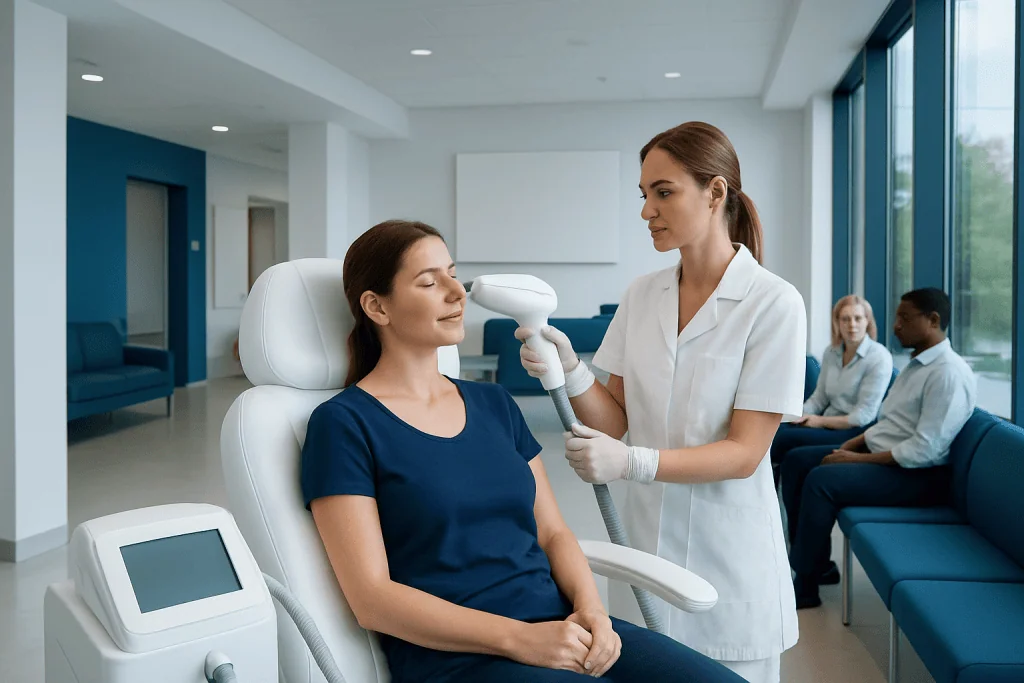
IPL uses broad-spectrum light rather than a single laser wavelength. It may help improve sun-related pigmentation, facial redness, small visible vessels and unwanted hair.
Key Takeaways
- IPL uses broad-spectrum light rather than a single laser wavelength.
- It may help improve sun-related pigmentation, facial redness, small visible vessels and unwanted hair.
- Temporary redness, warmth and darkening of pigment spots are common after skin-focused IPL.
- Sun protection before and after treatment is important for safety and lasting results.
- A qualified clinician should assess skin type, medical history, medications and the treatment goal before IPL.
Intense pulsed light (IPL) is a noninvasive procedure that uses controlled flashes of broad-spectrum light to address selected skin concerns, including sun spots, redness, visible blood vessels and unwanted hair. Recovery is usually brief, but results develop gradually and depend on the concern being treated, skin type and the treatment plan.
What is intense pulsed light?
Intense pulsed light, often called IPL, is a light-based procedure used in dermatology and aesthetic medicine. It delivers brief pulses of broad-spectrum light to the skin. Unlike most lasers, which use one focused wavelength, IPL devices use a range of wavelengths filtered to target particular structures in the skin.
Depending on the filter and settings, IPL can target melanin, the pigment responsible for dark spots and hair color, or hemoglobin, the pigment in blood. This makes it useful for selected concerns such as sun spots, freckles, uneven tone, redness, small facial blood vessels and unwanted hair. It does not remove the outer layer of skin in the way that some resurfacing procedures do.
IPL is sometimes described as photorejuvenation when it is used to improve signs of sun exposure and uneven complexion. It is not suitable for every skin concern, and it is not a replacement for medical evaluation of a new, changing or suspicious skin lesion.
What can IPL treat?
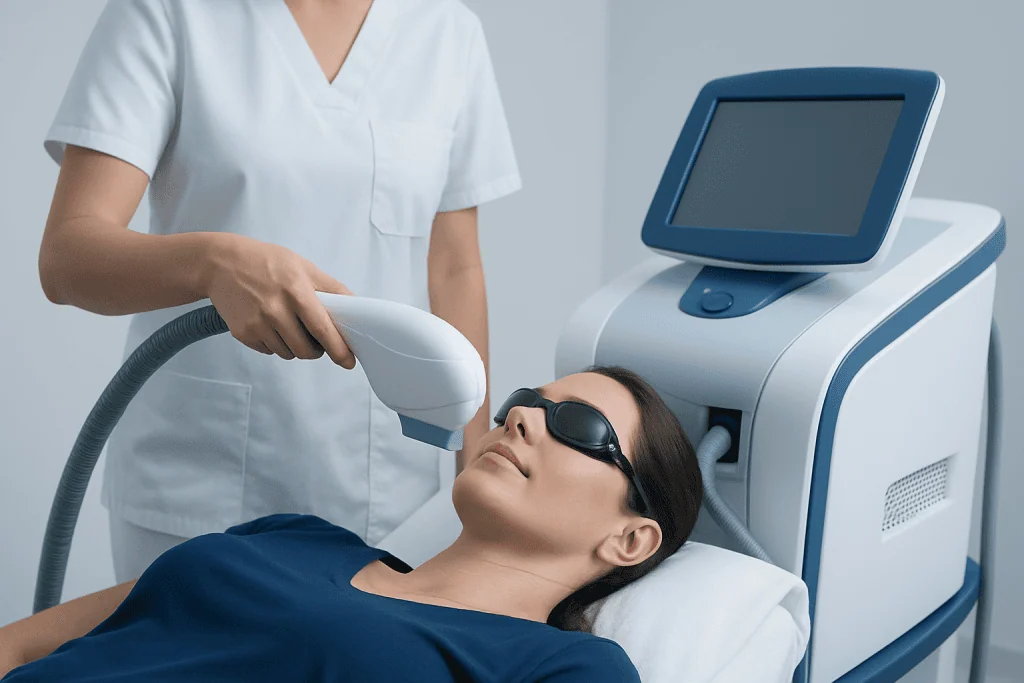
IPL may be considered for several concerns when they are assessed by an experienced clinician. For skin rejuvenation, it is most often used on sun-exposed areas such as the face, neck, chest, shoulders and hands. It may reduce the visibility of brown spots, freckles, blotchy pigmentation and some forms of diffuse redness.
It can also be used for small superficial blood vessels and redness associated with certain skin conditions. People with rosacea may benefit from treatment of persistent facial redness or visible vessels, although IPL does not cure rosacea and trigger management remains important. A clinician can determine whether redness is appropriate for light-based treatment or requires another approach.
For hair reduction, IPL directs light toward pigment in the hair shaft and follicle. It generally works best when there is a clear contrast between darker hair and lighter skin. It is less effective for very light blond, gray, white or red hair because these hairs contain little pigment.
- Uneven pigmentation caused by sun exposure
- Freckles and some benign sun spots
- Facial redness and small visible blood vessels
- Selected acne-related redness or discoloration
- Long-term reduction of unwanted dark hair
How the IPL procedure is performed
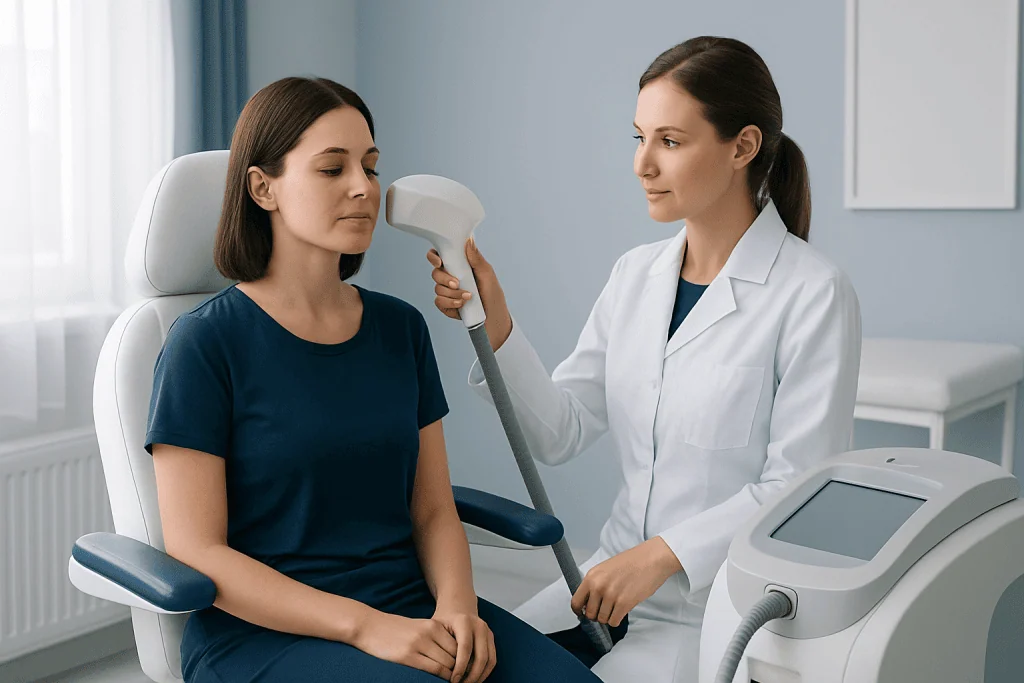
Before treatment, the clinician reviews the person’s goals, skin tone, hair or pigment color where relevant, medical history, current medicines and recent sun exposure. The skin may be examined closely, and a test spot may be recommended, particularly for people with darker skin tones, sensitive skin or a history of pigment changes after irritation.
On the day of the procedure, the area is cleansed and protective eyewear is worn. A cool gel may be applied to help the device glide over the skin and improve comfort. The clinician places the handpiece against the skin and delivers short flashes of light. Many people describe the sensation as brief warmth or a light snap against the skin.
Session length varies according to the treatment area. Smaller areas may take only a few minutes, while larger areas take longer. Multiple sessions are commonly needed because pigmentation, vessels and hair respond gradually, and hair growth occurs in cycles. The clinician will advise on the expected number and spacing of sessions for the individual goal.
Recovery, aftercare and expected results
Most people return to normal daily activities soon after IPL. The treated area may look pink or mildly swollen and can feel warm, similar to a light sunburn. These effects often settle within hours to a few days. Cooling measures recommended by the clinician may improve comfort.
After treatment for pigmentation, brown spots may temporarily become darker before they fade or flake away. It is important not to pick, scrub or exfoliate the skin while it is healing. Following hair-focused IPL, hairs may appear to continue growing before they shed; this can be part of the normal treatment response.
Gentle skin care and daily broad-spectrum sunscreen are central to recovery. The treated skin should be protected from direct sun exposure, tanning beds and self-tanning products as advised. A clinician may also recommend pausing irritating products, such as retinoids, exfoliating acids or benzoyl peroxide, for a short period depending on the treatment area and skin response.
Results are gradual rather than immediate. Pigment and redness may improve over several weeks, while hair reduction requires a course of treatments and may need maintenance sessions. Results vary with skin type, the underlying condition, hormonal factors, sun exposure and adherence to aftercare.
Safety, side effects and who may not be suitable
When performed by a trained clinician using appropriate settings, IPL is generally well tolerated. Common short-term effects include redness, mild swelling, warmth, temporary sensitivity and temporary darkening of treated pigment. These reactions usually improve without treatment, but patients should follow their clinician’s specific aftercare instructions.
Less common risks include blistering, crusting, infection, scarring or changes in skin color. Darker or lighter patches can be temporary or, rarely, persistent. The likelihood of pigment changes may be higher in recently tanned skin and in some darker skin tones, which is why careful device selection, conservative settings and experienced assessment matter.
IPL may not be appropriate during an active skin infection, an open wound, a severe eczema flare or a current herpes simplex outbreak in the treatment area. It may also need to be postponed after recent tanning or certain cosmetic procedures. Some medicines and skin products can increase photosensitivity, so all prescriptions, over-the-counter medicines and supplements should be disclosed before treatment.
A qualified dermatologist or other trained clinician can distinguish suitable benign pigmentation from lesions that need medical assessment. IPL should not be used to treat an undiagnosed mole, a changing pigmented lesion or suspected skin cancer.
Preparing for IPL and protecting the skin afterward
Preparation starts with minimizing sun exposure in the weeks before treatment. Tanned skin can absorb more light and may increase the risk of burns or pigment changes. Patients should use sun protection consistently and tell the clinician if they have recently sunbathed, used a tanning bed or applied self-tanner.
The treatment area should usually be clean and free from makeup, perfume, deodorant or heavy creams on the day of the appointment, unless the care team gives different instructions. For IPL hair reduction, shaving may be recommended before treatment, while waxing, plucking and epilating are commonly avoided beforehand because the follicle needs to contain hair pigment.
After IPL, patients should avoid excessive heat, vigorous exercise, hot baths, saunas and swimming pools for the period advised by their clinician. They should use mild products, avoid rubbing the area and apply a broad-spectrum sunscreen with adequate protection every day. Long-term sun protection helps preserve improvement in sun-related pigmentation and reduces the risk of new spots.
When to seek medical care
Patients should contact the treating clinician promptly if they develop severe or increasing pain, extensive swelling, blisters, spreading redness, pus, fever or other signs that could suggest infection. Medical advice is also important if a treated area develops marked crusting, unexpected color change or symptoms that do not improve as expected.
Before considering IPL, a doctor should assess any mole or skin spot that is new, changing, bleeding, painful, itchy or irregular in color or shape. Light-based cosmetic treatment should never delay evaluation of a possible skin cancer or another medical skin condition.
People with ongoing facial redness, acne, eczema or recurrent pigment changes may benefit from a dermatology assessment to identify the underlying cause and discuss appropriate options. Acibadem International’s multidisciplinary specialists and JCI-accredited hospitals can assess skin concerns and provide individualized IPL-based treatment plans for international patients when appropriate.
Frequently asked questions
Is intense pulsed light the same as laser treatment?
No. IPL uses a broad range of light wavelengths, while a laser uses a single focused wavelength. Both can be used for selected skin and hair concerns, but their best uses, settings and safety considerations differ.
How many IPL sessions are needed?
The number of sessions depends on the concern being treated, the area, skin type and the response to treatment. Hair reduction commonly requires a series because hairs grow in cycles, while pigmentation or redness may also need more than one session.
Does IPL hurt?
Many people feel brief warmth or a snapping sensation during treatment. Cooling gel, built-in device cooling and adjusted settings can improve comfort. The clinician can discuss whether a topical numbing product is appropriate for a particular treatment area.
How long does it take to recover from IPL?
Most people have mild redness or warmth for a few hours to a few days and can resume routine activities quickly. Dark spots may temporarily darken and then fade over the following days or weeks. Recovery can be longer if stronger settings are used or if the skin has a more pronounced reaction.
Can IPL remove unwanted hair permanently?
IPL can provide long-term hair reduction, but it does not guarantee permanent removal of every hair. Some follicles may remain active or become active later, especially when hormonal changes affect hair growth. Maintenance treatments may be helpful for some people.
Can people with darker skin have IPL?
Some people with darker skin may be candidates, but treatment requires careful assessment because melanin in the skin can absorb light and raise the risk of burns or pigment changes. Other devices or treatments may be safer depending on the person’s skin tone, concern and recent sun exposure.
This article is for general information only and is not a substitute for professional medical advice. Please consult a qualified doctor about your individual situation.
Hair transplant in Turkey — costs, graft counts & a free assessment
JCI-accredited · board-certified surgeons · reply within 24h
Add us as a Preferred Source to see more of our trusted health content across Google Search, AI Overviews and Discover.

More from the Health Library
Lymph: A Complete Medical Overview

Epithelial Cells in Urine — Explained by Medical Evidence, Not Myths

Alogia: Symptoms, Causes, and Treatment — Complete Patient Guide
Histidine: What Patients Need to Know
Trachea: A Complete Medical Overview