

Alogia: Symptoms, Causes, and Treatment — Complete Patient Guide

Alogia means reduced speech or limited verbal expression, sometimes called poverty of speech. It is a symptom rather than a diagnosis and may be linked to psychiatric or neurological conditions.
Key Takeaways
- Alogia means reduced speech or limited verbal expression, sometimes called poverty of speech.
- It is a symptom rather than a diagnosis and may be linked to psychiatric or neurological conditions.
- Assessment usually focuses on communication patterns, thinking, mood, cognition, and overall health.
- Treatment depends on the underlying cause and may include therapy, medication review, and supportive care.
- Early medical evaluation is important when speech changes are new, worsening, or affecting daily life.
Alogia is a reduction in speech output and the ability to express thoughts clearly. It is not a disease on its own, but a symptom that can appear in certain mental health and neurological conditions and can often improve when the underlying cause is identified and treated.
What alogia means
Alogia is a term used to describe reduced speech and limited spontaneous verbal expression. A person with alogia may speak less than expected, give very brief answers, or seem to have difficulty turning thoughts into words. In everyday language, it is sometimes described as “poverty of speech” or “poverty of thought.”
Alogia is not a separate illness. Instead, it is a clinical sign that may appear as part of another condition, especially certain psychiatric disorders, neurological diseases, or cognitive problems. Because speech is closely tied to attention, motivation, mood, and brain function, many different health issues can affect how much a person speaks and how easily they express ideas.
It is also important to remember that quietness alone is not alogia. Some people naturally speak less, are shy, or prefer to keep answers short. Alogia is different because the change is more noticeable, persistent, and out of proportion to the situation, often causing problems with work, relationships, or daily communication.
How alogia can appear in daily life
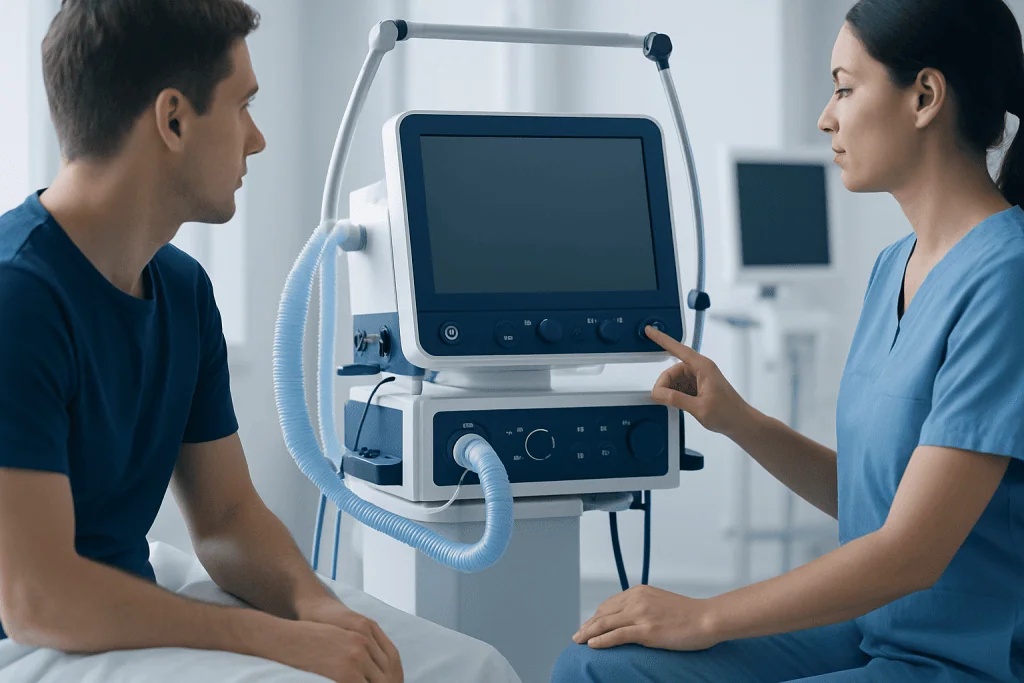
Alogia can look different from person to person. Some people mainly have reduced quantity of speech, meaning they answer questions with only a few words and rarely start conversations. Others can speak, but their replies may feel empty of detail, making it hard for them to explain thoughts, feelings, or plans.
Family members may first notice that the person has become quieter, less engaged, or slower to respond. Conversation may require repeated prompting, and social interactions can become tiring or frustrating. In school or work settings, alogia may affect participation, problem-solving, and the ability to express needs clearly.
Common features may include:
- Very short or one-word answers
- Reduced spontaneous conversation
- Long pauses before speaking
- Difficulty elaborating on ideas
- Limited emotional expression during speech
- Appearing mentally “blocked” or slowed
Alogia can overlap with other symptoms such as low motivation, reduced facial expression, slowed movement, poor concentration, or social withdrawal. When these symptoms occur together, clinicians look carefully at the broader pattern rather than judging speech changes in isolation.
What causes alogia and who may be at risk

Alogia is most often discussed as a negative symptom in schizophrenia and related psychotic disorders, where it may occur alongside reduced emotional expression and low motivation. However, it is not limited to psychosis. It can also be seen in severe depression, bipolar disorder during certain phases, autism spectrum-related communication difficulties, dementia, traumatic brain injury, Parkinsonian syndromes, and other conditions that affect thinking, language, or initiation.
In some people, alogia may be influenced by medications, substance use, fatigue, poor sleep, or severe stress. Sedating medicines, cognitive side effects, or untreated mood symptoms can all make speech less fluent and less spontaneous. This is one reason why a full medical and psychiatric review is important before deciding on treatment.
Risk depends on the underlying condition rather than on alogia itself. A person may be more likely to develop alogia if they have a diagnosed psychotic disorder, a neurodegenerative disease, a history of brain injury, or prominent cognitive symptoms. In some cases, alogia can occur together with schizophrenia or Parkinson’s disease, but careful assessment is needed because speech reduction can have more than one cause.
Not every communication problem is alogia. Language disorders such as aphasia, hearing loss, extreme anxiety, selective mutism, or cultural and language differences may also change how a person speaks. Distinguishing among these possibilities is an important part of evaluation.
How doctors diagnose alogia
There is no single laboratory test or scan that diagnoses alogia by itself. Doctors diagnose it through clinical assessment, which means they listen to the person’s speech, ask about symptoms, review medical history, and consider the broader mental and neurological picture. The goal is to understand whether reduced speech reflects a primary communication problem, a thinking disorder, a mood disorder, medication effects, or another health issue.
The evaluation may include questions about when the change started, whether it came on suddenly or gradually, and whether there are other symptoms such as hallucinations, depressed mood, memory changes, slowed movement, or personality changes. A clinician may also speak with a family member or caregiver, because loved ones can often describe changes in communication over time.
Depending on the situation, assessment may involve:
- A mental status examination
- Psychiatric evaluation
- Neurological examination
- Cognitive testing
- Medication and substance-use review
- Blood tests or brain imaging when another medical cause is suspected
If there are concerns about structural brain changes, stroke, or other neurological conditions, doctors may use MRI or other imaging studies as part of the workup. Diagnosis is most accurate when speech symptoms are interpreted in context, not treated as a standalone finding.
Treatment options for alogia
Treatment for alogia focuses on the underlying cause. If alogia is related to a psychiatric illness, treatment may include a combination of medication, psychotherapy, rehabilitation, and practical support. If it is related to a neurological disorder, treatment may center on managing that condition and improving communication function as much as possible.
For people with psychotic disorders, clinicians may adjust treatment plans to better control active symptoms while also considering negative symptoms such as reduced speech. In selected cases, care may involve psychiatric evaluation and treatment to review diagnosis, medication response, side effects, mood symptoms, and psychosocial needs. Supportive therapies can help improve communication confidence, daily structure, and social functioning.
If depression, medication side effects, or cognitive slowing are contributing, addressing those factors may reduce alogia. This could include changing or reviewing medicines, improving sleep, treating mood disorders, or supporting attention and executive functioning. Speech and language therapy may also be useful when verbal initiation, fluency, or expression are affected by a neurological issue.
In some cases, a broader assessment of brain and behavior is helpful, especially when there are memory concerns, personality changes, or signs of neurological disease. Depending on the cause, clinicians may also recommend neurology evaluation or rehabilitation-based support. Improvement can be gradual, and treatment often works best when medical care, family support, and everyday communication strategies are combined.
Self-care, communication support, and living with alogia
Self-care does not replace medical treatment, but it can make communication easier and reduce frustration. Family members and caregivers can help by allowing extra time for responses, using simple and clear questions, and avoiding pressure to speak quickly. Calm, respectful communication often works better than repeated prompting or correcting.
Structured routines may also help. Predictable daily schedules, regular sleep, medication adherence, and reduced overstimulation can support thinking and verbal expression, especially when alogia occurs with psychiatric or neurological symptoms. Short conversations in quieter environments may feel more manageable than long, demanding discussions.
Helpful practical approaches include:
- Using open but simple questions
- Giving the person enough time to answer
- Breaking complex tasks into smaller steps
- Keeping appointments and medication reviews up to date
- Writing down concerns before medical visits
- Seeking caregiver support when communication challenges become stressful
People living with alogia may benefit from a multidisciplinary plan. Near the end of the care journey, some families choose centers that combine psychiatry, neurology, imaging, and rehabilitation in one setting. Acibadem International’s multidisciplinary specialists and JCI-accredited hospitals diagnose and treat conditions associated with alogia for international patients when this level of coordinated care is needed.
When to seek medical care
Medical advice should be sought if reduced speech is new, getting worse, or interfering with daily life. A person should also be evaluated if alogia appears together with confusion, memory loss, low mood, hallucinations, unusual beliefs, major personality change, or marked slowing of movement or thinking.
Urgent evaluation is especially important if speech changes begin suddenly, because sudden communication difficulty can sometimes signal a neurological emergency rather than alogia alone. Immediate medical attention is needed for sudden trouble speaking, facial drooping, weakness, severe confusion, or other possible signs of stroke or acute brain illness.
It is also wise to seek help if a person stops engaging socially, cannot manage work or school, neglects self-care, or seems distressed by their inability to communicate. Early assessment can clarify the cause and help families access the right support sooner.
Frequently asked questions
Is alogia a disease?
No. Alogia is a symptom or clinical sign, not a disease by itself. It usually points to an underlying psychiatric, neurological, or cognitive condition that needs evaluation.
What is the difference between alogia and being quiet?
Being naturally quiet is a personality style and may not cause any problem. Alogia usually reflects a noticeable reduction in speech or thought expression that is new, persistent, or impairing in daily life.
Can alogia happen in depression?
Yes. Severe depression can slow thinking and reduce verbal expression, which may look similar to alogia. A doctor will consider mood, motivation, energy, and other symptoms to understand the cause.
Is alogia always linked to schizophrenia?
No. Although alogia is often discussed in schizophrenia as a negative symptom, it can also occur in other mental health and neurological conditions. Examples include mood disorders, dementia, brain injury, and Parkinsonian disorders.
Can alogia be treated?
In many cases, yes, but treatment depends on the cause. A person may improve with psychiatric care, neurological treatment, medication review, therapy, rehabilitation, and practical communication support.
When is reduced speech an emergency?
Sudden speech difficulty should be treated as urgent, especially if it comes with weakness, facial drooping, confusion, or severe headache. These symptoms may suggest a stroke or another acute neurological problem and require immediate medical attention.
References
- National Institute of Mental Health
- American Psychiatric Association
- National Institute of Neurological Disorders and Stroke
- Mayo Clinic
- World Health Organization
This article is for general information only and is not a substitute for professional medical advice. Please consult a qualified doctor about your individual situation.
Explore treatments in Turkey — costs, top hospitals & a free quote
JCI-accredited · board-certified surgeons · reply within 24h
Add us as a Preferred Source to see more of our trusted health content across Google Search, AI Overviews and Discover.

More from the Health Library



Related Specialists

Prof. Dr. Hülya Hamzaoğlu
Gastroenterology
Assoc. Prof. Dr. Gülfem Başol
Gynecology & Obstetrics
Dyt. Hüda Sevimli
Nutrition & Diet
Dt. Şevval Çelebi
Oral & Dental Health