Tee Higgins — Explained by Medical Evidence, Not Myths
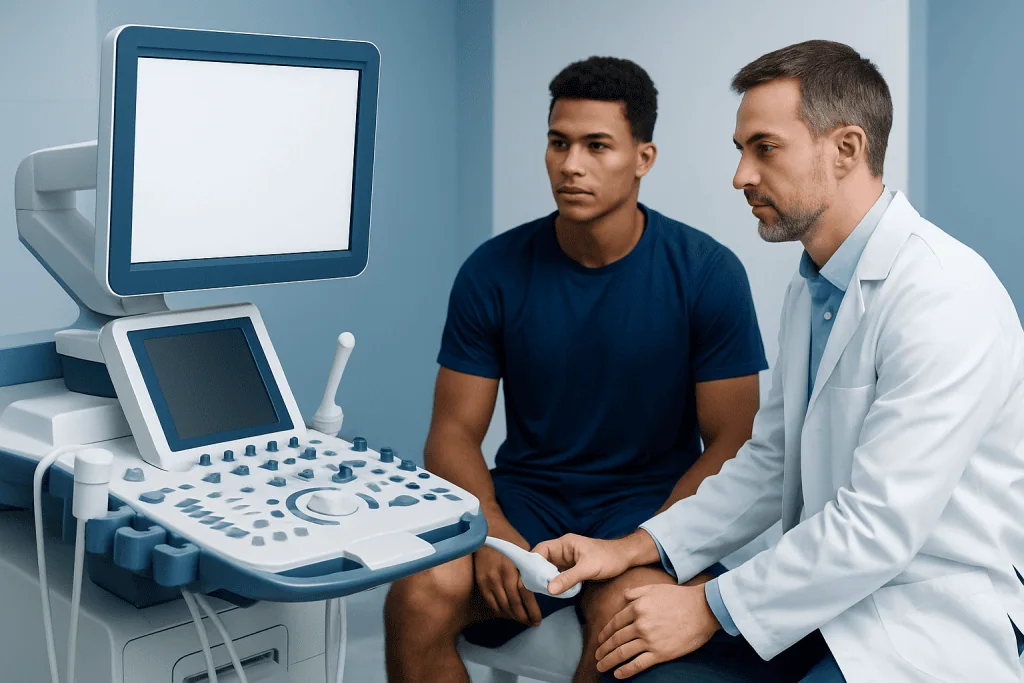
Tee Higgins is a public figure, not a disease or medical term. Health questions linked to athletes should be assessed using symptoms, exam findings, and medical imaging when needed.
Key Takeaways
- Tee Higgins is a public figure, not a disease or medical term.
- Health questions linked to athletes should be assessed using symptoms, exam findings, and medical imaging when needed.
- Common sports concerns include concussion, hamstring strain, ankle sprain, shoulder injury, and dehydration.
- Return-to-play decisions should be individualized and guided by qualified clinicians.
- Urgent symptoms after sports trauma include severe headache, confusion, weakness, chest pain, and trouble breathing.
Tee Higgins is not a medical condition, diagnosis, or treatment. People searching “tee higgins” in a health context are usually looking for reliable information about athlete injuries, recovery, and return-to-play decisions, which should be understood through evidence-based sports medicine rather than rumors or social media myths.
Overview: why people search “tee higgins” in health contexts
Tee Higgins is a professional athlete, not a medical diagnosis. When people search his name on hospital or health websites, they are often trying to understand reports of injuries, recovery timelines, or whether a visible on-field event could reflect a serious medical problem.
A medically useful approach starts by separating public commentary from clinical evidence. Headlines, fan discussions, and brief sideline updates rarely provide enough information to identify the type or severity of an injury. Doctors instead rely on symptoms, physical examination, mechanism of injury, and sometimes imaging or laboratory tests.
This matters because many sports-related problems can look similar at first. For example, a player leaving a game may have a minor muscle strain, a significant ligament injury, a concussion, cramping, illness, or simply precautionary removal. Without an assessment, it is not possible to know the cause accurately.
For readers, the most helpful question is usually not “What happened to this specific athlete?” but “What do common football-related injuries mean, and when do they need medical care?” Understanding that difference helps people use sports news responsibly and apply reliable health principles to themselves or family members.
What kinds of injuries are commonly discussed around contact sports?
In contact sports such as football, the most common concerns involve the brain, muscles, joints, and soft tissues. These may happen after direct impact, twisting, sudden acceleration, overuse, or awkward landing. Severity can range from mild soreness to injuries that need urgent treatment or rehabilitation.
Common examples include:
- Concussion or other head injury after a blow to the head or body
- Hamstring, quadriceps, calf, or groin strain from sprinting or sudden stopping
- Ankle sprains and knee ligament injuries from cutting or pivoting
- Shoulder dislocation, separation, or rotator cuff strain after contact or landing
- Finger, hand, or wrist injuries during tackling or catching
- Bruising, rib pain, or chest wall strain after collision
- Dehydration, heat illness, and exercise-related cramping
Symptoms vary by body part and type of tissue involved. A muscle strain may cause tightness, pain with movement, and weakness. A ligament injury often causes swelling, instability, or difficulty bearing weight. A head injury may produce headache, dizziness, nausea, sensitivity to light, or confusion.
Because signs can overlap, self-diagnosis based on video clips or brief reports is unreliable. If an injury is painful, limits function, or is associated with neurologic symptoms, medical evaluation is the safest next step. In some cases, specialists may evaluate concerns such as concussion or use MRI scanning to clarify the diagnosis.
Medical evidence versus myths in athlete injury discussions

Athlete injuries are often discussed in real time, which can encourage myths. One common myth is that if a player can stand up or walk off the field, the injury must be minor. In reality, people with fractures, ligament tears, concussions, or internal injuries may initially remain mobile.
Another myth is that “shaking it off” proves recovery. Symptoms from concussion, muscle tears, and joint injuries can worsen over minutes to hours. Adrenaline may temporarily reduce the awareness of pain, which is why sideline and follow-up assessments are important even when someone looks relatively well.
There is also a misconception that one visible mechanism always predicts one diagnosis. For example, grabbing the back of the thigh may suggest a hamstring strain, but pain in that area can also relate to cramp, tendon injury, referred pain from the lower back, or, less commonly, a more serious tear. Good medicine avoids guessing from appearance alone.
Evidence-based care uses a structured process: history, examination, neurologic screening when needed, and imaging only when it is likely to change management. Depending on symptoms, doctors may recommend physical therapy and rehabilitation or orthopedic assessment for injuries such as meniscus tear rather than relying on rumor-driven timelines.
How doctors evaluate a possible sports injury
The evaluation begins with the story of what happened. Clinicians ask how the injury occurred, whether there was contact, whether the athlete heard a pop, whether symptoms were immediate or delayed, and whether there are previous injuries in the same area. This history often provides important clues before any test is ordered.
The physical exam then checks pain location, swelling, bruising, joint stability, muscle strength, range of motion, and ability to bear weight or use the limb. For possible head injuries, clinicians assess orientation, memory, balance, eye movements, and other neurologic signs. If red flags are present, emergency assessment may be needed right away.
Imaging is used selectively. X-rays are useful for suspected fractures or dislocations. Ultrasound may help with some tendon or muscle injuries. MRI can be especially helpful for soft tissue, cartilage, and ligament problems when the diagnosis remains uncertain or when surgery is being considered. In selected urgent situations, CT scan may be used, especially after significant head trauma.
Sometimes no imaging is needed initially. Mild strains, straightforward sprains, and uncomplicated bruises are often diagnosed clinically. Follow-up is still important if symptoms do not improve as expected, because recovery speed helps confirm whether the original diagnosis was accurate.
Treatment and recovery: what evidence-based care usually includes
Treatment depends on the specific diagnosis, symptom severity, and the person’s age, baseline health, and activity goals. Many mild to moderate injuries improve with relative rest, ice or other comfort measures, short-term activity modification, and guided rehabilitation. The goal is not simply pain relief, but safe recovery of strength, mobility, balance, and confidence.
For muscle strains and many sprains, doctors often recommend early protected movement rather than prolonged complete rest. Gradual loading helps tissues heal and can reduce stiffness and deconditioning. Rehabilitation may include stretching at the right stage, strengthening, balance work, gait retraining, and a stepwise return to sport.
Concussion care is different from orthopedic injury care. It usually involves a short period of relative cognitive and physical rest followed by gradual return to school, work, exercise, and sports under clinical guidance. Persistent symptoms may require a multidisciplinary approach including neurology, rehabilitation, and sometimes vision or vestibular therapy.
Some injuries need more advanced treatment. Significant instability, tendon rupture, recurrent dislocation, or fractures may need specialist procedures or surgery. When clinically appropriate, patients may be referred for orthopedic surgery. Near the end of the care pathway, centers such as Acibadem International may support international patients through multidisciplinary assessment in JCI-accredited hospitals.
Prevention and self-care for athletes and active adults
Not every sports injury can be prevented, especially in contact activities, but many risks can be reduced. Good prevention focuses on conditioning, technique, sleep, hydration, proper equipment, and respecting warning signs instead of pushing through them. Consistency matters more than occasional intense training.
Helpful self-care habits include:
- Warm up before training and competition with sport-specific movement
- Build strength and flexibility gradually, especially after time off
- Use appropriate protective gear and footwear
- Replace or repair worn equipment when needed
- Stay hydrated and take heat conditions seriously
- Avoid sudden spikes in training volume or intensity
- Allow enough recovery time between hard sessions
People who have had a previous injury should be especially careful when returning to activity. Reinjury is more likely when pain is ignored, movement quality has not normalized, or the person returns before strength and balance are restored. A clinician or therapist can help determine readiness more reliably than time alone.
For non-athletes, these principles still apply. Weekend sports, gym workouts, and recreational running commonly produce strains, sprains, and overuse pain. Early attention to form, gradual progression, and recovery can often prevent minor problems from becoming persistent ones.
When to seek medical care
Medical care is important when symptoms are severe, unusual, or not improving. Urgent evaluation is recommended after a blow to the head with loss of consciousness, repeated vomiting, worsening headache, confusion, seizure, weakness, unequal pupils, or unusual drowsiness. These can suggest a more serious brain injury and should not be monitored casually at home.
Prompt medical review is also needed for chest pain, trouble breathing, fainting, suspected fracture, joint deformity, inability to bear weight, rapidly increasing swelling, numbness, or severe pain. These symptoms may indicate injuries that require imaging, immobilization, or emergency treatment.
Even without red flags, a doctor should assess pain that persists for several days, repeated injuries in the same area, reduced range of motion, or symptoms that interfere with normal work, sleep, or exercise. Delayed evaluation can prolong recovery if an injury is more significant than it first appeared.
Parents, coaches, and active adults should remember that uncertainty itself can be a reason to seek care. If the mechanism was significant or the symptoms seem out of proportion, professional assessment is safer than relying on online speculation or comparisons with a well-known athlete.
Frequently asked questions
Is Tee Higgins a medical condition?
No. Tee Higgins is a public figure, not a disease, symptom, or treatment. People usually search the term because they want context about athlete injuries and how to interpret them accurately.
Can someone have a serious injury even if they walk off the field?
Yes. Some fractures, ligament tears, and concussions do not prevent immediate walking or standing. A person may still need medical evaluation, especially if pain, swelling, confusion, or weakness develops.
What symptoms suggest a concussion after sports?
Common concussion symptoms include headache, dizziness, nausea, balance problems, sensitivity to light or noise, confusion, and trouble concentrating. Loss of consciousness can occur, but many concussions happen without it.
How long does a sports injury usually take to heal?
Recovery time depends on the diagnosis, severity, prior injuries, age, and whether rehabilitation is completed properly. Mild strains or sprains may improve within days to weeks, while more significant injuries can take much longer.
Should imaging always be done after a sports injury?
Not always. Many injuries can be diagnosed from the history and physical examination alone. Imaging is usually used when a fracture, significant soft-tissue injury, or complication is suspected, or when symptoms are not improving as expected.
When should a person not return to play?
A person should not return to play if there is ongoing pain, instability, weakness, dizziness, confusion, or reduced function. Return-to-play decisions are safest when made by qualified clinicians using a stepwise approach.
References
- Centers for Disease Control and Prevention
- American Academy of Orthopaedic Surgeons
- American College of Sports Medicine
- National Institute of Neurological Disorders and Stroke
- World Health Organization
This article is for general information only and is not a substitute for professional medical advice. Please consult a qualified doctor about your individual situation.
Explore treatments in Turkey — costs, top hospitals & a free quote
JCI-accredited · board-certified surgeons · reply within 24h
Add us as a Preferred Source to see more of our trusted health content across Google Search, AI Overviews and Discover.

More from the Health Library



Related Specialists

Prof. Dr. Gökhan Bozkurt
Neurosurgery
Prof. Dr. Selami Çakmak
Orthopedic Surgery & Traumatology
Dr. Hafsa Hicret Bülbül Göktaş
Neurology
Assoc. Prof. Dr. Suat Bilici
Otorhinolaryngology