Nurse — Explained by Medical Evidence, Not Myths
A nurse is a trained, licensed professional with clinical, educational, and patient-safety responsibilities. Nurses work in many specialties and often coordinate care between patients, families, and doctors.
Key Takeaways
- A nurse is a trained, licensed professional with clinical, educational, and patient-safety responsibilities.
- Nurses work in many specialties and often coordinate care between patients, families, and doctors.
- Nursing roles vary by training level, setting, and country, but all focus on safe, evidence-based care.
- Nurses do far more than follow instructions; they assess symptoms, monitor changes, and help prevent complications.
- Patients should seek medical care based on symptoms and health needs, not solely on job titles or assumptions about who can help.
A nurse is a licensed healthcare professional who helps assess, monitor, treat, educate, and support patients in many settings, from clinics to intensive care units. Understanding what nurses do can help patients and families navigate care more confidently and separate medical facts from common myths.
Overview: what a nurse does
A nurse is a healthcare professional trained to care for people across the lifespan. In everyday practice, a nurse may assess symptoms, check vital signs, give prescribed treatments, monitor recovery, teach patients how to manage conditions, and help coordinate care with other clinicians. The exact scope of practice depends on the nurse’s education, license, role, and the laws of the country or region where they work.
The word “nurse” is often used broadly, which can create confusion. Some people think nurses mainly carry out doctors’ instructions, but modern nursing is a distinct clinical profession with its own body of knowledge, standards, and decision-making responsibilities. Nurses are central to patient safety because they spend significant time observing patients, identifying changes early, and communicating concerns to the wider care team.
Nurses work in hospitals, outpatient clinics, emergency departments, operating rooms, home care, schools, rehabilitation centers, and community settings. Some specialize in children, older adults, heart care, cancer care, critical care, surgery, mental health, or public health. This broad role is one reason patients may meet several different nurses during one episode of care.
Nurse roles, training, and common credentials
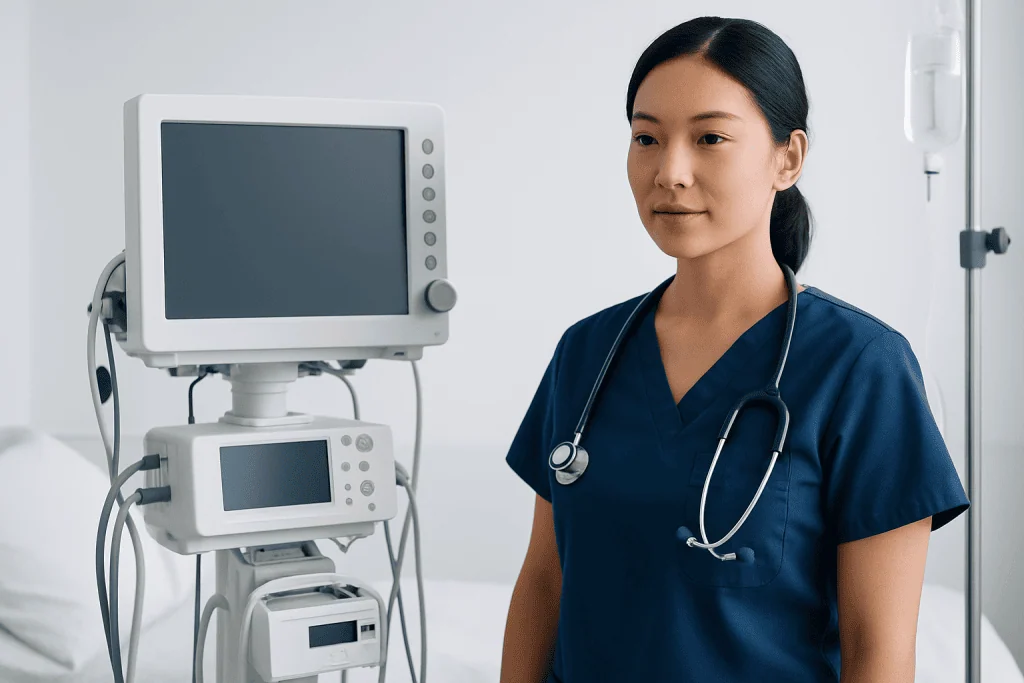
Nursing is not a single job with one universal pathway. Depending on the healthcare system, nurses may qualify through diploma, associate, bachelor’s, or advanced graduate education. They must usually meet licensing or registration standards, maintain competence, and follow professional and ethical guidelines. Titles can include registered nurse, licensed practical or vocational nurse, nurse practitioner, nurse midwife, clinical nurse specialist, and nurse anesthetist, though these vary by country.
Registered nurses commonly provide direct patient care, administer medications that have been prescribed, monitor responses to treatment, educate patients, and document clinical findings. Advanced practice nurses may have additional responsibilities such as diagnosing certain conditions, ordering tests, or managing treatment plans within their legal scope. In all cases, nursing practice is structured around patient assessment, safety, communication, and evidence-based care.
Patients may also encounter specialist nurses in areas such as wound care, diabetes education, chemotherapy, dialysis, intensive care, or palliative care. These professionals often help people understand complex conditions and treatment plans. For example, a nurse caring for someone with diabetes may teach blood sugar monitoring, nutrition basics, foot care, and when to seek urgent medical attention.
Myths and facts about nurses
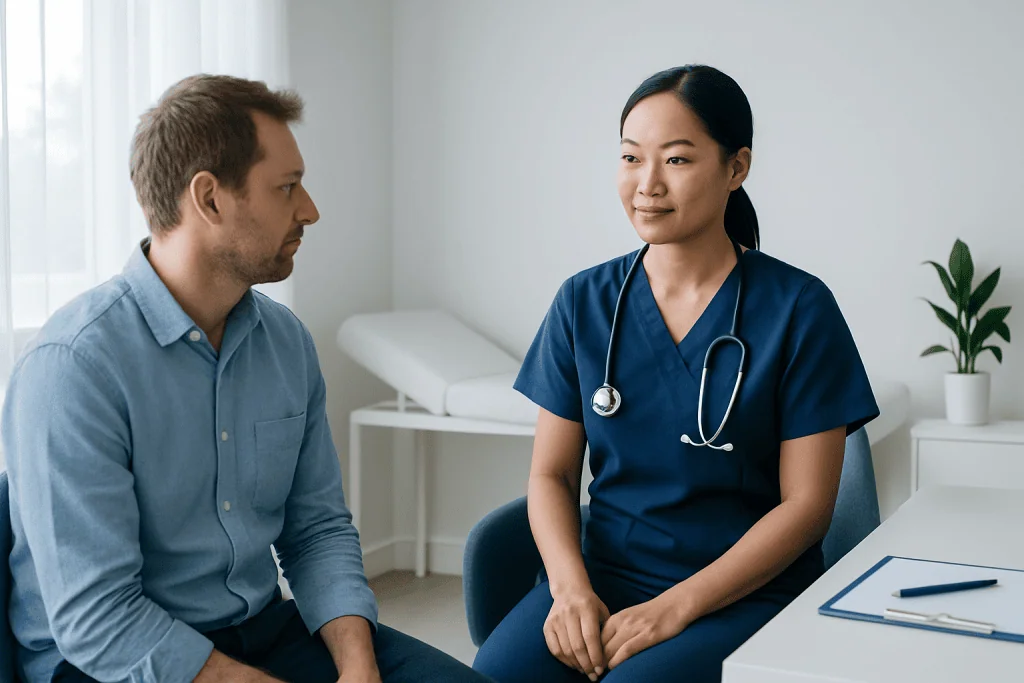
Several common myths can make it harder for patients to understand nursing care. One myth is that nurses only take instructions from doctors. In reality, nurses make many independent clinical judgments within their scope of practice, such as recognizing a deteriorating patient, prioritizing urgent needs, preventing falls, monitoring for side effects, and escalating concerns quickly.
Another myth is that all nurses do the same work. In practice, nursing roles differ widely by setting and specialty. A surgical nurse, pediatric nurse, oncology nurse, and intensive care nurse may all have different skills, daily tasks, and patient populations. Some nurses focus on bedside care, while others work in prevention, education, case management, research, or leadership.
It is also inaccurate to assume that nurses only provide physical care. Nursing includes emotional support, health education, discharge planning, and helping patients understand test results and next steps. Good communication can reduce confusion and support safer recovery, whether a person is being treated for an infection, recovering after heart surgery, or learning how to manage a chronic condition at home.
- Myth: nurses only take vital signs. Fact: they assess, interpret, monitor, and act on clinical changes.
- Myth: nurses do the same job everywhere. Fact: roles vary by specialty, setting, and training.
- Myth: nursing is mostly non-technical. Fact: many nurses use advanced equipment, protocols, and clinical judgment daily.
- Myth: patients should wait only for a doctor. Fact: nurses are often the first professionals to identify urgent concerns.
How nurses support diagnosis, treatment, and recovery
Nurses contribute to nearly every stage of care. During assessment, they collect symptoms, medical history, medications, allergies, and vital signs. These details help the healthcare team understand what may be happening and how urgent it is. Nurses also watch for subtle changes that can signal complications, such as increasing pain, breathing difficulty, confusion, fever, bleeding, or reduced urine output.
During treatment, nurses help deliver care safely. This may include preparing patients for tests, administering therapies that have been ordered, checking for side effects, supporting pain control, and reinforcing instructions. In procedural areas, they may help before and after operations or minimally invasive interventions. In rehabilitation and long-term care, they help patients regain function, prevent pressure injuries, maintain nutrition, and manage medicines correctly.
Education is another major part of nursing care. Before discharge, a nurse may explain wound care, warning signs, follow-up appointments, activity limits, nutrition advice, and how to take medications safely. This is especially important after major treatment, such as cancer treatment or physical therapy and rehabilitation, when recovery often continues at home and patients need clear, practical guidance.
Nurses also serve as advocates. If a patient is in pain, confused about the plan, worried about side effects, or unable to communicate easily, a nurse can help bring these concerns to the care team. This advocacy role is an important part of respectful, patient-centered care.
When to seek medical care
People do not need to decide in advance whether a doctor or a nurse is the “right” professional before seeking help. In many healthcare settings, nurses are trained to assess urgency and direct patients to the right level of care. If symptoms are severe or worsening, prompt evaluation is more important than trying to interpret job roles.
Medical care should be sought urgently for warning signs such as chest pain, sudden shortness of breath, severe bleeding, signs of stroke, new confusion, seizures, fainting, high fever with severe illness, serious injury, or allergic reactions causing swelling or trouble breathing. These symptoms may require emergency assessment and immediate treatment.
Non-emergency care is still important. A person should contact a healthcare professional for persistent pain, ongoing fever, unexplained weight loss, a new lump, prolonged cough, worsening swelling, problems controlling blood sugar or blood pressure, medication side effects, or symptoms that do not improve as expected. Nurses in clinics, hospitals, and telehealth services often help determine the next step and whether specialist review is needed.
How patients and families can work well with a nurse
Patients often get the best results when communication is open and practical. It helps to share a full list of medications, supplements, allergies, previous illnesses, and recent symptoms. Bringing written questions can also be useful, especially when a person is unwell or anxious. If something is unclear, asking the nurse to repeat or explain it in simpler terms is appropriate and encouraged.
Families and caregivers can support care by reporting changes they notice, such as increased confusion, poor appetite, sleepiness, worsening pain, or mobility problems. These details can be clinically important. They can also help by making sure discharge instructions are understood, transport is arranged, and follow-up appointments are booked.
Patients should feel comfortable telling a nurse about pain, side effects, emotional distress, or concerns about safety at home. Nurses can often suggest practical solutions or involve other members of the team, such as dietitians, pharmacists, physiotherapists, social workers, or specialists. In more complex cases, care may involve services linked to neurology or other departments depending on symptoms and diagnosis.
- Keep an up-to-date medication list.
- Report new or worsening symptoms promptly.
- Ask for written instructions when possible.
- Clarify who to contact after discharge if problems arise.
The nurse’s place in modern healthcare
Modern healthcare is team-based, and nurses are one of its most consistent points of contact. Their work supports prevention, early recognition of problems, treatment delivery, recovery, and long-term disease management. In many systems, nurses also contribute to vaccination programs, maternal care, infection prevention, chronic disease education, and community health initiatives.
Because nursing is both technical and relational, patients may notice that nurses combine clinical tasks with conversation, reassurance, and practical teaching. This is not separate from treatment; it is part of high-quality care. Helping a patient understand their condition, cope with uncertainty, and know when to ask for help can reduce confusion and support safer outcomes.
For international patients who need coordinated evaluation or treatment, Acibadem International’s multidisciplinary specialists and JCI-accredited hospitals provide care across a wide range of conditions and procedures. In these settings, nurses work closely with physicians and allied health professionals to support diagnosis, treatment, recovery, and patient education.
Frequently asked questions
What is a nurse in simple terms?
A nurse is a licensed healthcare professional who cares for patients, monitors their condition, provides treatments that are ordered, and explains how to manage health needs safely. Nurses work in many places, including hospitals, clinics, homes, schools, and rehabilitation centers.
Is a nurse the same as a doctor?
No. Nurses and doctors have different training, responsibilities, and scopes of practice, although they work closely together. Nurses provide essential clinical care and assessment, while doctors focus more on diagnosis and medical treatment planning within their role.
Can nurses diagnose illnesses?
This depends on the nurse’s training level and local laws. Some advanced practice nurses can diagnose and manage certain conditions, while many other nurses focus on assessment, monitoring, education, and delivering prescribed care. Even when they do not make the final diagnosis, nurses are often the first to recognize that something is wrong.
Why do nurses ask so many questions?
Nurses ask questions to understand symptoms, medical history, medications, allergies, and risk factors. This information helps them assess safety, identify changes, prevent mistakes, and ensure the care team has an accurate picture of the patient’s condition.
When should someone talk to a nurse?
A person can talk to a nurse whenever they have symptoms, questions about treatment, concerns about side effects, or need help understanding care instructions. In many settings, nurses are the best first point of contact because they can assess urgency and guide the next step.
Do nurses only work in hospitals?
No. Nurses work in primary care clinics, urgent care centers, operating rooms, schools, workplaces, nursing homes, rehabilitation services, public health programs, and home care. Their role changes depending on the setting and patient needs.
This article is for general information only and is not a substitute for professional medical advice. Please consult a qualified doctor about your individual situation.
Explore treatments in Turkey — costs, top hospitals & a free quote
JCI-accredited · board-certified surgeons · reply within 24h
Add us as a Preferred Source to see more of our trusted health content across Google Search, AI Overviews and Discover.

More from the Health Library
Aphthous disease: A Complete Medical Guide for Patients
Sucking Chest Wound: What Patients Need to Know
Toradol Drugs: What Patients Need to Know
Nettle Tea: What Patients Need to Know
Skin Discoloration: An Evidence-Based Guide for Patients