Skin Discoloration: An Evidence-Based Guide for Patients

Skin discoloration can be temporary or long-lasting and may affect small patches or large areas. Common causes include sun exposure, inflammation, rashes, bruising, infections, vascular changes, and pigment disorders.
Key Takeaways
- Skin discoloration can be temporary or long-lasting and may affect small patches or large areas.
- Common causes include sun exposure, inflammation, rashes, bruising, infections, vascular changes, and pigment disorders.
- Color changes that are sudden, painful, spreading, or associated with fever, swelling, shortness of breath, or a new mole should be assessed promptly.
- Diagnosis usually relies on medical history, a skin examination, and sometimes blood tests, imaging, or a skin biopsy.
- Treatment focuses on the underlying cause and may include sun protection, topical medicines, lifestyle changes, or specialist care.
Skin discoloration means an area of skin becomes lighter, darker, redder, purple, blue, or yellow compared with the surrounding skin. It is a symptom rather than a diagnosis, and the right treatment depends on identifying whether the cause is related to pigment, inflammation, circulation, injury, infection, medication, or an underlying medical condition.
Overview: What Skin Discoloration Means
Skin discoloration is any noticeable change from a person’s usual skin tone. The skin may become darker, lighter, red, purple, blue, brown, yellow, or white in one spot or across a broader area. These changes are common and are often linked to harmless causes such as healing after a rash or bruise, but they can also reflect infections, circulation problems, autoimmune disease, hormonal changes, or other health conditions.
An important point for patients is that skin discoloration is a sign, not a single disease. Healthy skin color depends on melanin, blood flow, oxygen levels, and the condition of the skin’s surface. A change in any of these can alter appearance. For example, excess pigment may cause dark patches, while reduced pigment can create lighter areas; inflammation can lead to redness, and blood under the skin can appear purple or brown as it heals.
Because the reasons vary, evaluation starts with pattern recognition. Doctors consider when the color change began, whether it is itchy or painful, whether it follows sun exposure or an injury, and whether there are other symptoms such as fatigue, fever, swelling, or changes elsewhere on the body. This helps separate common benign causes from those that need more urgent attention.
How Skin Discoloration Can Look and Feel
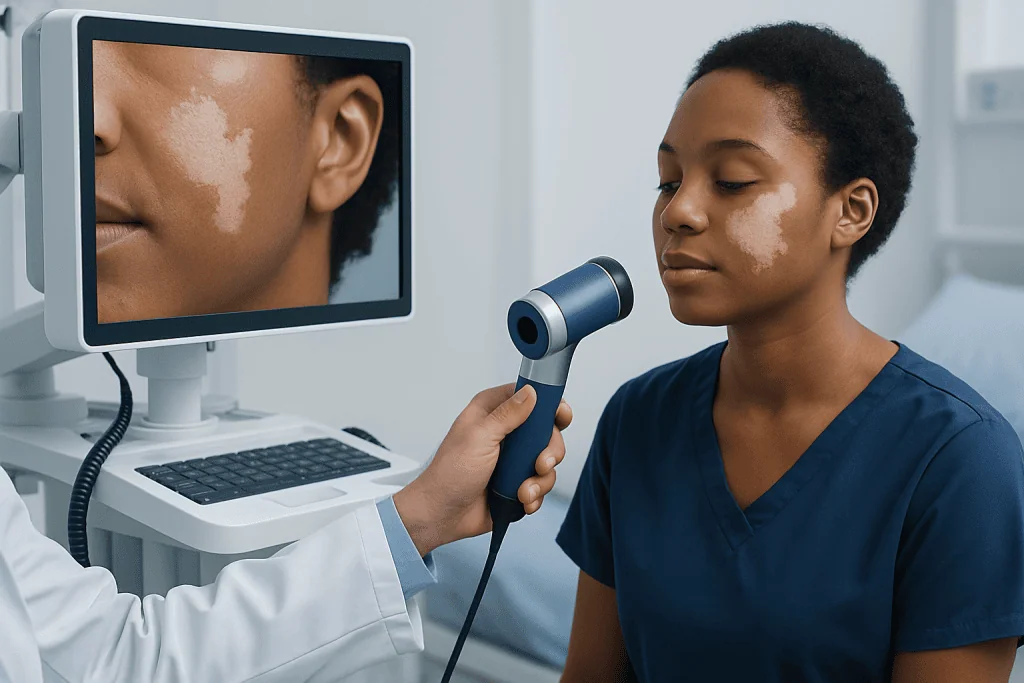
Skin discoloration can appear in many ways. Some people notice small flat spots, while others develop larger patches, streaks, rings, or areas of diffuse color change. The skin may feel completely normal, or it may also be dry, scaly, warm, swollen, tender, itchy, or raised. These details often help narrow down the cause.
Broadly, discoloration may be grouped by color pattern. Darker areas are often called hyperpigmentation, while lighter areas are known as hypopigmentation or depigmentation. Red or purple changes may reflect inflammation, broken blood vessels, or bruising. Blue or gray tones can point to reduced oxygen delivery or certain medication effects, and yellowing may suggest jaundice or healing bruises.
- Darker patches: often linked to sun damage, post-inflammatory changes, melasma, or friction.
- Lighter patches: may occur with eczema healing, fungal infection, vitiligo, or other pigment loss conditions.
- Red or purple areas: can be caused by rashes, bruises, allergic reactions, infections, or vascular problems.
- Blue or gray discoloration: needs timely attention if sudden or associated with breathing or circulation symptoms.
- Yellowing of the skin: should be medically assessed, especially if it also affects the eyes.
It is also common for color changes to evolve. A rash may start red and later leave behind a brown mark; a bruise may change from purple to green or yellow as it heals. This timeline matters and should be mentioned during a medical visit.
Common Causes and Risk Factors

Many cases of skin discoloration happen because pigment cells or the skin barrier react to irritation or injury. Post-inflammatory hyperpigmentation, for example, can follow acne, eczema, burns, cuts, insect bites, or cosmetic procedures. Sun exposure can deepen existing dark marks and trigger conditions such as melasma. Some people are also more prone to visible pigment changes based on their natural skin tone and genetic background.
Other causes involve infections or inflammatory skin conditions. Fungal rashes such as tinea versicolor may create lighter or darker patches. Eczema, psoriasis, contact dermatitis, and acne can all leave temporary or persistent discoloration after the active inflammation settles. Pigment disorders such as vitiligo cause well-defined pale or white areas because pigment-producing cells are reduced or lost.
Circulation and blood vessel changes can also alter skin color. Bruising after trauma is common, but persistent purple, blue, or brown changes may relate to poor venous circulation, certain medications, diabetes-related skin changes, or autoimmune and vascular disorders. In some cases, discoloration may be part of a broader internal health issue, such as liver disease, hormonal conditions, nutritional deficiency, or medication side effects.
Risk factors depend on the cause, but commonly include:
- Frequent sun exposure or inconsistent sunscreen use
- A history of rashes, acne, or skin injury
- Hormonal changes, including pregnancy or contraceptive use
- Family history of pigment disorders
- Certain medicines, including some antibiotics, anti-inflammatory drugs, or hormone therapies
- Chronic medical conditions affecting circulation, immunity, or metabolism
How Doctors Diagnose the Cause
Diagnosis begins with a careful history and skin examination. A clinician will usually ask when the discoloration started, whether it is changing, whether it followed sun exposure, new skincare products, trauma, or a rash, and whether there are symptoms such as itch, pain, bleeding, numbness, fatigue, weight changes, or fever. Photographs showing progression can be very helpful, especially if the color comes and goes.
The physical examination looks at color, shape, border, texture, scale, symmetry, and location. The doctor may check the scalp, nails, mouth, or eyes, because some causes affect more than one area. If the problem seems related to pigmentation, a Wood’s lamp exam may sometimes help distinguish lighter patches or assess the depth of pigment change.
Further testing is only used when needed. Depending on the suspected cause, tests may include blood work, allergy evaluation, fungal testing, or a skin biopsy. If a suspicious mole or changing pigmented lesion is present, a dermatologist may assess it promptly to rule out skin cancer. In some cases, specialists in dermatology, endocrinology, vascular medicine, or internal medicine may be involved.
Treatment Options for Skin Discoloration
The best treatment for skin discoloration depends on the underlying reason for the color change. Some cases improve on their own, such as a healing bruise or temporary redness after irritation. Others respond to treatment directed at inflammation, infection, hormone-related pigment changes, or a chronic skin condition. Treatment usually aims to stop the cause first, then help the skin recover as evenly as possible.
For pigment-related conditions, doctors may recommend strict sun protection, gentle skincare, and selected topical medicines to reduce excess pigment or calm inflammation. If discoloration follows acne or another inflammatory skin problem, managing the original condition is important to prevent new marks. For some patients, dermatologic procedures or laser treatment may be considered when discoloration is persistent and a specialist decides it is appropriate.
When a broader skin disorder is present, treatment may include targeted care for the underlying diagnosis, such as management of eczema, psoriasis, fungal infection, or skin cancer if a concerning lesion is identified. Selected patients may benefit from expert dermatology treatment to clarify diagnosis and tailor care for both medical and cosmetic concerns.
Patients should avoid self-treating with harsh acids, bleaching products, or online remedies without guidance, especially on the face or in children. Irritation can worsen discoloration and make recovery slower. A doctor can advise whether watchful waiting, prescription creams, procedures, or specialist follow-up is most suitable.
Self-Care, Prevention, and Daily Skin Protection
Not all skin discoloration can be prevented, but many common triggers can be reduced. The most important step is consistent sun protection, because ultraviolet exposure can worsen both dark and light pigment changes and make the skin heal unevenly. Broad-spectrum sunscreen, shade, and protective clothing are especially helpful for people with melasma, post-inflammatory hyperpigmentation, or a history of sun-sensitive rashes.
Gentle skincare also matters. Friction, picking at acne, over-exfoliation, and aggressive cosmetic treatments can all trigger or deepen discoloration. Patients should choose mild cleansers, avoid scratching, and use moisturizers that support the skin barrier if they are prone to eczema or irritation. When trying a new skincare product, patch testing a small area first may help avoid a wider reaction.
Daily habits can support skin recovery:
- Use sunscreen regularly and reapply as directed
- Avoid picking, squeezing, or rubbing affected skin
- Treat acne, rashes, or fungal infections early
- Wear protective clothing outdoors
- Keep a record of possible triggers, including medications or cosmetics
- Discuss persistent discoloration with a qualified doctor rather than relying on unverified home remedies
If discoloration is emotionally distressing, it may help to discuss both the medical and cosmetic aspects during the consultation. In many cases, improvement takes time, and visible fading may be gradual over weeks to months even after the cause has been addressed.
When to Seek Medical Care
Many causes of skin discoloration are not emergencies, but some situations should be assessed promptly. Medical care is especially important if the color change appears suddenly, spreads quickly, becomes painful, or is accompanied by fever, swelling, shortness of breath, numbness, severe itch, or signs of infection such as warmth and pus. Blue skin, widespread purple spots, or yellowing of the skin and eyes should never be ignored.
Patients should also arrange an evaluation for a mole or dark spot that is new, changing, irregular, bleeding, or different from other marks on the skin. A specialist review is wise if discoloration does not improve, repeatedly returns, affects large areas, or involves hair loss, mouth changes, or nail changes. Persistent lighter patches may need assessment for vitiligo or other pigment disorders, while lingering inflammatory marks may benefit from specialist skin care.
For international patients who need diagnosis or ongoing treatment, Acibadem International’s multidisciplinary specialists and JCI-accredited hospitals provide evaluation and care for a wide range of skin conditions. The most appropriate next step is to speak with a qualified clinician who can identify the cause and advise a safe treatment plan.
Frequently asked questions
Is skin discoloration always a sign of a serious disease?
No. Skin discoloration is often caused by common issues such as sun exposure, acne marks, eczema, bruising, or minor irritation. However, some color changes can reflect infection, circulation problems, medication effects, or an internal condition, so persistent or unusual changes should be assessed.
What is the difference between hyperpigmentation and hypopigmentation?
Hyperpigmentation means the skin becomes darker than the surrounding area, usually because of increased melanin or post-inflammatory changes. Hypopigmentation means the skin becomes lighter, while depigmentation refers to more complete loss of pigment, as can happen in vitiligo.
Can skin discoloration go away on its own?
Yes, some forms do. Bruises, temporary redness, and some post-inflammatory marks may gradually fade over time, especially if the trigger has stopped. Other causes may persist or progress without treatment, so a medical review is helpful if the change is lasting or spreading.
When should a child with skin discoloration see a doctor?
A child should be evaluated if the discoloration is sudden, painful, spreading, associated with fever, or linked to swelling, rash, or signs of infection. Medical advice is also important for white patches, frequent bruising, or any skin change that does not improve.
Can medications cause skin discoloration?
Yes. Some medicines can make the skin more sensitive to sunlight, trigger rashes that leave marks, or directly change skin color over time. Patients should not stop prescribed medication on their own, but they should tell their doctor if a new skin color change appears after starting a treatment.
How can someone protect the skin while it is healing from discoloration?
Sun protection is one of the most helpful steps because ultraviolet light can darken healing marks and delay even recovery. Gentle skincare, avoiding picking or scratching, and treating the underlying cause early can also reduce the risk of long-term discoloration.
This article is for general information only and is not a substitute for professional medical advice. Please consult a qualified doctor about your individual situation.
Explore treatments in Turkey — costs, top hospitals & a free quote
JCI-accredited · board-certified surgeons · reply within 24h
Add us as a Preferred Source to see more of our trusted health content across Google Search, AI Overviews and Discover.

More from the Health Library

Restlessness: What Patients Need to Know

Sex Change Operation Procedure: Procedure, Recovery and Results

Dementia with Lewy Bodies: What Patients Need to Know

Ginger Benefits Sexually: A Complete Medical Overview

Warfarin — Explained by Medical Evidence, Not Myths