Overpronation: What Patients Need to Know
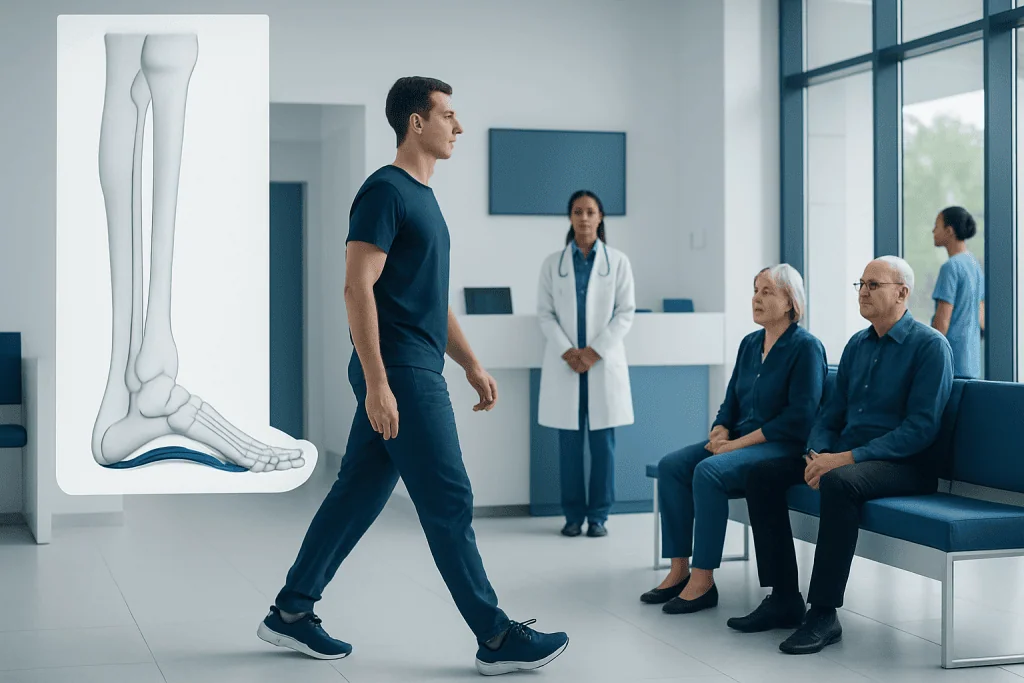
Overpronation is excessive inward rolling of the foot during movement. It may be linked with flat arches, poor shoe support, overuse, or differences in leg and foot mechanics.
Key Takeaways
- Overpronation is excessive inward rolling of the foot during movement.
- It may be linked with flat arches, poor shoe support, overuse, or differences in leg and foot mechanics.
- Not everyone with overpronation has pain, but persistent symptoms should be evaluated.
- Treatment may include footwear changes, exercises, physical therapy, and orthotics.
- Medical care is important if pain is ongoing, walking becomes difficult, or swelling and instability develop.
Overpronation means the foot rolls inward more than usual during walking or running. It is common and often manageable, but in some people it can contribute to foot, ankle, knee, hip, or lower back discomfort and may benefit from medical assessment.
Overview: what overpronation means
Overpronation is a movement pattern in which the foot rolls inward more than expected after it lands on the ground. Some pronation is normal and helps absorb shock during walking and running. The term becomes important when the inward roll is excessive and changes how the foot, ankle, and leg handle body weight.
Many people with overpronation do not notice it at first. Others become aware of it because shoes wear out unevenly, the arches appear flatter, or pain develops during activity. Over time, the extra inward motion can place added stress on muscles, tendons, ligaments, and joints higher up the leg.
Overpronation is not a disease by itself. It is better understood as a biomechanical pattern that may contribute to symptoms in some people. When symptoms occur, they often involve the feet and ankles first, but the effects can also be felt in the knees, hips, or lower back.
How overpronation can affect the body
The foot works as the foundation for standing and movement. If it rolls inward too much, the ankle may tilt and the leg may rotate in a way that changes alignment through the knee and hip. This does not always cause harm, but repeated strain can lead to discomfort over time, especially during sports or long periods of walking.
People may notice tired feet, aching arches, or soreness along the inside of the ankle. Others describe shin discomfort, heel pain, or a sense that the foot feels unstable. The pattern can also worsen other conditions such as flat feet or make recovery from overuse injuries slower.
Overpronation can be especially relevant for runners, people who stand for many hours, and those whose footwear does not provide enough support. In children, some inward rolling can be part of normal development, but persistent pain or functional problems should still be assessed by a qualified clinician.
Common symptoms and signs
Symptoms vary widely. Some people have clear signs of overpronation without pain, while others experience repeated discomfort that affects exercise or daily routines. The pattern itself is often noticed together with tiredness in the feet or shoes that wear down more on the inner side.
Possible symptoms and signs include:
- Arch pain or a feeling of collapsing inward
- Heel pain, especially after activity or first thing in the morning
- Pain along the inside of the ankle
- Shin soreness or tenderness
- Knee discomfort during walking, running, or stairs
- Frequent ankle strain or a feeling of instability
- Uneven wear on the inner edges of shoes
Overpronation may also be associated with conditions that involve tissue irritation from repeated stress. Depending on the person, this can overlap with problems such as plantar fasciitis or tendon irritation around the ankle. Symptoms that keep returning despite rest or shoe changes deserve further evaluation.
Causes and risk factors
Overpronation usually develops because of a combination of foot shape, muscle control, and loading patterns rather than a single cause. A low or flexible arch can make the inward roll more noticeable, but people with normal arches can overpronate too. The way the ankle, calf, and hip muscles work together also plays an important role.
Common contributing factors include inherited foot structure, ligament laxity, muscle weakness, long hours of standing, repetitive sports, excess body weight, and footwear that is worn out or unsupportive. Tight calf muscles may limit ankle motion and shift stress to other parts of the foot. Previous injuries can also change gait mechanics and make overpronation more likely.
Risk does not always mean symptoms will occur. Some individuals adapt well and remain pain-free. However, if overpronation happens together with heavy training, poor recovery, or underlying structural problems, discomfort is more likely to develop.
How doctors diagnose overpronation
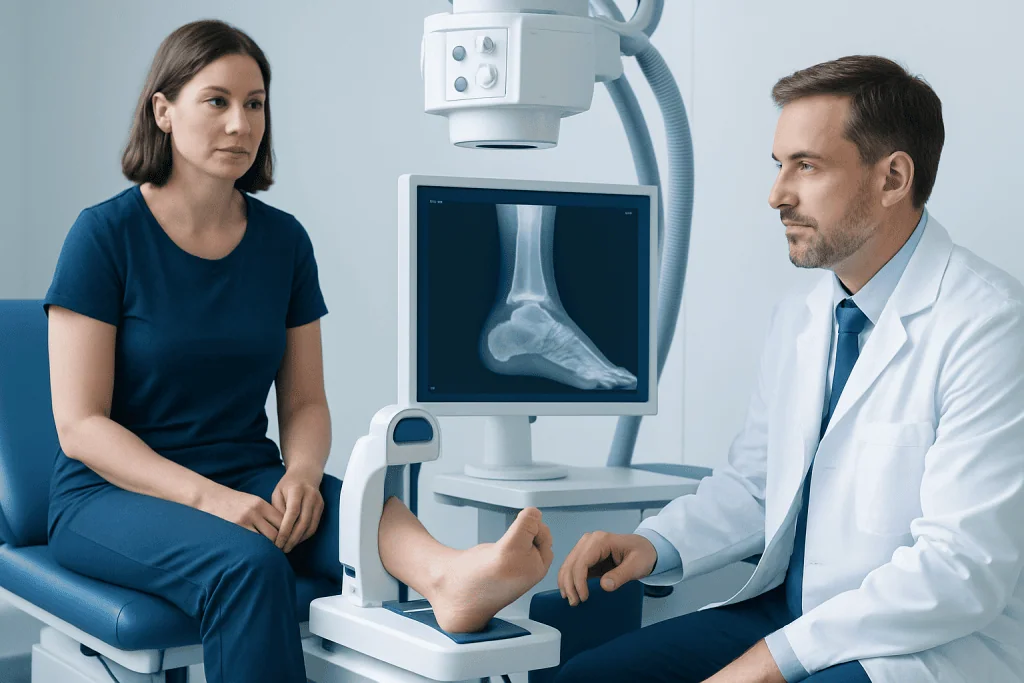
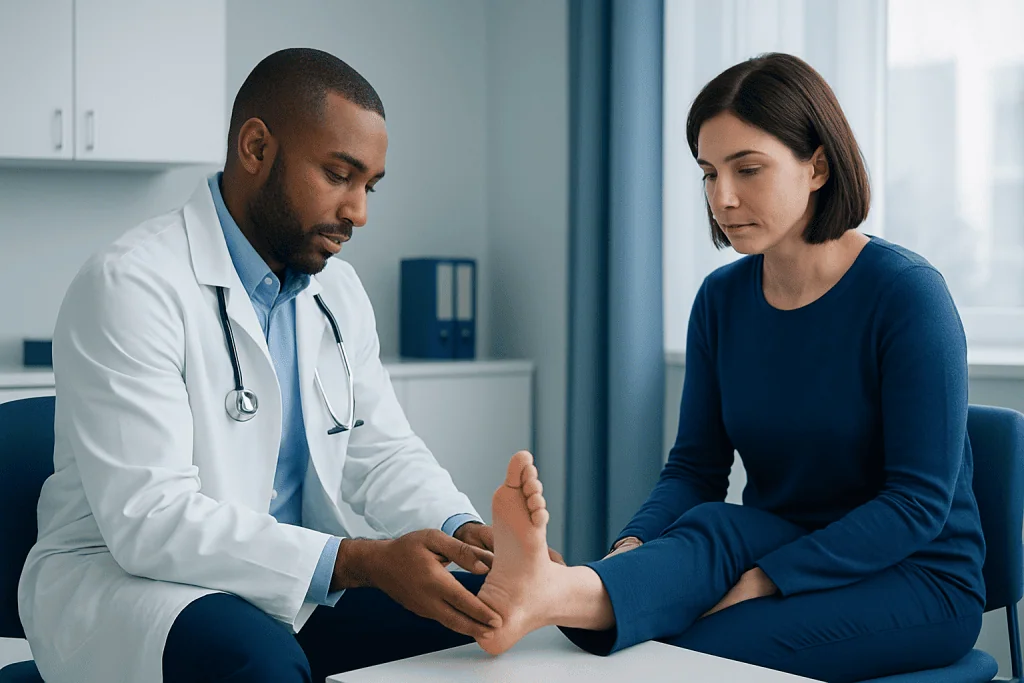
Diagnosis starts with a clinical assessment rather than a single test. A doctor, orthopedist, sports medicine physician, or physical therapist usually asks about symptoms, activity levels, previous injuries, and footwear. The feet are examined while standing, walking, and sometimes running to understand how the arch and ankle move under load.
The clinician may look at leg alignment, ankle flexibility, calf tightness, balance, and muscle strength. Shoe wear patterns can offer useful clues, although they are not enough on their own to confirm overpronation. In many cases, the diagnosis is based on the overall movement pattern and how it relates to symptoms.
Imaging is not always necessary. If there is significant pain, swelling, trauma, or concern about a structural problem, the doctor may recommend X-ray imaging or more advanced tests. Some patients benefit from a broader orthopedic evaluation when symptoms involve the ankle, knee, or persistent overuse injury.
Treatment options for overpronation
Treatment depends on whether overpronation is causing symptoms. If there is no pain or limitation, treatment may not be needed. When symptoms are present, the goal is usually to reduce strain, improve function, and support healthier movement rather than to force the foot into a perfectly fixed position.
Supportive footwear is often the first step. Shoes with good arch support, a stable heel counter, and a proper fit may help many people feel more comfortable. If standard shoes are not enough, a clinician may suggest insoles or custom orthotics to improve load distribution and reduce stress on painful areas.
Exercise and rehabilitation are also important. A structured program may include calf stretching, foot and ankle strengthening, balance work, and exercises for the hips and core. Some people benefit from physical therapy and rehabilitation to retrain movement patterns and return to activity more safely.
If overpronation contributes to a chronic tendon problem or more complex foot mechanics, doctors may evaluate related conditions such as Achilles tendonitis or posterior tibial tendon dysfunction. Surgery is uncommon and is usually considered only when significant structural problems cause ongoing pain and conservative treatment has not helped.
Self-care, prevention, and daily management
Self-care focuses on reducing repeated stress and supporting the foot during everyday activity. Replacing worn shoes on time, choosing footwear suited to the activity, and avoiding sudden increases in running or walking distance can all help. For people who stand a lot, alternating tasks and resting the feet during breaks may reduce strain.
Home exercises can support better control of the foot and leg. These may include gentle calf stretches, towel scrunches, heel raises, and balance exercises, but they should be done correctly and without increasing pain. Weight management, when appropriate, can also reduce pressure on the feet and lower limbs.
It is helpful to monitor symptoms rather than focusing only on foot shape. Mild soreness after a new activity may settle with rest, but repeated pain is a sign that the body may need more support or professional guidance. Near the end of the care pathway, patients who need specialist input may be assessed at Acibadem International, where multidisciplinary specialists in JCI-accredited hospitals diagnose and treat foot and gait-related problems for international patients.
When to seek medical care
Medical assessment is appropriate when foot, ankle, or leg pain lasts more than a short period, keeps returning, or interferes with exercise, work, or daily activities. It is also wise to seek care if a child has persistent pain, frequent tripping, or difficulty keeping up with normal activity.
Prompt medical attention is important if there is major swelling, redness, sudden inability to bear weight, numbness, visible deformity, or pain after an injury. These features can suggest something more than a simple gait issue. A qualified doctor can determine whether symptoms are related to overpronation alone or to another orthopedic or neurological problem that needs specific treatment.
Frequently asked questions
Is overpronation the same as flat feet?
Not exactly. Flat feet can contribute to overpronation, but the terms are not identical. Overpronation describes how the foot moves, while flat feet describe the shape of the arch.
Can overpronation cause knee or hip pain?
Yes, it can in some people. Because the foot affects alignment through the leg, excessive inward rolling may increase stress on the knee and hip during repeated movement. Other causes are also possible, so persistent pain should be assessed by a doctor.
Do all people with overpronation need orthotics?
No. Orthotics are usually considered when symptoms continue despite suitable shoes and exercise. Many people improve with supportive footwear, activity changes, and strengthening alone.
Can children outgrow overpronation?
Some children have flexible flat feet or inward rolling that improves as they grow. However, persistent pain, frequent falls, or limits in activity should not be ignored. A pediatric or orthopedic assessment can help decide whether treatment is needed.
What kind of shoes help with overpronation?
Supportive shoes with a stable heel, good fit, and appropriate cushioning often help. The best choice depends on the person's foot shape, activity, and symptoms. A clinician or experienced footwear specialist may help guide selection.
Can exercises really improve overpronation?
Exercises may not completely change foot structure, but they can improve strength, control, and load distribution. This often reduces pain and supports better movement. Consistency and proper technique are important for the best results.
References
- American Academy of Orthopaedic Surgeons
- American Orthopaedic Foot & Ankle Society
- National Institute of Arthritis and Musculoskeletal and Skin Diseases
- MedlinePlus
- National Health Service
This article is for general information only and is not a substitute for professional medical advice. Please consult a qualified doctor about your individual situation.
Joint and spine care in Turkey — expert assessment & treatment
JCI-accredited · board-certified surgeons · reply within 24h
Add us as a Preferred Source to see more of our trusted health content across Google Search, AI Overviews and Discover.

More from the Health Library



Related Specialists

Prof. Dr. Özmen Öztürk
Otorhinolaryngology
Fzt. Demet Orhan
Physical Medicine & Rehabilitation
Assoc. Prof. Dr. Sena Sert Şekerci
Cardiology
Assoc. Prof. Dr. Nilgün Güldoğan
Radiology