Testicular Pain: Common Causes, Related Conditions, and When to See a Doctor
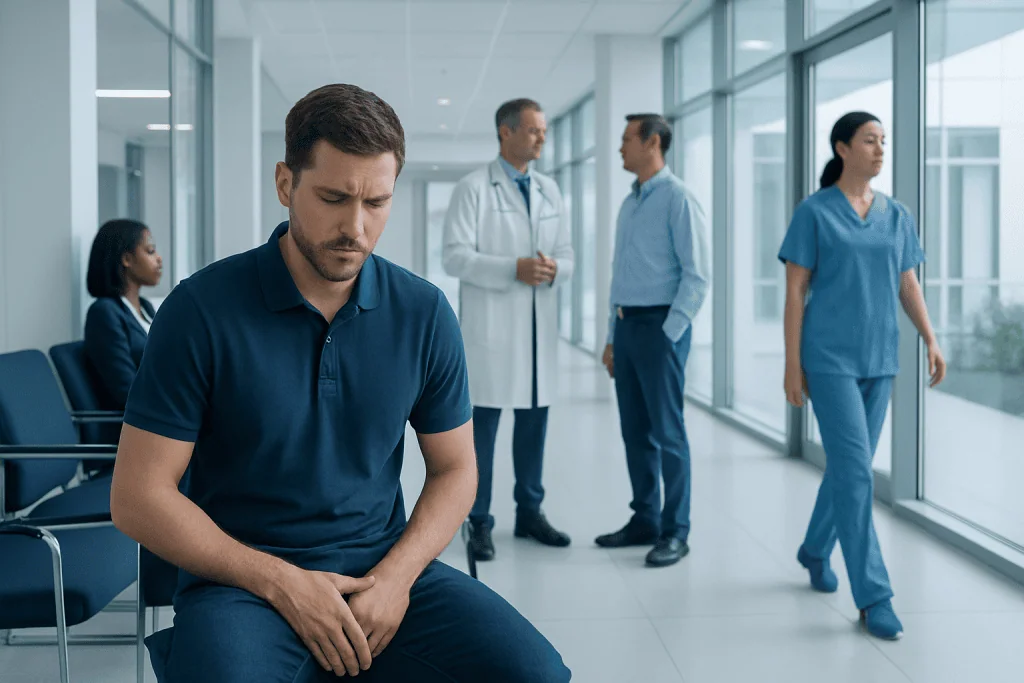
Testicular pain may affect one or both testicles and can be sharp, dull, constant, or intermittent. Common causes include injury, infection, epididymitis, hernia, kidney stones, varicocele, and referred pain from nearby structures.
Key Takeaways
- Testicular pain may affect one or both testicles and can be sharp, dull, constant, or intermittent.
- Common causes include injury, infection, epididymitis, hernia, kidney stones, varicocele, and referred pain from nearby structures.
- Sudden severe pain, swelling, nausea, fever, or a high-riding testicle needs urgent medical evaluation.
- Diagnosis often includes a physical exam, urine tests, and a scrotal ultrasound.
- Treatment depends on the cause and may involve rest, antibiotics, pain relief, or surgery.
- Any new lump, persistent pain, or change in the scrotum should be checked by a healthcare professional.
Testicular pain is a symptom rather than a diagnosis, and it can range from a minor strain to a condition needing urgent treatment. Mild discomfort may come from injury or irritation, but sudden, severe, or ongoing pain should be assessed by a doctor to rule out problems such as infection, hernia, kidney stones, or testicular torsion.
Overview: what testicular pain can mean
Testicular pain describes discomfort felt in one or both testicles or in the surrounding scrotum. The pain may begin suddenly or develop gradually, and it may feel aching, heavy, sharp, burning, or throbbing. Some people notice pain only with movement, exercise, urination, or sexual activity, while others feel it at rest.
Because the testicles and nearby structures share nerves with the groin, lower abdomen, and urinary tract, pain in this area does not always come from the testicle itself. A problem in the epididymis, spermatic cord, groin, bladder, ureter, or lower back may be felt as testicular pain. This is why a careful evaluation is important when symptoms are new, severe, or persistent.
Many causes are treatable and not dangerous, such as mild injury or temporary irritation. However, some causes need prompt care to protect the testicle and prevent complications. In particular, sudden intense pain may signal testicular torsion, a time-sensitive emergency in which blood flow to the testicle is reduced or blocked.
Symptoms and patterns that help identify the cause
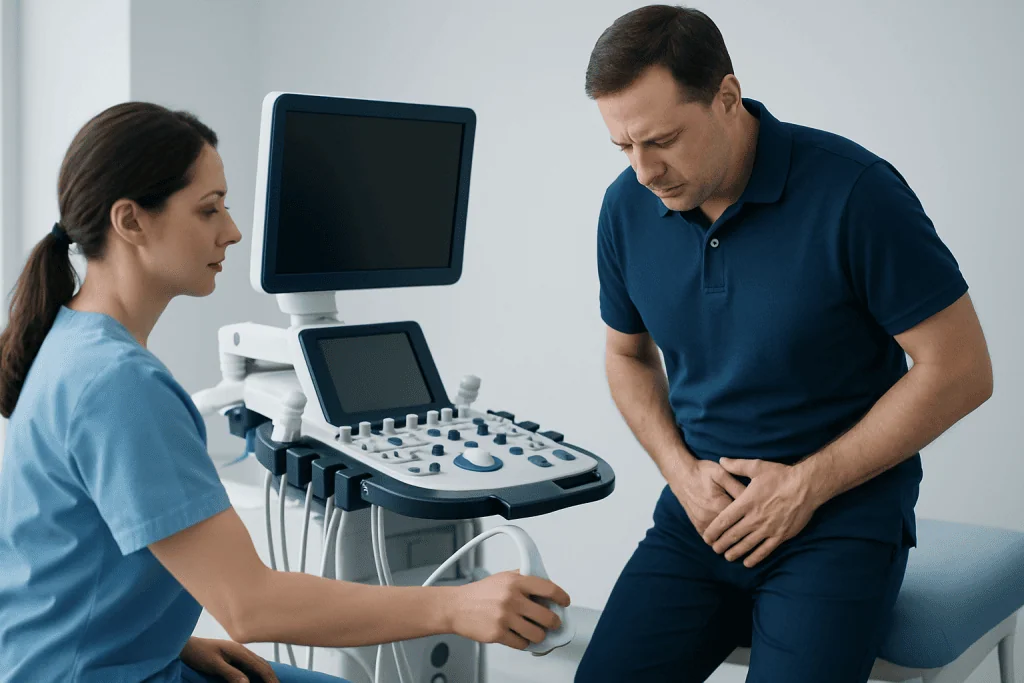
Doctors often begin by asking how the pain started, where it is felt, and what other symptoms are present. Testicular pain can occur on one side or both. It may be constant, come and go, or worsen with walking, lifting, coughing, or touching the area. Swelling, redness, warmth, tenderness, or a feeling of heaviness can provide clues.
Associated symptoms are especially helpful. Burning during urination, urinary frequency, fever, or discharge from the penis can suggest infection. Nausea, vomiting, and sudden severe one-sided pain are more concerning for torsion. Groin bulging may point to a hernia, while pain that starts in the side or back and moves toward the groin may occur with a kidney stone.
- Sharp pain after trauma may follow a sports injury or direct blow.
- Aching pain with swelling behind the testicle can occur with epididymitis.
- A dull, dragging discomfort that worsens after standing may be linked to varicocele.
- Intermittent pain with no obvious swelling can sometimes come from nerve irritation or referred pain.
Although discomfort may be mild at first, any testicular pain that does not improve, keeps returning, or comes with a lump should not be ignored. Some scrotal conditions overlap in symptoms, so self-diagnosis is not always reliable.
Common causes and related conditions

There are several possible causes of testicular pain. Injury is a common reason and may cause temporary soreness, bruising, and swelling. Infection and inflammation are also frequent causes, especially epididymitis, which affects the coiled tube behind the testicle and may cause tenderness, swelling, and urinary symptoms. In some cases, orchitis, or inflammation of the testicle itself, can occur as well.
Other causes involve structures near the testicle. An inguinal hernia may produce groin discomfort or a bulge that worsens with coughing or lifting. A varicocele, which is an enlargement of veins in the scrotum, can cause a heavy or aching feeling, often later in the day. Hydrocele and spermatocele may also lead to scrotal fullness or discomfort, though they are often painless.
Not all pain begins in the scrotum. Kidney stones, urinary tract problems, nerve irritation, lower back issues, and pelvic floor tension can all refer pain to the testicular area. Less commonly, persistent discomfort may be associated with chronic scrotal pain syndromes. A testicular lump is not usually painful, but because testicular cancer can sometimes cause heaviness, aching, or a change in size, any new mass needs medical assessment.
A special cause worth highlighting is torsion. In testicular torsion, the spermatic cord twists and cuts off blood flow. This usually causes sudden, severe pain and swelling and is a medical emergency. Quick treatment matters because the goal is to restore blood flow as soon as possible.
Diagnosis: how doctors evaluate testicular pain
Diagnosis starts with a medical history and physical examination. A doctor may ask about recent injury, sexual history, urinary symptoms, fever, exercise, heavy lifting, and whether the pain began suddenly or gradually. During the exam, the scrotum, testicles, groin, and abdomen are assessed for swelling, tenderness, masses, skin changes, and signs of hernia.
Tests are chosen based on the suspected cause. Urinalysis and urine culture can help detect infection or blood in the urine. Sexually transmitted infection testing may be recommended in some situations. If the cause is unclear or torsion needs to be ruled out, scrotal ultrasound with Doppler is commonly used to assess blood flow and look for inflammation, fluid collections, or structural problems. In some cases, doctors may also request imaging for the urinary tract if a kidney stone is suspected.
Prompt evaluation is especially important when symptoms are severe or sudden. For conditions affecting blood supply, waiting for symptoms to settle on their own can increase the risk of damage. If a surgical cause is suspected, urgent consultation with a urology team may be needed, including evaluation for urology care.
Treatment options and what recovery may involve
Treatment for testicular pain depends entirely on the cause. Minor injury may improve with rest, scrotal support, and simple pain-relief measures recommended by a doctor. Infections such as epididymitis are commonly treated with antibiotics when bacteria are involved, along with supportive care such as rest and hydration. If an underlying sexually transmitted infection is found, treatment guidance for partners may also be discussed.
Some structural causes need procedures or surgery. Torsion requires urgent treatment to untwist the spermatic cord and secure the testicle, often with surgical treatment in urology. Hernias may be repaired if they are causing pain or risk complications. Varicocele, hydrocele, or other chronic scrotal conditions may be monitored or treated depending on symptoms, fertility concerns, and exam findings.
When pain is linked to urinary stones or urinary tract obstruction, treatment focuses on the underlying problem, sometimes with kidney stone treatment. If persistent pain remains after other causes have been excluded, a doctor may consider chronic scrotal pain management strategies, which can include medication, supportive garments, pelvic floor approaches, or referral to specialists.
Recovery time varies. Pain from mild trauma may settle within days, while infection can take longer even after treatment starts. Surgical recovery depends on the procedure, but patients are usually advised to avoid heavy lifting and follow their doctor’s instructions closely.
Self-care and prevention
Not every cause of testicular pain can be prevented, but some steps can reduce risk. Protective athletic gear may help prevent sports-related injuries. Good genital hygiene, safer sex practices, and timely treatment of urinary or sexually transmitted infections may lower the chance of inflammatory causes.
For mild discomfort after minor strain or impact, supportive underwear, limiting strenuous activity, and resting the area may help while waiting for medical advice. However, home care should not replace evaluation when symptoms are severe, unexplained, or persistent. Applying measures without knowing the cause can delay treatment for conditions that need urgent care.
- Use sports protection during contact activities.
- Avoid heavy lifting if groin pain or a hernia is suspected.
- Seek treatment for urinary symptoms, fever, or genital discharge.
- Perform occasional self-awareness checks for new lumps, swelling, or changes in size.
People with repeated episodes of pain should keep track of timing, triggers, and related symptoms. This information can help a doctor identify patterns and decide whether additional testing is needed.
When to seek medical care
Immediate medical care is needed for sudden severe testicular pain, especially if it is one-sided or comes with swelling, nausea, vomiting, or a testicle that seems higher than usual. These features can occur with torsion, which is an emergency. A significant injury, rapid swelling, severe tenderness, or inability to pass urine also warrants urgent attention.
Medical assessment is also important if pain lasts more than a short time, keeps coming back, or is associated with fever, burning during urination, blood in the urine, discharge, or a groin bulge. Any new lump, firmness, change in testicle size, or persistent heavy sensation should be examined even if pain is mild.
If specialist care is needed, evaluation may involve urology assessment and imaging. Near the end of the care pathway, patients may also be referred for targeted treatment depending on the diagnosis. Acibadem International’s multidisciplinary specialists and JCI-accredited hospitals evaluate and treat urologic conditions for international patients when advanced assessment or treatment is required.
Frequently asked questions
Is testicular pain always an emergency?
No. Testicular pain can happen for many reasons, including minor injury, temporary irritation, or infection. However, sudden severe pain should be treated as urgent because it may be caused by testicular torsion, which needs prompt medical care.
Can a kidney stone cause testicular pain?
Yes. A kidney stone can cause referred pain that travels from the side or lower back into the groin and testicle. This is often accompanied by flank pain, nausea, or blood in the urine.
What does epididymitis feel like?
Epididymitis often causes gradual pain and tenderness on one side of the scrotum, sometimes with swelling and warmth. Some people also have fever, urinary burning, or a need to urinate more often.
Can testicular cancer cause pain?
Testicular cancer is more often noticed as a lump, firmness, or change in size rather than significant pain. Still, some people feel aching, heaviness, or mild discomfort, so any new testicular change should be checked by a doctor.
Should someone go to the emergency room for sudden testicular pain?
Yes. Sudden, intense pain, especially with swelling, nausea, vomiting, or a high-riding testicle, should be assessed urgently. Rapid evaluation helps rule out torsion and other conditions that may need immediate treatment.
How is testicular pain diagnosed?
Doctors usually diagnose the cause through a medical history, physical examination, and tests such as urinalysis or scrotal ultrasound. Additional tests may be recommended if infection, kidney stones, or a hernia is suspected.
This article is for general information only and is not a substitute for professional medical advice. Please consult a qualified doctor about your individual situation.
Explore treatments in Turkey — costs, top hospitals & a free quote
JCI-accredited · board-certified surgeons · reply within 24h
Add us as a Preferred Source to see more of our trusted health content across Google Search, AI Overviews and Discover.

More from the Health Library

Does Chewing Gum Help Jawline? Here Is What the Evidence Says

Can You Die From a Panic Anxiety Attack? Here Is What the Evidence Says

How Long to Boil Corn on the Cob? Here Is What the Evidence Says

Nausea After Workout: Common Causes, Related Conditions, and When to See a Doctor

Can You Be Allergic to Water? Here Is What the Evidence Says