

Cardiomegaly: An Evidence-Based Guide for Patients

Cardiomegaly refers to an enlarged heart seen on imaging, not a final diagnosis on its own. Common causes include high blood pressure, heart valve disease, heart muscle disease, coronary artery disease, and fluid around the heart.
Key Takeaways
- Cardiomegaly refers to an enlarged heart seen on imaging, not a final diagnosis on its own.
- Common causes include high blood pressure, heart valve disease, heart muscle disease, coronary artery disease, and fluid around the heart.
- Some people have no symptoms, while others develop shortness of breath, fatigue, swelling, or palpitations.
- Diagnosis often involves a chest X-ray, ECG, echocardiogram, blood tests, and sometimes advanced imaging.
- Treatment depends on the cause and may include lifestyle changes, medicines, procedures, or devices.
- New or worsening chest pain, fainting, severe breathlessness, or rapid swelling need urgent medical attention.
Cardiomegaly means the heart is larger than normal on imaging, but it is not a disease by itself. It is usually a sign that the heart is working harder than usual or has been affected by an underlying condition, so evaluation focuses on finding the cause and treating it early.
What cardiomegaly means
Cardiomegaly means an enlarged heart. In simple terms, it describes a heart that appears bigger than expected on an imaging test, such as a chest X-ray or echocardiogram. It is not a diagnosis by itself. Instead, it is a clue that prompts doctors to look for the reason the heart has become enlarged.
The heart may look enlarged because the muscle walls have thickened, because one or more chambers have stretched, or because fluid around the heart makes the silhouette appear bigger on a chest X-ray. These differences matter because they point to different causes and treatments. A larger heart can sometimes still pump well, but in other cases it signals that the heart is under strain.
Cardiomegaly may develop gradually over time or appear more suddenly, depending on the cause. Some people learn about it unexpectedly during testing for another reason, while others seek care because of symptoms such as breathlessness or swelling. The most helpful next step is a proper medical evaluation to understand what type of enlargement is present and why.
How an enlarged heart can affect health
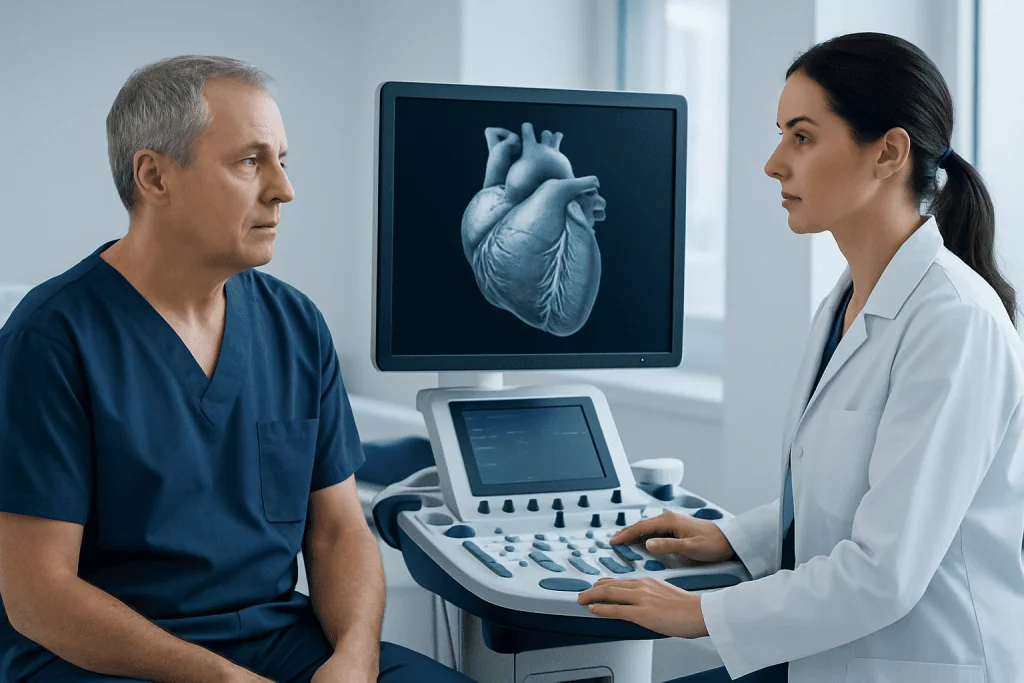
The heart is a pump, and its size often reflects how hard it has been working. When the heart must push against high blood pressure, compensate for a leaky or narrowed valve, or recover from damage to the heart muscle, it may enlarge as an adaptation. At first, this can help maintain blood flow. Over time, however, the same changes may make the heart less efficient.
An enlarged heart can affect the way blood moves through the body and lungs. Some people develop symptoms of heart failure, while others experience rhythm problems, reduced exercise tolerance, or tiredness. In a few cases, enlargement is mild and stable, but in others it progresses unless the underlying cause is treated.
Because cardiomegaly is linked to several heart conditions, doctors often evaluate for related problems such as heart failure, coronary artery disease, or arrhythmias. Understanding the larger picture helps guide treatment and may prevent complications.
Symptoms and signs to watch for

Cardiomegaly does not always cause symptoms, especially in the early stages. Many people feel well and only discover it after a routine image or evaluation for another condition. When symptoms do occur, they often reflect the underlying heart problem rather than the enlargement itself.
Common symptoms can include shortness of breath during activity or when lying flat, unusual fatigue, reduced ability to exercise, swelling in the ankles or legs, and a sensation of a fast, pounding, or irregular heartbeat. Some people notice coughing at night, sudden weight gain from fluid retention, or a feeling of chest pressure.
Doctors also look for signs such as elevated blood pressure, extra heart sounds, swelling, or fluid in the lungs. A symptom pattern can provide useful clues. For example, palpitations may suggest a rhythm problem, while leg swelling and breathlessness can point toward fluid overload or weakening of the heart muscle.
- Shortness of breath
- Fatigue or reduced stamina
- Palpitations or irregular heartbeat
- Swelling in the legs, ankles, or abdomen
- Chest discomfort or pressure
- Dizziness or fainting in some cases
Causes and risk factors
There are several possible causes of cardiomegaly. One of the most common is long-standing high blood pressure, which makes the heart pump harder and can cause the muscle to thicken. Heart valve disease can also enlarge the heart because the chambers may have to compensate for extra pressure or extra volume. Damage from a previous heart attack, coronary artery disease, and diseases of the heart muscle itself can all lead to enlargement.
Other causes include congenital heart disease, thyroid disorders, severe anemia, kidney disease, pregnancy-related heart muscle problems, and some infections that affect the heart. Athletes may sometimes have a larger heart as a normal adaptation to intense training, but this pattern is different from disease-related enlargement and should still be assessed if there are symptoms. Fluid around the heart, called pericardial effusion, can also make the heart appear enlarged on a chest X-ray even when the heart muscle is not actually bigger.
Risk factors often overlap with general cardiovascular risk. These include high blood pressure, diabetes, smoking, obesity, sleep apnea, high cholesterol, alcohol misuse, family history of cardiomyopathy, and older age. Identifying modifiable risk factors is important because treating them may slow or even partially reverse some forms of enlargement.
How cardiomegaly is diagnosed
Diagnosis begins with a clinical history and physical examination. A doctor asks about symptoms, blood pressure, medical history, family history, pregnancy history where relevant, medications, and lifestyle factors. The goal is not only to confirm that the heart is enlarged, but also to understand the pattern and likely cause.
A chest X-ray may first suggest cardiomegaly, but it cannot show all details. An electrocardiogram can look for rhythm problems, prior heart damage, or strain patterns. The most useful test in many cases is an echocardiogram, an ultrasound of the heart that shows chamber size, wall thickness, valve function, and pumping strength. This can help distinguish between a thickened heart muscle, a stretched chamber, or another structural issue.
Blood tests may assess kidney function, thyroid disease, anemia, infection, or markers related to heart failure. Some patients need further testing such as stress testing, cardiac MRI, CT scanning, or coronary angiography if doctors suspect blocked arteries or a complex heart muscle problem. In many centers, evaluation may include echocardiography and, when needed, cardiac MRI to provide a clearer picture of heart structure and function.
Treatment options and long-term management
There is no single treatment for cardiomegaly because treatment depends on the cause. In many cases, the main aim is to reduce stress on the heart, improve symptoms, and prevent complications. If high blood pressure is the driver, careful blood pressure control is essential. If the problem is a weakened heart muscle, treatment may include medicines that help the heart pump more effectively and reduce fluid buildup.
Doctors may prescribe medications such as blood pressure medicines, diuretics, rhythm-control drugs, or other heart failure treatments, depending on the situation. If an abnormal heart rhythm is present, treatment may focus on controlling the rate, restoring rhythm, or preventing complications. Some patients need procedures or surgery to treat blocked arteries or valve disease. When appropriate, people may be evaluated for coronary angiography or heart valve surgery.
Long-term management usually includes regular follow-up and repeat imaging to see whether the heart size or function is changing. In some people, the enlargement improves once the cause is treated. In others, the goal is to keep the condition stable, reduce symptoms, and lower the risk of hospitalization or dangerous rhythm problems. Near the end of the care journey, some international patients choose assessment at Acibadem International, where multidisciplinary specialists in JCI-accredited hospitals evaluate and treat complex heart conditions.
Self-care, prevention, and when to seek medical care
Self-care does not replace medical treatment, but it can support heart health. Helpful steps often include taking medicines exactly as prescribed, monitoring blood pressure, limiting excess salt if advised, staying physically active within the doctor’s recommendations, maintaining a healthy weight, avoiding smoking, moderating alcohol, and managing conditions such as diabetes or sleep apnea. People with known heart disease should ask their doctor what level of exercise is safe for them.
Prevention focuses on reducing strain on the heart before enlargement develops or worsens. That means regular check-ups for blood pressure and cholesterol, prompt treatment of valve disease or thyroid problems, and early evaluation of unexplained breathlessness or swelling. Family history also matters. If close relatives have had cardiomyopathy or sudden cardiac death, a doctor may suggest screening.
Medical care should be sought promptly for new or worsening shortness of breath, swelling, fainting, persistent palpitations, or a marked drop in exercise tolerance. Emergency care is important if there is chest pain, severe breathing difficulty, blue lips, confusion, or sudden collapse. These symptoms do not always mean cardiomegaly is the cause, but they need urgent assessment because they can signal a serious heart problem.
Frequently asked questions
Is cardiomegaly the same as heart failure?
No. Cardiomegaly means the heart is enlarged, while heart failure is a condition in which the heart cannot pump blood as effectively as the body needs. An enlarged heart can be associated with heart failure, but not everyone with cardiomegaly has heart failure.
Can cardiomegaly be reversed?
Sometimes, depending on the cause. If the enlargement is related to high blood pressure, valve disease, or another treatable problem, treatment may reduce strain on the heart and improve its size or function. In other cases, the focus is on preventing further progression and controlling symptoms.
Is cardiomegaly serious?
It can be, but the seriousness depends on why the heart is enlarged and how well it is functioning. Some cases are mild and found incidentally, while others reflect an important heart condition that needs treatment. A medical evaluation helps clarify the level of risk.
What tests are usually done for cardiomegaly?
Doctors often begin with a chest X-ray, physical examination, and an electrocardiogram. An echocardiogram is commonly used to assess heart size, chamber function, and valve problems. Blood tests and more advanced imaging may be added based on the suspected cause.
Can someone have cardiomegaly without symptoms?
Yes. Some people have no symptoms and learn about it only after imaging done for another reason. Even without symptoms, it is still important to identify the cause because some underlying conditions can progress silently.
Does exercise help or harm an enlarged heart?
Exercise can be beneficial for many people with heart conditions, but the right type and intensity depend on the cause of the enlargement and the person’s overall health. A doctor can advise on safe activity levels. People with symptoms such as chest pain, severe shortness of breath, or fainting during exercise should seek medical care.
References
- American Heart Association
- National Heart, Lung, and Blood Institute
- European Society of Cardiology
- Mayo Clinic
- Centers for Disease Control and Prevention
This article is for general information only and is not a substitute for professional medical advice. Please consult a qualified doctor about your individual situation.
Explore treatments in Turkey — costs, top hospitals & a free quote
JCI-accredited · board-certified surgeons · reply within 24h
Add us as a Preferred Source to see more of our trusted health content across Google Search, AI Overviews and Discover.
Check your numbers in seconds
BMI, calories, due date, blood pressure and 30+ more clinical calculators — free, instant, doctor-reviewed ranges.

More from the Health Library



Related Specialists

Dr. Mutluhan Temizsoy
Aesthetic Plastic & Reconstructive Surgery
Prof. Dr. Faysal Dane
Medical Oncology
Dr. Zehra Filiz Gündoğan Turan
Anesthesiology
Prof. Dr. Mehmet Veli Karaaltın
Aesthetic Plastic & Reconstructive Surgery