Bipap Machine: What Patients Need to Know
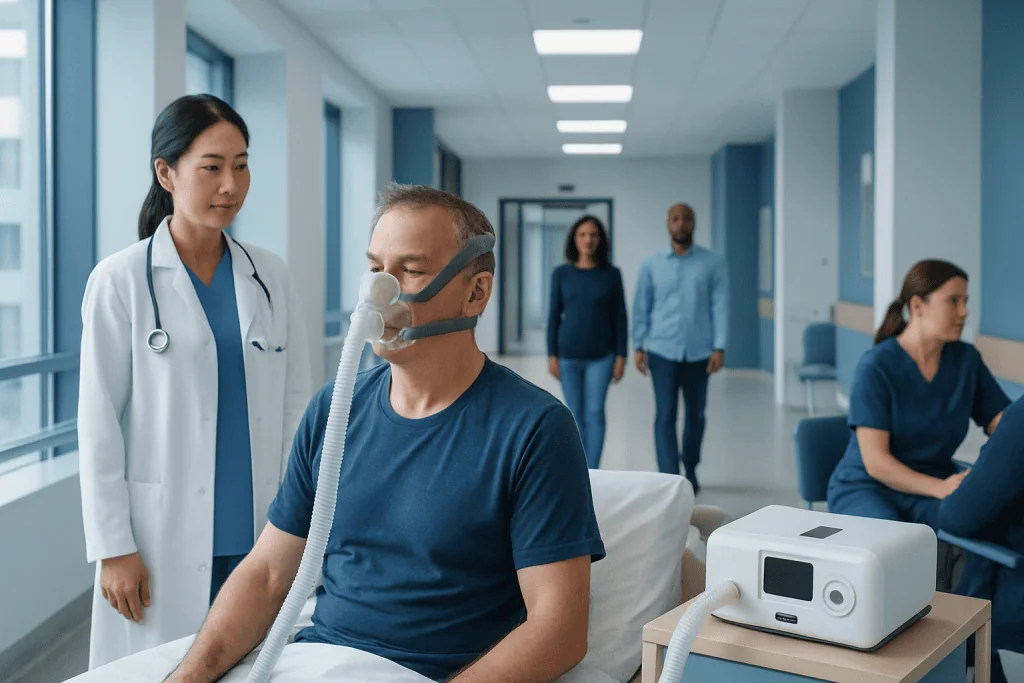
A bipap machine provides two pressure settings to make breathing in easier while allowing a lower pressure during exhalation. It is different from CPAP, which uses one continuous pressure level throughout the breathing cycle.
Key Takeaways
- A bipap machine provides two pressure settings to make breathing in easier while allowing a lower pressure during exhalation.
- It is different from CPAP, which uses one continuous pressure level throughout the breathing cycle.
- Doctors may prescribe BiPAP for sleep apnea, obesity hypoventilation, COPD, and some neuromuscular conditions.
- Successful treatment depends on proper diagnosis, mask fit, pressure settings, and regular follow-up.
- Patients should seek medical advice if they have severe shortness of breath, chest pain, confusion, or cannot tolerate the device.
A bipap machine is a noninvasive breathing support device that delivers two different air pressure levels: a higher pressure when breathing in and a lower pressure when breathing out. It is commonly prescribed for certain sleep-related breathing problems and some lung, nerve, or muscle conditions when extra support is needed.
What a bipap machine does
A bipap machine is a type of noninvasive ventilation device that helps a person breathe more effectively without the need for a breathing tube. It delivers pressurized air through a mask worn over the nose, or the nose and mouth. The key feature is that it uses two pressure levels: a higher pressure during inhalation and a lower pressure during exhalation.
This two-level support can make breathing feel more natural for some people, especially those who need help taking a deeper breath or who find it difficult to breathe out against a fixed pressure. A bipap machine is not the same as oxygen therapy, although some patients may use oxygen along with it if their doctor recommends it.
BiPAP is a brand-derived term often used generally for bilevel positive airway pressure. Clinicians may also call it bilevel therapy or noninvasive positive pressure ventilation. The device can be used at home for long-term treatment or in the hospital for short-term breathing support.
How BiPAP differs from CPAP
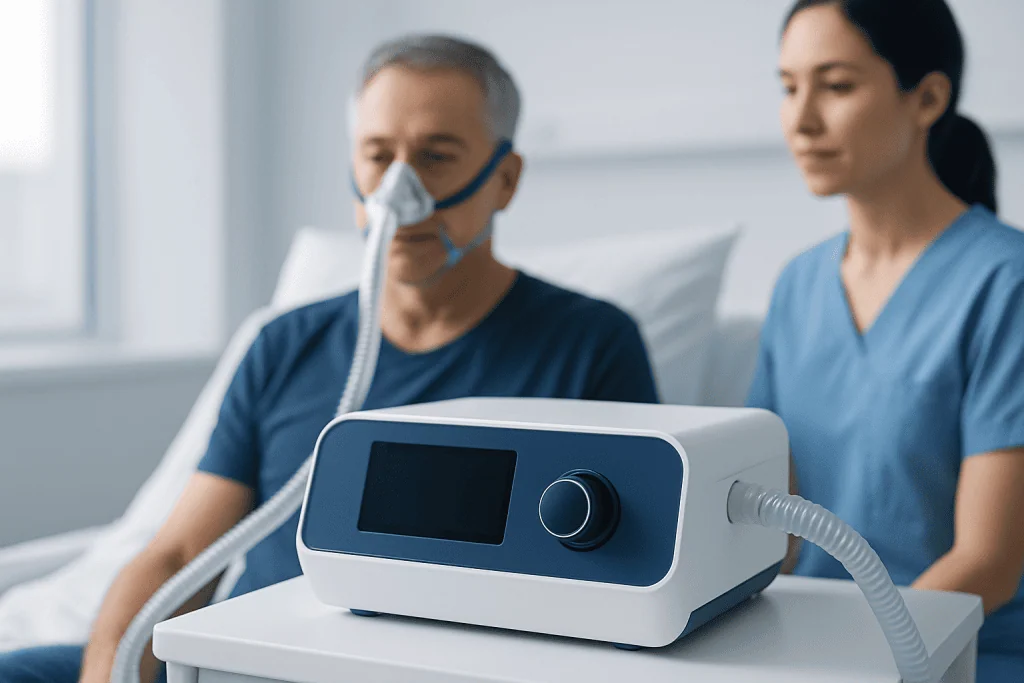
Patients often hear about CPAP and BiPAP together because both are positive airway pressure treatments. CPAP delivers one steady pressure all the time. That single pressure helps keep the airway open, which is especially useful in obstructive sleep apnea.
A bipap machine delivers two settings: inspiratory positive airway pressure and expiratory positive airway pressure. Because exhalation happens at a lower pressure, some patients find BiPAP more comfortable than CPAP, particularly if they need higher overall pressure support or have conditions that affect breathing strength.
BiPAP is not automatically better than CPAP. The right option depends on the underlying diagnosis, sleep study findings, daytime symptoms, blood oxygen and carbon dioxide levels, and how well a patient tolerates treatment. For many people with uncomplicated sleep apnea, CPAP remains the standard first treatment, while BiPAP may be chosen when more tailored support is needed.
Who may need a bipap machine
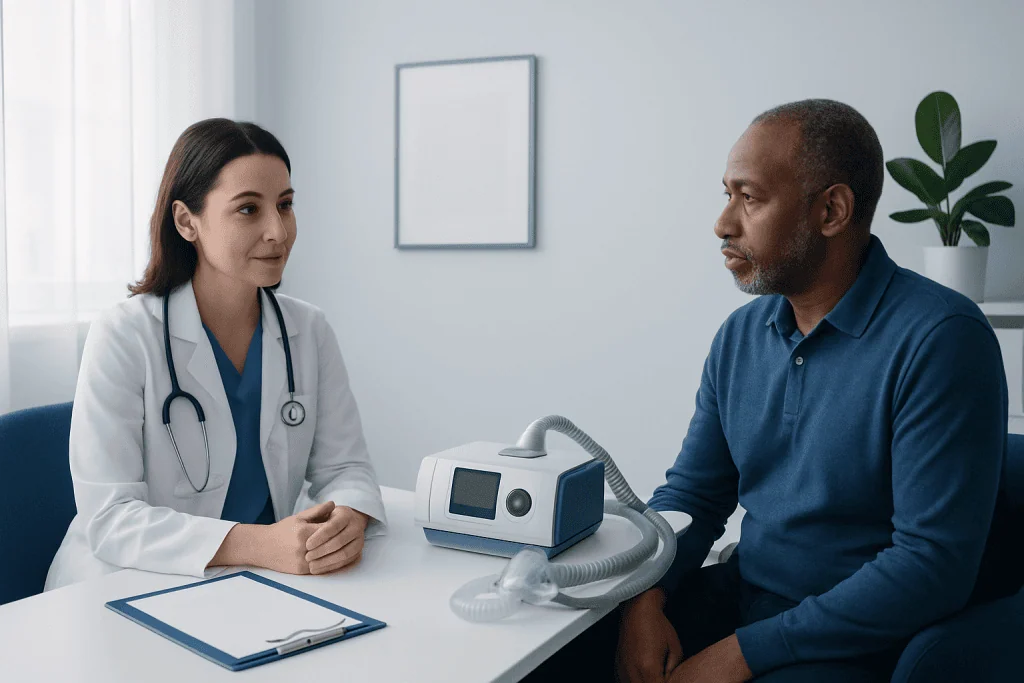
A doctor may prescribe a bipap machine for several reasons. One common use is sleep-disordered breathing, especially when a person has obstructive sleep apnea that is not adequately managed with CPAP or when high pressure is needed and exhaling becomes difficult. It may also be used in central sleep apnea or mixed sleep-related breathing disorders in selected cases.
BiPAP can also support people with conditions that reduce the ability to move air in and out of the lungs. Examples include chronic obstructive pulmonary disease, obesity hypoventilation syndrome, chest wall disorders, and some neuromuscular diseases. In these situations, the device may help lower carbon dioxide retention and reduce the work of breathing.
In hospitals, doctors sometimes use BiPAP during acute breathing problems to avoid invasive ventilation when appropriate. At home, it may be part of long-term management after specialist assessment. In some cases, treatment planning overlaps with care pathways used for sleep apnea treatment or COPD treatment, depending on the underlying condition.
- Obstructive sleep apnea with poor CPAP tolerance or high pressure needs
- Central sleep apnea in selected patients
- COPD with chronic ventilatory failure
- Obesity hypoventilation syndrome
- Neuromuscular disorders affecting breathing muscles
- Certain short-term hospital-based breathing emergencies
Symptoms and signs that may lead to evaluation
The need for a bipap machine is based on a medical evaluation rather than symptoms alone. Still, there are common signs that may prompt a doctor to investigate nighttime breathing or chronic under-breathing. These include loud snoring, pauses in breathing during sleep noticed by a partner, waking up gasping, morning headaches, poor sleep quality, and excessive daytime sleepiness.
Some patients have symptoms related to low oxygen or high carbon dioxide levels, such as fatigue, poor concentration, restless sleep, shortness of breath, or waking unrefreshed even after a full night in bed. People with muscle weakness or advanced lung disease may notice increasing breathlessness when lying flat or a reduced ability to take deep breaths.
These symptoms do not always mean a person needs BiPAP. They simply indicate that further assessment may be helpful. Depending on the cause, doctors may evaluate for sleep apnea, chronic lung disease, or breathing muscle weakness before recommending the most suitable device.
How doctors decide if BiPAP is appropriate
Choosing a bipap machine starts with identifying the reason for breathing support. A doctor will review symptoms, medical history, medications, weight changes, and any known lung, heart, or neuromuscular conditions. A physical examination is often followed by tests tailored to the suspected cause.
For sleep-related breathing problems, testing may include a sleep study at home or in a sleep laboratory. For chronic respiratory problems, the doctor may request pulse oximetry, arterial or capillary blood gas testing, lung function tests, chest imaging, or overnight monitoring of oxygen and carbon dioxide levels. These tests help show whether a person mainly needs airway splinting, ventilatory assistance, or another treatment entirely.
If BiPAP is prescribed, the device settings are individualized. Clinicians adjust inspiratory and expiratory pressures, backup breathing rate when needed, humidification, and mask type. Follow-up is important because settings may need refinement based on comfort, symptom improvement, sleep data, and objective measures such as oxygenation or carbon dioxide levels.
What treatment with a bipap machine involves
Using a bipap machine usually involves a bedside device, tubing, and a mask. Masks come in different styles, including nasal masks, nasal pillows, and full-face masks. The best option depends on facial structure, mouth breathing, skin sensitivity, and comfort. Humidification can help reduce dryness in the nose or throat.
Many patients need a short adjustment period. At first, wearing a mask and breathing with pressurized air can feel unfamiliar. Education, mask fitting, and gradual acclimatization often improve comfort. It also helps to use the device consistently as advised, rather than only on the most difficult nights, because regular use gives the best chance of symptom relief.
Common side effects include dry mouth, nasal congestion, air leaks around the mask, skin irritation, bloating from swallowed air, and a feeling of pressure intolerance. These issues are often manageable with mask changes, humidification, cleaning routines, or pressure adjustments by the care team. Patients should not change prescribed settings on their own without medical guidance.
For some people, broader management may be needed alongside BiPAP, such as weight management, smoking cessation, pulmonary rehabilitation, or treatment of the underlying disorder. In selected cases, options such as bronchoscopy or pulmonary rehabilitation may play a role in evaluating or supporting respiratory health, depending on the diagnosis.
Daily use, cleaning, and self-care
Good daily habits can make BiPAP treatment more effective and more comfortable. Patients are usually advised to use the machine exactly as prescribed, check the mask seal each night, and replace worn parts when recommended. If a patient travels often, a portable setup and a clear plan for power supply and accessories can help maintain regular use.
Cleaning matters because masks and tubing can collect moisture, skin oils, and debris. Manufacturers provide instructions for routine care, and patients should follow these carefully. In general, regular cleaning of the mask, humidifier chamber, and tubing helps reduce odor, irritation, and equipment problems. Filters also need periodic inspection and replacement according to the device guidance.
Self-care also includes addressing factors that affect breathing. Avoiding smoking, limiting alcohol close to bedtime, sleeping in a position recommended by the doctor, and managing nasal congestion may all improve comfort. If symptoms persist despite regular use, or if the device data suggest poor control, a follow-up review is important rather than simply discontinuing therapy.
When to seek medical care
A patient should contact a doctor if the bipap machine feels uncomfortable despite repeated attempts, if the mask causes ongoing skin breakdown, or if symptoms such as snoring, morning headaches, or daytime sleepiness continue without improvement. Medical review is also important if there is significant weight change, a new heart or lung diagnosis, or any reason to suspect the settings no longer match the patient’s needs.
Urgent medical care is needed for severe shortness of breath, chest pain, bluish lips, sudden confusion, fainting, or signs of a serious infection. A person should also seek urgent help if they cannot tolerate the device and their breathing seems to worsen, especially if they have a condition associated with high carbon dioxide levels.
Near the end of the care journey, some patients may benefit from multidisciplinary support from sleep specialists, pulmonologists, neurologists, and respiratory therapists. Acibadem International’s multidisciplinary specialists and JCI-accredited hospitals diagnose and treat patients who need evaluation for noninvasive ventilation and related breathing disorders.
Frequently asked questions
What is a bipap machine used for?
A bipap machine is used to support breathing by delivering two levels of air pressure, one for inhalation and a lower one for exhalation. Doctors may prescribe it for certain sleep-related breathing disorders, chronic respiratory failure, or conditions that weaken breathing muscles.
Is BiPAP the same as CPAP?
No. CPAP provides one continuous pressure throughout the breathing cycle, while BiPAP provides separate pressures for breathing in and breathing out. This difference can make BiPAP more suitable for patients who need ventilatory support or who have trouble exhaling against higher pressure.
Can a bipap machine help sleep apnea?
Yes, in some cases. A bipap machine may be used for sleep apnea when CPAP is not well tolerated, when higher pressures are needed, or when there are additional breathing problems such as hypoventilation. The choice depends on a doctor’s evaluation and, often, sleep study results.
Does a bipap machine provide oxygen?
Not by itself. A bipap machine mainly provides pressurized air to support breathing mechanics and ventilation. Some patients may use supplemental oxygen with the device if their doctor determines that oxygen levels also need support.
What side effects can happen with BiPAP?
Common side effects include dry mouth, nasal stuffiness, mask leaks, skin irritation, and discomfort from pressure. These problems are often improved by adjusting the mask, adding humidification, or reviewing the settings with a healthcare professional.
How do doctors know what BiPAP settings a patient needs?
Settings are chosen based on the patient’s diagnosis, symptoms, examination, and test results such as a sleep study or blood gas testing. Doctors may adjust the pressures over time to improve comfort and make sure treatment is working as intended.
This article is for general information only and is not a substitute for professional medical advice. Please consult a qualified doctor about your individual situation.
Explore treatments in Turkey — costs, top hospitals & a free quote
JCI-accredited · board-certified surgeons · reply within 24h
Add us as a Preferred Source to see more of our trusted health content across Google Search, AI Overviews and Discover.

More from the Health Library

Cod Liver Oil: A Complete Medical Overview

Pomegranate: A Complete Medical Overview

Concierge Medicine: An Evidence-Based Guide for Patients

Gorilla Brand Super Glue: An Evidence-Based Guide for Patients

Nightly Sweating: What Patients Need to Know