What Is a Smart Scale? Here Is What the Evidence Says

A smart scale measures weight and may estimate body fat, muscle mass, water, and related metrics. Most smart scales use bioelectrical impedance analysis, which gives estimates rather than exact medical measurements.
Key Takeaways
- A smart scale measures weight and may estimate body fat, muscle mass, water, and related metrics.
- Most smart scales use bioelectrical impedance analysis, which gives estimates rather than exact medical measurements.
- Readings can vary with hydration, meals, exercise, menstrual cycle, and time of day.
- Smart scales can help track trends, but they do not diagnose obesity, malnutrition, or hormone disorders on their own.
- Medical review is sensible if weight changes unexpectedly, body image concerns become distressing, or a person has symptoms such as swelling, fainting, or rapid weight loss.
A smart scale is usually a safe, convenient home device that measures body weight and estimates body composition using a weak electrical signal. For most people, it is best used to follow long-term trends rather than to make medical decisions from a single reading.
Overview: What a Smart Scale Actually Does
A smart scale is a digital bathroom scale that does more than show body weight. In addition to weight, many models estimate body fat percentage, muscle mass, body water, bone mass, body mass index (BMI), and sometimes resting metabolic rate or visceral fat score. Most connect to a phone app by Bluetooth or Wi-Fi so readings can be stored over time.
For many people, using a smart scale is harmless and can be helpful when the goal is to notice long-term patterns. The key point is that these devices do not directly “see” body fat or muscle. They estimate body composition from electrical resistance, so the numbers are affected by everyday factors such as hydration, meals, exercise, and even warm or cold skin.
That means a smart scale can be useful for self-monitoring, but it should not be treated as a standalone medical test. A single reading rarely says much on its own. Trends collected under similar conditions over weeks or months are usually more informative than day-to-day fluctuations.
How Smart Scales Work
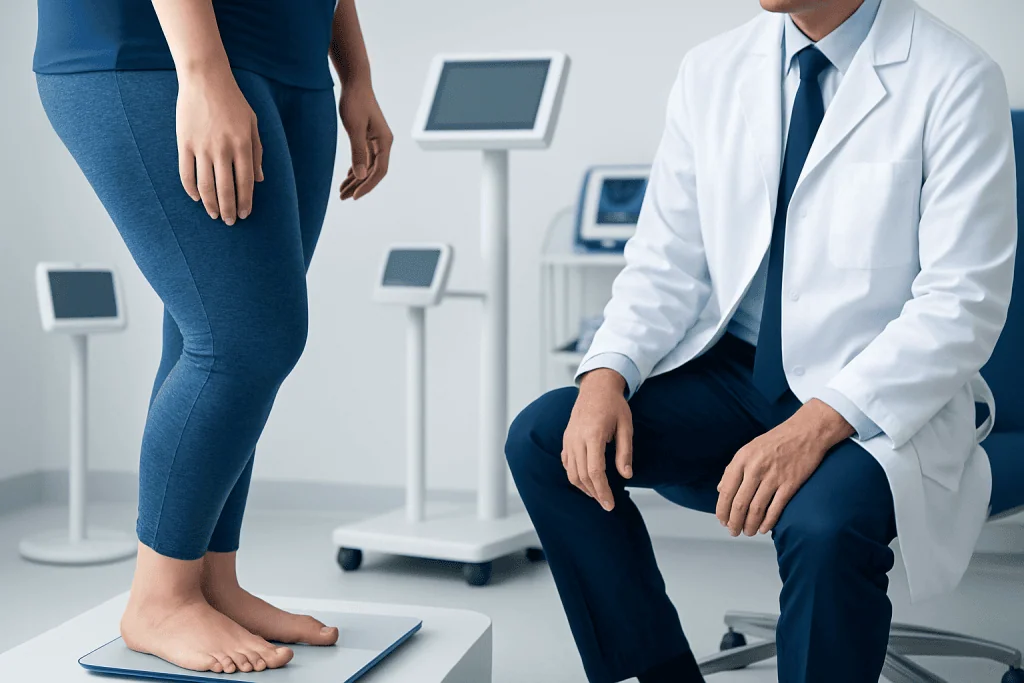
Most smart scales use a method called bioelectrical impedance analysis, often shortened to BIA. When a person stands barefoot on the metal contacts, the scale sends a very weak electrical current through the body. Because water, muscle, fat, and other tissues conduct electricity differently, the scale uses that resistance pattern together with age, sex, height, and weight to estimate body composition.
The current used in home BIA devices is generally very low. For healthy adults, this is usually considered safe in routine use. However, people with certain implanted medical devices, such as some pacemakers or defibrillators, should follow their doctor’s guidance and the device manufacturer’s instructions before using any body composition feature.
Many smart scales also calculate BMI from height and weight entered in the app. BMI can be a useful screening tool at the population level, but it cannot distinguish between fat and muscle and may not reflect an individual’s overall health. For that reason, body composition estimates, waist measurements, symptoms, physical examination, and lab results may all matter more than one metric alone.
- Weight: directly measured by the scale.
- BMI: calculated from height and weight.
- Body fat and muscle: estimated from impedance, not directly measured.
- Water and bone metrics: also estimated and may vary noticeably from day to day.
What the Evidence Says About Accuracy

The evidence suggests that smart scales are usually reasonably good at measuring body weight, but less reliable for body composition. Weight measurement on a quality digital scale is often fairly consistent when used on a hard, level surface. By contrast, body fat and related figures from home BIA devices are estimates that can differ from more specialized methods used in clinics and research settings.
Compared with tests such as dual-energy X-ray absorptiometry, air displacement plethysmography, or professionally performed body composition analysis, home smart scales may overestimate or underestimate body fat depending on the person and the device. This does not mean they are useless. It means their main value is often in showing direction of change over time rather than giving an exact percentage.
Results are especially sensitive to hydration. After exercise, after alcohol, during illness, after a large meal, or during hormonal changes, a person may see shifts in body fat or muscle estimates that do not reflect real changes in tissue. For the most meaningful comparison, it helps to weigh under similar conditions each time, such as in the morning after using the bathroom and before eating.
In short, the evidence supports smart scales as home tracking tools, not as diagnostic devices. If someone is concerned about unhealthy weight changes, obesity, edema, malnutrition, or metabolic disease, a clinician may use a broader assessment and, when needed, recommend formal evaluation for obesity or related conditions.
Benefits and Common Limitations
A smart scale can encourage awareness and consistency. Some people find that automatic tracking helps them notice whether lifestyle changes are moving in the intended direction. For example, stable weight with improved exercise habits may be easier to interpret when muscle and body fat estimates are viewed as a trend rather than isolated numbers.
These devices may also help some users separate normal daily variation from meaningful long-term change. Body weight naturally fluctuates because of hydration, salt intake, bowel habits, and the menstrual cycle. Seeing a pattern over several weeks can be more reassuring than reacting to one surprising result.
Still, there are important limitations. Smart scales can create confusion if the app presents many metrics as though they were equally precise. A one-day drop in “muscle mass” or rise in “body fat” often reflects fluid shifts, not a true tissue change. In some people, frequent weighing may also increase anxiety or lead to unhelpful fixation on numbers.
They are also less dependable in certain circumstances, including pregnancy, advanced age, very high muscularity, significant swelling, and some chronic illnesses. If weight management is a health priority, clinician-guided support such as weight loss surgery or structured nutritional care may be more appropriate than relying on app data alone.
Who May Find a Smart Scale Helpful
A smart scale may be useful for adults who want a practical way to track weight trends at home. It can support goals related to exercise, nutrition, or recovery from illness when the numbers are interpreted cautiously. For people trying to build healthier routines, the habit of regular but not excessive monitoring can sometimes be motivating.
It may also help clinicians and patients discuss change over time. If a person brings several months of weight trends to an appointment, that information can complement symptoms, blood pressure, waist size, and laboratory results. In people being evaluated for conditions such as diabetes, weight pattern can be part of the overall picture, though it is never the whole story.
However, a smart scale is not ideal for everyone. Children and teenagers generally need age-appropriate growth assessment rather than adult-style body composition targets. People with eating disorders, body dysmorphia, or significant weight-related distress may be better served by a plan that does not center on frequent self-weighing. In these situations, personalized medical and psychological support is more valuable than more data.
How Doctors Evaluate Concerning Weight or Body Composition Changes
If a smart scale shows an unexpected change and symptoms are present, a doctor will usually look beyond the device reading. The first steps often include a medical history, review of medications, diet and activity patterns, and a standard weight measurement in clinic. A physical examination may check for fluid retention, signs of hormone imbalance, muscle loss, or nutritional deficiency.
Depending on the situation, the doctor may order blood tests such as glucose, thyroid function, kidney function, liver tests, or cholesterol levels. If the concern is unexplained weight gain, the clinician may also consider sleep, stress, hormonal conditions, and heart or kidney problems. If the concern is unintentional weight loss, the evaluation may include digestion, infection, mood, chronic disease, and sometimes cancer screening where appropriate.
When body composition matters for treatment planning, more specialized assessment may be recommended. This could include formal nutrition evaluation, waist circumference, imaging, or supervised metabolic assessment. In some cases, a person may be referred for endocrinology and metabolic disorders care or to a nutrition specialist for individualized advice.
The main point is reassuring: a surprising smart scale number does not automatically mean illness. Doctors diagnose based on symptoms, examination, medical history, and validated tests, not on a home app alone.
How to Use a Smart Scale More Reliably
If a person chooses to use a smart scale, consistency matters more than frequency. Weighing at the same time of day, under similar conditions, helps reduce noise in the data. Many people prefer morning measurements after using the bathroom and before breakfast, with bare feet and light clothing or no clothing.
The scale should be placed on a hard, level floor rather than carpet. It also helps to avoid comparing readings taken immediately after exercise, after drinking alcohol, during acute illness, or after a very salty meal. Looking at weekly or monthly trends is usually more meaningful than reacting to daily shifts.
It is also wise to focus on a few useful metrics rather than every number in the app. Weight trend, waist size, energy level, exercise tolerance, sleep, and blood pressure may together provide a clearer picture than trying to interpret each body composition estimate. If a person is working toward medical weight goals, professional support such as obesity surgery assessment may be discussed when appropriate.
- Use the scale on a hard surface.
- Measure at a consistent time.
- Track trends over weeks, not single readings.
- Do not let one unusual result drive major diet or exercise changes.
When to Seek Medical Care
Most smart scale fluctuations are not a sign of a serious problem. Day-to-day changes often reflect water balance, meals, salt intake, exercise, or the menstrual cycle. Even so, medical advice is sensible if there is rapid unexplained weight gain or loss, swelling in the legs or abdomen, shortness of breath, chest pain, fainting, ongoing vomiting or diarrhea, severe fatigue, or signs of dehydration.
A doctor should also review concerns if home readings are causing marked anxiety, compulsive weighing, or changes in eating behavior. For people with diabetes, heart disease, kidney disease, pregnancy, or implanted cardiac devices, it is especially important to ask a clinician how and whether body composition features should be used.
If care is needed, Acibadem International’s multidisciplinary specialists and JCI-accredited hospitals evaluate weight and metabolic concerns for international patients using clinical examination, laboratory testing, and individualized treatment planning.
Frequently asked questions
What is a smart scale used for?
A smart scale is mainly used to measure body weight and estimate body composition at home. Many people use it to follow trends over time, especially during lifestyle changes related to exercise, nutrition, or weight management.
Are smart scales accurate for body fat?
They can give a rough estimate, but they are not exact. Body fat readings from home smart scales are best viewed as trend data because hydration, meals, and exercise can change the result.
Can a smart scale diagnose obesity or a medical condition?
No. A smart scale can support self-monitoring, but it cannot diagnose obesity, hormone disorders, fluid retention, or malnutrition on its own. Diagnosis depends on symptoms, examination, medical history, and sometimes laboratory or imaging tests.
Why do my smart scale readings change so much from day to day?
Daily variation is common and often reflects changes in body water rather than true gain or loss of fat or muscle. Time of day, sodium intake, menstrual cycle, exercise, bowel habits, and illness can all affect readings.
Who should be careful when using a smart scale?
People with implanted cardiac devices should check medical guidance before using body composition features. Extra caution is also sensible during pregnancy or if frequent weighing worsens anxiety, body image concerns, or disordered eating.
How often should someone use a smart scale?
There is no single best schedule, but consistency is more important than frequency. Some people prefer a few times per week or weekly measurements under the same conditions so they can focus on trends instead of normal daily fluctuations.
References
- World Health Organization
- National Institutes of Health
- Centers for Disease Control and Prevention
- American Heart Association
- Academy of Nutrition and Dietetics
This article is for general information only and is not a substitute for professional medical advice. Please consult a qualified doctor about your individual situation.
Medical weight-loss options in Turkey — costs & eligibility
JCI-accredited · board-certified surgeons · reply within 24h
Add us as a Preferred Source to see more of our trusted health content across Google Search, AI Overviews and Discover.
Check your numbers in seconds
BMI, calories, due date, blood pressure and 30+ more clinical calculators — free, instant, doctor-reviewed ranges.