Fallopian Tube: A Complete Medical Overview

The fallopian tube connects the ovary and uterus functionally and plays a key role in conception. Common fallopian tube problems include blockage, infection, scarring, hydrosalpinx, and ectopic pregnancy.
Key Takeaways
- The fallopian tube connects the ovary and uterus functionally and plays a key role in conception.
- Common fallopian tube problems include blockage, infection, scarring, hydrosalpinx, and ectopic pregnancy.
- Some fallopian tube conditions cause no symptoms and may only be discovered during infertility evaluation or imaging.
- Prompt medical care is important for severe pelvic pain, fever, abnormal bleeding, or suspected ectopic pregnancy.
- Diagnosis may involve pelvic examination, ultrasound, hysterosalpingography, and sometimes laparoscopy.
- Treatment depends on the cause and may include antibiotics, monitoring, surgery, or fertility-focused care.
The fallopian tube is a paired reproductive structure that helps move the egg from the ovary to the uterus and is the usual site of fertilization. Understanding how the fallopian tube works, and what can affect it, can help people recognize symptoms early and seek appropriate care.
Overview: What the Fallopian Tube Does
The fallopian tube is part of the female reproductive system. Most people have two fallopian tubes, one on each side of the uterus. Their main role is to help pick up the egg after ovulation, support its movement toward the uterus, and provide the usual place where fertilization by sperm happens.
Each tube is narrow and delicate. It has finger-like ends near the ovary called fimbriae, which help guide the egg into the tube. Tiny hair-like structures and gentle muscular contractions then move the egg along. If fertilization occurs, the early embryo continues traveling to the uterus, where implantation may take place.
The fallopian tube is important not only for conception but also for overall gynecologic health. Inflammation, scarring, or blockage can affect fertility and may increase the risk of complications. Because symptoms can be subtle, fallopian tube problems are sometimes found only during an evaluation for pelvic pain, infection, or difficulty becoming pregnant.
Structure and Role in Reproductive Health
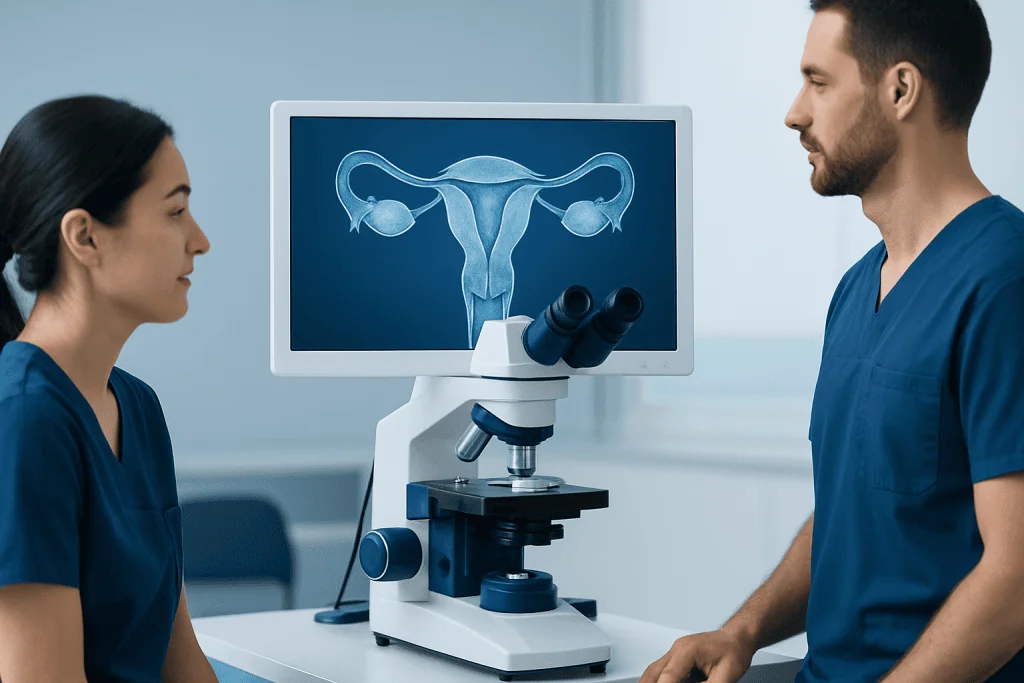
The tube is often described in sections: the fimbrial end near the ovary, the wider ampulla, the narrower isthmus, and the part that meets the uterus. The ampulla is the most common site of fertilization. This structure matters because different conditions may affect different parts of the tube.
The inner lining of the fallopian tube is designed to support the movement of the egg and sperm. Hormonal changes during the menstrual cycle influence how the tube functions. Healthy tubal movement helps coordinate ovulation, fertilization, and embryo transport.
When the tube is not working properly, several outcomes are possible. The egg and sperm may not meet, the embryo may not reach the uterus, or fluid trapped in a damaged tube may interfere with fertility. In some cases, a pregnancy may implant in the tube instead of the uterus, causing an ectopic pregnancy, which requires urgent medical attention.
Common Fallopian Tube Problems
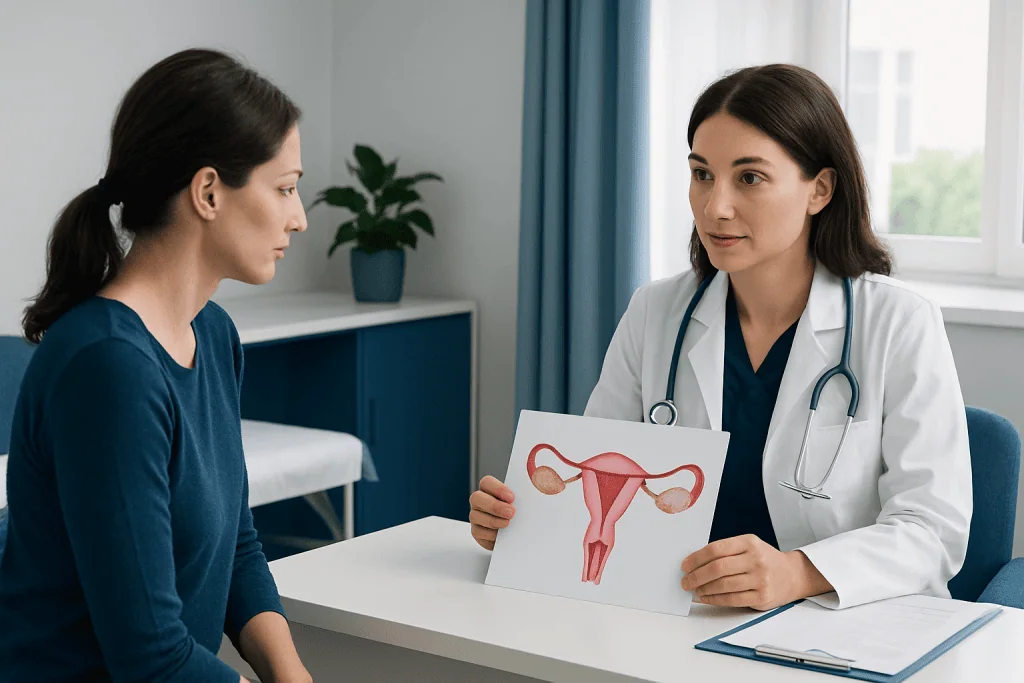
Fallopian tube problems can develop from infection, prior surgery, endometriosis, inflammation, or congenital differences. One of the most common concerns is a blocked fallopian tube, where scarring or narrowing prevents the egg and sperm from meeting. Another is hydrosalpinx, in which the tube becomes blocked and fills with fluid.
Pelvic inflammatory disease can damage the tube by causing inflammation and scar tissue. This may follow certain untreated sexually transmitted infections, although not every pelvic infection is sexually transmitted. Endometriosis can also affect the tube externally or internally, leading to adhesions, distortion of pelvic anatomy, or pain. This may occur alongside endometriosis affecting the ovaries, uterus, or surrounding tissues.
Other less common issues include para-tubal cysts, twisting of the tube, or benign and malignant growths. In some people, the tubes may be surgically removed or blocked as part of sterilization. Although the fallopian tube is small, even a limited problem in this area can have an important effect on fertility, pain, and pregnancy outcomes.
- Blocked tube or tubal scarring
- Hydrosalpinx
- Pelvic inflammatory disease
- Endometriosis-related adhesions
- Ectopic pregnancy
- Post-surgical or post-inflammatory changes
Symptoms and Possible Warning Signs
Many fallopian tube conditions cause no obvious symptoms, especially when the main issue is blockage. Some people only learn there is a tubal problem during infertility testing. Others may notice chronic pelvic discomfort, pain during menstruation, pain during sexual intercourse, or recurrent pelvic infections.
When infection is present, symptoms may include lower abdominal pain, fever, unusual vaginal discharge, or pain with urination or intercourse. Hydrosalpinx may sometimes cause a dull ache or pelvic pressure, though it can also be silent. Endometriosis affecting the tubes may be associated with painful periods and pain that worsens over time.
The most urgent warning sign is possible ectopic pregnancy. Symptoms can include one-sided pelvic pain, vaginal bleeding, shoulder pain, dizziness, weakness, or fainting in someone who may be pregnant. These symptoms should never be ignored, because a tubal ectopic pregnancy can become a medical emergency.
Causes, Risk Factors, and Fertility Impact
Several factors can increase the chance of fallopian tube damage. Previous pelvic inflammatory disease is a major one because infection may leave scar tissue even after symptoms improve. Prior abdominal or pelvic surgery, including surgery for appendicitis or ovarian cysts, can also lead to adhesions around the tubes.
Endometriosis, a history of ectopic pregnancy, and past inflammation in the pelvis can raise risk as well. Smoking has also been associated with impaired tubal function and a higher risk of ectopic pregnancy. Some people are born with structural differences, though this is less common than acquired tubal disease.
From a fertility perspective, tubal health is important because at least one functioning tube is usually needed for natural conception if ovulation and sperm quality are otherwise adequate. If both tubes are blocked, natural pregnancy becomes difficult or unlikely. In these situations, doctors may recommend further fertility evaluation and options such as IVF treatment, depending on the overall reproductive picture.
How Fallopian Tube Problems Are Diagnosed
Diagnosis begins with a medical history and physical examination. A doctor may ask about pain, menstrual patterns, past infections, prior surgery, pregnancy history, and difficulty conceiving. The pattern of symptoms often helps guide which tests are most appropriate.
Pelvic ultrasound is commonly used to look for fluid-filled tubes, masses, cysts, or signs of ectopic pregnancy. However, ultrasound cannot always show whether a tube is open. A hysterosalpingography, often called HSG, uses contrast dye and X-ray imaging to assess whether the fallopian tubes are patent or blocked. In fertility workups, this test can provide valuable information.
In some cases, blood tests and pregnancy testing are needed urgently, especially if ectopic pregnancy is a concern. Laparoscopy may be recommended when the diagnosis remains uncertain or when treatment may be needed at the same time. This minimally invasive surgical approach can help identify adhesions, endometriosis, hydrosalpinx, and other causes of tubal disease, and may be combined with laparoscopy for diagnosis and management.
Treatment Options and Long-Term Management
Treatment depends on the underlying cause, the severity of symptoms, and whether pregnancy is desired. Infections are typically treated with antibiotics, and early treatment is important to reduce the risk of lasting tubal damage. Pain related to inflammation or endometriosis may be managed with medication, hormonal therapy, or further gynecologic care based on individual needs.
When a tube is blocked or damaged, treatment may include observation, fertility-focused planning, or surgery. In selected cases, surgery may remove scar tissue, open part of the tube, or remove a severely damaged tube, especially if hydrosalpinx is affecting fertility treatment outcomes. For some people, especially when both tubes are significantly damaged, assisted reproductive options may offer the most practical path to pregnancy.
Ectopic pregnancy requires prompt medical management and may involve medication or surgery, depending on the situation. If endometriosis is contributing to tubal dysfunction, treatment may also overlap with broader care for endometriosis treatment. Near the end of the care pathway, some international patients choose centers such as Acibadem International, where multidisciplinary specialists in JCI-accredited hospitals evaluate and treat complex gynecologic and fertility-related conditions.
Prevention, Self-Care, and When to Seek Medical Care
Not every fallopian tube problem can be prevented, but some steps may help protect reproductive health. Timely treatment of pelvic infections is important, and safer sex practices can lower the risk of infections that may lead to tubal scarring. Regular gynecologic checkups can also help identify concerns early, especially in people with pelvic pain, a history of endometriosis, or fertility concerns.
Self-care does not reverse a blocked or scarred tube, but it can support overall health. It may help to avoid smoking, follow up on persistent pelvic symptoms, and seek medical advice before trying to conceive if there is a history of pelvic surgery, infection, or ectopic pregnancy. People pursuing fertility evaluation may benefit from coordinated assessment of both tubal and ovulatory factors.
Medical care should be sought promptly for severe pelvic or abdominal pain, fever, fainting, unusual vaginal bleeding, or a positive pregnancy test with one-sided pain. These symptoms can signal infection or ectopic pregnancy and need urgent assessment. Even less urgent symptoms, such as ongoing pelvic pain or trouble becoming pregnant after several months of trying, deserve discussion with a qualified doctor.
Frequently asked questions
What is the main function of the fallopian tube?
The fallopian tube helps move the egg from the ovary toward the uterus. It is also the usual place where sperm meets the egg and fertilization occurs.
Can someone have a fallopian tube problem without symptoms?
Yes. A blocked or scarred fallopian tube may cause no clear symptoms at all. In many cases, it is discovered during infertility testing or imaging done for another reason.
Does a blocked fallopian tube always mean infertility?
Not always. If one tube is healthy and other fertility factors are favorable, natural pregnancy may still be possible. If both tubes are blocked or severely damaged, conception may be much more difficult and specialist advice is important.
What causes damage to the fallopian tube?
Common causes include pelvic infection, endometriosis, prior pelvic surgery, and previous ectopic pregnancy. Scarring or adhesions from inflammation can affect how the tube works or whether it stays open.
How do doctors check whether the fallopian tubes are open?
A common test is hysterosalpingography, or HSG, which uses contrast dye and X-ray imaging. Ultrasound and laparoscopy may also be used in some situations, depending on symptoms and fertility goals.
Is ectopic pregnancy related to the fallopian tube?
Yes. Most ectopic pregnancies occur in a fallopian tube rather than inside the uterus. This requires urgent medical care because it can become dangerous if the tube stretches or ruptures.
References
- American College of Obstetricians and Gynecologists
- Centers for Disease Control and Prevention
- National Institute for Health and Care Excellence
- World Health Organization
- American Society for Reproductive Medicine
This article is for general information only and is not a substitute for professional medical advice. Please consult a qualified doctor about your individual situation.
Hair transplant in Turkey — costs, graft counts & a free assessment
JCI-accredited · board-certified surgeons · reply within 24h
Add us as a Preferred Source to see more of our trusted health content across Google Search, AI Overviews and Discover.
Check your numbers in seconds
BMI, calories, due date, blood pressure and 30+ more clinical calculators — free, instant, doctor-reviewed ranges.