Headache on Right Side of Head: Possible Causes and When to Seek Care

One-sided head pain can happen with migraine, cluster headache, tension-type headache, sinus inflammation, eye strain, or neck-related pain. The pattern of symptoms matters as much as the location, including throbbing, pressure, tearing, nausea, light sensitivity, and recurrence.
Key Takeaways
- One-sided head pain can happen with migraine, cluster headache, tension-type headache, sinus inflammation, eye strain, or neck-related pain.
- The pattern of symptoms matters as much as the location, including throbbing, pressure, tearing, nausea, light sensitivity, and recurrence.
- Red flags include a sudden “worst headache,” weakness, confusion, fever with stiff neck, head injury, or a new headache after age 50.
- Treatment depends on the cause and may include hydration, rest, trigger control, pain relief, migraine-specific medicines, or treatment of sinus or cervical problems.
- A doctor may recommend imaging or specialist evaluation if headaches are new, changing, frequent, or associated with neurologic symptoms.
A headache on the right side of the head is commonly linked to migraine, tension-type headache, sinus problems, or cluster headache. Most causes are not dangerous, but new, sudden, unusually severe, or neurologic symptoms need prompt medical assessment.
What a Headache on the Right Side of the Head Can Mean
A headache on right side of head does not point to one single diagnosis. In many people, it is caused by a primary headache disorder such as migraine, tension-type headache, or cluster headache. In others, the pain may come from sinus inflammation, the neck, the jaw, the eyes, medication overuse, or less commonly a structural or vascular problem that needs urgent attention.
The side of the pain is helpful, but it is only one clue. Doctors also look at how the headache feels, how long it lasts, whether it comes with nausea or light sensitivity, whether the eye waters or the nose runs, and whether there are warning signs such as weakness, confusion, fever, or sudden onset. A right-sided headache may stay on one side or switch sides over time, especially in migraine.
Most one-sided headaches are not emergencies. Still, a new or unusual headache deserves careful attention, particularly if it is severe, recurrent, or different from the person’s usual pattern. If headaches are frequent or disabling, evaluation can help identify the cause and guide treatment, including care for conditions such as migraine.
Common Causes of Right-Sided Headache
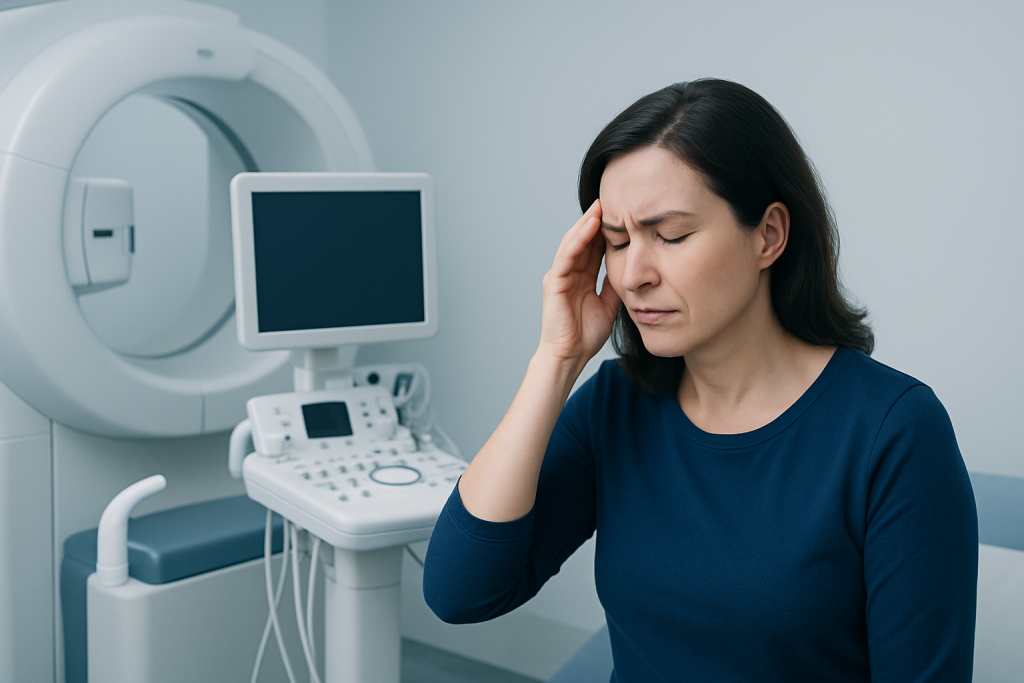
Migraine is one of the most common reasons for pain on one side of the head. The pain is often throbbing or pulsating and may be moderate to severe. Many people also have nausea, vomiting, sensitivity to light or sound, and worsening with routine activity. Some experience visual changes or other neurologic symptoms before the headache begins.
Cluster headache causes severe, strictly one-sided pain, usually around or behind one eye. It often comes with tearing, eye redness, a drooping eyelid, facial sweating, or a blocked or runny nostril on the same side. Attacks tend to occur in clusters over days or weeks and may happen at the same time each day.
Tension-type headache more often causes a band-like pressure on both sides, but it can be felt more strongly on one side, especially if muscle tension in the neck or scalp is uneven. Stress, poor posture, fatigue, and jaw clenching can contribute. Neck-related headache, sometimes called cervicogenic headache, can also begin on one side and spread from the back of the head toward the temple or eye.
Sinus and facial causes may also lead to right-sided pain. True sinus headache is less common than many people think, but infection or significant sinus inflammation can cause pressure around the cheeks, forehead, or eyes, especially with nasal congestion and thick discharge. Eye strain, uncorrected vision problems, temporomandibular joint dysfunction, and dental issues can sometimes produce one-sided head pain as well.
Symptoms That Help Distinguish the Cause

The quality of the pain often provides useful clues. Throbbing or pounding pain suggests migraine in many cases, while pressure or tightness points more toward tension-type headache. A sharp, piercing, or burning pain around one eye with restlessness is more typical of cluster headache. Pain that starts in the neck and moves upward may suggest a neck-related source.
Associated symptoms are especially important. Migraine commonly causes nausea, vomiting, and sensitivity to light, sound, or smells. Cluster headache often includes watering of the eye, redness, nasal congestion, and agitation during the attack. Sinus-related pain may occur with facial fullness, fever, or thick nasal mucus, though many headaches labeled as “sinus” are actually migraine.
Paying attention to timing can also help. Headaches triggered by missed meals, poor sleep, dehydration, hormonal changes, or certain foods may fit migraine. Headaches after long hours at a desk or after sleeping in an awkward position may reflect muscle tension or cervical strain. Keeping a simple headache diary can help identify patterns, triggers, and the need for professional evaluation.
- Common migraine clues: throbbing pain, nausea, light sensitivity, worsened by activity
- Common cluster clues: severe one-eye pain, tearing, nasal symptoms, recurring attacks
- Common tension clues: pressure or tightness, scalp tenderness, stress-related pattern
- Common neck-related clues: starts in neck, reduced neck movement, posture-related pain
Less Common but Important Causes
Most right-sided headaches are benign, but doctors also consider secondary causes, meaning the headache is a symptom of another condition. These can include infections, uncontrolled high blood pressure, inflammation of blood vessels, glaucoma, head injury, bleeding around the brain, stroke, or problems with the arteries of the head and neck. These causes are less common, but they are the reason certain headache features should never be ignored.
A sudden, explosive headache that reaches peak intensity within seconds or minutes needs emergency assessment. New headache with weakness, numbness, trouble speaking, confusion, fainting, seizure, fever, stiff neck, or vision loss also requires urgent care. In older adults, a new headache with scalp tenderness, jaw pain while chewing, or visual symptoms may suggest giant cell arteritis, which needs prompt treatment to help protect vision.
People who are pregnant, have cancer, are immunosuppressed, take blood thinners, or recently had head trauma should also be assessed more promptly if a new severe headache occurs. Headache evaluation may involve neurologic examination and sometimes imaging to rule out serious causes, including tests used in MRI imaging when clinically indicated.
How Doctors Diagnose the Cause
Diagnosis starts with a detailed history. A clinician will ask when the headache started, how often it occurs, where it is felt, what it feels like, what other symptoms come with it, and whether there are triggers such as stress, sleep loss, alcohol, missed meals, or menstrual changes. The person’s age, medical history, medications, and family history are also relevant.
A physical and neurologic examination helps identify red flags. The doctor may check blood pressure, temperature, sinus tenderness, neck movement, eye findings, and nerve function. In many people with a long-standing, typical migraine pattern and a normal examination, additional testing may not be needed.
Imaging or other tests are considered when the headache is new, changing, severe, progressive, associated with neurologic symptoms, or triggered by trauma. Depending on the suspected cause, evaluation may include blood tests, eye examination, or imaging of the brain and blood vessels. In selected cases, doctors may use CT scan or other advanced assessments to look for bleeding, masses, inflammation, or vascular causes. If symptoms suggest a broader brain-related condition, evaluation may also overlap with care pathways used for brain tumor or stroke concerns.
Treatment Options for Right-Sided Headaches
Treatment depends on the cause. For many mild headaches, rest, hydration, regular meals, and limiting known triggers can help. Some people benefit from over-the-counter pain relievers, but these should be used carefully. Frequent use of pain medicines can itself lead to medication-overuse headache, which can make headaches more persistent over time.
Migraine treatment may include medicines taken at the start of an attack and, for people with frequent or disabling headaches, preventive treatment to reduce how often attacks happen. Avoiding common triggers such as sleep disruption, dehydration, excess caffeine, or skipped meals can be helpful. Cluster headache often requires a different treatment plan and should be professionally evaluated because attacks can be extremely intense and may need specific acute and preventive therapy.
If the headache comes from the neck or muscles, posture correction, stretching, physical therapy, stress management, and jaw care may help. When sinus infection, dental disease, or eye problems are the cause, treating the underlying issue is the priority. Some patients with persistent or complex headache symptoms may be referred for specialist care in neurology to confirm the diagnosis and tailor management.
At the end of the diagnostic process, the main goal is not only to stop the current pain but also to reduce recurrence and improve quality of life. In international centers such as Acibadem International, multidisciplinary specialists in JCI-accredited hospitals evaluate headache symptoms and coordinate treatment when neurologic, ear-nose-throat, eye, or spine-related causes are suspected.
Prevention and Self-Care
Headache prevention often starts with routine. Regular sleep, consistent meals, adequate hydration, and moderate caffeine intake can reduce headaches in many people. Stress management matters as well, since emotional strain can trigger both migraine and tension-type headaches. Gentle exercise, relaxation techniques, and limiting screen strain may also help.
A headache diary is a simple but powerful tool. Recording the date, time, side of pain, severity, symptoms, possible triggers, and medicines used can reveal patterns over time. This information helps the person and their doctor understand whether headaches are linked to menstruation, certain foods, poor posture, inadequate sleep, or medicine overuse.
Self-care should stay within safe limits. Repeatedly increasing painkiller use without medical advice is not the best long-term strategy. If headaches become frequent, severe, or disruptive to daily life, professional assessment is the safest way to find the cause and choose appropriate treatment.
When to Seek Medical Care
Medical care is recommended if a headache on the right side is new, keeps returning, is getting worse, or interferes with work, sleep, or normal daily activities. A doctor should also assess headaches that start after age 50, occur after a head injury, or are associated with visual changes, neck stiffness, fever, or persistent vomiting.
Emergency care is needed for a sudden severe headache that feels like the worst headache of a person’s life. Immediate assessment is also important if there is weakness, numbness, confusion, trouble speaking, fainting, seizure, loss of balance, or a new headache during pregnancy. These symptoms can signal conditions that require urgent treatment.
Even when the cause is not dangerous, recurring one-sided headaches are worth evaluating because effective treatment is available. Early diagnosis can help prevent unnecessary suffering, reduce missed work or family time, and identify conditions that benefit from specialist support.
Frequently asked questions
Is a headache on the right side of the head always a migraine?
No. Migraine is a common cause of one-sided headache, but right-sided pain can also happen with cluster headache, tension-type headache, sinus inflammation, neck-related pain, jaw problems, or eye strain. The accompanying symptoms and the pattern over time help distinguish the cause.
When is a one-sided headache an emergency?
It needs urgent care if it starts suddenly and is extremely severe, or if it comes with weakness, numbness, confusion, trouble speaking, seizure, fever with stiff neck, or vision loss. Emergency assessment is also important after head injury or during pregnancy if the headache is new and severe.
Can sinus problems cause a headache only on the right side?
Yes, sinus inflammation can sometimes cause pain more on one side, especially with congestion, facial pressure, and thick nasal discharge. However, many headaches people assume are sinus-related are actually migraine, so persistent or recurring symptoms should be assessed.
Why does the headache stay around my right eye?
Pain focused around one eye can occur with cluster headache, migraine, sinus disease, or eye-related conditions such as glaucoma. Because some eye problems can threaten vision, pain around the eye with redness, blurred vision, or halos should be checked promptly.
Can neck tension cause pain on just one side of the head?
Yes. Muscle tension, poor posture, and cervical spine irritation can cause a one-sided headache that begins in the neck or back of the head and moves upward. These headaches may worsen with certain neck movements or long periods of sitting.
What can a person do at home for a mild right-sided headache?
Helpful steps may include resting in a quiet room, drinking water, eating if a meal was missed, and avoiding obvious triggers such as alcohol or too much screen time. Over-the-counter pain relief may help some people, but frequent use should be discussed with a doctor because it can worsen headaches over time.
References
- World Health Organization
- National Institute of Neurological Disorders and Stroke
- American Migraine Foundation
- Mayo Clinic
- National Health Service
This article is for general information only and is not a substitute for professional medical advice. Please consult a qualified doctor about your individual situation.
Explore treatments in Turkey — costs, top hospitals & a free quote
JCI-accredited · board-certified surgeons · reply within 24h
Add us as a Preferred Source to see more of our trusted health content across Google Search, AI Overviews and Discover.
Check your numbers in seconds
BMI, calories, due date, blood pressure and 30+ more clinical calculators — free, instant, doctor-reviewed ranges.