Body Aches No Fever Explained: Common Triggers and Red Flags

Body aches without fever are common and often linked to lifestyle factors, minor infections, or muscle overuse. The pattern of pain matters: generalized aches suggest one set of causes, while localized pain may point to injury or inflammation.
Key Takeaways
- Body aches without fever are common and often linked to lifestyle factors, minor infections, or muscle overuse.
- The pattern of pain matters: generalized aches suggest one set of causes, while localized pain may point to injury or inflammation.
- Warning signs include chest pain, trouble breathing, severe weakness, confusion, swelling, rash, or persistent symptoms.
- Hydration, rest, gentle movement, and sleep support may help mild cases, but ongoing aches deserve medical evaluation.
- Some chronic conditions, including thyroid disorders, autoimmune disease, and fibromyalgia, can cause body aches without fever.
Body aches no fever usually have a non-emergency explanation, such as muscle strain, stress, dehydration, poor sleep, or the early stage of a viral illness. However, widespread pain that is severe, lasts more than a few days, or comes with weakness, swelling, shortness of breath, rash, or dark urine should be assessed by a doctor.
What body aches no fever usually means
Body aches no fever most often means the body is reacting to strain, tension, poor recovery, or a mild illness rather than a high-fever infection. Many people notice aching muscles or a heavy, sore feeling after exercise, long work hours, stress, dehydration, or inadequate sleep. In these situations, the discomfort is often temporary and improves with rest, fluids, and time.
Still, body aches without fever are not one single condition. They are a symptom with many possible causes, ranging from simple muscle overuse to medication effects, viral infections before fever develops, or longer-term conditions such as thyroid problems or fibromyalgia. Looking at the pattern, timing, severity, and any other symptoms can help clarify what is going on.
Aches may be generalized, affecting the whole body, or localized to specific areas such as the shoulders, back, thighs, or legs. Generalized aches are more often linked to viral illness, fatigue, stress, or systemic conditions. Localized aches more often suggest a muscle strain, joint problem, posture-related pain, or overuse injury.
Common triggers people may overlook
One of the most common reasons for body aches without fever is simple physical overexertion. A new workout, repetitive lifting, long travel days, poor ergonomics, or even sleeping in an awkward position can leave muscles sore for 24 to 72 hours. This is usually due to microscopic muscle stress and tends to improve gradually.
Everyday factors can also contribute. Dehydration may cause muscles to feel tight, crampy, or achy. Poor sleep can increase pain sensitivity and reduce the body’s ability to recover. Emotional stress can lead to muscle tension, especially in the neck, shoulders, jaw, and back, creating a widespread sense of discomfort.
Sometimes the cause is an illness that does not always produce fever. Early viral infections, including common cold viruses, may begin with fatigue and body aches before other symptoms appear. Certain medicines, including some cholesterol-lowering drugs, may cause muscle pain in some people. Nutritional issues, such as low vitamin D or iron deficiency, may also contribute to ongoing muscle aches and tiredness.
- Recent exercise or heavy physical work
- Long periods of sitting, travel, or poor posture
- Stress, anxiety, or lack of sleep
- Not drinking enough fluids
- Mild viral illness or recovery from infection
- Medication side effects
Possible medical causes of body aches without fever

When body aches are persistent, unexplained, or repeatedly return, doctors consider a broader list of medical causes. Viral infections may still be responsible even without fever, especially if there is fatigue, sore throat, congestion, or headache. In other cases, the pain may come from inflammatory, hormonal, metabolic, or neurologic conditions.
Autoimmune and inflammatory disorders can cause diffuse pain, stiffness, and fatigue. Examples include lupus, polymyalgia rheumatica, and some forms of arthritis. Endocrine problems such as an underactive thyroid may lead to muscle aches, sluggishness, and weakness. Conditions that affect pain processing, such as fibromyalgia, can also cause widespread aching together with poor sleep and brain fog.
Localized aching can reflect joint or spine problems rather than a whole-body illness. For example, disc disease, posture strain, or nerve irritation may create aching in the back, hips, or legs, sometimes alongside numbness or tingling. Kidney disease, electrolyte imbalance, and chronic fatigue-related syndromes may also be part of the picture, especially when symptoms do not improve with routine self-care.
Red flags that need prompt attention
Most body aches without fever are not emergencies, but certain features deserve urgent medical attention. Severe pain that starts suddenly, intense weakness, shortness of breath, chest pain, confusion, or fainting should not be ignored. These symptoms may point to a more serious problem than simple muscle soreness.
Other red flags include body aches with dark urine, marked swelling, a new rash, significant joint redness, or inability to walk normally. Dark urine together with muscle pain can signal muscle breakdown, especially after extreme exercise, heat exposure, or certain medication reactions. New neurologic symptoms such as numbness, trouble speaking, or one-sided weakness need immediate evaluation.
It is also wise to seek care if the aches last longer than several days, keep returning, disrupt normal activities, or come with unexplained weight loss, night sweats, or prolonged fatigue. Persistent symptoms can sometimes be a sign that an underlying condition needs treatment rather than simple rest.
How doctors evaluate body aches no fever
Medical evaluation starts with a detailed history. A doctor may ask when the aches began, whether they are generalized or localized, what makes them better or worse, and whether there are associated symptoms such as fatigue, weakness, cough, swelling, numbness, rash, sleep changes, or mood symptoms. Recent exercise, travel, medications, and infections are also important clues.
The physical examination helps narrow the cause. The clinician may check muscle tenderness, joint swelling, range of motion, nerve function, hydration status, and signs of infection or inflammation. In many mild cases, this assessment is enough to suggest a likely benign cause and a short period of watchful waiting.
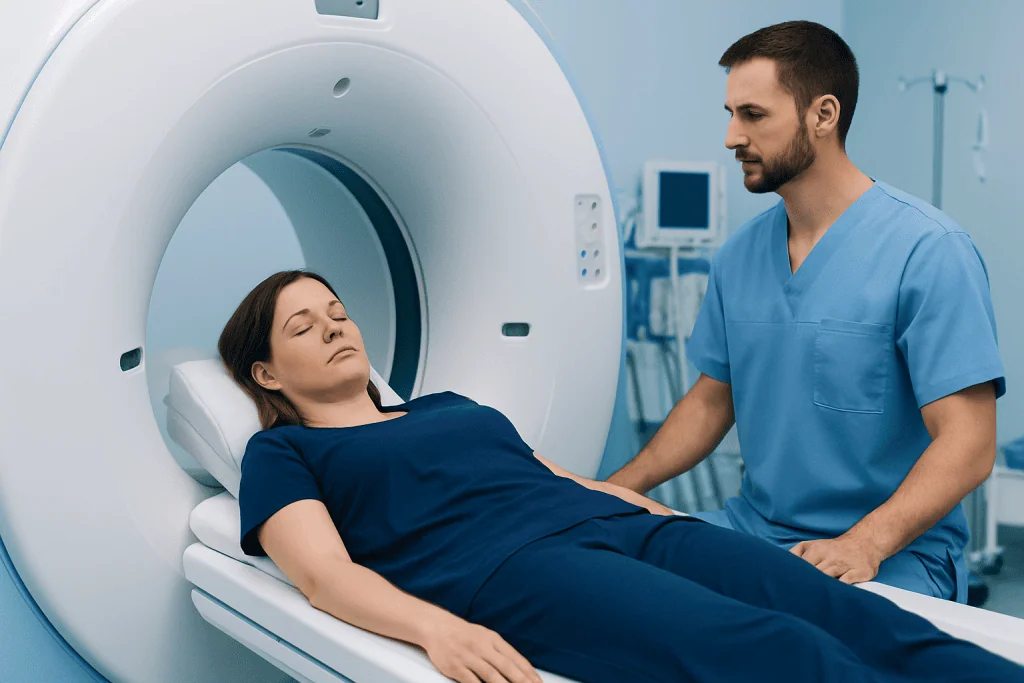
If symptoms are persistent, severe, or unclear, tests may be considered. These can include blood work to look for infection, inflammation, thyroid function, vitamin deficiencies, kidney problems, or muscle injury. When pain seems related to joints, the spine, or internal organs, imaging such as MRI scanning or other studies may be helpful. If an autoimmune condition is suspected, a specialist may recommend targeted rheumatology testing.
Treatment and symptom relief
Treatment depends on the cause. For common, short-lived body aches related to overuse, dehydration, stress, or poor sleep, conservative care is often enough. Rest, fluids, balanced meals, and gentle movement may help muscles recover. Light stretching or short walks can reduce stiffness if they do not worsen symptoms.
For localized muscle or joint pain, doctors may suggest physical therapy, posture correction, or further evaluation by a musculoskeletal specialist. When symptoms relate to a specific problem such as nerve compression, disc disease, or spinal wear and tear, care may include rehabilitation and targeted therapies. In some cases, assessment by teams experienced in physical therapy and rehabilitation or orthopedics and traumatology is appropriate.
If an underlying medical condition is identified, treatment focuses on that cause. This might mean adjusting a medication, addressing a thyroid disorder, managing an inflammatory condition, correcting a deficiency, or treating a viral illness supportively. In people with widespread, chronic pain syndromes such as fibromyalgia, care often combines sleep support, exercise planning, stress management, and symptom-guided medical follow-up.
Self-care steps that may help at home
Simple measures can often ease mild body aches without fever. Drinking enough water, getting restorative sleep, and avoiding intense activity for a day or two may give the body time to recover. Gentle stretching, warm showers, and periodic movement during long sitting periods can also help reduce stiffness.
It can be useful to pay attention to patterns. A symptom diary noting recent exercise, stress levels, sleep, hydration, and associated symptoms may reveal triggers. This record can also help a doctor if the problem continues. People who suspect a medicine side effect should not stop prescribed treatment on their own, but should discuss symptoms with the prescribing clinician.
Healthy routines support recovery and may lower the chance of recurrent aches:
- Gradually increase exercise intensity rather than making sudden changes
- Take breaks from repetitive tasks and improve workstation ergonomics
- Stay hydrated, especially in hot weather or during exercise
- Prioritize regular sleep and stress reduction
- Seek medical advice if aches are frequent, worsening, or unexplained
When to seek medical care
A person should consider medical care if body aches without fever last more than a few days, keep coming back, or interfere with work, sleep, or daily life. Evaluation is also important when the aches are paired with weakness, swollen joints, numbness, rash, unusual fatigue, or symptoms suggesting a hormonal or inflammatory condition.
Urgent medical care is needed for chest pain, breathing difficulty, confusion, severe dehydration, inability to move normally, or dark urine with significant muscle pain. These features may require prompt testing and treatment. If there is concern about persistent whole-body pain, a doctor may coordinate blood tests, imaging, and specialist input to identify the cause safely.
Near the end of the care pathway, some people benefit from multidisciplinary assessment, especially if symptoms are ongoing or involve the muscles, joints, nerves, and sleep. Acibadem International’s multidisciplinary specialists in JCI-accredited hospitals evaluate and treat patients with complex pain and related conditions, including those who may need rheumatology or musculoskeletal care.
Frequently asked questions
Can body aches happen without a fever?
Yes. Body aches can happen without fever for many reasons, including muscle strain, stress, dehydration, poor sleep, medication side effects, or the early stage of a viral illness. Fever is only one possible sign of illness, so its absence does not rule out a medical cause.
Are body aches without fever usually a sign of COVID-19 or flu?
They can be, but not always. Viral infections may begin with fatigue and body aches before more typical symptoms appear, and some infections do not cause fever in every person. If there are respiratory symptoms, recent exposure, or concern about infection, medical advice and testing may be appropriate.
How long should body aches without fever last?
Minor aches from overuse or poor sleep often improve within a few days. If symptoms last longer than several days, keep returning, or worsen instead of improving, a doctor should assess them. Persistent aches may point to an underlying condition that needs evaluation.
What helps relieve body aches at home?
Rest, hydration, regular meals, gentle stretching, and good sleep often help mild cases. Warm showers and light movement may reduce stiffness, especially after sitting or minor exertion. If symptoms are severe or unusual, self-care should not replace medical assessment.
When are body aches considered serious?
Body aches are more concerning when they are severe, sudden, or come with warning signs such as chest pain, shortness of breath, marked weakness, confusion, rash, swelling, or dark urine. They also deserve attention when they interfere with normal activity or persist without a clear reason. These situations may require prompt or urgent medical review.
Can stress really cause body aches?
Yes. Stress can increase muscle tension and make pain feel stronger, especially in the neck, shoulders, jaw, and back. It can also disturb sleep, which lowers the body's ability to recover and may contribute to more widespread aching.
References
- Mayo Clinic
- Cleveland Clinic
- National Institute of Arthritis and Musculoskeletal and Skin Diseases
- MedlinePlus
- National Health Service
This article is for general information only and is not a substitute for professional medical advice. Please consult a qualified doctor about your individual situation.
Explore treatments in Turkey — costs, top hospitals & a free quote
JCI-accredited · board-certified surgeons · reply within 24h
Add us as a Preferred Source to see more of our trusted health content across Google Search, AI Overviews and Discover.
Check your numbers in seconds
BMI, calories, due date, blood pressure and 30+ more clinical calculators — free, instant, doctor-reviewed ranges.