Urinary System: An Evidence-Based Guide for Patients

The urinary system includes the kidneys, ureters, bladder, and urethra. It filters blood, removes waste, and helps regulate fluids, salts, and blood pressure.
Key Takeaways
- The urinary system includes the kidneys, ureters, bladder, and urethra.
- It filters blood, removes waste, and helps regulate fluids, salts, and blood pressure.
- Common warning signs include pain with urination, blood in urine, frequent urination, flank pain, and swelling.
- Many urinary system problems are treatable when assessed early.
- Hydration, hygiene, chronic disease control, and timely medical review support urinary health.
The urinary system is the body’s filtration and drainage network. It removes waste through urine while helping control fluid balance, minerals, acid-base balance, and blood pressure, and problems in this system can affect comfort, energy, and overall health.
Overview: what the urinary system does
The urinary system is the group of organs that filters the blood, removes waste products, and carries urine out of the body. It includes two kidneys, two ureters, the bladder, and the urethra. Although many people think of it mainly in relation to urination, this system also plays an important role in maintaining the body’s internal balance every day.
The kidneys act as highly specialized filters. They remove excess water, salts, and byproducts of normal metabolism, while keeping useful substances in the bloodstream. In addition, the urinary system helps regulate blood pressure, supports healthy mineral balance, and contributes to acid-base control, which helps the body function properly.
Urine made in the kidneys travels down narrow tubes called ureters into the bladder, where it is stored until urination. The bladder then empties through the urethra. When one part of this pathway is affected by infection, blockage, inflammation, stones, or reduced kidney function, symptoms may appear quickly or develop gradually over time.
How the urinary system works
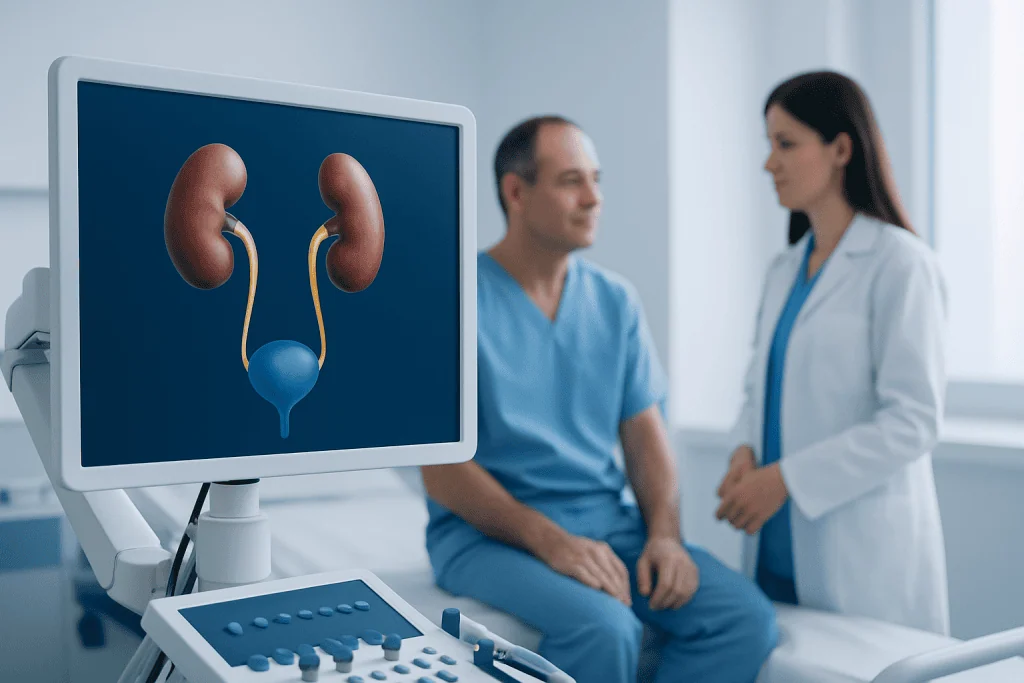
Each kidney contains tiny filtering units that clean the blood continuously. After filtration, the body reabsorbs the water and substances it still needs, and the remaining fluid becomes urine. This process allows the body to remove waste while avoiding unnecessary loss of important nutrients and electrolytes.
Urine passes from the kidneys to the bladder through the ureters by gentle muscular contractions. The bladder stretches to store urine and signals the brain when it is filling. When it is socially appropriate and physically possible to urinate, the bladder muscle contracts and the sphincters relax, allowing urine to leave the body through the urethra.
The urinary system is closely connected with other organs and body systems. For example, dehydration, diabetes, high blood pressure, some medications, and prostate or pelvic floor problems can all influence urinary function. This is one reason why urinary symptoms should not be dismissed as minor if they persist or recur.
Healthy urinary function usually means regular urination without pain, major urgency, leakage, or visible blood. Frequency varies from person to person and depends on fluid intake, caffeine use, activity, age, and underlying health conditions.
Common urinary system symptoms and what they may mean

Urinary symptoms can involve the kidneys, bladder, urethra, or surrounding structures. Some are temporary and mild, while others may point to infection, stones, reduced kidney function, or another condition that needs medical attention. The same symptom can have more than one cause, so proper assessment matters.
Symptoms that may suggest a urinary system problem include:
- Pain or burning during urination
- Frequent urination or sudden urgency
- Needing to urinate often at night
- Cloudy, foul-smelling, or bloody urine
- Lower abdominal, pelvic, or flank pain
- Difficulty starting urination or weak urine stream
- Urine leakage or incomplete emptying
- Swelling in the legs, around the eyes, or unexplained fatigue
For example, burning and urgency can occur with a urinary tract infection, while severe side or back pain may occur with stones. Swelling, tiredness, nausea, or changes in urine output may sometimes reflect reduced kidney function. Blood in the urine should always be medically evaluated, even if it happens only once and goes away.
Causes and risk factors for urinary system problems
Urinary system conditions range from simple, short-term infections to chronic kidney disease. Common causes include bacterial infections, dehydration, urinary stones, enlarged prostate, bladder dysfunction, congenital abnormalities, and side effects of certain medicines. Some problems affect the flow of urine, while others affect the filtering ability of the kidneys.
Several health factors can increase risk. Diabetes and high blood pressure are among the most important because they can damage kidney blood vessels over time. Pregnancy, menopause, older age, urinary retention, catheter use, and a history of stones or recurrent infections may also raise the chance of urinary complications.
Structural and functional conditions can also play a role. A narrowed urethra, pelvic organ prolapse, or obstruction from stones may interfere with urine flow. In men, prostate enlargement can contribute to hesitancy, weak stream, and incomplete emptying. People with nerve-related bladder problems may have difficulty fully controlling urination or emptying the bladder.
Common examples of urinary conditions include urinary tract infection, kidney stones, and chronic kidney disease. These conditions differ in cause and treatment, but each benefits from early recognition and appropriate medical guidance.
How doctors diagnose urinary system conditions
Diagnosis begins with a careful medical history and physical examination. A doctor may ask about pain, urinary frequency, fever, fluid intake, medications, past infections, stone history, and conditions such as diabetes or hypertension. The timing and pattern of symptoms often provide helpful clues.
Basic testing often includes a urine test to look for blood, protein, infection, crystals, or glucose. Blood tests may evaluate kidney function and electrolyte balance. If infection is suspected, a urine culture can help identify the organism and guide treatment.
Imaging may be used when symptoms suggest a stone, blockage, structural problem, or persistent unexplained blood in the urine. Depending on the situation, doctors may recommend ultrasound, CT, or other imaging studies. In some cases, specialist evaluation in urology or nephrology is helpful for recurrent infections, reduced kidney function, urinary retention, or unexplained urinary symptoms.
Further tests may include bladder scanning after urination, flow studies, or direct examination of the urinary tract. When treatment planning requires it, options such as urology evaluation and care or MRI imaging may be part of a broader assessment.
Treatment options for urinary system disorders
Treatment depends on the cause, severity, and the part of the urinary system involved. Some conditions improve with hydration, rest, and short-term medication, while others require ongoing monitoring, procedures, or coordinated specialist care. The goal is not only to relieve symptoms but also to protect kidney function and prevent recurrence.
Infections are often treated with targeted medicines after clinical assessment and, when appropriate, urine testing. Stones may pass on their own if small, but larger or obstructing stones may need pain control, closer monitoring, or procedures. Bladder emptying problems, prostate-related symptoms, and anatomical issues can sometimes be managed with medication, pelvic floor strategies, or procedural treatment.
If reduced kidney function is present, treatment focuses on the underlying cause and on protecting the kidneys from further damage. This may include blood pressure control, diabetes management, avoiding harmful medications, and regular follow-up. In selected cases, imaging or minimally invasive procedures are used to identify or address blockage, bleeding, or structural problems.
When a more advanced workup is needed, doctors may use CT scanning to assess stones or obstruction, or robotic surgery for carefully selected urinary tract conditions. Near the end of the care journey, some international patients may seek evaluation at Acibadem International, where multidisciplinary specialists in JCI-accredited hospitals diagnose and treat urinary system conditions.
Prevention and self-care for urinary health
Many urinary system problems cannot be prevented completely, but everyday habits can reduce risk and support healthy function. Drinking enough fluid, especially in hot weather or during illness, helps the kidneys clear waste and can lower the chance of some stones and infections. The right amount varies by person, so individuals with heart, kidney, or liver disease should follow medical advice about fluid intake.
Good bathroom habits also matter. It can help to avoid holding urine for long periods, empty the bladder regularly, and urinate after sexual activity if prone to urinary infections. People who experience constipation should address it, since bowel fullness can affect bladder function. Gentle hygiene practices are generally better than harsh soaps or douches, which may irritate the area.
Long-term health protection includes controlling blood pressure and blood sugar, maintaining a balanced diet, and being cautious with overuse of pain medicines that may affect the kidneys. Smoking cessation is important because smoking is linked to several urinary tract and bladder risks. If a doctor has advised dietary changes for stones, those recommendations should be followed closely.
Self-care is helpful, but it is not a substitute for medical evaluation when symptoms are significant, persistent, or unusual. Recurrent infections, visible blood, repeated flank pain, or unexplained swelling deserve professional assessment rather than home treatment alone.
When to seek medical care
Medical advice should be sought if urinary symptoms last more than a short time, come back repeatedly, or interfere with daily life. A doctor should also be consulted for pain or burning during urination, visible blood in the urine, a new weak urine stream, or frequent urgency that is not improving.
Urgent medical care is important if there is fever with urinary symptoms, severe back or side pain, vomiting, inability to pass urine, confusion, or marked reduction in urine output. These symptoms can sometimes suggest a serious infection, obstruction, or sudden kidney problem that needs prompt treatment.
People who are pregnant, older, immunocompromised, or living with kidney disease, diabetes, or structural urinary problems should have a lower threshold for medical review. Early assessment often makes treatment simpler and may help prevent complications.
Frequently asked questions
What organs make up the urinary system?
The urinary system includes the kidneys, ureters, bladder, and urethra. Together, these organs filter blood, produce urine, store it, and remove it from the body.
What is the main function of the urinary system?
Its main job is to remove waste products and extra fluid through urine. It also helps regulate blood pressure, electrolyte balance, and the body’s acid-base balance.
How can someone tell if a urinary symptom is serious?
Symptoms such as blood in the urine, severe flank pain, fever, vomiting, inability to pass urine, or swelling should be assessed promptly. Even milder symptoms like burning, urgency, or repeated nighttime urination deserve medical review if they persist or recur.
Can dehydration affect the urinary system?
Yes. Dehydration can concentrate the urine, contribute to kidney stress, and increase the risk of some kidney stones and urinary discomfort. Adequate fluid intake is an important part of urinary health for most people.
Are urinary tract infections and kidney disease the same thing?
No. A urinary tract infection is usually caused by bacteria affecting the bladder, urethra, or sometimes the kidneys, while kidney disease refers to reduced kidney function or kidney damage from many possible causes. Both involve the urinary system, but they are different conditions with different treatments.
When should someone see a specialist for urinary problems?
A specialist may be needed for recurrent infections, kidney stones, blood in the urine, reduced kidney function, urinary retention, or persistent unexplained symptoms. A primary care doctor can often guide the first evaluation and refer to urology or nephrology when appropriate.
This article is for general information only and is not a substitute for professional medical advice. Please consult a qualified doctor about your individual situation.
Explore treatments in Turkey — costs, top hospitals & a free quote
JCI-accredited · board-certified surgeons · reply within 24h
Add us as a Preferred Source to see more of our trusted health content across Google Search, AI Overviews and Discover.
Check your numbers in seconds
BMI, calories, due date, blood pressure and 30+ more clinical calculators — free, instant, doctor-reviewed ranges.

More from the Health Library

Thyroid Gland Colloid Cyst: A Complete Medical Overview

Kaduku Oil — Explained by Medical Evidence, Not Myths

Stress Management: An Evidence-Based Guide for Patients

Tired: What Patients Need to Know

Plant Sterols: A Complete Medical Overview