Carcinoma: Diagnosis, Outlook, and Modern Treatment Approaches

Carcinoma refers to cancers that start in epithelial tissues, including the skin and organ linings. Symptoms depend on where the carcinoma begins and how advanced it is.
Key Takeaways
- Carcinoma refers to cancers that start in epithelial tissues, including the skin and organ linings.
- Symptoms depend on where the carcinoma begins and how advanced it is.
- Diagnosis usually combines a physical exam, imaging tests, and a biopsy to confirm the exact type.
- Treatment may include surgery, radiation therapy, chemotherapy, targeted therapy, immunotherapy, or a combination.
- The outlook depends on the tumor type, stage, grade, molecular features, and the person's general health.
Carcinoma is a broad term for cancers that begin in epithelial cells, which line the skin, glands, and many internal organs. Outlook and treatment vary widely, but many carcinomas can be managed effectively when they are diagnosed accurately and treated with a personalized plan.
What carcinoma means
Carcinoma is a type of cancer that starts in epithelial cells. These cells form the covering of the skin and the lining of many organs, ducts, and glands throughout the body. Because epithelial tissue is so widespread, carcinoma can develop in many different places, including the breast, lung, colon, prostate, thyroid, cervix, and skin.
The term does not describe one single disease. Instead, it is a category that includes several cancers with different behaviors, symptoms, and treatment needs. For example, basal cell carcinoma of the skin behaves very differently from lung carcinoma or colorectal carcinoma. This is why doctors focus not only on the word carcinoma, but also on the exact site, subtype, stage, and biology of the tumor.
Common groups include adenocarcinoma, which begins in gland-forming cells; squamous cell carcinoma, which starts in flat lining cells; and basal cell carcinoma, a common skin cancer. Some articles focus on one organ alone, but understanding carcinoma as a broad family of cancers can help patients make sense of diagnosis reports and treatment plans.
Symptoms and warning signs
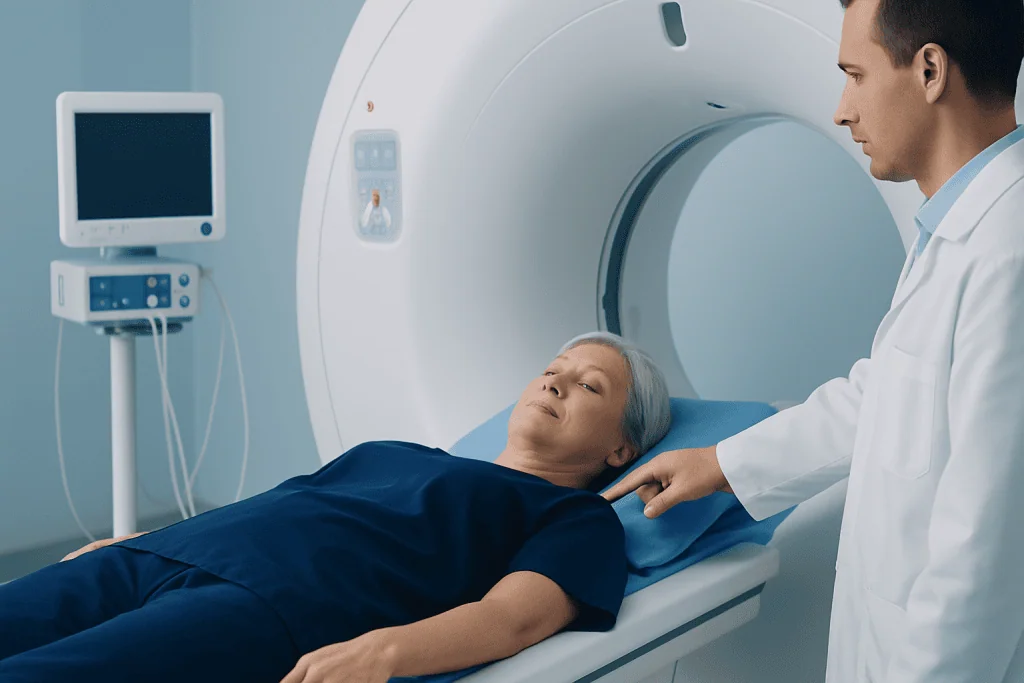
Carcinoma symptoms depend mainly on the part of the body involved. Early-stage disease may cause no symptoms at all and may be found during screening or imaging done for another reason. When symptoms do appear, they may be mild and easy to confuse with common non-cancerous conditions.
Possible warning signs can include a new lump, a sore that does not heal, unexplained bleeding, a change in bowel or bladder habits, persistent cough, hoarseness, trouble swallowing, changes in a mole or skin lesion, unexplained weight loss, or ongoing fatigue. Pain can occur, but not all carcinomas are painful, especially in the early stages.
A few examples help show how varied the symptoms can be. Skin carcinoma may appear as a changing patch, pearly bump, or scaly lesion. Lung carcinoma may cause cough, shortness of breath, or chest discomfort. Colorectal carcinoma may lead to rectal bleeding or bowel habit changes, while breast carcinoma may present as a lump or nipple change.
- Symptoms vary by organ and tumor size.
- Some carcinomas are found before symptoms begin.
- Persistent or unexplained changes deserve medical evaluation.
Causes, risk factors, and how carcinoma develops
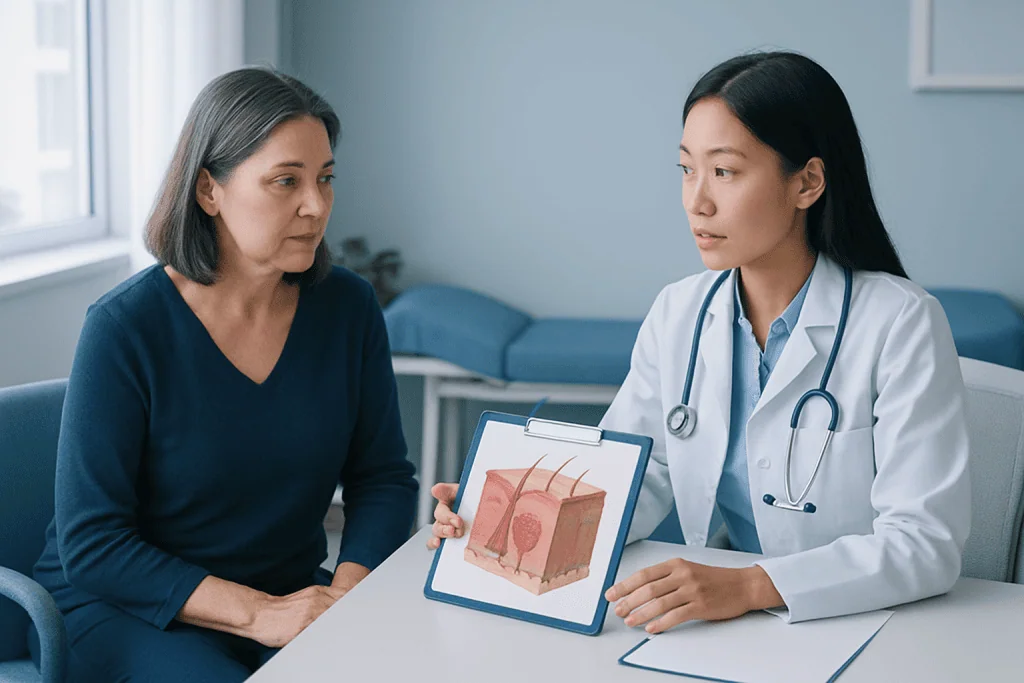
Carcinoma develops when epithelial cells acquire genetic changes that allow them to grow in an uncontrolled way. These changes may accumulate over time because of aging, environmental exposures, chronic inflammation, infections, inherited predisposition, or random errors during cell division. In many cases, there is no single clear cause.
Risk factors differ by carcinoma type. Tobacco use is strongly linked to many carcinomas, especially in the lung, head and neck, bladder, and some digestive organs. Excess ultraviolet exposure increases the risk of skin cancers such as basal cell carcinoma. Alcohol use, obesity, poor diet, certain occupational exposures, radiation exposure, hormonal influences, and some chronic infections can also play a role.
Family history matters in some situations, but inherited risk does not mean a person will definitely develop cancer. Likewise, people with no obvious risk factors can still be diagnosed. Risk factors help estimate likelihood, but diagnosis always depends on proper medical testing rather than assumptions alone.
How carcinoma is diagnosed and classified
Diagnosis begins with a medical history and physical examination, followed by tests chosen for the suspected site of disease. These may include blood tests, endoscopy, mammography, ultrasound, CT, MRI, or PET imaging. Imaging can show the location and extent of a suspicious lesion, but it usually cannot confirm the exact diagnosis on its own.
A biopsy is the key step in confirming carcinoma. A pathologist examines a tissue sample under the microscope to identify whether cancer is present, what type it is, and how abnormal the cells appear. This information may include the histologic subtype, tumor grade, and whether special markers or molecular changes are present. In many cancers, these details directly influence treatment choices.
After confirmation, doctors determine the stage. Staging describes how large the tumor is, whether nearby lymph nodes are involved, and whether the cancer has spread to other organs. This process may include advanced imaging and sometimes additional procedures. A clear diagnosis usually includes the organ of origin, carcinoma subtype, stage, and relevant biomarkers, which together form the basis of prognosis and treatment planning.
Modern treatment approaches
Carcinoma treatment is individualized. The main options are surgery, radiation therapy, systemic drug treatment, or combinations of these. The best approach depends on the tumor location, stage, pathology findings, molecular profile, symptoms, and the person’s general health and preferences. Many patients are treated by a multidisciplinary team that may include surgeons, medical oncologists, radiation oncologists, radiologists, pathologists, and supportive care specialists.
Surgery is often the first choice when the carcinoma is localized and can be removed safely. For some tumors, surgery may be followed by radiation therapy or chemotherapy to reduce the chance of recurrence. In other situations, treatment may begin before surgery to shrink the tumor. Organ-preserving strategies are sometimes possible depending on the cancer type and stage.
Systemic therapies have expanded significantly in recent years. Traditional chemotherapy remains important, but some carcinomas may also respond to immunotherapy or to targeted medicines selected by biomarker testing. For cancers that have spread or cannot be cured, treatment can still help control disease, relieve symptoms, and improve quality of life. Supportive care is an important part of treatment at every stage, not only advanced disease.
Because carcinoma is a broad category, no single treatment plan fits everyone. A personalized plan usually gives the best balance of effectiveness, safety, and daily functioning. Near the end of the care pathway, some people may choose treatment at centers such as Acibadem International, where multidisciplinary specialists in JCI-accredited hospitals diagnose and treat carcinoma for international patients.
Outlook, prognosis, and living with uncertainty
The outlook for carcinoma varies widely. Important factors include the organ involved, the exact subtype, stage at diagnosis, grade, molecular features, response to treatment, and overall health. In general, cancers found earlier tend to have more treatment options and a better chance of long-term control, but even more advanced carcinomas may respond well to modern therapies.
Prognosis is often discussed using general patterns rather than exact predictions. Doctors may explain the aim of treatment as curative, disease-controlling, or symptom-relieving. They may also talk about recurrence risk, follow-up schedules, and what signs to report during recovery. Many people find it helpful to ask what is known with confidence and what remains uncertain.
Living with a carcinoma diagnosis can affect emotional health as much as physical health. Anxiety around test results, treatment decisions, and follow-up visits is common. Clear communication, supportive counseling, rehabilitation, nutrition guidance, and symptom management can all help people maintain quality of life during and after treatment.
Prevention and self-care
Not every carcinoma can be prevented, but several steps can lower risk. Avoiding tobacco is one of the most important measures. Protecting the skin from excessive sun exposure, maintaining a healthy weight, limiting alcohol, staying physically active, and following age-appropriate screening advice can also support cancer prevention.
Vaccination and treatment of certain infections may help reduce the risk of some carcinomas. Regular check-ups are useful for people with strong family histories or known inherited cancer syndromes. Screening tests such as mammograms, cervical screening, colon cancer screening, or skin checks may detect disease earlier, when treatment is often simpler and more effective.
For those already diagnosed, self-care means staying engaged with the treatment team, taking medicines as advised, reporting side effects promptly, and attending follow-up visits. Good nutrition, sleep, movement within one’s ability, and emotional support can make treatment more manageable. Self-care does not replace medical treatment, but it can strengthen overall well-being throughout the process.
When to seek medical care
A person should seek medical care if they notice symptoms that are new, persistent, worsening, or unexplained. Examples include a lump, a skin lesion that changes or does not heal, blood in the stool or urine, a persistent cough, hoarseness, trouble swallowing, unusual bleeding, or unintentional weight loss. These symptoms are often caused by conditions other than cancer, but they still deserve proper evaluation.
People should also seek prompt follow-up if a screening test, scan, or biopsy report shows an abnormal result. Those with a past history of carcinoma should contact their doctor if they develop new symptoms or are concerned about recurrence. Anyone who feels unwell during treatment, especially with severe pain, dehydration, breathing problems, or signs of infection, should contact their care team urgently.
When carcinoma is suspected, early assessment can help clarify what is happening and guide the next steps. It is reasonable to ask whether further imaging, biopsy, or referral to a specialist is needed, including consultation with teams experienced in oncology care.
Frequently asked questions
Is carcinoma the same as cancer?
Carcinoma is a type of cancer, not a separate condition from cancer. It specifically refers to cancers that begin in epithelial cells, which line the skin and many internal organs.
What is the most common type of carcinoma?
There is no single answer for all organs, because carcinoma includes many diseases. In the skin, basal cell carcinoma is very common, while in internal organs adenocarcinoma is a frequent subtype.
Can carcinoma be cured?
Some carcinomas can be cured, especially when found early and treated effectively. In other cases, treatment may control the disease for a long time, reduce symptoms, or slow progression even if cure is not possible.
How is carcinoma confirmed?
A biopsy is usually needed to confirm carcinoma. Imaging tests can show where a suspicious area is located, but only tissue analysis can identify the exact cancer type and important features such as grade or biomarkers.
Does carcinoma always spread quickly?
No. Some carcinomas grow slowly and remain localized for a long time, while others behave more aggressively. The growth pattern depends on the subtype, grade, molecular features, and where the cancer started.
What questions should patients ask after a carcinoma diagnosis?
Helpful questions include what type of carcinoma it is, what stage it is, whether more tests are needed, and what treatment options are recommended. It is also useful to ask about treatment goals, possible side effects, expected follow-up, and whether biomarker testing may guide care.
References
- National Cancer Institute
- American Cancer Society
- World Health Organization
- National Comprehensive Cancer Network
- U.S. National Library of Medicine
This article is for general information only and is not a substitute for professional medical advice. Please consult a qualified doctor about your individual situation.
Persistent digestive symptoms? Get evaluated in Turkey
JCI-accredited · board-certified surgeons · reply within 24h
Add us as a Preferred Source to see more of our trusted health content across Google Search, AI Overviews and Discover.