

How to Compare Procedure Options Before Traveling to Turkey

Compare procedure options before traveling to Turkey by reviewing diagnosis, hospital quality, timelines, recovery, and travel logistics in Istanbul.
If you are deciding whether to travel to Turkey for treatment, the most helpful comparison is not just procedure names or prices. You need to compare the full picture: diagnosis, hospital quality, doctor team, expected recovery, follow-up, and how the plan fits your travel and daily life.
At a glance
- Best for: Patients comparing treatment choices before arranging travel to Turkey
- Main decision areas: Diagnosis, hospital standards, specialist team, recovery time, follow-up, travel logistics
- Useful documents: Recent reports, imaging, medication list, passport details, questions for the care team
- What to ask: Why this option, what alternatives exist, expected timeline, risks, aftercare needs
- Support available: Interpreter, treatment coordination, travel guidance, accommodation help
Start by comparing your options on the same medical basis
Before you compare hospitals, countries, or procedure names, make sure each opinion is based on the same medical information. That means your recent consultation notes, imaging, pathology if relevant, blood test results, medication list, and a short summary of your symptoms or diagnosis should be shared in a clear, organized way. If one provider is reviewing more complete information than another, the recommendations may look different simply because the starting point was different.
It also helps to ask each team the same core questions. For example: What is the exact diagnosis? What procedure is being recommended and why? Are there non-surgical or less invasive alternatives? What would happen if you wait? This lets you compare like with like, instead of trying to make sense of plans that use different language or different assumptions.
If you are speaking with an international hospital such as Acibadem International, the patient services team can usually help you gather and submit your records in the right format before you travel. That can save time, reduce confusion, and help the specialist team give you a more meaningful opinion from the start.
Look beyond the procedure name
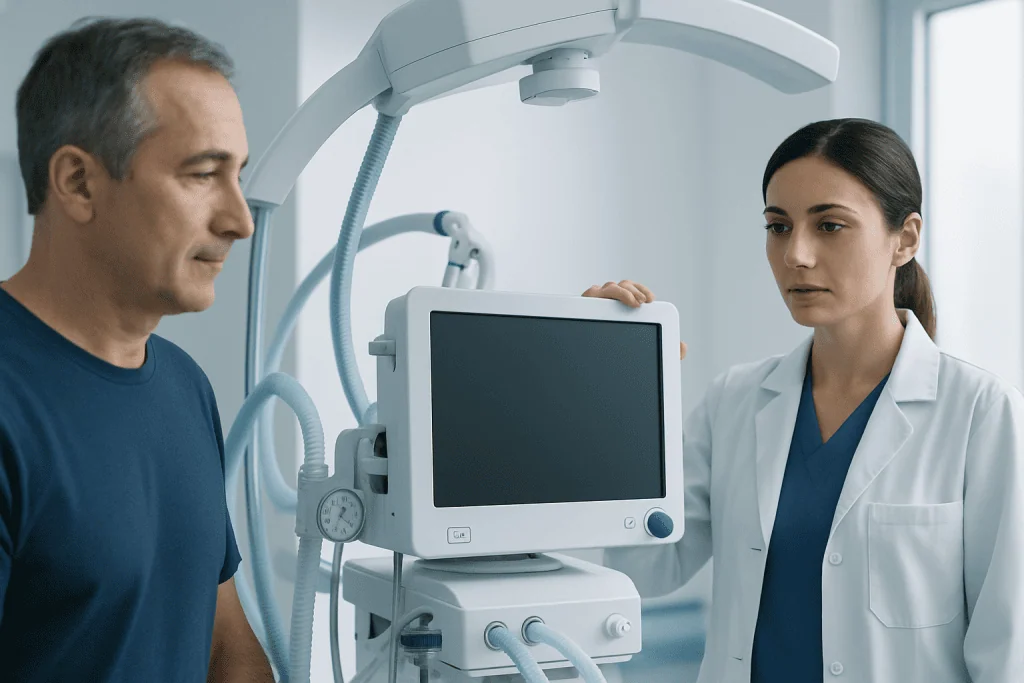
Two treatment plans can sound similar but differ in important ways. One hospital may recommend a procedure as a day case, while another expects several nights in hospital. One option may offer a shorter initial stay but a longer period before you can fly home, return to work, or care for your family. These practical differences matter just as much as the procedure title.
Ask for the expected pathway, not only the intervention itself. You want to understand how many consultations or tests are needed on arrival, whether extra imaging might change the plan, how long you should stay in Turkey after treatment, what pain management or mobility support you may need, and what kind of follow-up is expected once you return home.
A good comparison should include daily-life questions as well. Can you travel alone, or should you bring a companion? Will you need stairs, walking, or public transport during recovery? Will you be able to manage your luggage, meals, and medication schedule? The right choice is not only medically appropriate; it also needs to be realistic for you.
Check quality, safety, and team structure

When traveling abroad for care, hospital standards deserve close attention. Look for internationally recognized quality systems, clear patient safety processes, and transparent communication about who will be involved in your care. JCI accreditation is one useful indicator because it reflects established standards for quality and safety, although it should be considered alongside the overall experience and the suitability of the medical team for your case.
It is also worth asking whether your case will be reviewed by a single doctor or by a multidisciplinary team. For more complex decisions, team-based review can be especially valuable because imaging specialists, surgeons, physicians, anesthesiology staff, rehabilitation professionals, and nursing teams may all affect the final treatment plan and the practical recovery pathway.
At Acibadem International, international patients often benefit from coordinated care across JCI-accredited hospitals and specialist teams, with interpreter and case-management support. For you, this matters because the comparison becomes clearer when one team can explain not only what they recommend, but how the whole treatment journey will be organized.
Compare recovery time with your travel timeline
Many patients focus on the date of the procedure, but your decision should include the days before and after it. Some treatments need pre-operative testing over one or two days. Others may require observation, dressing changes, mobility checks, or specialist review before you are cleared to fly. If you compare options only by the procedure date, you may underestimate the total time you need in Turkey.
Ask each provider for a realistic timeline from arrival to return home. This should include pre-treatment assessment, the procedure or treatment dates, hospital stay if any, local hotel recovery if needed, follow-up visits, and any restrictions on flying, lifting, walking, work, bathing, or eating. A clear timeline will help you compare the true commitment of each option.
If you are planning treatment in Istanbul or elsewhere in Turkey, think about how recovery fits with the season, your support person’s availability, school or work obligations, and your comfort with a longer stay if plans change. It is wise to leave some flexibility in your travel arrangements, especially if extra tests or a short delay becomes necessary.
Understand costs by asking what is and is not included
It is natural to compare quotes, but the cheapest figure is not always the clearest one. A useful quote should explain what is included, such as consultations, standard blood tests, imaging, anesthesia, hospital stay, medications used in hospital, and planned follow-up before departure. It should also explain which items may fall outside the initial estimate.
Ask about likely extras in advance. These might include additional tests requested after arrival, extra nights in hospital, pathology, intensive monitoring, rehabilitation support, take-home medications, compression garments or medical supplies, interpreter needs beyond standard support, or changes to the plan if the specialist finds something different during assessment. The goal is not to predict every scenario, but to avoid surprises.
A reliable international patient office can help you understand the difference between a preliminary estimate and a confirmed treatment plan. If you contact Acibadem International, for example, patient coordinators can usually walk you through documentation, likely logistics, and how your quote relates to the proposed pathway, which makes comparison more practical and less stressful.
Choose the option you can follow through confidently
The best treatment option is one you understand and feel able to complete safely. If a plan sounds impressive but leaves you unsure about the diagnosis, the aftercare, or what happens once you go home, it may not be the right fit yet. You should feel comfortable asking basic questions more than once and receiving clear answers in language you understand.
Think about communication quality as part of your comparison. Did the team answer your questions directly? Did they explain benefits, limitations, and alternatives in a balanced way? Did they help you understand what depends on an in-person assessment? Good communication is often a strong sign that the rest of the process will be easier to navigate.
Finally, trust the option that combines medical suitability with practical clarity. If the diagnosis is well explained, the hospital standards are reassuring, the recovery plan makes sense, and international patient services can help with travel and language, you are much more likely to feel prepared when you decide to come to Turkey.
Step by step
- Gather your records before requesting opinions. Prepare your most recent medical reports, imaging files, medication list, allergy information, and a short health summary. When every provider reviews the same information, you can compare recommendations more fairly.
- Ask each provider the same core questions. Use a simple question list for every hospital or specialist team. Ask about diagnosis, treatment options, expected stay, recovery restrictions, and follow-up so the answers are easier to compare side by side.
- Compare the full treatment pathway, not just the procedure. Look at pre-arrival review, tests on arrival, hospital days, hotel recovery, and fit-to-fly timing. This gives you the real timeline rather than a single treatment date.
- Review safety standards and team structure. Check whether the hospital has recognized quality accreditation and whether complex cases are reviewed by multidisciplinary teams. This helps you judge how coordinated and consistent your care is likely to be.
- Clarify costs and possible extras. Ask what is included in the quote and which items could change after in-person assessment. A detailed explanation now can prevent stress once you arrive in Turkey.
- Plan for recovery and return home. Check whether you need a companion, mobility support, extra hotel nights, or medical follow-up after you fly home. Your recovery plan should be realistic for your travel schedule and your home situation.
- Choose the team you understand and trust. Clear communication matters just as much as logistics. If you feel informed, listened to, and supported by the international patient team, you are more likely to travel with confidence.
Your checklist
- Passport copy and preferred travel dates
- Recent consultation notes and diagnosis summary
- Imaging reports and image files if available
- Blood test results or pathology reports if relevant
- Current medication and allergy list
- Written list of questions for each provider
- Companion or caregiver plan if needed
- Budget notes including possible extra nights or tests
Key takeaways
- Compare treatment options using the same medical records and the same set of questions.
- Look beyond the procedure name to the full pathway, including tests, stay length, recovery, and follow-up.
- Check hospital quality standards, team structure, and communication style before you travel.
- Review quotes carefully so you understand what is included and what may change after assessment.
- Choose the option that is medically appropriate and practical for your travel, support, and recovery needs.
Frequently asked questions
How many medical opinions should you get before traveling to Turkey?
There is no single right number, but two well-informed opinions are often enough for many patients. If your case is complex or the recommendations differ significantly, a third opinion may help clarify the best path.
What is the most important thing to compare between procedure options?
The most important comparison is the full treatment pathway, not only the procedure name. You should understand the diagnosis, why that option is being recommended, how long recovery may take, and what support you will need before flying home.
Should you choose based on price alone?
No. A lower quote may not include the same tests, hospital stay, aftercare, or contingency planning as another option. It is better to compare what is included, what might change after assessment, and whether the plan is realistic for your medical and travel needs.
Why does hospital accreditation matter when comparing options in Turkey?
Accreditation can be a useful sign that a hospital follows established quality and safety standards. It should not be your only factor, but it can give you added reassurance when you are evaluating hospitals from abroad.
How can you tell if a provider is communicating well enough for international care?
Good communication is clear, consistent, and practical. You should receive understandable answers about the diagnosis, alternatives, timeline, risks, and follow-up, and you should know who to contact if you have questions before travel.
Do you need to travel with a companion?
That depends on the type of treatment, your mobility, and how confident you feel managing recovery alone. Even if a companion is not medically required, many patients find it helpful to have support with transport, meals, and communication.
Can international patient services help with more than appointments?
Yes, many international patient teams help with record collection, scheduling, interpreter support, airport or local travel guidance, and accommodation planning. At hospitals such as Acibadem International, this coordination can make it easier to compare options and organize your stay.
Add us as a Preferred Source to see more of our trusted health content across Google Search, AI Overviews and Discover.
More Patient Guides

When Is an In-Person Evaluation Needed Before Treatment in Turkey?
In-person evaluation before treatment in Turkey is needed when exams, imaging, or specialist review must confirm the safest plan.
9 min read
How to Organize Your Medical Records for a Faster Review in Turkey
Medical records for treatment in Turkey should be clear, complete, and translated where needed to speed review in Istanbul or across Turkey.
9 min read
When You May Need Pre-Travel Tests Before Treatment in Turkey
Pre-travel tests before treatment in Turkey may include blood work, imaging, heart checks, and infection screening, depending on your treatment plan.
9 min read