Episiotomy — Explained by Medical Evidence, Not Myths

An episiotomy is not a routine part of vaginal birth and is usually done only for specific medical reasons. It may be considered if the baby needs to be born quickly or if assisted vaginal delivery is necessary.
Key Takeaways
- An episiotomy is not a routine part of vaginal birth and is usually done only for specific medical reasons.
- It may be considered if the baby needs to be born quickly or if assisted vaginal delivery is necessary.
- Most people recover well with pain relief, hygiene, and follow-up care, but stitches and soreness are common for a short time.
- Possible complications include pain, infection, bleeding, and extension of the tear into deeper tissues.
- Persistent pain, fever, heavy bleeding, or problems controlling bowel movements should be assessed by a doctor.
Episiotomy is a small surgical cut made in the tissue between the vaginal opening and anus during some vaginal births when a clinician believes it may help the baby be born safely. Modern medical practice does not recommend routine episiotomy; instead, it is used selectively based on the situation, the mother’s tissues, and signs of fetal or maternal need.
What Is an Episiotomy?
Episiotomy is a minor surgical procedure sometimes used during vaginal childbirth. A doctor or midwife makes a small cut in the perineum, the area between the vaginal opening and the anus, to enlarge the opening for birth. The aim is to assist delivery when there is a clear medical reason, not to perform it routinely.
Medical evidence has changed how episiotomy is used. In the past, it was often done more commonly in the belief that it could prevent severe tearing or protect pelvic floor function. Current evidence shows that routine episiotomy does not provide these benefits for most births, so many obstetric teams now use a selective approach instead.
This means an episiotomy may be recommended only when the clinical situation suggests that making a controlled incision could be safer than allowing the tissues to stretch further or when the baby needs to be delivered quickly. Understanding this selective use helps separate evidence from myths and can support informed conversations before labor or during birth planning.
When and Why It May Be Needed
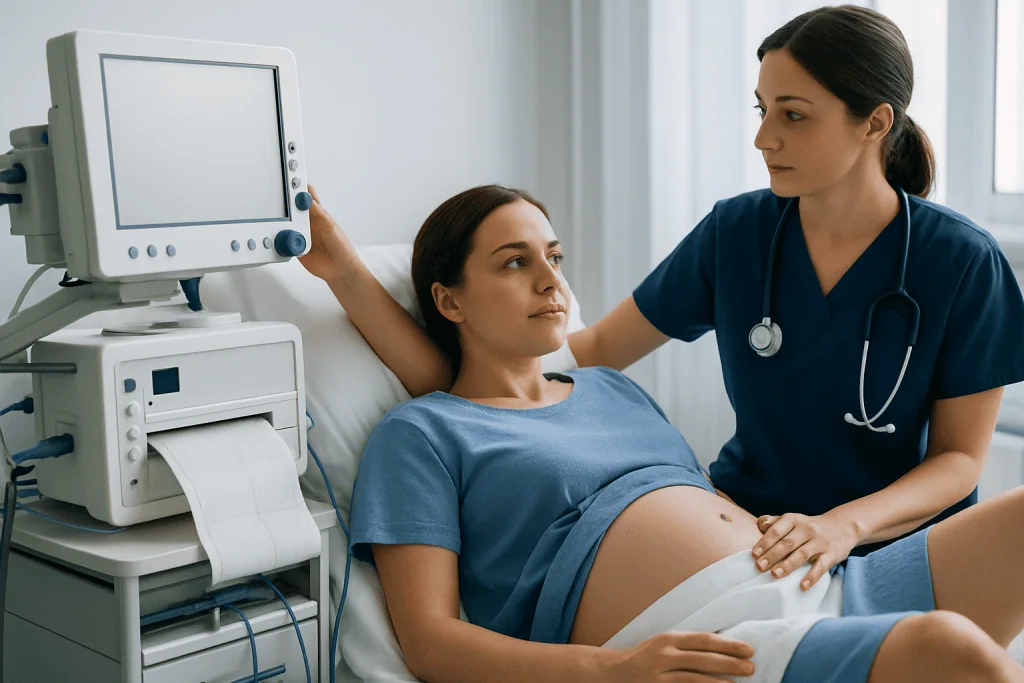
An episiotomy may be considered when there is concern that the baby needs to be born promptly, such as signs of fetal distress during the final stage of labor. It may also be used during an assisted vaginal birth with forceps or vacuum, when more space may help the delivery proceed safely.
In some cases, the perineal tissues may appear very tight, rigid, or likely to tear in a way that extends into the anal sphincter or rectum. Although an episiotomy does not guarantee prevention of severe tearing, a clinician may judge that a carefully placed cut is the better option in that specific moment. Position of the baby, speed of labor, prior scar tissue, and maternal exhaustion can also influence the decision.
There are different types of episiotomy. A mediolateral episiotomy is angled away from the anus and is commonly preferred in many settings because it may reduce the chance of extension into the anal sphincter. A midline episiotomy is directed straight down toward the anus and may be easier to repair, but it can carry a higher risk of extending into deeper tissues.
- Possible reasons for episiotomy include fetal distress in the second stage of labor.
- It may be used during forceps- or vacuum-assisted birth.
- It may be considered if the perineum is not stretching well and birth must be expedited.
- It is generally not recommended as a routine step in uncomplicated vaginal birth.
What Happens During the Procedure
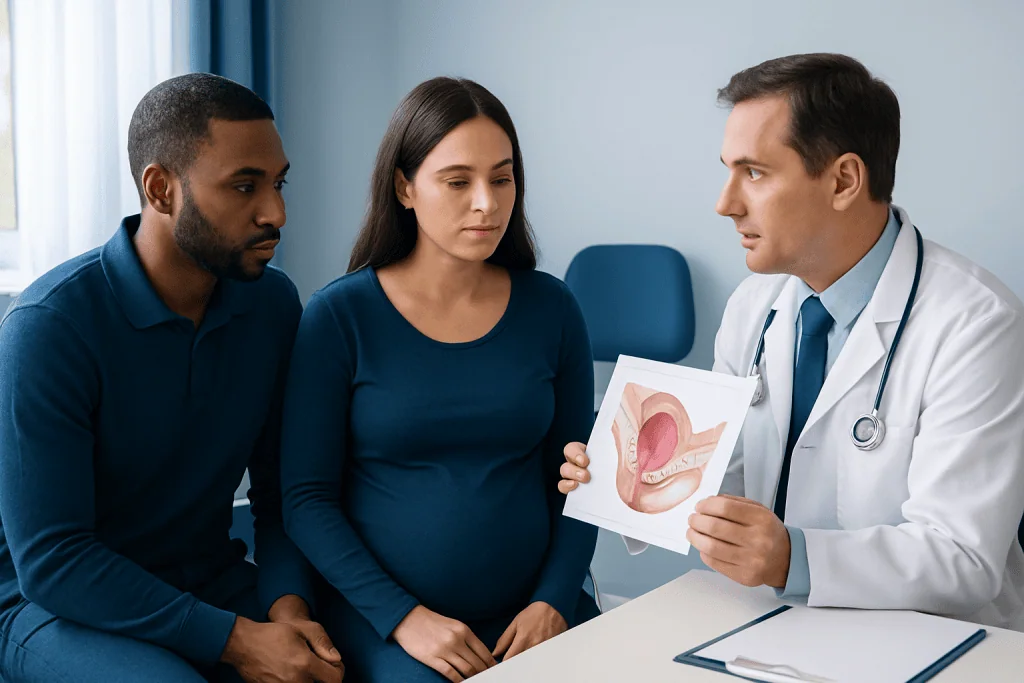
If an episiotomy is needed, the clinician usually explains the reason as clearly as possible, although labor can sometimes require fast decision-making. The area may already be numb from an epidural. If not, local anesthetic is commonly used before the incision is made, unless birth is occurring so rapidly that there is no time.
The cut is typically made during a contraction as the baby’s head is crowning. After the baby and placenta are delivered, the area is carefully examined to see whether there are any additional tears. The episiotomy is then repaired with dissolvable stitches.
Repair usually takes place soon after birth in the delivery room. The clinician checks for bleeding and the depth of the cut, and ensures that surrounding muscles and tissues are aligned properly during stitching. In more complex cases, especially if a tear extends deeper into the anal sphincter, management may involve a specialist in obstetrics and gynecology care.
Benefits, Risks, and Common Myths
The main potential benefit of episiotomy is that it can create more room for delivery when speed matters or when instruments are needed. In selected situations, this may help reduce stress during the final moments of birth. However, this benefit depends on the individual circumstances and should not be assumed for every labor.
Like any surgical cut, episiotomy carries risks. Short-term problems can include pain, swelling, bruising, bleeding, infection, and discomfort with sitting, walking, urinating, or passing stool. Some people experience painful intercourse for a time during healing. In some cases, the incision can extend into a more serious perineal tear involving the anal sphincter.
Several myths deserve clarification. Episiotomy does not reliably prevent severe tears in all women, and it does not routinely protect against future pelvic floor problems or urinary leakage. It also does not necessarily lead to easier recovery than a natural tear. Severe perineal injury can occur with or without episiotomy, and this is related to broader childbirth factors, including the risk of perineal tear.
Another common myth is that episiotomy always causes long-term pain or sexual problems. Most women heal well, especially with appropriate repair, follow-up, and pelvic floor support when needed. Still, persistent symptoms should not be ignored, because effective assessment and treatment are available.
Recovery and Aftercare
Recovery from episiotomy usually begins in the first days after childbirth. Mild to moderate soreness is common, especially when sitting down, changing position, or using the toilet. Many women improve steadily over a few weeks, although healing time varies depending on the size of the cut, whether there were additional tears, and the person’s overall health.
Helpful aftercare often includes keeping the area clean and dry, changing maternity pads regularly, using prescribed or recommended pain relief, and applying cold packs in the early period if advised by the care team. Some women find comfort in warm water rinses after urination, gentle washing, and sitting on a soft cushion. Avoiding constipation is also important, because straining can increase discomfort.
Stitches usually dissolve on their own. Sexual activity is generally delayed until healing is adequate and postpartum bleeding has settled, but timing should be discussed with a doctor or midwife. If pelvic floor weakness, scar discomfort, or pain with intercourse continues, referral for physical therapy and rehabilitation may support recovery.
Postpartum follow-up matters because not all symptoms are visible from the outside. If there is concern about deeper injury, anal sphincter involvement, or bowel control changes, clinicians may evaluate for conditions related to childbirth trauma and compare symptoms with those seen in anal fissure or other anorectal problems, although these are different diagnoses.
How Doctors Diagnose Problems After an Episiotomy
Most episiotomies heal without major difficulty, but doctors remain alert for complications in the days and weeks after birth. Assessment begins with a medical history and physical examination. A clinician asks about pain, bleeding, discharge, fever, wound opening, urination, bowel movements, and any problems with controlling gas or stool.
Examination of the perineum can show whether the stitches are intact, whether there is infection or significant swelling, and whether the wound is healing properly. If symptoms suggest a more extensive injury, especially involving the anal sphincter or rectum, further assessment may be needed. This is important because some deeper tears are not obvious without careful evaluation.
In selected cases, imaging or specialist examination may be recommended to assess pelvic floor injury or postpartum complications. If the concern is broader than the perineal wound alone, doctors may also arrange pelvic floor rehabilitation or specialist review to address function, scar pain, or continence symptoms in a structured way.
Can Episiotomy Be Prevented?
Not every episiotomy can be prevented, because labor can change quickly and the safest choice depends on real-time events. Still, selective use means the goal is to avoid the procedure unless it is clearly helpful. Good communication with the birth team before labor can help a woman understand local practice and express her preferences.
Some measures may support natural stretching of the perineum, although they do not guarantee avoidance of tears or episiotomy. These can include controlled pushing guided by the clinician, warm compresses on the perineum during the second stage of labor, and maternal positions that help the baby descend gradually. In some women, antenatal perineal massage late in pregnancy may also be discussed.
It is useful to approach prevention realistically rather than as a promise. The safest birth plan balances patient preference with clinical judgment. A person with concerns about prior childbirth injury, scar tissue, or pelvic floor symptoms may benefit from discussing these issues with an obstetric specialist before delivery.
When to Seek Medical Care
Medical attention is advisable if pain is getting worse rather than better, if there is fever, increasing redness, bad-smelling discharge, heavy bleeding, or if the stitches seem to have opened. These can be signs of infection, hematoma, poor wound healing, or another complication that deserves prompt review.
A doctor should also be consulted if there is difficulty passing urine or stool, severe constipation, new loss of bowel control, numbness, or persistent pain during sex after healing time has passed. Ongoing distress or symptoms that interfere with daily life should not be dismissed as a normal part of recovery.
For women who need specialized postpartum evaluation, multidisciplinary care can be helpful. Acibadem International’s specialists in women’s health, rehabilitation, and colorectal assessment at JCI-accredited hospitals diagnose and treat childbirth-related perineal problems for international patients when further evaluation is needed.
Frequently asked questions
Is episiotomy still routinely done during childbirth?
No. Modern obstetric practice generally recommends selective rather than routine episiotomy. It is usually considered only when there is a clear medical reason, such as the need to speed delivery or assist a complicated vaginal birth.
Does an episiotomy prevent tearing?
Not in every case. A routine episiotomy does not reliably prevent severe tears for most women, although in some specific situations a clinician may judge that a controlled incision is preferable to an unpredictable tear.
How long does episiotomy recovery take?
Many women notice gradual improvement over the first few weeks after birth. Mild soreness can be common early on, while deeper healing may take longer depending on the size of the cut, any additional tearing, and individual healing factors.
Are episiotomy stitches removed later?
Usually not. The stitches used to repair an episiotomy are commonly dissolvable and break down on their own over time. If there is unusual pain, irritation, or concern about healing, a doctor should check the area.
Can episiotomy cause long-term problems?
Most people recover without lasting issues, but some may experience persistent pain, scar sensitivity, pelvic floor symptoms, or discomfort during intercourse. Ongoing bowel control problems or severe pain should be assessed promptly because treatment may help.
What helps episiotomy pain at home?
Keeping the area clean, changing pads regularly, resting, and using doctor-recommended pain relief can help. Cold packs in the early period, gentle washing, and avoiding constipation are also commonly useful supportive measures.
References
- World Health Organization
- American College of Obstetricians and Gynecologists
- Royal College of Obstetricians and Gynaecologists
- National Institute for Health and Care Excellence
- Cochrane
This article is for general information only and is not a substitute for professional medical advice. Please consult a qualified doctor about your individual situation.
Explore treatments in Turkey — costs, top hospitals & a free quote
JCI-accredited · board-certified surgeons · reply within 24h
Add us as a Preferred Source to see more of our trusted health content across Google Search, AI Overviews and Discover.