Snake Bite Snake: What Patients Need to Know
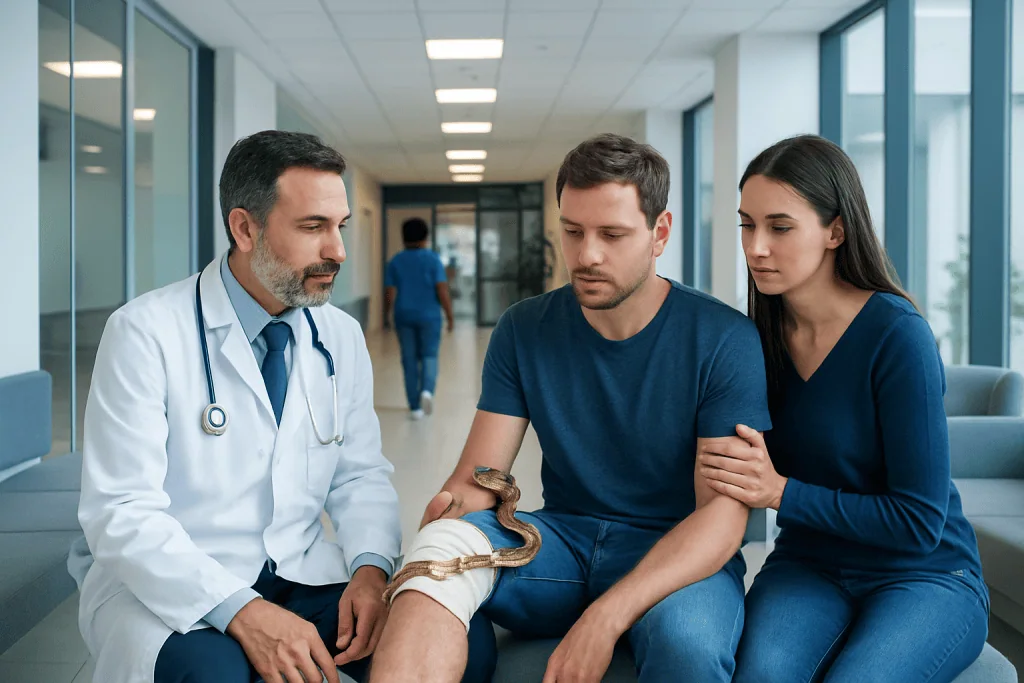
Not every snake bite injects venom, but every suspected venomous bite should be evaluated urgently. First aid focuses on safety, calm reassurance, removing tight items, and keeping the bitten limb still and below heart level if possible.
Key Takeaways
- Not every snake bite injects venom, but every suspected venomous bite should be evaluated urgently.
- First aid focuses on safety, calm reassurance, removing tight items, and keeping the bitten limb still and below heart level if possible.
- Cutting the wound, sucking out venom, applying ice, or using a tourniquet can cause harm and should be avoided.
- Doctors diagnose and monitor snake bites using the history, physical examination, and blood tests when needed.
- Treatment may include wound care, pain control, tetanus protection, observation, and antivenom for significant envenomation.
A snake bite snake injury can range from a harmless dry bite to a medical emergency, so prompt assessment is important. The safest first steps are to move away from the snake, keep the person still, immobilize the bitten limb, and seek urgent medical care rather than trying home remedies.
Overview: what a snake bite snake injury means
A snake bite snake injury means a person has been bitten by a snake, but the health effects depend on whether venom was injected, which species was involved, where the bite occurred, and how quickly medical care is received. Some bites are “dry bites,” meaning no venom was delivered. Others cause local swelling and pain, while some can affect the blood, nerves, muscles, kidneys, or breathing.
Because it is often impossible to know right away how serious a bite will become, suspected snake bites should be treated with caution. Early symptoms may be mild even when important effects develop later. For that reason, medical observation is often needed even if the person initially feels fairly well.
Most snake bites happen on the hands, feet, or lower legs during outdoor activity, gardening, farming, or when a person accidentally steps near or reaches toward a snake. In many cases, the snake is not identified with certainty, and trying to catch or kill it can lead to additional bites. A photo taken from a safe distance may help, but only if it can be done without risk.
Symptoms and signs to watch for

Symptoms can begin within minutes or may develop gradually over several hours. Local signs often include puncture marks, pain, tenderness, swelling, redness, bruising, or bleeding from the bite site. Some people also feel tingling, numbness, or a sensation of warmth around the wound.
General symptoms may suggest venom effects beyond the bite area. These can include nausea, vomiting, sweating, weakness, dizziness, headache, abdominal pain, or faintness. More serious symptoms may involve blurred vision, drooping eyelids, trouble speaking or swallowing, muscle weakness, bleeding from the gums or wound, dark urine, or difficulty breathing.
Children, older adults, and people with chronic medical conditions can sometimes become unwell more quickly. Even if there are only mild symptoms at first, increasing swelling, spreading pain, vomiting, sleepiness, or any change in breathing deserves urgent assessment. Severe allergic reactions are also possible after a bite, although they are different from venom effects.
- Common local signs: pain, swelling, puncture marks, bruising
- Possible systemic signs: nausea, dizziness, weakness, sweating
- Emergency signs: breathing difficulty, confusion, bleeding, paralysis, collapse
Causes, venom effects, and risk factors

Snake bites happen when a snake feels threatened, is startled, or is handled. Venomous snakes produce venom to immobilize prey and defend themselves. The toxins in venom can act in different ways: some damage tissue, some interfere with blood clotting, and some affect nerves and muscles. This is why snake bite illness does not look the same in every person.
The amount of venom injected can vary greatly. A small snake can still cause serious illness, while a large snake may deliver little or no venom. Bites to the face, neck, or torso may be more concerning because of faster swelling or absorption. Bites to the hands can also be problematic because swelling in tight tissue spaces may threaten circulation.
Risk is higher for people who hike, camp, farm, garden, work outdoors, or live in areas where venomous snakes are common. Alcohol use, poor visibility, and attempts to handle or relocate a snake can also increase risk. People with bleeding disorders, heart disease, or kidney disease may need especially careful monitoring. If a bite leads to major tissue injury, doctors may also involve teams experienced in orthopedic rehabilitation during recovery.
Immediate first aid after a snake bite
The most helpful first aid is simple. Move away from the snake to prevent another bite. Keep the person calm and as still as possible, because movement can increase venom spread through the lymphatic system. Call emergency services or go to the nearest emergency department, especially if the snake may be venomous or if symptoms are developing.
Remove rings, watches, bracelets, or tight clothing before swelling starts. Gently immobilize the bitten arm or leg with a splint if available, and keep it at rest. If possible, keep the limb in a neutral, low position rather than raised high. Cover the wound loosely with a clean dressing.
Several common myths can do more harm than good. The wound should not be cut, sucked, massaged, iced, or shocked with electricity. A tight tourniquet should not be used unless specifically directed by trained professionals in a setting where pressure immobilization is recommended for particular snake species; in many situations, an improvised tourniquet can worsen tissue damage. Medicines, herbal products, or alcohol should not delay urgent evaluation.
- Do: get to medical care quickly
- Do: keep the person still and reassure them
- Do: note the time of the bite and symptom changes
- Do not: try to catch the snake
- Do not: cut, suck, or freeze the wound
- Do not: apply a tight tourniquet
How doctors diagnose a snake bite
Diagnosis begins with a careful history and physical examination. Doctors ask when and where the bite happened, what the snake looked like if known, how symptoms changed over time, and whether the person has allergies, takes blood thinners, or has underlying medical conditions. The bite site is examined for fang marks, swelling, tenderness, blistering, bleeding, or tissue injury.
Monitoring is an important part of diagnosis because venom effects can evolve. The medical team may measure swelling, check pulse and blood pressure, and assess breathing, strength, sensation, and mental status. Repeated examinations help show whether a patient is stable, improving, or developing signs of envenomation that require treatment.
Blood and urine tests may be used to look for clotting problems, muscle breakdown, kidney strain, anemia, or other complications. In selected cases, imaging may be needed if there is concern about deep tissue injury, compartment syndrome, or damage near a joint. If breathing, nerve function, or severe weakness is affected, patients may also be evaluated similarly to other acute neurological disorders or critical illnesses while the cause is clarified.
Treatment options in hospital
Treatment depends on the severity of symptoms and the likely type of snake. Mild bites without clear venom effects may only need wound cleaning, pain relief, tetanus assessment, and a period of observation. Antibiotics are not routinely needed for every snake bite, but they may be used if there is clear evidence of infection or significant tissue damage.
When venom causes important local injury or systemic symptoms, antivenom may be recommended. Antivenom is designed to neutralize venom and can reduce progression of swelling, bleeding problems, nerve symptoms, and organ complications. Because it can also cause allergic or infusion reactions, it is given in a monitored setting by experienced clinicians.
Some patients need additional supportive care such as intravenous fluids, treatment for low blood pressure, blood product support for clotting abnormalities, or respiratory support if breathing becomes weak. Severe swelling or tissue damage may require input from surgeons, intensive care specialists, or wound care teams. In advanced hospitals, intensive care support and emergency medicine services work together when rapid stabilization is needed.
Recovery time varies. Pain and swelling may improve over days, but bruising, stiffness, numbness, or weakness can last longer, especially after significant tissue injury. Follow-up can include wound checks, repeat blood tests, and rehabilitation if hand or leg function has been affected. If circulation or blood clotting problems occur, assessment may overlap with care pathways used for other vascular diseases.
Prevention, self-care, and recovery
Prevention starts with awareness in places where snakes live. People can reduce risk by staying on clear paths, wearing boots and long trousers outdoors, using a flashlight at night, and checking around rocks, logs, tall grass, or garden tools before reaching in. Snakes should never be handled, even if they appear dead, because reflex biting can still occur.
At home and on farms, keeping yards tidy, reducing rodent activity, and storing firewood carefully may help make the area less attractive to snakes. Pets and children should be supervised in snake-prone environments. During travel, it helps to learn whether venomous snakes are common in the region and to know the nearest medical facility.
After a bite, recovery is usually smoother when the patient follows medical advice about rest, wound care, hydration, and follow-up appointments. The limb may need gentle movement later to avoid stiffness, but strenuous use should wait until swelling and pain have improved. If there is lasting weakness, numbness, or mobility difficulty, structured rehabilitation may be advised.
Near the end of the care journey, some international patients may choose centers such as Acibadem International, where multidisciplinary specialists in JCI-accredited hospitals evaluate and treat complex bite-related complications when needed.
When to seek medical care
Anyone with a suspected venomous snake bite should seek urgent medical care the same day, even if symptoms seem mild at first. It is also important to get prompt help if the species is unknown, the bite is on the face or hand, the person is a child, or there are underlying health conditions such as pregnancy, bleeding disorders, heart disease, or kidney disease.
Emergency care is especially important if there is rapidly increasing swelling, severe pain, vomiting, fainting, bleeding, confusion, weakness, drooping eyelids, trouble swallowing, or difficulty breathing. These signs can suggest significant envenomation and should not be watched at home.
Medical review is also advisable after any bite that becomes red, hot, increasingly tender, or develops discharge in the following days, because infection or tissue injury may need treatment. If there is uncertainty, a qualified doctor or emergency clinician is the safest source of advice.
Frequently asked questions
Can a snake bite be harmless?
Yes. Some bites are dry bites, meaning little or no venom is injected, and some snakes are nonvenomous. However, it is not always possible to tell immediately, so suspected venomous bites should still be assessed urgently.
What is the best first aid for a snake bite snake injury?
The best first aid is to move away from the snake, keep the person calm, immobilize the bitten limb, remove tight jewelry, and seek urgent medical care. Harmful methods such as cutting the wound, sucking out venom, icing the area, or using a tight tourniquet should be avoided.
Should the snake be captured for identification?
No. Trying to catch or kill the snake can lead to another bite. If it can be done safely from a distance, a photo may help, but treatment should not be delayed for identification.
When is antivenom needed?
Antivenom is used when there are clear signs of significant envenomation, such as worsening swelling, bleeding problems, nerve symptoms, or organ effects. Doctors decide based on the patient’s symptoms, examination, and test results, and it is given in a monitored hospital setting.
How long do snake bite symptoms last?
Mild local pain and swelling may improve over a few days, but recovery can take longer if there is more severe tissue injury or systemic venom effects. Some people need follow-up care for stiffness, numbness, wound healing, or rehabilitation.
Can a snake bite become infected?
Yes, although not every bite becomes infected. A doctor may check for increasing redness, warmth, discharge, fever, or worsening pain and decide whether wound care or antibiotics are needed.
References
- World Health Organization
- Centers for Disease Control and Prevention
- MedlinePlus
- Merck Manual Consumer Version
This article is for general information only and is not a substitute for professional medical advice. Please consult a qualified doctor about your individual situation.
Explore treatments in Turkey — costs, top hospitals & a free quote
JCI-accredited · board-certified surgeons · reply within 24h
Add us as a Preferred Source to see more of our trusted health content across Google Search, AI Overviews and Discover.