Prosopagnosia: What Patients Need to Know
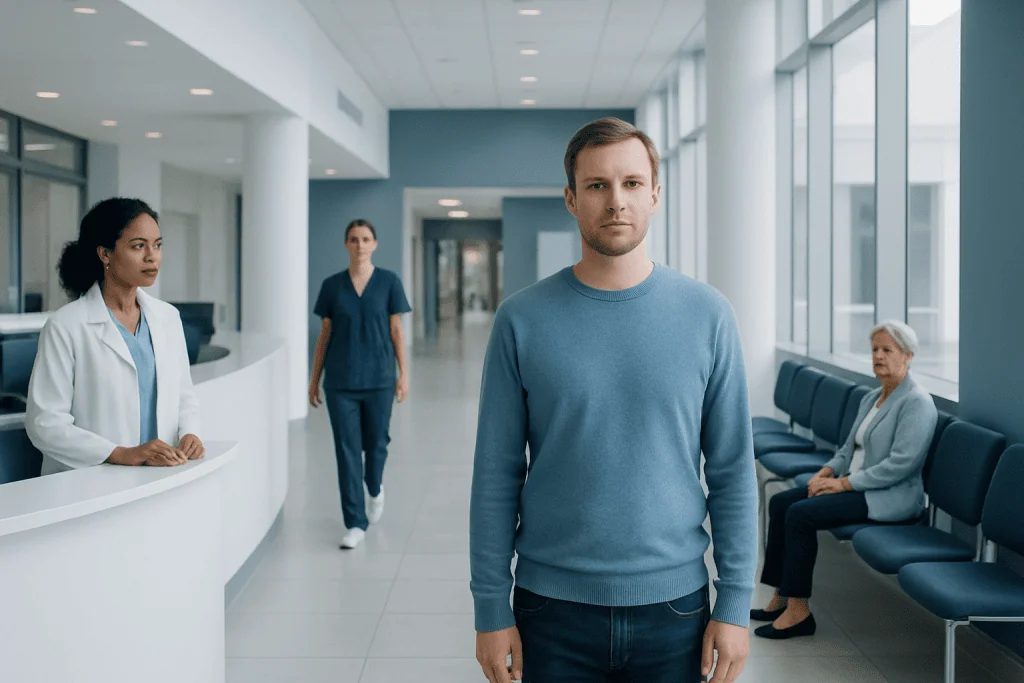
Prosopagnosia affects the ability to recognize faces, not intelligence or general vision. It can be developmental from early life or acquired after stroke, head injury, or other brain conditions.
Key Takeaways
- Prosopagnosia affects the ability to recognize faces, not intelligence or general vision.
- It can be developmental from early life or acquired after stroke, head injury, or other brain conditions.
- Diagnosis usually involves a medical history, neurological assessment, and specialized tests of face recognition.
- There is no single cure, but practical strategies, rehabilitation, and treatment of the underlying cause may help.
- New or sudden difficulty recognizing faces should be assessed by a doctor promptly.
Prosopagnosia, often called face blindness, is a condition in which a person has difficulty recognizing familiar faces, sometimes even their own, despite otherwise normal eyesight. It may be present from childhood or develop after brain injury or neurological disease, and evaluation can help identify the cause and support daily coping strategies.
Overview: what prosopagnosia means
Prosopagnosia is a neurological condition that makes it hard to recognize faces. Many people know it as face blindness. A person with prosopagnosia may see a face clearly but still struggle to identify who the person is, even if the face belongs to a close friend, family member, coworker, or in some cases the person themselves in a mirror or photograph.
This difficulty is not caused by poor eyesight alone, low intelligence, or ordinary forgetfulness. Instead, it reflects a problem in how the brain processes facial identity. Some people have mild symptoms and rely on hairstyles, voice, clothing, or context to identify others. For others, the condition can interfere more noticeably with work, school, social life, and confidence.
Prosopagnosia can be present from childhood without a clear brain injury, which is often called developmental or congenital prosopagnosia. It can also begin later in life after damage to parts of the brain involved in visual recognition. Understanding which type is present is important because it guides further evaluation and next steps.
How prosopagnosia affects daily life
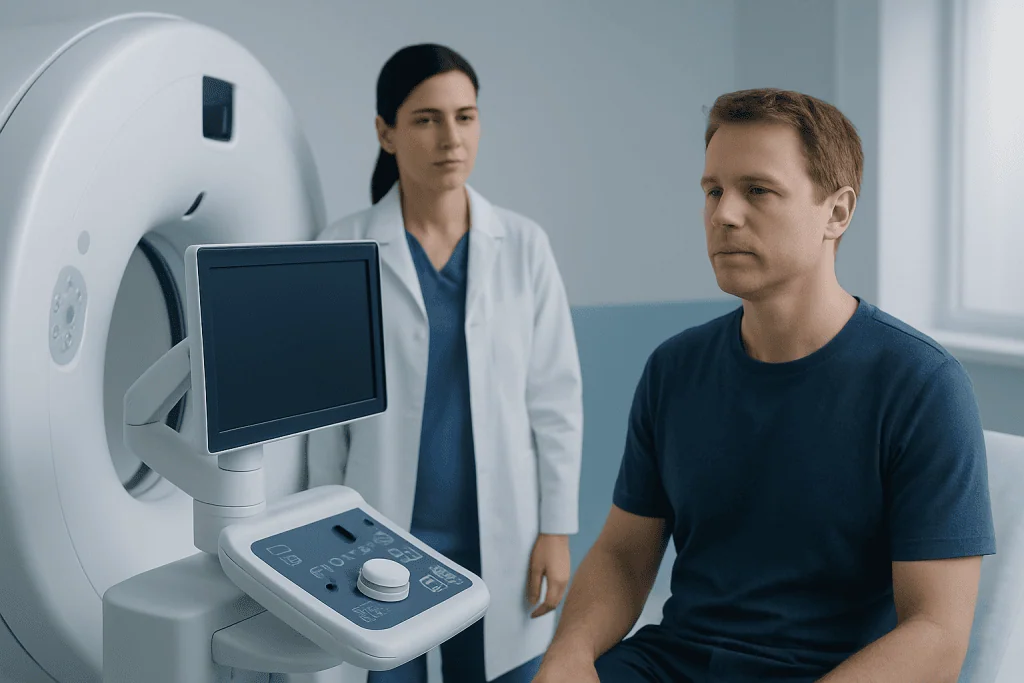
People with prosopagnosia do not all experience the condition in the same way. Some mainly struggle with recognizing unfamiliar faces, while others may have trouble even with familiar people. A person may fail to recognize neighbors, colleagues, teachers, or relatives unless there are extra clues, such as a distinctive voice or the setting in which they usually meet.
Daily situations can become unexpectedly stressful. Social gatherings, school pick-up, meetings, or public places may feel confusing because the person cannot rely on faces the way most people do. This can lead to embarrassment, avoidance of social events, or worry about seeming rude when they do not greet someone they know.
Children with developmental prosopagnosia may be seen as shy, inattentive, or slow to warm up to others when the real issue is face recognition. Adults may develop routines to compensate without realizing there is a recognized neurological explanation for what they have experienced for years.
- Recognizing people by voice, walk, posture, clothing, or hairstyle
- Depending heavily on context, such as where a person is usually seen
- Feeling anxious in crowded or unfamiliar environments
- Having difficulty following characters in films or television shows
Symptoms and related signs

The main symptom of prosopagnosia is difficulty recognizing faces. This may affect familiar faces, newly encountered faces, or both. Some people describe knowing that they are looking at a face but not being able to connect it to the person’s identity. Others can tell basic features such as age range, emotional expression, or whether a face seems familiar, but still cannot identify the individual.
Symptoms can vary in severity. A mild form may only become obvious in crowded settings or when a person changes hairstyle, clothing, or glasses. More severe forms can make it difficult to recognize close relatives or even one’s own face in a photograph. In developmental prosopagnosia, the issue is often longstanding and may be noticed only after a child or adult compares their experience with others.
Some people with acquired prosopagnosia also have other visual recognition difficulties, such as trouble recognizing places or objects, depending on which brain areas are affected. If face recognition problems begin suddenly or are accompanied by other neurological symptoms, doctors may also consider conditions such as stroke or other disorders of the brain and nervous system.
Causes and risk factors
Prosopagnosia is usually grouped into two broad types: developmental and acquired. Developmental prosopagnosia is present from early life and occurs without an obvious brain injury. It may run in families, suggesting a genetic contribution in some cases. A child or adult with developmental prosopagnosia often has otherwise typical vision and may never have been formally assessed before.
Acquired prosopagnosia develops after damage to specific brain networks involved in face processing, especially in the occipital and temporal regions. This damage may occur after a head injury, brain surgery, reduced blood flow to the brain, infection, or certain neurological diseases. In some cases, difficulty recognizing faces may be one part of a broader neurological picture that requires full evaluation.
Risk factors depend on the type. For acquired prosopagnosia, risks include stroke, traumatic brain injury, brain tumors, inflammatory conditions, and neurodegenerative disease. In a person with recent neurological symptoms, imaging such as MRI scanning may help identify whether there is a structural cause. When symptoms appear along with concerns about seizures, trauma, or progressive memory changes, clinicians will look beyond face recognition alone and assess the wider brain function.
How doctors diagnose prosopagnosia
Diagnosis begins with a careful history. A doctor will ask when the problem started, whether it has changed over time, and how it affects everyday life. It is helpful to describe specific examples, such as difficulty recognizing family members out of context or trouble following characters in a film. Family history, learning history, prior head injury, stroke symptoms, and other neurological concerns also matter.
Clinical assessment may include neurological examination and tests of vision, memory, language, and visual perception. The goal is to distinguish prosopagnosia from other causes of recognition difficulty, such as poor vision, general memory problems, confusion, or psychiatric conditions. Specialized neuropsychological testing can evaluate how the brain processes faces compared with objects, words, and places. In some patients, a formal neurological rehabilitation or neuropsychology team may help with both assessment and practical planning.
If the problem started suddenly, worsened over time, or followed an injury, doctors may recommend brain imaging. Depending on the clinical picture, evaluation may involve neurologists, neuropsychologists, ophthalmologists, or rehabilitation specialists. The aim is not only to name the condition but also to understand whether there is an underlying cause that needs treatment.
Treatment options and practical support
There is no single medicine or procedure that directly cures prosopagnosia in all cases. Treatment depends on the cause. If prosopagnosia is acquired, care focuses first on the underlying brain condition. For example, treatment may be directed at the effects of a stroke, head injury, or another neurological disorder. In selected situations, a person may need brain tumor surgery or other cause-specific treatment if imaging shows a structural problem.
Even when face recognition does not fully return, many people benefit from rehabilitation and compensatory strategies. Therapy may focus on learning to use non-facial cues more consistently, such as voice, gait, posture, clothing patterns, or the social context. Some patients practice structured observation of distinguishing features, while others use environmental routines, digital contact photos, or social planning to reduce stress.
Support can also address emotional impact. Repeated social misunderstandings can lead to frustration, shame, or anxiety. Education for family members, teachers, and coworkers may be very helpful, especially for children and adults with developmental prosopagnosia. Near the end of the care pathway, some international patients may seek multidisciplinary assessment at centers such as Acibadem International, where JCI-accredited hospitals and specialist teams evaluate neurological conditions and tailor treatment plans to the individual.
Self-care, coping strategies, and when to seek medical care
Practical self-care often makes a meaningful difference. People with prosopagnosia may benefit from introducing themselves openly when appropriate, asking others to say their name in group settings, and arranging predictable routines in school or work environments. For children, teachers can help by using assigned seating, verbal check-ins, and clear introductions. Technology, such as labeled contact photos or planning apps, may also reduce uncertainty.
It is useful to explain the condition to close family, friends, or colleagues so they understand that missed recognition is not intentional. Supportive communication can lower social stress and help others provide identifying cues naturally. If anxiety or low mood develops because of repeated social difficulties, professional mental health support can be part of care.
Medical evaluation is especially important if face recognition problems are new, getting worse, or happening with other neurological symptoms. A person should seek medical care promptly if prosopagnosia appears suddenly, follows a head injury, or occurs with symptoms such as weakness, numbness, speech changes, vision loss, severe headache, confusion, or memory decline. In these settings, doctors may need to urgently rule out conditions affecting the brain, including brain tumor or vascular causes.
Frequently asked questions
Is prosopagnosia the same as poor memory?
No. Prosopagnosia specifically affects recognition of faces, while memory for names, facts, or events may be normal. Some people know many details about a person but still cannot identify them by face alone.
Can someone with prosopagnosia still see normally?
Often yes. Many people with prosopagnosia have normal eyesight or only routine vision problems that do not explain the face-recognition difficulty. The issue is usually related to how the brain processes facial identity rather than how clearly the eyes see.
Is prosopagnosia present from birth or can it develop later?
Both are possible. Developmental prosopagnosia is usually present from early life, while acquired prosopagnosia can appear after stroke, head injury, brain infection, surgery, or other neurological conditions. The timing of symptoms helps doctors look for the cause.
Can prosopagnosia be cured?
There is no universal cure, but treatment of the underlying cause may help in acquired cases. Many people improve their daily functioning through rehabilitation, compensatory techniques, and better understanding of the condition.
How is prosopagnosia tested?
Doctors usually begin with a detailed history and neurological assessment. They may then use specialized face-recognition tests, neuropsychological evaluation, and brain imaging if needed to clarify whether the condition is developmental or acquired.
When should a person see a doctor about face-recognition problems?
A doctor should assess symptoms that are sudden, progressive, or affecting everyday life. Immediate medical attention is important if the problem starts abruptly or occurs with other neurological symptoms such as weakness, trouble speaking, severe headache, confusion, or vision changes.
References
- National Institute of Neurological Disorders and Stroke
- National Institute on Aging
- American Stroke Association
- MedlinePlus
- Cleveland Clinic
This article is for general information only and is not a substitute for professional medical advice. Please consult a qualified doctor about your individual situation.
Explore treatments in Turkey — costs, top hospitals & a free quote
JCI-accredited · board-certified surgeons · reply within 24h
Add us as a Preferred Source to see more of our trusted health content across Google Search, AI Overviews and Discover.