Photographic Memory: An Evidence-Based Guide for Patients

Photographic memory is a popular term, but it is not a standard medical diagnosis. Researchers more often discuss eidetic imagery, visual memory, and exceptional autobiographical memory.
Key Takeaways
- Photographic memory is a popular term, but it is not a standard medical diagnosis.
- Researchers more often discuss eidetic imagery, visual memory, and exceptional autobiographical memory.
- Very strong memory usually depends on attention, meaning, repetition, and learned strategies rather than a literal mental photograph.
- Sudden memory decline, confusion, or trouble with daily tasks should be assessed by a doctor.
- Healthy sleep, stress management, exercise, and cognitive engagement support memory function.
Photographic memory is commonly described as the ability to recall an image, page, or scene in near-perfect detail. In medical and psychological research, this ability is not well established in adults, and most strong recall is better explained by visual memory, attention, practice, and memory techniques.
Overview: What photographic memory really means
Photographic memory is often used to mean the ability to remember information exactly as if a camera had captured it. In everyday conversation, people may use the term for someone who recalls pages, faces, maps, or events with remarkable detail. However, in evidence-based medicine and psychology, photographic memory is not a formal diagnosis or a well-proven, common human ability.
Researchers more commonly discuss eidetic imagery, which refers to unusually vivid visual images that can briefly persist after a person stops looking at something. Eidetic-like abilities have mainly been described in some children and are not the same as unlimited, perfect recall. Even in people with exceptional memory, recall is usually influenced by attention, understanding, repetition, and how meaningful the information is.
This distinction matters for patients and families. A person who seems to have photographic memory may actually have very strong visual memory, excellent concentration, extensive practice, or highly effective memory strategies. On the other hand, concerns about poor memory may reflect stress, sleep loss, depression, medication effects, or neurological conditions rather than a simple lack of effort.
How memory works: why exact recall is uncommon
Human memory is not a single storage system. It includes short-term or working memory, long-term memory, and several subtypes such as episodic memory for life events, semantic memory for facts, and procedural memory for skills. The brain does not usually store experiences as exact recordings. Instead, it encodes, organizes, and reconstructs information when it is needed.
Because memory is reconstructive, small details can change over time. Attention at the moment of learning is especially important. If a person is distracted, tired, anxious, or overwhelmed, the brain may not encode information efficiently. This is one reason why people may feel they have a poor memory even when the main problem is concentration.
Some people do have exceptional abilities in specific areas. For example, they may remember music, numbers, chess positions, or personal life events unusually well. These abilities can overlap with advanced practice, pattern recognition, or rare memory profiles rather than a true camera-like capture of everything seen. In clinical settings, doctors evaluate memory as part of overall brain function, not as a yes-or-no trait called photographic memory.
Photographic memory, eidetic memory, and other exceptional memory types
Photographic memory and eidetic memory are often treated as the same thing, but they are not identical. Eidetic imagery generally refers to a short-lived, vivid image that can still be described after the original picture is gone. It does not necessarily allow perfect recall of large amounts of complex information, and it is not commonly demonstrated in adults under controlled conditions.
Another concept is highly superior autobiographical memory, in which a person remembers many details of personal experiences and dates from their own life. This is different from being able to memorize textbook pages or unfamiliar images at a glance. Other people excel because they use structured methods such as chunking, association, visualization, and memory palaces.
Exceptional memory can also appear in some neurodevelopmental or neurological contexts, but this does not mean there is a simple, desirable trait called photographic memory. A clinician may instead think about attention, learning style, anxiety, sleep, and possible conditions affecting the brain or mental health. If memory concerns are persistent, formal assessment can help identify the real cause.
When memory symptoms are part of a broader brain-health concern, doctors may also evaluate for related conditions such as Alzheimer’s disease or other causes of cognitive change. The goal is to understand whether the issue involves normal variation, a treatable medical factor, or a neurological disorder that needs follow-up.
What can affect memory in daily life
Many everyday factors can strengthen or weaken memory performance. Good sleep is essential because the brain uses sleep to consolidate new information. Chronic sleep deprivation, irregular sleep schedules, and sleep disorders can all reduce attention and recall. Stress can also interfere with learning and retrieval, especially when a person is under pressure to remember details.
Mood has a strong effect as well. Depression, anxiety, and burnout may cause slowed thinking, forgetfulness, or a sense of mental fog. These symptoms are real and can be distressing, but they are not always signs of dementia or permanent decline. Addressing the underlying emotional or physical burden often improves memory.
Medical conditions and medications are also relevant. Thyroid disorders, vitamin deficiencies, infections, head injuries, and some medicines can affect concentration or memory. Substance use, especially heavy alcohol use, may impair memory formation. In older adults, medication review is often an important part of the evaluation.
Age-related changes can affect speed of recall, but healthy aging does not usually mean severe confusion or loss of independence. If memory problems are worsening, accompanied by personality changes, or making everyday tasks harder, further assessment is appropriate.
How doctors assess memory concerns
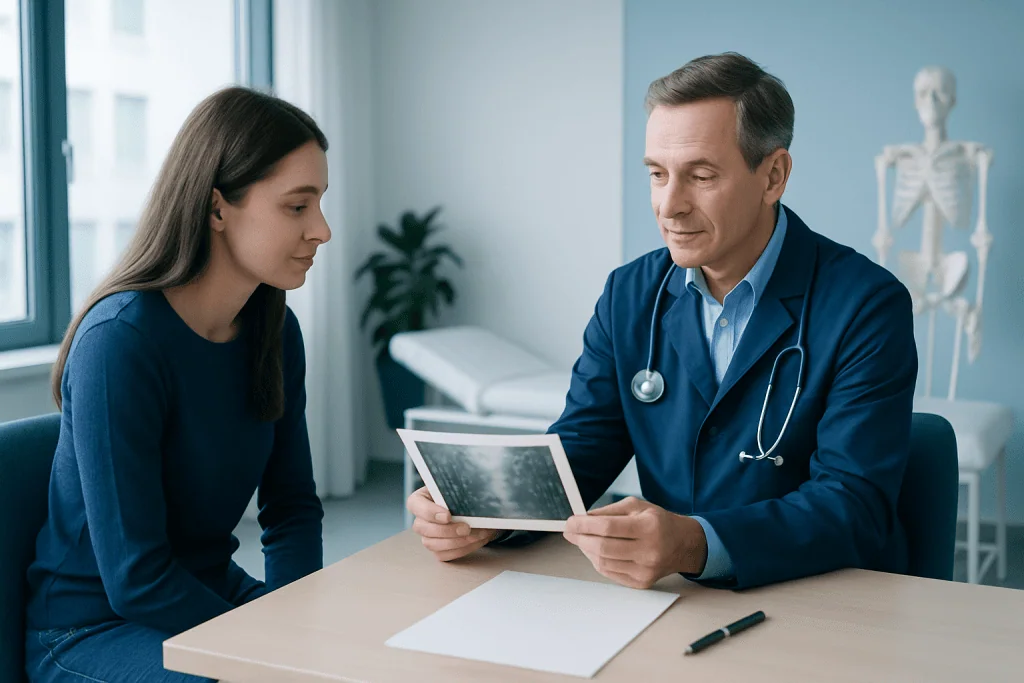
There is no single medical test for photographic memory. When a person reports unusually strong recall or, more commonly, worries about poor memory, the evaluation begins with a detailed history. A doctor may ask when the problem started, whether it is getting worse, how it affects work or home life, and whether there are associated symptoms such as headaches, mood changes, sleep problems, or confusion.
Cognitive screening or neuropsychological testing may be used to examine attention, language, learning, executive function, and different forms of memory. These tests help distinguish between normal forgetfulness, stress-related concentration problems, and patterns that suggest neurological disease. Blood tests may be ordered to look for common reversible causes such as vitamin deficiency or thyroid problems.
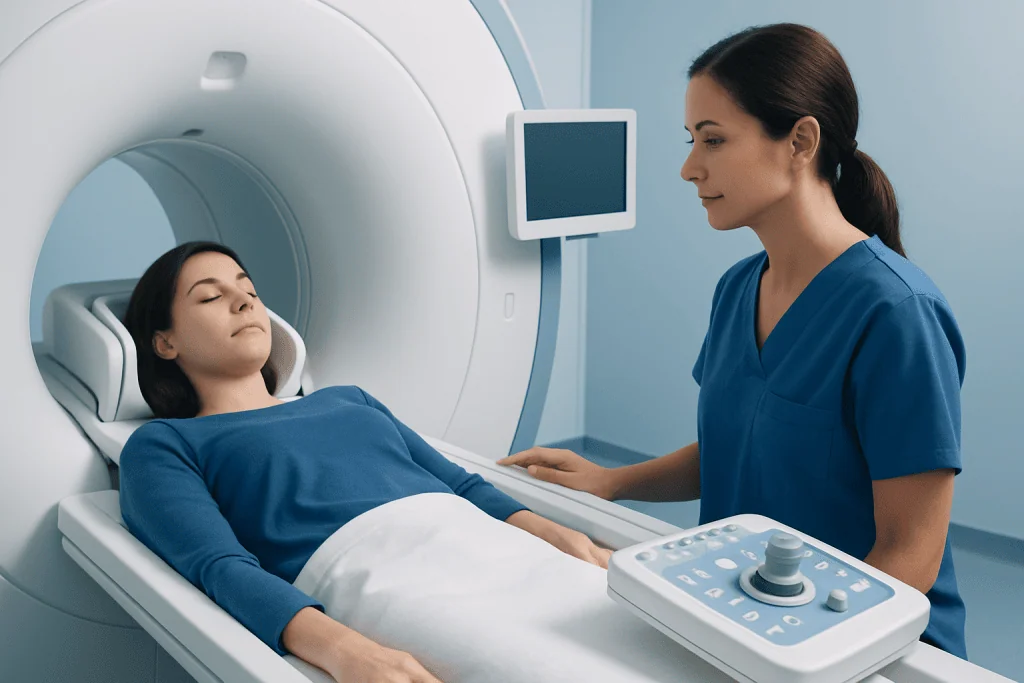
If there are red flags such as head trauma, seizures, focal neurological symptoms, or rapid cognitive decline, imaging may be needed. In selected cases, doctors may recommend MRI scanning or other assessments to look for structural causes. If seizure-related memory events are suspected, evaluation for epilepsy may also be appropriate.
At specialized centers, testing is often multidisciplinary. Neurologists, psychiatrists, psychologists, and other clinicians may work together to identify whether a memory concern is primarily cognitive, emotional, sleep-related, medication-related, or neurological in origin.
Can memory be improved? Evidence-based ways to support recall
Most people cannot develop true photographic memory, but many can improve memory performance. The best-supported methods focus on how information is learned. Paying full attention, connecting new material to prior knowledge, repeating it over time, and practicing retrieval all improve recall. Active techniques work better than simply rereading information.
Helpful strategies include grouping related items into chunks, creating meaningful associations, using visual imagery, and teaching the material to someone else. Calendar reminders, written lists, and structured routines are practical tools, not signs of failure. They reduce mental overload and can support independence.
Brain health habits also matter. Regular physical activity, adequate sleep, stress reduction, social engagement, and a balanced diet all support healthy cognition. If a person has a treatable issue such as depression, hearing loss, poor sleep, or medication side effects, addressing that issue may improve memory more than any brain-training exercise.
When memory symptoms are persistent or complex, specialist care may help. Some patients benefit from neurological rehabilitation aimed at cognitive strategies and daily function. In advanced diagnostic settings, doctors may use electroencephalography (EEG) when episodes raise concern for seizure-related causes of altered awareness or memory gaps.
When to seek medical care
Occasional forgetfulness is common, especially during stress, poor sleep, or busy periods. Medical advice is more important when memory problems are new, worsening, or clearly interfering with work, school, finances, medications, driving, or other daily activities. Family members often notice subtle changes before the person does.
Prompt medical assessment is needed if memory changes occur with confusion, sudden personality change, trouble speaking, weakness, severe headache, fainting, seizures, or after a head injury. These symptoms can indicate an urgent neurological problem. It is also important to seek care when mood symptoms, substance use, or sleep problems may be contributing, because these causes are often treatable.
For international patients who need coordinated evaluation, Acibadem International’s multidisciplinary specialists and JCI-accredited hospitals assess memory concerns and related neurological conditions with individualized care plans. A qualified clinician can explain what is normal, what may be reversible, and what tests are actually useful.
Frequently asked questions
Is photographic memory real?
Photographic memory is a popular term, but it is not a clearly established medical or scientific ability in most adults. Researchers generally describe memory using terms such as visual memory, eidetic imagery, or exceptional autobiographical memory instead.
What is the difference between photographic memory and eidetic memory?
Eidetic memory refers to unusually vivid visual images that may persist briefly after seeing something. Photographic memory usually implies exact, lasting recall of complex information, which has not been reliably shown to be a common adult ability.
Can someone train themselves to have photographic memory?
There is no proven method to create true photographic memory. However, many people can improve recall with memory techniques, focused attention, good sleep, repetition, and practice using information in meaningful ways.
Does having strong visual memory mean there is a medical problem?
No. Strong visual memory is often a normal variation in cognitive strengths. It only becomes a medical concern if there are other symptoms, such as confusion, seizures, head injury, or changes in daily functioning.
Why do memory problems happen even in younger adults?
Younger adults can have memory complaints because of stress, anxiety, depression, poor sleep, burnout, alcohol or drug use, medication effects, or attention problems. These causes are common and do not automatically suggest dementia.
When should memory loss be evaluated by a doctor?
A doctor should evaluate memory loss if it is new, worsening, affecting daily life, or accompanied by confusion, language problems, weakness, severe headache, seizures, or personality change. Early assessment helps identify reversible causes and decide whether specialist care is needed.
References
- National Institute on Aging
- National Institute of Neurological Disorders and Stroke
- American Psychological Association
- Mayo Clinic
- World Health Organization
This article is for general information only and is not a substitute for professional medical advice. Please consult a qualified doctor about your individual situation.
Explore treatments in Turkey — costs, top hospitals & a free quote
JCI-accredited · board-certified surgeons · reply within 24h
Add us as a Preferred Source to see more of our trusted health content across Google Search, AI Overviews and Discover.

More from the Health Library



Related Specialists
Ahmet Turan
Physical Medicine & Rehabilitation
Dyt. Güler Aras
Nutrition & Diet
Dr. Mecit Faruk Sancak
Otorhinolaryngology
Prof. Dr. A. Taner Usta
Gynecology & Obstetrics