Bean Sprouts: What Patients Need to Know

Bean sprouts provide vitamins, minerals, fiber, and water with relatively few calories. Raw or lightly cooked sprouts can carry bacteria such as Salmonella or E. coli.
Key Takeaways
- Bean sprouts provide vitamins, minerals, fiber, and water with relatively few calories.
- Raw or lightly cooked sprouts can carry bacteria such as Salmonella or E. coli.
- Cooking bean sprouts thoroughly lowers the risk of foodborne illness.
- Pregnant people, young children, older adults, and immunocompromised patients should avoid raw sprouts.
- A doctor should assess severe diarrhea, dehydration, fever, bloody stools, or symptoms after high-risk food exposure.
Bean sprouts are young shoots from beans or seeds that can be part of a healthy diet, but they require careful handling because raw sprouts are more likely than many other fresh foods to carry harmful bacteria. For most people, cooked bean sprouts are the safer choice, especially during pregnancy, older age, childhood, or if the immune system is weakened.
Overview: What Bean Sprouts Are and Why They Matter
Bean sprouts are the young shoots that grow when beans or seeds begin to germinate. Common examples include mung bean sprouts and soybean sprouts, which are often added to salads, sandwiches, soups, and stir-fries. They are valued for their crisp texture, mild flavor, and nutrient content.
For patients, the main question is not only whether bean sprouts are healthy, but also whether they are safe. The answer is balanced: bean sprouts can be a nutritious food, yet raw sprouts have a higher risk of contamination with bacteria because the warm, moist conditions needed for sprouting also allow germs to grow.
This makes bean sprouts a useful example of how a food can be both beneficial and risky depending on how it is prepared and who is eating it. For healthy adults, cooked sprouts can fit well into a balanced eating pattern. For people who are pregnant, elderly, very young, or living with a weakened immune system, extra caution is important.
Nutrition and Possible Health Benefits
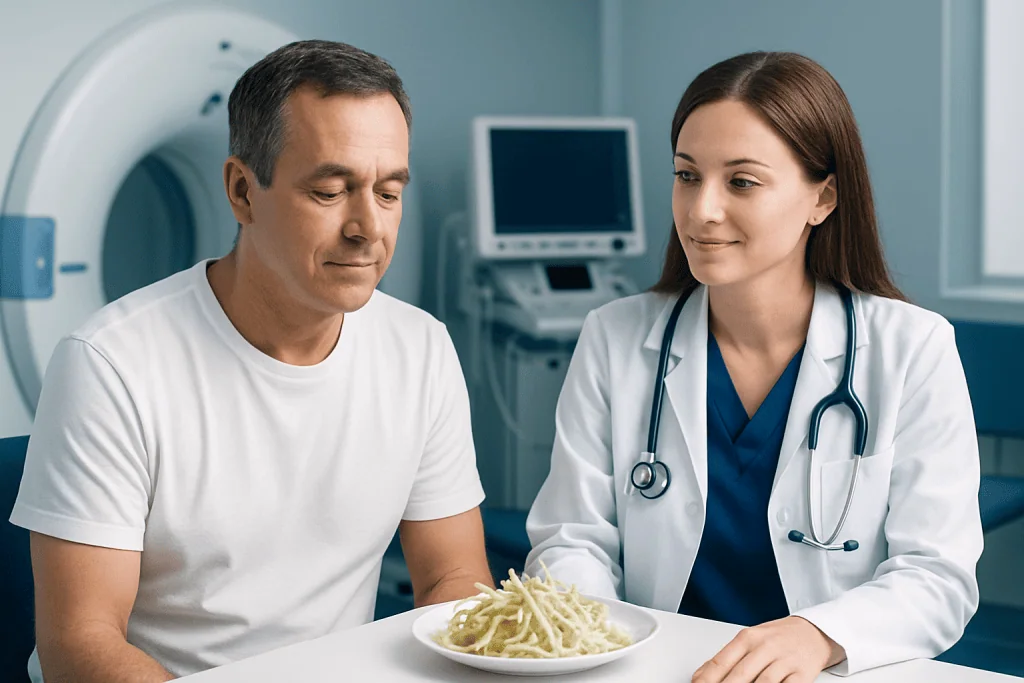
Bean sprouts are generally low in calories and contain water, fiber, and small amounts of protein. They also provide vitamins and minerals, which may include vitamin C, folate, vitamin K, and some B vitamins, depending on the type of sprout and how fresh it is. Because they are light and crisp, they can add volume and texture to meals without making them heavy.
The fiber in bean sprouts may support digestive health and help people feel satisfied after eating. Their vitamin and mineral content can contribute to overall nutrition when bean sprouts are part of a varied diet that includes vegetables, fruits, whole grains, legumes, and healthy protein sources.
Some people choose sprouts because they want fresh, minimally processed foods. That can be a reasonable goal, but it is important to remember that “natural” does not always mean “low risk.” In the case of bean sprouts, the nutrition benefits are real, but food safety needs to be part of the decision.
- Low in calories
- Provides hydration because of high water content
- Contains fiber that may help regular digestion
- Adds vitamins and minerals to mixed meals
- Works well in cooked dishes such as soups and stir-fries
Why Raw Bean Sprouts Can Be Risky
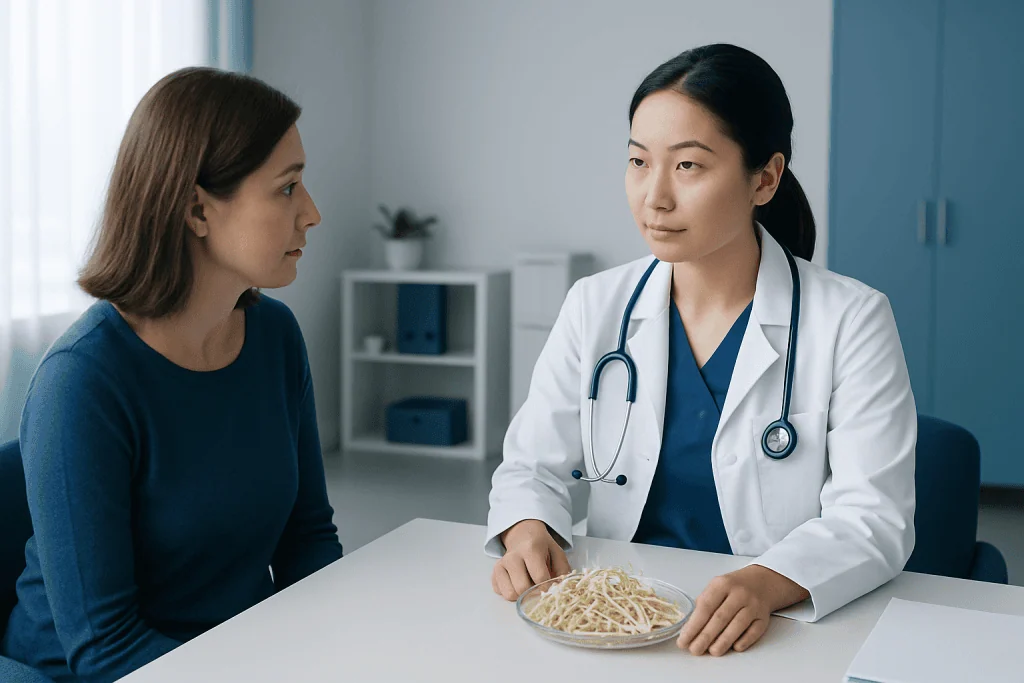
Raw bean sprouts have been linked to foodborne illness outbreaks more often than many other vegetables. This is because sprouting requires warmth and moisture, conditions that can also support the growth of bacteria such as Salmonella, E. coli, and Listeria. Even careful rinsing at home may not remove all contamination if bacteria are present inside or on the sprout.
The risk usually starts before the sprouts reach the kitchen. Seeds can become contaminated during growing, harvesting, storage, or transport. Once the sprouting process begins, bacteria can multiply quickly. As a result, a sprout that looks fresh and clean may still carry germs that are not visible, smellable, or tastable.
If foodborne infection develops, symptoms can include nausea, vomiting, abdominal cramps, diarrhea, and fever. Most healthy adults recover with rest and fluids, but some infections can be more serious, especially when they lead to dehydration or affect people in higher-risk groups. Severe gastrointestinal illness may overlap with other digestive problems such as colitis, which is why persistent or concerning symptoms should be evaluated by a clinician.
Who Should Be Extra Careful with Bean Sprouts
Some people are more likely to become seriously ill from bacteria that may be present in raw sprouts. This includes pregnant people, infants and young children, older adults, and anyone with a weakened immune system. People receiving cancer treatment, taking immunosuppressive medicines, or living with chronic illnesses that affect immunity should be especially cautious.
For these groups, the safest approach is usually to avoid raw bean sprouts altogether and choose thoroughly cooked sprouts instead. Cooking reduces the number of harmful bacteria and lowers the chance of foodborne illness. This advice is similar to general food-safety guidance given for raw eggs, unpasteurized dairy products, and undercooked meats.
Patients with chronic digestive symptoms may also want individualized advice. A sensitive digestive system does not necessarily mean sprouts must be avoided forever, but repeated bloating, cramping, or diarrhea after eating them deserves attention. If symptoms are frequent, a doctor may look for food intolerance, infection, or other digestive conditions and may recommend further assessment with tests or gastroenterology care.
How to Buy, Store, and Prepare Bean Sprouts More Safely
If someone chooses to eat bean sprouts, food handling matters. Fresh sprouts should look crisp rather than slimy, and they should be purchased from a source that keeps them properly refrigerated. Once home, they should go into the refrigerator promptly and be used while still fresh.
Before use, hands, cutting boards, and kitchen surfaces should be cleaned well. Sprouts should be rinsed under running water, but rinsing alone is not enough to make raw sprouts fully safe. For the best protection, bean sprouts should be cooked thoroughly until hot all the way through. Stir-frying, boiling, or adding them to soups are practical options.
It is also wise to prevent cross-contamination. Raw sprouts should not touch ready-to-eat foods such as salad greens, sandwiches, or cooked rice unless they have been cooked first. Patients already being treated for serious vomiting or diarrhea sometimes need supportive care such as IV drip therapy if dehydration develops, but prevention through safe food handling is far preferable.
- Buy refrigerated sprouts from a reliable seller
- Check for freshness and avoid slimy or foul-smelling sprouts
- Refrigerate promptly
- Wash hands and kitchen tools before and after handling
- Cook thoroughly rather than eating raw when possible
What Doctors Consider if Symptoms Occur After Eating Sprouts
If a person becomes ill after eating bean sprouts, a doctor will usually begin by asking about symptoms, the timing of the meal, other foods eaten, travel, sick contacts, and any underlying health conditions. Mild foodborne illness is often managed with oral fluids, rest, and monitoring. However, more severe symptoms may require stool testing, blood tests, or other evaluation.
The main concern is often dehydration from vomiting or diarrhea. Signs can include dizziness, dry mouth, reduced urination, unusual fatigue, or confusion. In some cases, doctors may recommend hospital care for fluid replacement, especially for older adults, infants, or medically vulnerable patients.
If symptoms are prolonged, severe, or not clearly explained by a short-term infection, clinicians may investigate other digestive causes. Depending on the situation, that evaluation could include laboratory testing or a closer look at the digestive tract through procedures such as colonoscopy. The aim is to confirm the cause and guide appropriate treatment rather than assuming all symptoms are simply due to food poisoning.
Bean Sprouts in a Healthy Diet
Bean sprouts can be included in a balanced diet, especially when cooked and combined with other nutritious foods. They work well in vegetable dishes, noodle soups, grain bowls, and lean-protein stir-fries. Their mild flavor makes them easy to pair with many cuisines.
For people trying to eat more vegetables, sprouts can add variety, but they do not need to be treated as a “superfood.” Good health comes from overall eating patterns rather than one ingredient alone. Patients may benefit more from regular, sustainable habits such as eating a range of vegetables, limiting highly processed foods, staying hydrated, and choosing safe cooking methods.
If a person has medical dietary restrictions, a registered dietitian or doctor can advise whether bean sprouts fit their plan. Near the end of an evaluation for digestive or nutrition-related concerns, some international patients may choose assessment at Acibadem International, where multidisciplinary specialists in JCI-accredited hospitals diagnose and treat gastrointestinal and general medical conditions.
When to Seek Medical Care
Medical care is appropriate if symptoms after eating bean sprouts are severe, prolonged, or affecting hydration. Warning signs include high fever, bloody diarrhea, persistent vomiting, significant weakness, severe abdominal pain, or inability to keep fluids down. These symptoms can signal a more serious infection or complications that need prompt assessment.
Patients in higher-risk groups should seek advice earlier, even if symptoms seem mild at first. This includes pregnant people, older adults, young children, and people with weakened immune systems. Early guidance can help prevent dehydration and reduce the risk of more serious illness.
It is also sensible to contact a doctor if symptoms last more than a few days, keep coming back, or seem out of proportion to a simple stomach upset. When in doubt, a qualified clinician can help determine whether home care is enough or whether further testing and treatment are needed.
Frequently asked questions
Are bean sprouts healthy?
Bean sprouts can be a healthy addition to meals because they provide water, fiber, vitamins, and minerals with relatively few calories. Their overall value depends on how they are prepared and whether they are part of a balanced diet.
Is it safe to eat raw bean sprouts?
Raw bean sprouts carry a higher risk of bacterial contamination than many other fresh foods. Thorough cooking is the safer option, especially for pregnant people, older adults, children, and anyone with a weakened immune system.
What are the symptoms of illness from contaminated sprouts?
Foodborne illness from contaminated sprouts may cause diarrhea, stomach cramps, nausea, vomiting, and fever. Symptoms can begin within hours or over the next few days, depending on the organism involved.
Can pregnant people eat bean sprouts?
Pregnant people are usually advised to avoid raw sprouts because of the risk of foodborne infection. If bean sprouts are eaten, they should be cooked thoroughly until hot all the way through.
How should bean sprouts be stored at home?
Bean sprouts should be kept refrigerated and used while fresh. If they become slimy, develop an unpleasant odor, or look spoiled, they should be discarded.
Do bean sprouts need to be washed before cooking?
Yes, they should be rinsed under running water and handled with clean hands and utensils. However, washing alone does not make raw sprouts fully safe, so cooking is still recommended.
References
- U.S. Food and Drug Administration
- Centers for Disease Control and Prevention
- World Health Organization
- National Institutes of Health
- Academy of Nutrition and Dietetics
This article is for general information only and is not a substitute for professional medical advice. Please consult a qualified doctor about your individual situation.
Explore treatments in Turkey — costs, top hospitals & a free quote
JCI-accredited · board-certified surgeons · reply within 24h
Add us as a Preferred Source to see more of our trusted health content across Google Search, AI Overviews and Discover.