Aphrodisiac: A Complete Medical Overview

An aphrodisiac is any substance believed to improve sexual desire, arousal, or performance. Many so-called natural aphrodisiacs have limited scientific evidence and may still cause side effects or interact with medications.
Key Takeaways
- An aphrodisiac is any substance believed to improve sexual desire, arousal, or performance.
- Many so-called natural aphrodisiacs have limited scientific evidence and may still cause side effects or interact with medications.
- Low libido or sexual difficulties often relate to stress, relationship issues, hormones, chronic illness, or medication effects rather than a single deficiency.
- A careful medical assessment can identify treatable causes of sexual symptoms in both men and women.
- Products sold online as sexual enhancers may be contaminated or contain undeclared ingredients.
- Persistent changes in sexual desire, erectile function, pain, or other symptoms should be discussed with a qualified doctor.
Aphrodisiac is a general term for foods, herbs, medications, or other substances thought to increase sexual desire, arousal, or sexual performance. Some claims are based on tradition rather than strong medical evidence, so the most helpful approach is to understand what is known, what is unproven, and when sexual concerns may need medical evaluation.
Overview: what an aphrodisiac really means
An aphrodisiac is a substance believed to increase sexual desire, sexual arousal, or sexual performance. The term can apply to foods, herbal products, supplements, fragrances, prescription medicines, or recreational substances. In everyday use, people often use the word broadly, but medically it is important to separate traditional beliefs from treatments that have been properly studied.
Some products may affect sexual function indirectly rather than acting as a true “desire enhancer.” For example, a substance might improve blood flow, reduce anxiety, or treat an underlying medical problem. If sexual symptoms improve because the cause has been addressed, that is different from a product reliably increasing libido in otherwise healthy people.
Research on aphrodisiacs is mixed. A small number of prescription treatments and evidence-based therapies can help specific sexual health problems, but many supplements and “natural boosters” have limited proof. This is why sexual concerns are best approached as a health issue, not just a product choice.
How sexual desire and arousal work
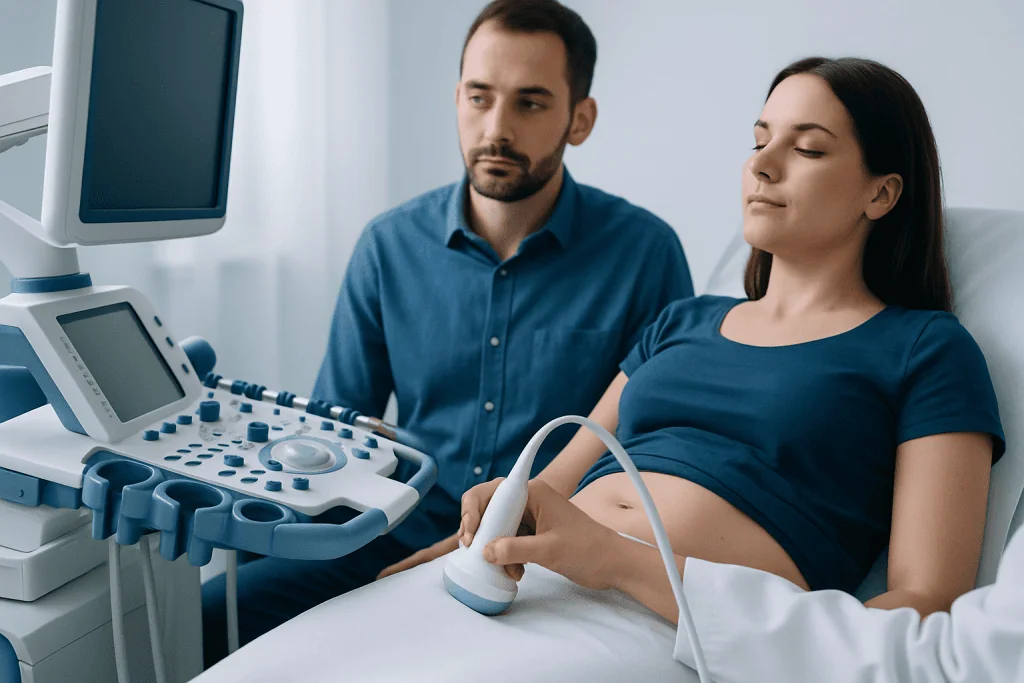
Sexual desire is shaped by the brain, hormones, blood flow, emotions, relationships, and overall health. There is no single switch that controls libido. Because sexual response depends on many body systems, changes in desire or performance can happen for many different reasons.
For men, erection depends on healthy blood vessels, nerves, hormone balance, and psychological well-being. For women, desire and arousal may be influenced by hormonal changes, vaginal comfort, stress levels, sleep quality, and relationship context. In both sexes, mood and life circumstances can strongly affect sexual interest.
That is why a product marketed as an aphrodisiac may seem to help one person and not another. If the main issue is stress, poor sleep, medication side effects, or an untreated health problem, a supplement alone is unlikely to be the best solution. Understanding the broader cause is often more useful than focusing only on desire itself.
Common types of aphrodisiacs and what the evidence shows

Products called aphrodisiacs usually fall into several groups: foods and spices, herbal supplements, prescription treatments, and illicit or unregulated sexual enhancement products. Foods such as chocolate, oysters, chili, and certain fruits are often discussed in popular culture. While they may be enjoyable or associated with romance, they are not proven to consistently raise libido in a medically meaningful way.
Herbal and supplement products may include ginseng, maca, saffron, fenugreek, yohimbe, and many proprietary blends. Some have limited early research suggesting possible effects on desire or sexual function, but study quality is often inconsistent. A “natural” label does not guarantee effectiveness or safety, especially in people with heart disease, high blood pressure, mood disorders, or those taking other medicines.
Prescription treatments are different because they are studied for defined medical problems. For example, some therapies are used for erectile dysfunction or selected forms of low sexual desire after medical evaluation. In patients with erection difficulties, doctors may assess for erectile dysfunction and consider evidence-based options such as treatment for erectile dysfunction when appropriate.
Unregulated sexual enhancement products deserve special caution. Some supplements sold online or in informal markets have been found to contain undeclared drug ingredients. These products can interact with nitrate medications, cause unsafe blood pressure changes, or mask an underlying condition that needs proper care.
Possible risks, side effects, and medication interactions
Many people assume that over-the-counter aphrodisiacs are harmless, but this is not always true. Depending on the ingredient, possible side effects may include headache, rapid heartbeat, anxiety, insomnia, stomach upset, blood pressure changes, dizziness, or allergic reactions. Some products may also affect the liver or interact with alcohol and other drugs.
Herbal supplements can interfere with prescription medications, including blood thinners, antidepressants, diabetes treatments, and blood pressure medicines. This is especially important for older adults and people with chronic medical conditions. A person may not realize that a supplement is causing symptoms or changing how another medication works.
There are also mental health considerations. Sexual performance anxiety, depression, trauma, or relationship stress cannot be safely or effectively managed by self-prescribing stimulants or unknown supplements. In some cases, a substance marketed as an aphrodisiac may worsen anxiety or lead to unrealistic expectations about sexual function.
If a person has chest pain during sex, fainting, severe palpitations, or significant shortness of breath, urgent medical assessment is important. These symptoms are not typical side effects to ignore, and they may point to a cardiovascular or other medical issue rather than a libido problem.
Why low libido or sexual difficulties happen
Low sexual desire or reduced sexual satisfaction often has an identifiable cause. Common medical contributors include hormone changes, menopause, pregnancy and postpartum changes, thyroid disorders, diabetes, chronic pain, cardiovascular disease, sleep disorders, and side effects from medications such as antidepressants or antihypertensives. Fatigue, alcohol use, and substance use can also play a role.
Psychological and social factors matter just as much. Stress, anxiety, depression, grief, body image concerns, relationship conflict, and a history of sexual trauma may all affect desire and arousal. Sometimes the issue is situational, and sometimes it is part of a broader health condition that benefits from structured treatment.
In men, low libido may occur alongside difficulty achieving or maintaining an erection. In women, there may be pain with intercourse, vaginal dryness, or difficulty becoming aroused. Evaluation may lead to care for conditions such as sexual dysfunction or treatment of contributing problems such as menopause.
Because sexual symptoms can be early clues to other health concerns, they should not be dismissed as simply a normal part of aging. A thoughtful consultation can help distinguish temporary changes from a condition that deserves attention.
Diagnosis and evidence-based treatment options
Doctors usually begin with a detailed history rather than jumping straight to an aphrodisiac product. They may ask about the pattern of symptoms, overall health, mood, sleep, medications, alcohol or substance use, relationship factors, and any pain or physical changes. A physical examination and selected blood tests may help identify hormonal, metabolic, or vascular causes.
Treatment depends on the cause. It may include adjusting medications, treating hormone or thyroid problems, improving sleep, addressing depression or anxiety, or managing a chronic disease that is affecting sexual function. Some patients benefit from counseling, pelvic floor care, or couples therapy in addition to medical treatment.
For specific conditions, targeted therapies may help. Men with erection problems may be evaluated for urology treatment or other appropriate options after cardiovascular risk and medication interactions are reviewed. Women with pain, dryness, or hormonal changes may benefit from gynecology treatment tailored to the underlying issue.
The best results often come from a combined approach rather than a single product. Near the end of this process, if a patient asks about supplements or traditional remedies, a doctor can help review what is reasonably safe, what lacks evidence, and what should be avoided.
Self-care and prevention: safer ways to support sexual health
There is no guaranteed food or herb that works as a universal aphrodisiac, but overall health habits can support sexual well-being. Regular exercise, balanced nutrition, good sleep, stress management, limiting alcohol, and not smoking all help circulation, hormone balance, and energy levels. These steps may improve sexual function more reliably than unverified supplements.
Open communication with a partner can also make a significant difference. Desire often changes over time, and a supportive conversation about expectations, timing, comfort, and emotional connection can reduce pressure. When needed, mental health support can help address performance anxiety, low mood, or relationship stress.
Before trying a supplement, it is wise to check the ingredient list carefully and discuss it with a pharmacist or doctor. People should be especially cautious if they are pregnant, breastfeeding, have heart disease, or take regular medications. Avoid products that promise instant sexual enhancement, use vague ingredient names, or are sold without reliable quality information.
For international patients seeking assessment, Acibadem International’s multidisciplinary specialists in JCI-accredited hospitals diagnose and treat sexual health concerns with attention to both physical and emotional factors.
When to seek medical care
Medical care is appropriate when sexual desire changes suddenly, causes distress, affects a relationship, or lasts for several weeks or longer. It is also important to seek evaluation if there is erectile difficulty, pain during sex, vaginal dryness, genital symptoms, reduced arousal, or inability to reach orgasm that is new or persistent. These symptoms are common and treatable, and discussing them with a doctor can be helpful.
A prompt appointment is especially important if sexual symptoms occur with fatigue, weight change, menstrual changes, hot flashes, depressed mood, or signs of chronic disease. In men, erection problems may sometimes be linked to vascular health. In women, pain or severe dryness can have hormonal, dermatologic, or gynecologic causes that should not be ignored.
Urgent medical care is needed for chest pain during sexual activity, fainting, severe shortness of breath, or an erection lasting too long. A person should also stop any supplement and seek care if they develop a rash, severe palpitations, confusion, or major blood pressure changes after taking a product sold as an aphrodisiac.
Frequently asked questions
What is an aphrodisiac?
An aphrodisiac is any substance believed to increase sexual desire, arousal, or performance. The term can include foods, herbs, supplements, medications, or other products, but not all have good scientific evidence.
Do aphrodisiacs really work?
Some treatments can help specific sexual health problems, but many products marketed as aphrodisiacs have limited or inconsistent evidence. What seems helpful may sometimes be due to expectation, mood, improved relaxation, or treatment of an underlying problem rather than a direct effect on libido.
Are natural aphrodisiacs safe?
Not always. Natural products can still cause side effects, raise blood pressure, affect sleep or mood, and interact with prescription medicines. Safety depends on the exact ingredient, the dose, product quality, and the person's medical history.
Can low libido be a sign of a health problem?
Yes. Low libido can be linked to stress, depression, hormonal changes, chronic illness, medication effects, poor sleep, or relationship issues. If it is persistent or distressing, a medical review can help identify treatable causes.
Should someone try an over-the-counter sexual enhancement product?
It is best to be cautious. Some products sold without prescription may contain undeclared drug ingredients or untested mixtures, which can be risky, especially for people with heart disease or those taking other medications. A doctor or pharmacist can help review safety.
When should a person talk to a doctor about sexual concerns?
A doctor should be consulted if sexual symptoms are new, persistent, distressing, or affecting quality of life or a relationship. Medical advice is also important when symptoms include pain, erectile dysfunction, severe dryness, fatigue, mood changes, or signs of another health condition.
References
- World Health Organization
- U.S. Food and Drug Administration
- National Institutes of Health
- American Urological Association
- American College of Obstetricians and Gynecologists
This article is for general information only and is not a substitute for professional medical advice. Please consult a qualified doctor about your individual situation.
Explore treatments in Turkey — costs, top hospitals & a free quote
JCI-accredited · board-certified surgeons · reply within 24h
Add us as a Preferred Source to see more of our trusted health content across Google Search, AI Overviews and Discover.
Check your numbers in seconds
BMI, calories, due date, blood pressure and 30+ more clinical calculators — free, instant, doctor-reviewed ranges.

More from the Health Library



Related Specialists

Dr. Mehmet Hacıhanefioğlu
Neurosurgery
Ody. Ece Ataç Geriş
Audiology
Fzt. Mehmet Sabah Ateş
Physical Medicine & Rehabilitation
Assoc. Prof. Dr. Cevat Rıfat Cündübey
Gynecology & Obstetrics