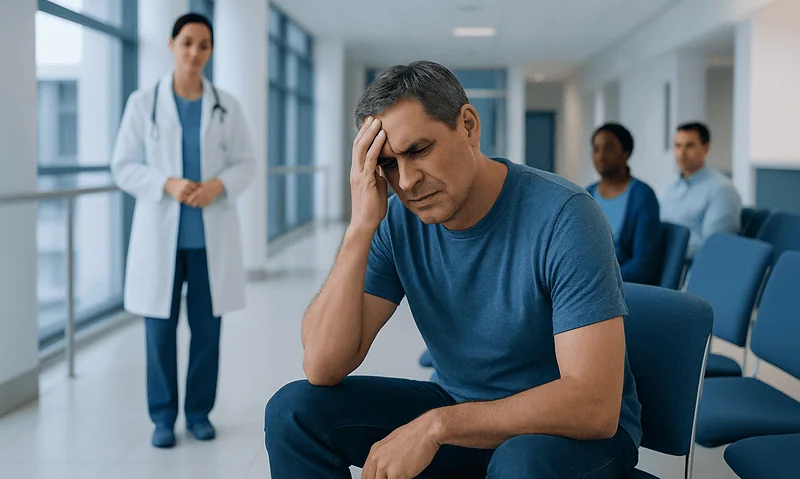
Heat Exhaustion Symptoms Explained: Common Triggers and Red Flags

Heat exhaustion symptoms often develop after time in hot weather or strenuous activity and commonly include sweating, fatigue, dizziness, nausea, and headache. Older adults, infants, outdoor workers, athletes, and people with chronic medical conditions are at higher risk of heat-related illness.
Key Takeaways
- Heat exhaustion symptoms often develop after time in hot weather or strenuous activity and commonly include sweating, fatigue, dizziness, nausea, and headache.
- Older adults, infants, outdoor workers, athletes, and people with chronic medical conditions are at higher risk of heat-related illness.
- Early action matters: moving to a cool place, loosening clothing, and drinking fluids can help prevent symptoms from worsening.
- Heat exhaustion is different from heat stroke, which is a medical emergency and may involve confusion, loss of consciousness, or a very high body temperature.
- Medical evaluation is important if symptoms are severe, last more than about an hour, or the person cannot keep fluids down.
Heat exhaustion symptoms usually include heavy sweating, weakness, dizziness, nausea, headache, muscle cramps, and feeling faint after exposure to heat or physical activity. These symptoms often improve with cooling, rest, and fluids, but confusion, collapse, or a very high body temperature can signal a more serious heat illness that needs urgent medical care.
Overview: What Heat Exhaustion Symptoms Usually Feel Like
Heat exhaustion symptoms are the body’s warning signs that it is struggling to cool itself. In many people, the first clues are heavy sweating, unusual tiredness, thirst, dizziness, headache, nausea, and muscle cramps. Skin may feel cool, pale, or clammy rather than hot and dry, and the person may feel weak or unsteady.
This condition often happens after spending time in hot, humid weather or after intense physical activity, especially when fluid and salt losses are not replaced. Heat exhaustion is part of a spectrum of heat-related illness. It is more serious than simple heat cramps but usually less severe than heat stroke, which is a medical emergency.
Many people recover well if they recognize symptoms early and cool down quickly. Still, heat exhaustion should not be ignored. Without prompt rest, cooling, and hydration, it can progress and become dangerous.
Common Signs and Symptoms to Watch For
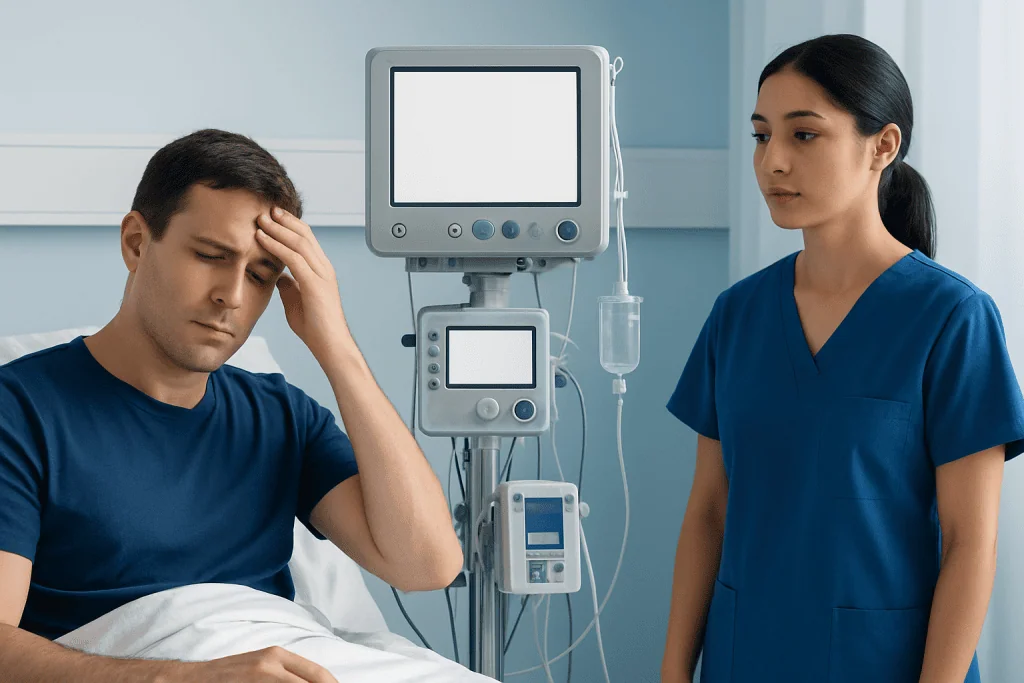
Heat exhaustion symptoms can come on gradually or appear within a short time, depending on the weather, activity level, hydration status, and a person’s overall health. Symptoms vary, but they usually reflect dehydration, overheating, and the body’s effort to regulate temperature.
Common symptoms include:
- Heavy sweating
- Weakness or unusual fatigue
- Dizziness or lightheadedness
- Headache
- Nausea or vomiting
- Muscle cramps
- Rapid pulse
- Cool, moist, or clammy skin
- Feeling faint or actually fainting
- Irritability or difficulty concentrating
Some people mainly notice exhaustion and dizziness, while others feel stomach upset, cramping, or a strong sense of being overheated. Symptoms can be more subtle in older adults, who may present with confusion, weakness, or reduced alertness even before obvious overheating is recognized.
Because symptoms can overlap with dehydration, low blood pressure, viral illness, and other conditions, it is important to consider the situation. If symptoms started during hot weather, after exercise, or in a poorly ventilated environment, heat exhaustion becomes more likely.
Why It Happens: Triggers and Risk Factors

Heat exhaustion develops when the body loses more fluid and salt than it can replace or when environmental heat overwhelms the body’s cooling system. Sweating normally helps lower body temperature, but this process becomes less effective in high humidity because sweat does not evaporate well. Prolonged sun exposure, hot indoor spaces, and strenuous exercise can all add to the burden.
Common triggers include working outdoors in summer, exercising intensely, wearing heavy or non-breathable clothing, poor fluid intake, drinking alcohol in hot weather, and remaining in enclosed hot areas such as parked vehicles or poorly cooled rooms. Travel to a hotter climate can also increase risk before the body has time to adapt.
Some groups are more vulnerable than others. Risk is higher in:
- Older adults
- Infants and young children
- Athletes and outdoor workers
- People with heart, kidney, or lung disease
- People with obesity
- People taking medicines that affect sweating, hydration, or blood pressure
- People who have had prior heat illness
Certain chronic illnesses may make it harder for the body to cope with heat. For example, people with dehydration or ongoing fluid loss from vomiting or diarrhea may become symptomatic more quickly. Medications such as diuretics, some antihistamines, stimulants, and some psychiatric medicines may also increase sensitivity to heat, so medication review with a clinician can be helpful.
Heat Exhaustion vs Heat Stroke: The Red Flags
A key question is whether symptoms still fit heat exhaustion or have moved into heat stroke. Heat exhaustion usually causes sweating, weakness, nausea, dizziness, and a fast pulse, but the person is often still alert enough to respond appropriately. Heat stroke, by contrast, affects the brain and can rapidly damage organs.
Red flags that suggest a medical emergency include confusion, unusual behavior, slurred speech, seizures, collapse, fainting that does not quickly improve, or loss of consciousness. A very high body temperature, hot skin, or symptoms that worsen despite cooling also raise serious concern. In some cases, the skin may be dry, but sweating can still be present, especially with exertional heat stroke.
If these warning signs appear, emergency care is needed right away. While waiting for help, move the person to a cooler place, loosen or remove excess clothing, and begin active cooling with cool water, wet cloths, or fans if available. This urgent distinction matters because heat stroke needs immediate hospital treatment.
What to Do Right Away
Early first aid for heat exhaustion focuses on cooling the body and replacing fluids. The person should stop activity, move to shade or an air-conditioned area, and lie down if feeling faint. Loosening tight or heavy clothing can help heat escape more easily.
If the person is awake, able to swallow, and not vomiting, cool water or an oral rehydration drink may help. Applying cool, wet cloths to the skin, taking a cool shower, or using fans can support cooling. Rest is important, even if symptoms begin to improve quickly.
It is usually best to avoid immediately returning to exercise or outdoor work the same day. If symptoms are significant or recovery is slow, medical evaluation may include checking hydration status, temperature, heart rate, and sometimes blood tests. In more pronounced cases, hospital-based IV therapy may be used when oral fluids are not enough or cannot be tolerated.
Diagnosis and Treatment Options
Diagnosis is based largely on symptoms, recent heat exposure, physical activity, and examination findings. A clinician will look for signs such as low blood pressure, fast pulse, dehydration, sweating, weakness, and elevated temperature. They will also consider other possible causes of dizziness, fainting, or nausea, including infection, heart rhythm problems, low blood sugar, and medication effects.
Tests are not always necessary, but they may be used when symptoms are severe, prolonged, or unclear. Blood and urine tests can help assess dehydration, salt balance, kidney function, and muscle injury. In some situations, especially if chest symptoms, severe weakness, or collapse are present, medical assessment and monitoring may be recommended to exclude more serious conditions.
Treatment depends on severity. Mild cases often improve with rest, a cool environment, fluids, and gradual recovery. More serious cases may need observation, electrolyte correction, and cooling measures in a healthcare setting. If clinicians suspect another cause or a complication of heat illness, they may arrange emergency evaluation for prompt care.
Near the end of the care pathway, follow-up advice usually includes guidance on when it is safe to return to work, sports, or travel in hot climates. Acibadem International’s multidisciplinary specialists and JCI-accredited hospitals diagnose and treat heat-related illness for international patients when assessment or hospital care is needed.
Prevention and Self-Care in Hot Weather
Prevention starts with respecting heat exposure, especially during hot and humid conditions. Drinking fluids regularly, taking breaks in cool places, and avoiding the hottest part of the day can lower risk. For outdoor work or exercise, gradual acclimatization is important because the body needs time to adapt to higher temperatures.
Practical steps include wearing light, loose-fitting clothing, using shade whenever possible, and planning strenuous activity for cooler morning or evening hours. People who sweat heavily may also need to replace electrolytes, particularly during long periods of physical exertion. Alcohol can worsen dehydration, so limiting it during hot weather is sensible.
Special care is needed for children, older adults, and anyone with chronic illness. These individuals may not notice thirst early or may be less able to cool themselves. Checking indoor temperatures, ensuring access to fans or air conditioning, and never leaving anyone in a parked car are important safety measures.
After an episode of heat exhaustion, it is wise to return to normal activity gradually. Recurrent symptoms may suggest incomplete recovery, dehydration, or another medical issue that deserves professional review.
When to Seek Medical Care
Medical care is appropriate if heat exhaustion symptoms are severe, if the person cannot keep fluids down, or if symptoms last more than about an hour despite rest and cooling. Repeated vomiting, worsening weakness, chest pain, shortness of breath, or fainting should also prompt urgent assessment.
Emergency help is needed immediately for confusion, seizures, collapse, loss of consciousness, or signs that suggest heat stroke rather than heat exhaustion. Any person with significant chronic heart, kidney, or neurological disease should have a lower threshold for evaluation, because heat stress can complicate existing conditions.
If there is uncertainty, it is safer to seek medical advice rather than waiting for symptoms to worsen. A qualified doctor can confirm the cause, guide safe recovery, and help reduce the chance of another heat-related episode.
Frequently asked questions
What are the first heat exhaustion symptoms most people notice?
Many people first notice heavy sweating, unusual tiredness, thirst, and dizziness. Headache, nausea, and muscle cramps are also common early signs, especially after time outdoors or strenuous activity.
How can someone tell the difference between heat exhaustion and heat stroke?
Heat exhaustion usually causes weakness, sweating, nausea, and feeling faint, but the person is often still responsive and aware. Heat stroke is more dangerous and may involve confusion, collapse, seizures, loss of consciousness, or a very high body temperature.
How long do heat exhaustion symptoms last?
Mild symptoms may improve within 30 to 60 minutes after cooling down, resting, and drinking fluids. If symptoms persist, worsen, or return quickly, medical evaluation is important.
Should a person drink water or sports drinks for heat exhaustion?
If the person is awake and not vomiting, water can help, and an oral rehydration or electrolyte drink may be useful after heavy sweating. The best choice depends on the situation, but fluids should be taken slowly and safely.
Who is most at risk for heat exhaustion?
Older adults, infants, athletes, outdoor workers, and people with chronic medical conditions are at higher risk. Risk also increases with dehydration, certain medications, obesity, and sudden exposure to very hot weather.
Can heat exhaustion happen indoors?
Yes. It can develop in hot indoor environments with poor ventilation or no air conditioning, especially during heat waves. This is particularly important for older adults and people who live alone.
This article is for general information only and is not a substitute for professional medical advice. Please consult a qualified doctor about your individual situation.
Persistent digestive symptoms? Get evaluated in Turkey
JCI-accredited · board-certified surgeons · reply within 24h
Add us as a Preferred Source to see more of our trusted health content across Google Search, AI Overviews and Discover.
Check your numbers in seconds
BMI, calories, due date, blood pressure and 30+ more clinical calculators — free, instant, doctor-reviewed ranges.

More from the Health Library

Do Centipedes Bite? Causes, Explanations, and Next Steps

Can You Get an STI Without Having Intercourse? Here Is What the Evidence Says

Heel Pain: Common Causes, Related Conditions, and When to See a Doctor

Does Apple Cider Vinegar Lower Blood Pressure? Here Is What the Evidence Says

Bullseye Rash: Possible Causes and When to Seek Care