Gallbladder Removal: An Evidence-Based Guide for Patients
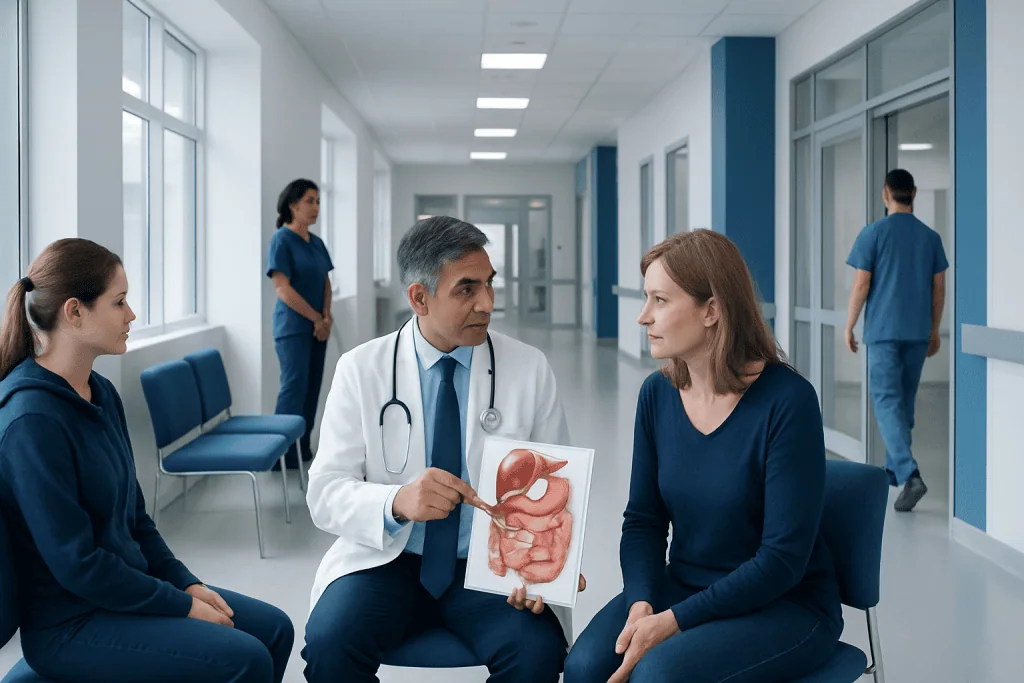
Gallbladder removal, also called cholecystectomy, is most often performed for painful gallstones or gallbladder inflammation. The procedure is commonly done laparoscopically through small incisions, which usually means less pain and faster recovery.
Key Takeaways
- Gallbladder removal, also called cholecystectomy, is most often performed for painful gallstones or gallbladder inflammation.
- The procedure is commonly done laparoscopically through small incisions, which usually means less pain and faster recovery.
- Many people digest food normally after surgery, though some notice temporary bloating, loose stools, or sensitivity to fatty meals.
- Urgent medical attention is important for severe abdominal pain, fever, jaundice, or vomiting, especially if symptoms are worsening.
- Treatment decisions depend on symptoms, imaging findings, overall health, and whether complications such as infection or bile duct blockage are present.
Gallbladder removal is a common operation, usually done to treat symptoms caused by gallstones or inflammation of the gallbladder. Most people recover well and can live normally without a gallbladder, although short-term dietary adjustments and follow-up may be needed.
Overview: what gallbladder removal means
Gallbladder removal is surgery to take out the gallbladder, a small organ under the liver that stores bile. The operation is called cholecystectomy. It is most often recommended when the gallbladder causes repeated pain, inflammation, or other complications, usually because of gallstones.
For many patients, the key question is whether life is normal after surgery. In most cases, the answer is yes. The liver still makes bile after the gallbladder is removed, and the body can usually adapt well. Some people notice temporary changes in digestion, but long-term serious dietary restrictions are uncommon.
Gallbladder removal is not done for every gallstone. Some people have gallstones found on a scan but no symptoms; these stones may not need treatment. Surgery is generally considered when symptoms are clear, recurrent, or linked to problems such as infection, blockage, or pancreatitis.
Why gallbladder removal may be needed
The most common reason for gallbladder removal is gallstones that cause biliary colic. This is a type of pain, often felt in the upper right or middle upper abdomen, that may come after meals and can radiate to the back or right shoulder. If attacks keep returning, surgery is often the most effective long-term treatment.
Gallbladder removal may also be advised when the gallbladder becomes inflamed or infected, a condition called gallbladder inflammation. In some patients, stones move and block the bile ducts, leading to jaundice, infection, or inflammation of the pancreas. In these situations, treatment may involve imaging, endoscopic procedures, and surgery depending on the exact problem.
Other reasons for surgery can include gallbladder polyps of concern, gallbladder dysfunction, or complications seen on imaging. The decision is based on symptoms, physical examination, blood tests, and scan findings rather than on one test alone.
Symptoms and warning signs

Symptoms that lead to evaluation for gallbladder removal often include episodes of abdominal pain, especially in the upper right side. The pain may start suddenly, become intense, and last from minutes to hours. Nausea, vomiting, bloating, and discomfort after fatty meals can occur as well.
Not all digestive symptoms are caused by the gallbladder. Indigestion, reflux, irritable bowel syndrome, stomach ulcers, and liver or pancreatic conditions can sometimes feel similar. This is why careful diagnosis matters before surgery is planned.
Warning signs suggestive of a more urgent problem include:
- Severe or persistent abdominal pain
- Fever or chills
- Yellowing of the eyes or skin
- Dark urine or pale stools
- Repeated vomiting or inability to keep fluids down
- Confusion, weakness, or signs of dehydration
These symptoms can point to complications such as infection, bile duct obstruction, or pancreatitis and should not be ignored.
How doctors diagnose the cause
Evaluation usually begins with a medical history and physical examination. Doctors ask about the pattern of pain, meals that trigger symptoms, fever, past attacks, medications, and other digestive conditions. Blood tests may check for signs of infection, liver irritation, bile duct blockage, or pancreatic inflammation.
Ultrasound is the most common first imaging test for suspected gallbladder disease. It can often show gallstones, gallbladder wall thickening, and signs of inflammation. In selected cases, additional tests such as MRI-based bile duct imaging, CT scanning, or a nuclear medicine scan may be used if the diagnosis is uncertain or if a blocked bile duct is suspected.
If stones may be lodged in the bile duct, doctors may recommend more specialized procedures. Some patients need ERCP to diagnose and treat bile duct stones before or around the time of surgery. The goal is to confirm that the symptoms truly match the gallbladder problem and to identify any complication that changes the treatment plan.
How the surgery is performed
Gallbladder removal is most commonly done as laparoscopic gallbladder surgery. In this approach, the surgeon uses a camera and instruments inserted through several small incisions. Compared with open surgery, laparoscopic surgery usually leads to less postoperative pain, a shorter hospital stay, and a quicker return to daily activities.
Open surgery may still be needed in some situations, such as severe inflammation, extensive scar tissue from prior operations, unusual anatomy, or complications discovered during the procedure. Sometimes a surgery that begins laparoscopically needs to be converted to an open operation for safety. This is a surgical judgment made to reduce risk, not a failure of treatment.
During the operation, the surgeon removes the gallbladder and checks the surrounding structures. In selected cases, imaging of the bile ducts may be performed during surgery to look for stones or anatomical variation. If there are related concerns about the bile ducts or liver, a broader digestive evaluation by gastroenterology specialists may be part of the care plan.
Recovery, digestion, and life after surgery
Recovery after gallbladder removal depends on the type of surgery, the patient’s overall health, and whether complications were present before the operation. After laparoscopic surgery, many people return home the same day or after a short hospital stay. Mild soreness, tiredness, and temporary changes in bowel habits are common during early recovery.
Most patients can gradually resume walking, light activity, and a normal routine as advised by their surgical team. Heavy lifting and strenuous exercise may need to wait for a period recommended by the surgeon. Wound care instructions, pain control, and follow-up appointments are important for safe healing.
Some people notice loose stools, urgency, gas, or discomfort after very fatty meals in the weeks after surgery. These symptoms often improve as the digestive system adapts. Eating smaller meals, limiting very greasy foods at first, drinking enough fluids, and reintroducing fiber gradually can help. If diarrhea, weight loss, or persistent pain continues, medical review is appropriate because another digestive issue may be contributing.
Risks, benefits, and treatment alternatives
The main benefit of gallbladder removal is relief from symptoms caused by gallstones or diseased gallbladder function, along with prevention of future attacks and certain complications. For patients with repeated biliary pain or confirmed inflammation, surgery is often the most definitive treatment. In urgent cases, it can also prevent more serious illness.
As with any operation, there are risks. These can include bleeding, infection, reactions to anesthesia, injury to nearby structures such as the bile duct or bowel, bile leakage, blood clots, or ongoing symptoms after surgery. Serious complications are not common, but they are part of informed decision-making and should be discussed clearly with the surgeon.
Alternatives depend on the reason for treatment. If gallstones are present but do not cause symptoms, observation may be appropriate. If symptoms are not clearly due to the gallbladder, further evaluation may be better than immediate surgery. In some bile duct problems, procedures such as ERCP are used alongside or before surgery rather than replacing it. Doctors weigh symptom severity, scan results, age, pregnancy status, and other health conditions when advising next steps.
When to seek medical care
Medical advice should be sought if upper abdominal pain keeps returning, especially if it occurs after meals or wakes the person at night. A planned evaluation is also sensible if nausea, bloating, or food-related discomfort is affecting daily life or if imaging has already shown gallstones and symptoms are present.
Urgent care is important when pain is severe, lasts several hours, or is associated with fever, jaundice, chest discomfort, faintness, or persistent vomiting. These symptoms can signal infection, obstruction, or another problem that needs prompt assessment. After surgery, increasing redness around the wound, fever, worsening abdominal pain, yellowing of the skin, or inability to eat and drink should also be reviewed quickly.
For international patients who need assessment or treatment, Acibadem International’s multidisciplinary specialists and JCI-accredited hospitals diagnose and treat gallbladder conditions using evidence-based surgical and digestive care pathways.
Frequently asked questions
Can a person live normally without a gallbladder?
Yes. The liver continues to make bile, and most people return to normal daily life after recovery. Some may notice temporary digestive changes, especially after fatty meals, but these often improve over time.
Is gallbladder removal always necessary for gallstones?
No. Gallstones that do not cause symptoms often do not need treatment. Surgery is usually considered when gallstones are causing pain, inflammation, blockage, or other complications.
How long does recovery take after gallbladder removal?
Recovery varies by person and by surgical approach. After laparoscopic surgery, many people resume light activity within days and return to more normal routines within a short period, while open surgery usually requires a longer recovery.
What foods should be avoided after gallbladder removal?
There is no single permanent diet for everyone, but very greasy or high-fat meals may be harder to tolerate at first. Many patients do well by eating smaller meals, choosing lower-fat foods early in recovery, and gradually broadening the diet.
Can gallbladder symptoms come back after surgery?
The gallbladder itself cannot cause symptoms once it is removed, but some people may still have digestive symptoms afterward. This can happen because of bile duct stones, functional digestive disorders, acid reflux, or other gastrointestinal conditions that were present or developed separately.
Is laparoscopic gallbladder removal safe?
It is a widely used and generally safe procedure when performed by qualified surgical teams. However, like all operations, it has risks, so the benefits and possible complications should be discussed with the treating doctor.
References
- National Institute of Diabetes and Digestive and Kidney Diseases
- American College of Gastroenterology
- Society of American Gastrointestinal and Endoscopic Surgeons
- National Health Service
- Mayo Clinic
This article is for general information only and is not a substitute for professional medical advice. Please consult a qualified doctor about your individual situation.
Explore treatments in Turkey — costs, top hospitals & a free quote
JCI-accredited · board-certified surgeons · reply within 24h
Add us as a Preferred Source to see more of our trusted health content across Google Search, AI Overviews and Discover.