How to Clean a Loofah? A Doctor-Reviewed Answer

A loofah should be rinsed after every use and dried in a well-ventilated area. Weekly disinfection helps reduce bacteria, fungi, and trapped skin debris.
Key Takeaways
- A loofah should be rinsed after every use and dried in a well-ventilated area.
- Weekly disinfection helps reduce bacteria, fungi, and trapped skin debris.
- Natural loofahs and synthetic mesh puffs both wear out and should be replaced regularly.
- Loofahs should not be shared, especially if someone has a rash, wound, or recent skin infection.
- Medical care is advisable if skin redness, pain, swelling, or pus develops after using a loofah.
How to clean a loofah usually has a simple answer: rinse it well after each use, disinfect it regularly, and let it dry completely between showers. This is often enough for healthy skin, but a loofah should be replaced promptly if it smells musty, stays damp, or is used on irritated or broken skin.
Overview: the safest way to clean a loofah
For most people, the safest way to clean a loofah is straightforward: rinse it thoroughly after each use, squeeze out excess water, and hang it where it can dry fully. Once a week, it should be disinfected according to its material, because warm, damp bathrooms allow bacteria and fungi to grow inside the fibers.
This is often a harmless hygiene issue rather than a medical problem. However, if a loofah has a sour or musty odor, visible discoloration, trapped residue, or remains damp for long periods, it can irritate the skin or contribute to infection, especially if used over cuts, shaving nicks, acne, eczema, or recently treated skin.
If concerning skin changes develop after use, such as increasing redness, tenderness, swelling, or drainage, medical review is sensible. A doctor would usually ask about symptoms, examine the affected skin, and, if needed, consider whether there is irritation, folliculitis, a fungal rash, or a bacterial skin infection such as cellulitis.
Why loofahs can collect germs

Loofahs are designed to trap water and help lift dead skin cells from the body. That same texture also traps soap residue, body oils, skin flakes, and moisture. In a humid shower environment, those materials create conditions where microorganisms can multiply.
Natural loofahs, which come from the fibrous interior of a plant, tend to have larger pores and may be harder to sanitize thoroughly once worn. Synthetic mesh puffs can also hold moisture between layers. Neither type is automatically unsafe, but both require regular cleaning and replacement.
Using a loofah too aggressively can also damage the skin barrier. Tiny breaks in the skin may allow germs to enter more easily, particularly after shaving or if a person already has conditions such as eczema, inflamed hair follicles, or a rash. In these situations, gentler washing with the hands or a clean soft cloth is often preferable.
How to clean a loofah step by step
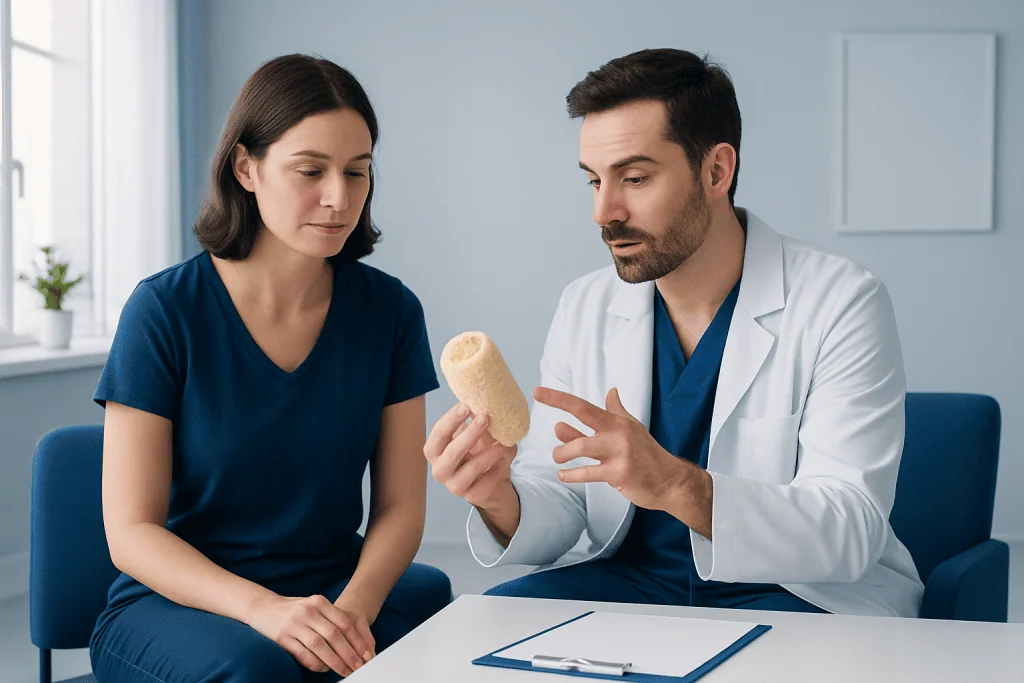
Daily care matters most. After every shower, the loofah should be rinsed under clean running water until no visible soap or debris remains. It should then be shaken or squeezed gently to remove excess moisture and hung in an open, dry area rather than left on the shower floor or bunched in a corner.
Once a week, the loofah should be disinfected using a method appropriate for its material and any instructions from the manufacturer. In general, this means soaking it in a disinfecting solution suitable for bath accessories, then rinsing it thoroughly and letting it dry completely. Some synthetic items may also be machine washable if the care label allows it. Harsh cleaning methods that damage the material should be avoided, because cracks and fraying can make it harder to keep clean.
A clean loofah should dry fully between uses. If it stays damp for many hours, it may be better to switch to a smaller wash item, improve bathroom ventilation, or keep the loofah outside the shower area after use. Drying is not a minor step; it is one of the main ways to limit microbial growth.
- Rinse thoroughly after each use.
- Remove as much water as possible.
- Hang in a well-ventilated place to dry completely.
- Disinfect about once a week.
- Replace it if it smells, sheds, stains, or stays damp.
How often to replace a loofah
Even with good cleaning, a loofah does not last indefinitely. Over time, fibers break down, odors develop, and trapped residue becomes more difficult to remove. Replacement intervals vary by type and frequency of use, but the safest approach is to replace any loofah as soon as it looks worn, smells unpleasant, or no longer dries properly.
People with sensitive skin, eczema, frequent body acne, or a history of skin infections may benefit from replacing bath tools more often or avoiding loofahs altogether. A fresh washcloth that can be laundered after each use is often easier to keep hygienic.
Loofahs should never be shared between household members. Sharing can transfer bacteria, fungi, or viruses from one person’s skin to another, particularly if one person has athlete’s foot, a boil, a cold sore, a fungal rash, or an open cut.
Who should be extra careful with loofahs
Some people are more likely to develop irritation or infection from abrasive bath tools. This includes those with eczema, psoriasis, diabetes, reduced immunity, recent surgery, chronic wounds, or skin that is healing after cosmetic or dermatologic procedures. In these situations, minimizing friction and keeping the skin barrier intact are especially important.
Loofahs should not be used over active rashes, broken skin, inflamed acne, fresh shaving cuts, or areas that are tender or peeling. Continued scrubbing can worsen inflammation and may spread germs across nearby skin. If there is a concern about an unexplained rash, a dermatologist or primary care doctor can advise whether exfoliation should be paused.
When recurrent rashes or skin irritation are difficult to distinguish, assessment may help identify whether the problem is eczema, fungal infection, contact dermatitis, or bacterial inflammation. Depending on the symptoms, a clinician may suggest general skin care measures or specialized evaluation in dermatology care.
Signs a loofah may be causing skin problems
Mild dryness or temporary redness can happen if a loofah is used too firmly, especially on sensitive skin. More concerning signs include persistent itching, increasing redness, tenderness, swollen bumps around hair follicles, warmth, pus, or a rash that spreads after bathing. These changes may reflect irritation, folliculitis, fungal overgrowth, or infection.
Folliculitis often appears as small red or pus-filled bumps around hair follicles and can be triggered by friction, shaving, or contaminated bath items. A broader area of painful redness, swelling, and warmth can suggest a deeper skin infection that needs medical evaluation. Some fungal rashes may also become worse when moisture remains trapped against the skin.
If a doctor suspects a skin infection, the diagnosis is usually made by examining the area and reviewing recent skin care habits, shaving, gym use, and bath tool hygiene. In selected cases, a swab, scraping, or culture may help guide treatment. If symptoms are recurring or severe, further care may involve infectious diseases evaluation or targeted skin assessment.
Prevention and safer self-care habits
A loofah is optional rather than essential. Many people can cleanse the skin well with their hands and a mild cleanser. For those who prefer exfoliation, gentleness matters more than scrubbing strength. Over-exfoliation can weaken the skin barrier, increase dryness, and make irritation more likely.
Safer habits include choosing a mild body cleanser, using light pressure, and limiting exfoliation on sensitive areas. It also helps to keep the bathroom ventilated, wash towels regularly, and avoid using a loofah immediately after shaving or on areas with eczema flares. Anyone with a chronic skin condition may benefit from a personalized plan through a dermatology check-up.
Near the end of the care pathway, some people may want specialist guidance if irritation keeps recurring or if they are unsure whether a rash is infectious. Acibadem International’s multidisciplinary specialists at JCI-accredited hospitals diagnose and treat skin conditions for international patients, with care tailored to the person’s symptoms and medical history.
When to seek medical care
Medical care is advisable if skin symptoms after using a loofah do not improve quickly with stopping use and gentle cleansing. Important warning signs include increasing pain, expanding redness, warmth, swelling, pus, fever, or red streaking from the area. These can suggest an infection rather than simple irritation.
Prompt review is also sensible for people with diabetes, weakened immunity, poor circulation, or chronic skin disease, because minor skin injuries may become more complicated. A doctor will usually examine the skin, ask about recent products and grooming habits, and decide whether treatment is needed for irritation, fungal infection, folliculitis, or a deeper skin infection.
Self-treatment should be cautious when the diagnosis is unclear. Scrubbing the area again, applying multiple new products, or delaying care if symptoms are worsening can aggravate the problem. When in doubt, a qualified clinician can help confirm the cause and recommend the safest next step.
Frequently asked questions
How do you clean a loofah after each use?
A loofah should be rinsed thoroughly under running water until soap and visible debris are removed. It should then be squeezed out gently and hung where it can dry completely between showers.
How often should a loofah be disinfected?
Regular weekly disinfection is a practical routine for most people, though exact care depends on the material and manufacturer instructions. If the loofah is used frequently or dries slowly, it may need even closer attention or earlier replacement.
When should a loofah be thrown away?
A loofah should be replaced if it smells musty, looks discolored, feels slimy, sheds fibers, or stays damp for a long time. It should also be discarded sooner if it has been used on infected or broken skin.
Can a dirty loofah cause a skin infection?
It can contribute to irritation or infection if germs build up and the loofah is used on damaged or sensitive skin. The risk is higher when the loofah is old, shared, or kept wet in a poorly ventilated space.
Is a natural loofah safer than a synthetic bath puff?
Neither type is automatically safer in every situation. Both can trap moisture and skin debris, so cleaning, drying, and replacing them regularly is more important than the material alone.
Should people with eczema or acne use loofahs?
Many people with eczema, inflamed acne, or very sensitive skin do better with gentler cleansing methods. A soft clean cloth or the hands may reduce friction and help protect the skin barrier.
References
- American Academy of Dermatology
- Centers for Disease Control and Prevention
- Mayo Clinic
- National Eczema Association
This article is for general information only and is not a substitute for professional medical advice. Please consult a qualified doctor about your individual situation.
Explore treatments in Turkey — costs, top hospitals & a free quote
JCI-accredited · board-certified surgeons · reply within 24h
Add us as a Preferred Source to see more of our trusted health content across Google Search, AI Overviews and Discover.