Bv Treatment: Early Signs, Risk Factors, and How It Is Treated

BV is a common vaginal condition caused by an imbalance of normal vaginal bacteria, not by poor hygiene. BV treatment typically uses prescription antibiotics, and symptoms often improve within days when treatment is taken as directed.
Key Takeaways
- BV is a common vaginal condition caused by an imbalance of normal vaginal bacteria, not by poor hygiene.
- BV treatment typically uses prescription antibiotics, and symptoms often improve within days when treatment is taken as directed.
- A fishy odor, thin gray or white discharge, and vaginal discomfort are common signs, but some people have no symptoms.
- BV can return after treatment, so follow-up advice, safer sex practices, and avoiding douching are important.
- Pregnant people and those with recurring symptoms should seek medical guidance rather than self-treating.
BV treatment usually involves prescription antibiotics, most often taken by mouth or used inside the vagina, to reduce an overgrowth of certain bacteria and restore balance. Early signs can include thin discharge, a fishy odor, and irritation, but some people have no symptoms and still benefit from medical evaluation.
Overview: what BV treatment usually involves
BV treatment is used for bacterial vaginosis, a common condition in which the normal balance of bacteria in the vagina changes. The main treatment is prescription antibiotics, either as tablets taken by mouth or medication applied inside the vagina as a gel or cream. The goal is to reduce the overgrowth of certain bacteria and allow the vaginal environment to return to a healthier balance.
Bacterial vaginosis is not the same as a yeast infection, and it is not classified as a traditional sexually transmitted infection. Even so, sexual activity can influence the vaginal environment and may increase the chance of developing BV. Because the symptoms of BV can overlap with yeast infections, vaginitis, and some sexually transmitted infections, an accurate diagnosis matters before treatment begins.
Many people seek care because of a noticeable odor or discharge, while others learn they have BV during a routine exam. Treatment can help relieve symptoms, lower the risk of recurrence-related complications, and reduce the chance that another condition is being missed. A clinician may also advise testing if symptoms are persistent, recurrent, or occur during pregnancy.
Early signs and symptoms of bacterial vaginosis
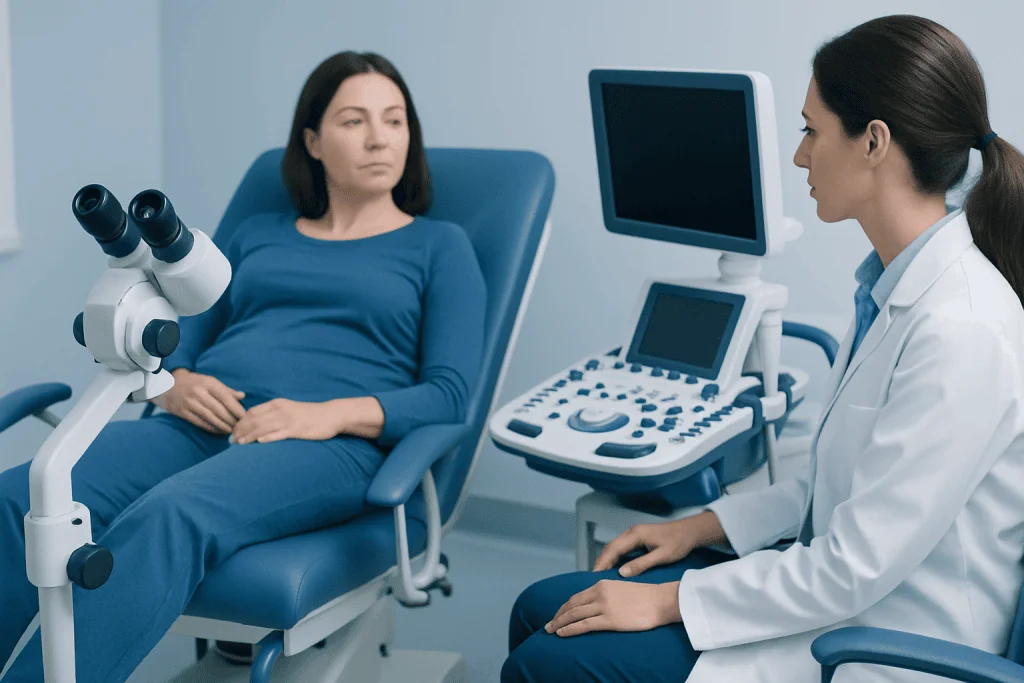
The most commonly reported signs of BV are a thin vaginal discharge and a strong or fishy odor, which may be more noticeable after sex. The discharge is often gray, off-white, or milky rather than thick and clumpy. Some people also notice mild burning when urinating or a feeling of irritation around the vaginal opening.
Not everyone with BV has symptoms. In some cases, the bacterial imbalance is present without obvious discharge, odor, or discomfort. That is one reason why self-diagnosis can be unreliable, especially when symptoms are subtle or come and go.
Symptoms that suggest another cause may include thick cottage cheese-like discharge, significant itching, sores, pelvic pain, fever, or bleeding unrelated to menstruation. These features are less typical of BV and should prompt medical evaluation. A healthcare professional may also consider conditions such as urinary tract infection if burning or urinary symptoms are present.
- Thin gray, white, or milky discharge
- Fishy vaginal odor
- Mild burning with urination
- Vaginal irritation or discomfort
- No symptoms at all in some cases
Why BV happens: causes and risk factors

BV develops when the usual balance of vaginal bacteria shifts. A healthy vagina normally contains a range of microorganisms, including bacteria that help maintain an acidic environment. When these protective bacteria decrease and other bacteria increase, symptoms of BV can appear.
The exact trigger is not always clear, and BV can occur in people who are not sexually active. Still, certain factors are linked to a higher chance of developing it. These include having a new sexual partner, having multiple sexual partners, douching, and using products that may irritate the vaginal environment. Smoking has also been associated with increased risk in some studies.
BV is not caused by being unclean, and frequent washing does not prevent it. In fact, douching and perfumed vaginal products can disrupt the natural balance further. Recurrence is also common, so a person who has had BV before may experience it again even after successful treatment.
- Douching or using scented vaginal products
- New or multiple sexual partners
- Previous history of BV
- Changes in the vaginal microbiome
- Smoking and other lifestyle factors that may affect vaginal health
How doctors diagnose BV
Diagnosis usually begins with a discussion of symptoms, medical history, and any recent changes in sexual activity, hygiene products, or medications. A clinician may perform a pelvic exam to look at the discharge and assess for signs of irritation or other conditions. This helps narrow down whether BV, a yeast infection, or another cause is more likely.
Testing may include checking the vaginal pH, examining a sample of discharge under a microscope, or using lab-based methods to identify bacteria linked to BV. In some settings, the diagnosis is made using clinical criteria based on odor, discharge, pH, and microscopy findings. These methods help distinguish BV from infections that require different treatment.
Because symptoms can overlap, testing for sexually transmitted infections may be recommended in some cases, particularly if there is pelvic pain, cervical inflammation, new sexual exposure, or recurrent symptoms. In people with repeated infections, a gynecology evaluation can help identify contributing factors and guide longer-term management. When needed, assessment may be part of broader gynecology care.
BV treatment options and what to expect
The standard BV treatment is antibiotics prescribed by a healthcare professional. These may be taken by mouth or used inside the vagina, depending on symptoms, medical history, pregnancy status, and personal preference. It is important to complete the full course exactly as directed, even if symptoms improve before the medication is finished.
Many people start to feel better within a few days, but odor or discharge can take a little longer to fully settle. During treatment, a clinician may advise avoiding sexual activity or using condoms until the course is completed, depending on the medicine used and the person’s symptoms. Alcohol precautions may apply with some medications, so patients should follow the instructions provided with their prescription.
Partner treatment is not routinely recommended for most male partners because it has not consistently been shown to prevent recurrence. However, if symptoms return often, a doctor may discuss longer treatment strategies or evaluate for other causes. For some people, especially when episodes recur, care may involve obstetrics and gynecology specialists to plan treatment and follow-up.
Some patients ask about probiotics or over-the-counter products. Research on probiotics is ongoing, but these should not replace proven antibiotic treatment when BV is diagnosed. If symptoms do not improve, worsen, or quickly return, reassessment is important because another infection or condition may be present.
Prevention and self-care after treatment
While BV cannot always be prevented, a few habits may help lower the chance of recurrence. Avoiding douching is one of the most important steps because it disrupts the natural bacterial balance. It is also helpful to avoid scented sprays, perfumed washes, and harsh soaps in the genital area.
Gentle external cleansing with water or a mild unscented cleanser is usually enough. Wearing breathable underwear and changing out of wet clothing promptly may improve comfort, although these steps do not directly treat BV. If sexual activity seems linked to symptoms, using condoms and discussing patterns with a clinician may be useful.
Self-treatment based only on odor or discharge can be misleading because yeast infections, irritation, and sexually transmitted infections can feel similar. If symptoms keep coming back, a doctor may review triggers, confirm the diagnosis, and discuss a longer prevention plan. In complex or recurrent cases, coordinated assessment may involve women’s reproductive care when symptoms affect fertility planning or pregnancy-related concerns.
When to seek medical care
Medical care is recommended for anyone with a new vaginal odor, unusual discharge, burning, or irritation, especially if they have never had these symptoms before. It is also important to seek care if symptoms continue after treatment, return soon afterward, or keep happening over time. These situations may mean the diagnosis needs to be confirmed or another condition needs treatment.
Pregnant people should contact a qualified clinician if they think they may have BV, because treatment decisions should be individualized. Prompt evaluation is also sensible for people with pelvic pain, fever, sores, bleeding unrelated to menstruation, or pain during sex, since these are not typical BV features and may point to another problem.
Anyone with a new sexual exposure or concern about a sexually transmitted infection should be tested rather than relying on symptoms alone. Near the end of the care journey, some patients prefer multidisciplinary support; Acibadem International’s specialists in JCI-accredited hospitals diagnose and treat gynecologic conditions for international patients when further evaluation is needed.
Frequently asked questions
What is the best BV treatment?
The usual first-line BV treatment is a prescription antibiotic recommended by a healthcare professional. The best option depends on the person’s symptoms, health history, and whether they are pregnant. A doctor can decide whether an oral medicine or a vaginal gel or cream is more appropriate.
Can BV go away without treatment?
Sometimes symptoms may lessen on their own, but BV often persists or returns without proper treatment. Because BV can resemble other vaginal conditions, it is safer to get an accurate diagnosis rather than wait and see. Treatment is especially important if symptoms are bothersome, recurrent, or occur during pregnancy.
How quickly does BV treatment work?
Many people notice improvement within a few days after starting antibiotics. Even if symptoms improve early, the full course should be completed to give treatment the best chance of working well. If symptoms do not improve, a follow-up visit is important.
Can BV come back after treatment?
Yes, BV can recur after successful treatment, and recurrence is common. This does not necessarily mean the treatment failed; the vaginal bacterial balance can shift again over time. A clinician may recommend reassessment or a longer management plan if episodes happen repeatedly.
Is BV a sexually transmitted infection?
BV is not generally classified as a sexually transmitted infection. However, sexual activity can affect the vaginal environment and may increase the chance of BV in some people. Because symptoms can overlap with sexually transmitted infections, testing may still be recommended.
Should a partner be treated too?
Routine treatment of male partners is not usually recommended for BV because it has not consistently reduced recurrence. In some situations, a clinician may discuss partner-related factors as part of a broader care plan. Patients should follow individualized advice from their own healthcare professional.
References
- Centers for Disease Control and Prevention
- American College of Obstetricians and Gynecologists
- Office on Women's Health
- Mayo Clinic
- National Health Service
This article is for general information only and is not a substitute for professional medical advice. Please consult a qualified doctor about your individual situation.
Explore treatments in Turkey — costs, top hospitals & a free quote
JCI-accredited · board-certified surgeons · reply within 24h
Add us as a Preferred Source to see more of our trusted health content across Google Search, AI Overviews and Discover.