Puff Up Under Eyes: An Evidence-Based Guide for Patients

Puff up under eyes is often caused by fluid retention, aging changes, allergies, or tiredness. Mild under-eye puffiness is common and usually not dangerous, especially when it varies from day to day.
Key Takeaways
- Puff up under eyes is often caused by fluid retention, aging changes, allergies, or tiredness.
- Mild under-eye puffiness is common and usually not dangerous, especially when it varies from day to day.
- Home measures such as cool compresses, sleep support, and salt reduction may help some people.
- Persistent, painful, red, sudden, or one-sided swelling should be checked by a doctor.
- Treatment depends on the cause and may include allergy care, skin treatments, or selected procedures.
Puff up under eyes usually refers to mild swelling or fullness below the lower eyelids. In many people it is linked to fluid retention, normal aging, allergies, sleep disruption, or lifestyle factors, though persistent or one-sided swelling may need medical assessment.
What puff up under eyes usually means
Puff up under eyes usually means visible swelling, fullness, or “bags” beneath the lower eyelids. In most cases, this happens because fluid collects in the delicate tissues around the eyes, or because the skin and support structures naturally change with age. Many people notice it more in the morning, after poor sleep, during allergy season, or after eating salty foods.
For many patients, under-eye puffiness is mainly a cosmetic concern rather than a sign of serious disease. The skin around the eyes is very thin, so even small changes in fluid balance, blood flow, or tissue tone can become noticeable. Puffiness may come and go, or it may gradually become more constant over time.
It can help to think of under-eye puffiness as a symptom rather than a single diagnosis. The most useful question is not only “how do I reduce it?” but also “what is driving it?” Identifying the likely cause helps guide the safest and most effective next steps.
Common signs and patterns to notice
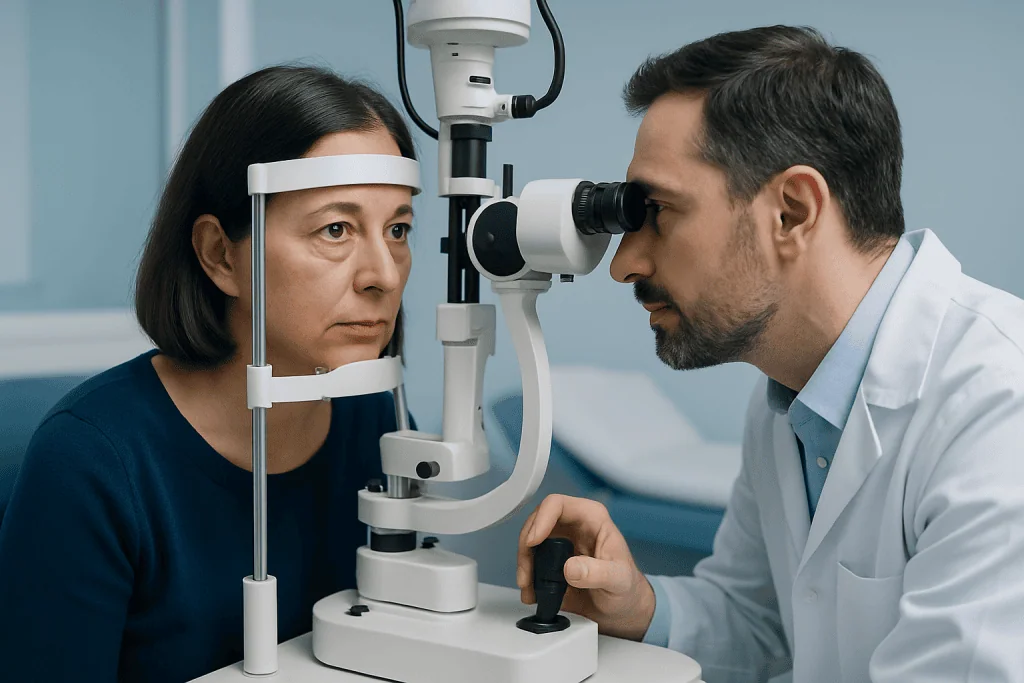
Under-eye puffiness can look different from person to person. Some people have soft swelling that is worse on waking and improves during the day. Others notice a more constant fullness or bags under the eyes that become more visible with age. It may affect both eyes equally, or be more obvious on one side.
Helpful details include when the puffiness started, whether it is new or longstanding, and whether it comes with itching, redness, watering, pain, changes in vision, headache, or nasal symptoms. Puffiness without discomfort is often related to fluid retention, fatigue, or age-related tissue changes. Puffiness with itching and tearing may point more toward allergies.
Patients may also confuse true swelling with dark circles or hollowing under the eyes. Sometimes these features occur together. If the main concern is shape, fullness, or prominent eye bags, a doctor may consider age-related lower eyelid changes rather than inflammation or infection.
- More likely benign: mild swelling in both eyes, worse in the morning, no pain or vision changes
- May suggest allergy: itching, watery eyes, sneezing, nasal congestion
- Needs prompt review: redness, warmth, pain, fever, sudden swelling, or one-sided symptoms
Why under-eye puffiness happens

One of the most common reasons for puff up under eyes is temporary fluid retention. The tissues around the eyes can hold extra fluid after a salty meal, alcohol intake, crying, poor sleep, hormonal shifts, or sleeping flat. Because the eyelid area is so delicate, even mild water retention can be easy to see.
Aging is another major factor. Over time, the skin loses elasticity and the muscles and connective tissues around the eyes weaken. Fat that normally supports the eye can move forward, creating a fuller or baggy appearance. This type of puffiness tends to be more persistent and may not improve much with short-term home remedies.
Allergies can also play an important role. Allergic reactions can cause itching, rubbing, watering, and inflammation, which may make the under-eye area swell. Chronic sinus congestion may contribute as well. Patients with recurring sneezing, nasal blockage, or itchy eyes may benefit from evaluation for allergies or related ENT problems.
Less commonly, under-eye swelling can be linked to skin irritation, infections, thyroid-related eye changes, kidney problems, or other medical conditions that affect fluid balance. This is one reason persistent or unusual swelling should not be self-diagnosed. In some cases, evaluation may also overlap with broader eye conditions or general medical issues.
Risk factors and daily triggers
Several everyday factors can make under-eye puffiness more noticeable. Poor sleep quality, sleep deprivation, dehydration, alcohol use, smoking, and a high-sodium diet are common triggers. Some people are genetically more prone to under-eye bags, especially if close family members have the same facial pattern.
Frequent eye rubbing is another important trigger, especially in people with allergies or sensitive skin. Rubbing can irritate the eyelids and surrounding tissues, leading to swelling and darkening over time. Heavy makeup use, harsh skin products, or contact dermatitis can also inflame the delicate skin around the eyes.
Environmental factors matter too. Seasonal pollen, dust, pet dander, dry air, and long screen time may worsen eye irritation and contribute to puffiness. Stress can indirectly contribute through sleep disruption and changes in lifestyle habits. Recognizing these triggers often helps patients reduce flare-ups without complex treatment.
How doctors evaluate puffiness under the eyes
A medical evaluation usually begins with a careful history and physical examination. A doctor may ask when the swelling occurs, whether it changes during the day, and whether symptoms such as pain, itching, redness, sinus complaints, or vision changes are present. They will also consider medications, skin products, allergies, sleep patterns, and general health conditions.
The examination focuses on the eyelids, skin, tear film, and surrounding facial structures. The goal is to distinguish among fluid retention, allergy, irritation, infection, and structural changes such as fat bulging or skin laxity. If symptoms suggest a more complex eye problem, the patient may be referred for an eye examination.
Not everyone needs tests. However, if puffiness is persistent, severe, one-sided, or associated with other symptoms, further assessment may be appropriate. Depending on the suspected cause, a doctor may recommend blood tests, allergy evaluation, sinus assessment, or specialist review. When sinus or nasal disease seems relevant, related conditions such as sinusitis may also be considered.
Treatment options and what may help
Treatment for puff up under eyes depends on the underlying cause. If the problem is mainly temporary fluid retention, simple steps may help: sleeping with the head slightly elevated, using a cool compress for a few minutes, reducing salt intake, staying hydrated, and improving sleep habits. If allergies are contributing, managing the allergic trigger may reduce rubbing and swelling.
When skin irritation is involved, the approach usually focuses on avoiding the trigger and using gentle skincare around the eyes. A doctor may suggest changes to cosmetics, cleansers, or contact lens products. For more persistent swelling linked to age-related tissue changes, home care alone may have limited benefit.
In selected cases, procedural treatment may be considered. Lower eyelid fullness caused by protruding fat pads or loose skin may be evaluated in the context of blepharoplasty. If facial aging changes are broader, clinicians may discuss options within plastic surgery planning, depending on the patient’s goals, anatomy, and overall health.
Any treatment decision should be individualized. The best plan balances the likely cause, the severity of symptoms, the effect on daily life, and the patient’s preferences. Near the end of the care pathway, patients seeking coordinated evaluation may wish to know that Acibadem International’s multidisciplinary specialists and JCI-accredited hospitals diagnose and treat eye-related and facial concerns for international patients.
Self-care and prevention strategies
Many patients can improve mild under-eye puffiness with consistent self-care. A regular sleep schedule, good hydration, moderate salt intake, and avoiding smoking may reduce day-to-day swelling. Some people also benefit from sleeping on the back with the head slightly elevated, especially if puffiness is worst in the morning.
Allergy control is another practical step. Keeping windows closed during high pollen days, washing the face after outdoor exposure, reducing indoor dust, and avoiding eye rubbing may help. Gentle skincare is important because the under-eye area is easily irritated. Products should be fragrance-free and used carefully near the eyelids.
Sun protection also matters over the long term. Ultraviolet exposure can accelerate skin aging and worsen changes in skin elasticity, making under-eye bags more noticeable. Wearing sunglasses and using appropriate sun protection around the face may support skin health over time.
- Use cool compresses briefly when swelling is mild
- Prioritize regular sleep and head elevation if morning puffiness is common
- Limit excess salt and alcohol if these seem to trigger swelling
- Avoid rubbing the eyes, especially during allergy flares
- Choose gentle skin products for the eyelid area
When to seek medical care
Although puff up under eyes is often harmless, medical review is appropriate when the swelling is sudden, painful, red, warm, or affects only one eye. These features can suggest infection, injury, or another condition that needs prompt attention. Fever, significant tenderness, or feeling generally unwell are also important warning signs.
A doctor should also assess under-eye swelling that persists for weeks, keeps getting worse, or comes with blurred vision, double vision, severe allergy symptoms, new headaches, or marked facial swelling. If the puffiness appears alongside swelling in other parts of the body, a broader medical cause may need to be ruled out.
Patients do not need to wait for severe symptoms to ask for help. If under-eye puffiness is recurrent, distressing, or unclear despite self-care, a qualified clinician can help identify the cause and discuss evidence-based options.
Frequently asked questions
Is puff up under eyes usually serious?
Most cases are not serious and are related to fluid retention, aging, allergies, or lack of sleep. However, sudden swelling, pain, redness, fever, or vision changes should be assessed by a doctor.
Why are my under eyes puffier in the morning?
Under-eye tissues can collect fluid overnight, especially when a person sleeps flat or has eaten salty foods, used alcohol, or slept poorly. Morning puffiness often improves as the person is upright and moving during the day.
Can allergies cause under-eye puffiness?
Yes. Allergies commonly cause itching, watering, rubbing, and inflammation around the eyes, which can lead to puffiness. Treating the allergy trigger often helps reduce the swelling.
What can help reduce mild under-eye swelling at home?
Simple measures may include a cool compress, good sleep habits, head elevation during sleep, hydration, and reducing excess salt. Avoiding eye rubbing and using gentle skin products can also help, especially if irritation is part of the problem.
Are under-eye bags the same as swelling?
Not always. Swelling may be temporary and related to fluid buildup, while under-eye bags can reflect longer-term aging changes such as skin laxity and fat bulging. A doctor can help distinguish between these causes.
When should someone see a doctor for puffy under eyes?
Medical advice is a good idea if the puffiness is persistent, worsening, one-sided, painful, or associated with redness or visual symptoms. A doctor should also be consulted if home care does not help or if the cause is uncertain.
References
- American Academy of Ophthalmology
- National Eye Institute
- American Academy of Dermatology
- Mayo Clinic
- NHS
This article is for general information only and is not a substitute for professional medical advice. Please consult a qualified doctor about your individual situation.
Explore treatments in Turkey — costs, top hospitals & a free quote
JCI-accredited · board-certified surgeons · reply within 24h
Add us as a Preferred Source to see more of our trusted health content across Google Search, AI Overviews and Discover.