Physical Therapy Herniated Lumbar Disc: Symptoms, Causes, and Treatment Options

A herniated lumbar disc can cause low back pain, leg pain, numbness, or weakness when disc material irritates a nearby nerve. Physical therapy is commonly recommended to improve function, reduce symptoms, and support recovery through guided exercise and movement training.
Key Takeaways
- A herniated lumbar disc can cause low back pain, leg pain, numbness, or weakness when disc material irritates a nearby nerve.
- Physical therapy is commonly recommended to improve function, reduce symptoms, and support recovery through guided exercise and movement training.
- Most people improve with conservative care, but severe weakness, bowel or bladder changes, or worsening symptoms need prompt medical attention.
- Diagnosis often includes a medical history, physical examination, and sometimes MRI when symptoms are persistent or concerning.
- Treatment may combine physical therapy with medication, activity modification, and in selected cases injections or surgery.
Physical therapy for a herniated lumbar disc is often a key part of treatment because it can reduce pain, improve mobility, and support healing without surgery in many cases. A tailored program usually focuses on movement, core strength, posture, and daily habits, while medical evaluation helps identify when more urgent care is needed.
Overview: How Physical Therapy Helps a Herniated Lumbar Disc
Physical therapy for a herniated lumbar disc is designed to relieve pressure on irritated nerves, improve movement, and help a person return to daily activities safely. In many cases, it is one of the first treatments recommended because symptoms often improve over time with guided exercise, posture correction, and gradual activity rather than prolonged rest.
A lumbar disc sits between the bones of the lower spine and acts as a cushion. When the disc’s inner material pushes outward through a weakened outer layer, it can irritate nearby structures, especially spinal nerves. This may lead to low back pain, pain that travels into the buttock or leg, or neurologic symptoms such as tingling and weakness.
Physical therapy does not “push the disc back in” in a simple mechanical way. Instead, it helps the spine function better by reducing strain, improving core and hip support, teaching safer movement patterns, and helping calm pain sensitivity. Treatment plans are individualized because symptoms vary widely from person to person.
Many patients also benefit from specialist assessment for herniated disc symptoms, especially if the diagnosis is uncertain or symptoms are limiting daily life. Understanding the source of pain is important because not all back or leg pain comes from a disc problem.
Symptoms and How They Affect Daily Life
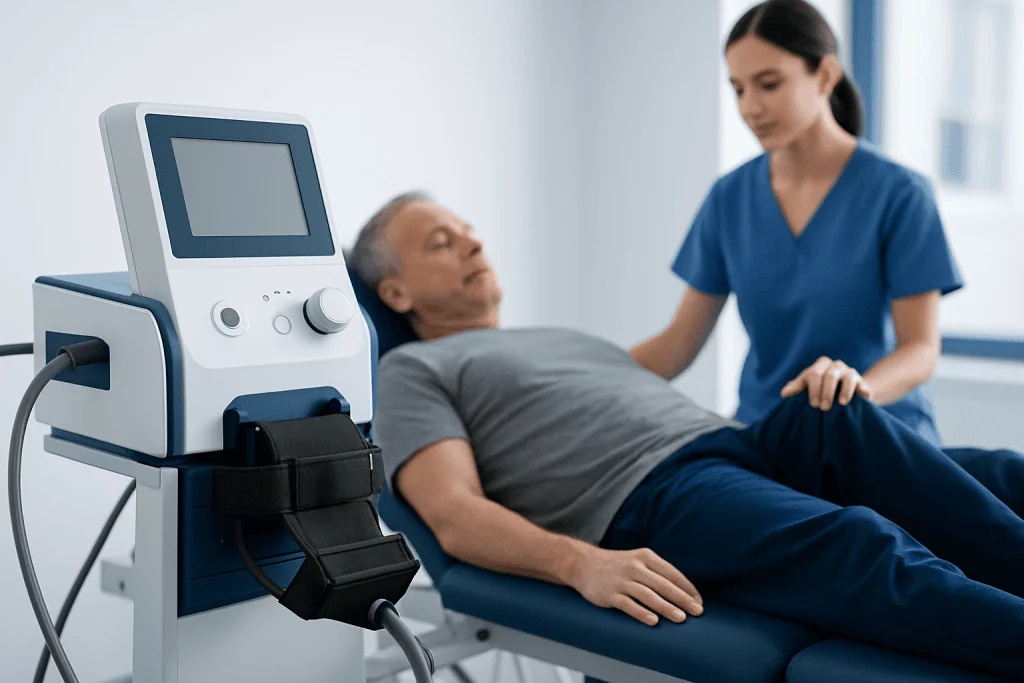
A herniated lumbar disc may cause pain in the lower back, but the most noticeable symptom is often pain that travels down one leg. This happens when the affected disc irritates a nerve root, sometimes leading to sciatica. The pain may feel sharp, burning, electric, or aching, and it can worsen with coughing, sneezing, prolonged sitting, or certain bending movements.
Some people also have numbness, tingling, or a “pins and needles” feeling in the buttock, thigh, calf, or foot. If the affected nerve controls muscle function, weakness may occur. A person might notice trouble lifting the front of the foot, climbing stairs, standing on tiptoe, or walking comfortably for long periods.
Symptoms can range from mild to significant. For some, the main problem is difficulty sitting at work, driving, sleeping, or exercising. Others find everyday tasks such as getting dressed, carrying groceries, or caring for children harder because certain movements trigger pain.
Not all symptoms are constant. Many people experience flare-ups, with better and worse days. A physical therapist often helps identify which positions and activities ease symptoms and which ones aggravate them, so the person can stay active in a more comfortable and safe way.
Causes and Risk Factors
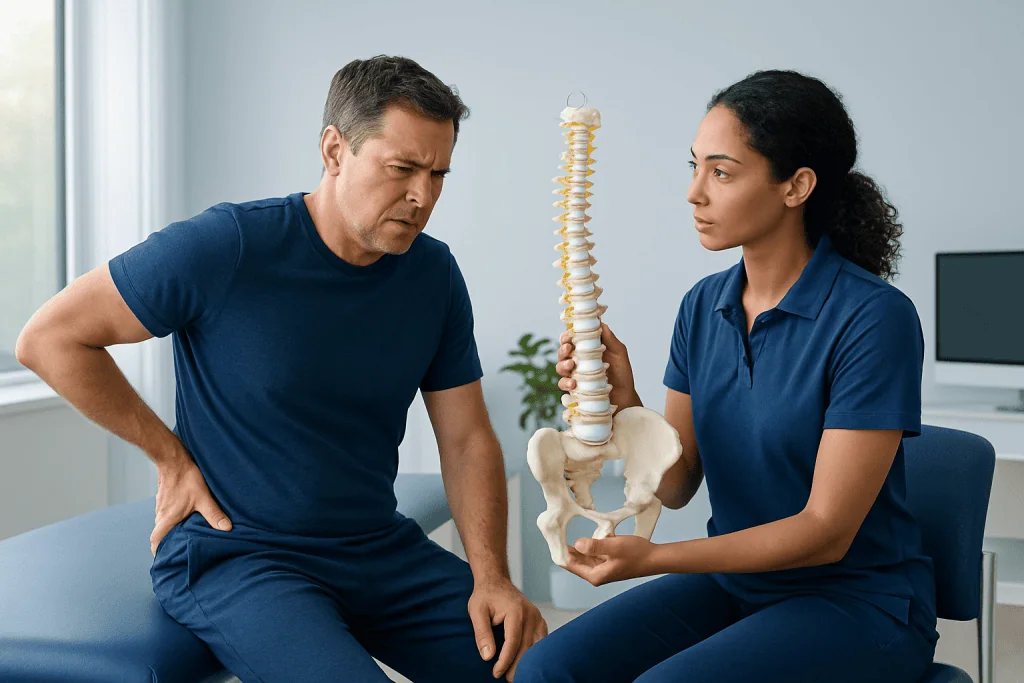
Lumbar disc herniation usually develops through a combination of age-related disc changes and mechanical stress. Over time, spinal discs lose water content and become less flexible, making them more vulnerable to bulging or tearing. A sudden lift, twist, or strain can trigger symptoms, but in many cases the disc has been gradually changing for some time before pain begins.
Common risk factors include repetitive heavy lifting, frequent bending or twisting, prolonged sitting, vibration exposure from driving, smoking, and excess body weight. Poor physical conditioning may also contribute, especially if the back and core muscles are not supporting the spine well during daily movements.
It is important to remember that imaging findings and symptoms do not always match perfectly. Some people have disc herniations on scans but little or no pain, while others have significant symptoms with less dramatic imaging changes. That is one reason a full clinical assessment matters more than imaging alone.
Other conditions can mimic a herniated lumbar disc, including muscle strain, spinal stenosis, sacroiliac joint pain, or sciatica from other causes. A doctor or physical therapist evaluates the pattern of pain, neurologic signs, and movement responses to guide the diagnosis.
How Doctors Diagnose a Herniated Lumbar Disc
Diagnosis begins with a detailed medical history and physical examination. The clinician asks where the pain starts, whether it travels below the knee, what movements worsen or ease it, and whether there is numbness, weakness, or difficulty controlling the bladder or bowels. These details help distinguish a disc problem from other causes of low back pain.
During the examination, the doctor may assess posture, spinal movement, reflexes, strength, and sensation in the legs. Specific maneuvers can help identify nerve root irritation. These findings are important because treatment is based not just on the presence of back pain, but on whether a nerve is affected and how much function is limited.
Imaging is not always needed right away. If symptoms are mild to moderate and there are no red flags, conservative treatment may begin without a scan. MRI is often the preferred test when symptoms persist, when leg weakness or significant nerve symptoms are present, or when surgery or injection treatment is being considered.
In some cases, a specialist may recommend advanced evaluation through a spine service or spine surgery consultation if symptoms are severe, prolonged, or progressive. The goal is to match the least invasive effective treatment to the person’s condition and needs.
Treatment Options: From Physical Therapy to Surgery
Physical therapy is a central part of treatment for many people with a herniated lumbar disc. Early sessions often focus on pain reduction, comfortable movement, and education rather than intense exercise. A therapist may use position-based strategies, gentle mobility work, nerve-friendly movements, and activity modification to help reduce irritation. As symptoms improve, treatment usually progresses to strengthening, endurance, and movement retraining.
Programs commonly include core stabilization, hip and gluteal strengthening, flexibility work, walking progression, and instruction on lifting, sitting, and standing mechanics. Some patients respond well to repeated movement approaches, while others need a more gradual conditioning plan. The best program is individualized rather than one-size-fits-all.
Other non-surgical treatments may include short-term pain-relieving medication, anti-inflammatory medication when appropriate, heat or ice, and temporary adjustments to activity. In selected cases, doctors may consider image-guided injections to reduce inflammation around the irritated nerve. A broader rehabilitation plan can also be useful through physical therapy and rehabilitation services.
Surgery is usually reserved for specific situations, such as persistent severe leg pain that does not improve with conservative treatment, progressive weakness, or urgent neurologic problems. When surgery is needed, it aims to relieve nerve compression. Patients who need operative care may also be evaluated by teams experienced in neurosurgery and spine-related treatment planning.
What to Expect During Physical Therapy and Recovery
Recovery is often gradual rather than immediate. In the early phase, a physical therapist helps identify movements that centralize or reduce symptoms, and teaches ways to stay active without overloading the spine. This may include changes to sitting time, work setup, sleeping positions, and the way a person bends or lifts. Avoiding complete bed rest is usually important, because gentle movement often supports recovery better than inactivity.
As pain becomes more manageable, therapy shifts toward rebuilding function. Strengthening the deep abdominal muscles, back muscles, hips, and legs can improve spinal support. Endurance training and walking are often added, along with exercises that restore confidence in normal movement patterns.
Progress is not always linear. Some days may feel better than others, and temporary flares can happen if activity increases too quickly. A therapist can help distinguish a manageable flare from a sign that the program needs adjustment. Consistency usually matters more than intensity.
Near the end of care, the emphasis often turns to self-management. The person learns which exercises to continue, how to handle minor flare-ups, and how to reduce the chance of recurrent episodes. For international patients needing coordinated evaluation, Acibadem International’s multidisciplinary specialists and JCI-accredited hospitals diagnose and treat spinal conditions with individualized care planning.
Prevention and Self-care
Not every disc problem can be prevented, but certain habits may lower strain on the lower back. Regular physical activity helps maintain spinal mobility, muscle strength, and overall conditioning. Walking, swimming, and guided strengthening programs are commonly recommended, especially when resumed gradually after a pain episode.
Body mechanics matter in everyday life. Lifting with the legs, keeping objects close to the body, avoiding repeated twisting under load, and taking breaks from long periods of sitting can help reduce stress on the lumbar spine. An ergonomic workstation and frequent posture changes may be useful for desk-based work.
Weight management and smoking cessation can also support spinal health. Excess body weight increases mechanical load, while smoking is associated with poorer disc health and healing. Good sleep habits, stress management, and pacing daily activities can also make symptoms easier to manage.
Self-care should be balanced and practical. During a flare, it is often more helpful to modify activity than to stop all movement. Gentle walking, therapist-guided exercises, and careful return to routine tasks may support recovery better than prolonged rest or attempting intense exercise too soon.
When to Seek Medical Care
A person should seek medical assessment if low back pain travels into the leg, causes numbness or weakness, or does not improve with simple measures over time. Evaluation is also sensible if pain interferes with sleep, work, walking, or normal daily activities, or if repeated flare-ups are becoming more frequent.
Urgent medical attention is needed if there is new or worsening leg weakness, loss of bladder or bowel control, numbness in the groin or saddle area, fever with back pain, or severe pain after a fall or injury. These features may point to a more serious problem and should not be ignored.
Early review can help guide safe treatment and avoid unnecessary delay. A doctor can confirm whether symptoms fit a lumbar disc herniation pattern and decide if medication, imaging, specialist referral, or supervised rehabilitation is appropriate.
People with ongoing or complex symptoms may benefit from coordinated spine care that brings together rehabilitation, pain management, imaging, and surgical expertise when needed. Prompt, individualized assessment often makes the recovery plan clearer and more effective.
Frequently asked questions
Can physical therapy make a herniated lumbar disc better?
Physical therapy can help many people feel better by reducing pain, improving movement, and strengthening the muscles that support the spine. It does not always eliminate the disc change itself, but it often improves function and helps symptoms settle over time.
How long does recovery usually take?
Recovery time varies depending on symptom severity, nerve involvement, general health, and how the person responds to treatment. Some people improve over a few weeks, while others need several months of guided rehabilitation and activity modification.
Is it better to rest or stay active with a herniated lumbar disc?
In most cases, gentle activity is preferred over prolonged bed rest. Short periods of relative rest may help during a flare, but guided movement and gradual return to normal activities usually support recovery better.
What exercises should be avoided?
Exercises that sharply increase leg pain, involve heavy lifting with poor form, or combine repeated bending and twisting may aggravate symptoms. The safest approach is to follow an individualized program from a qualified physical therapist or doctor.
When is surgery needed for a herniated lumbar disc?
Surgery may be considered if there is persistent severe leg pain, progressive weakness, or symptoms that do not improve with appropriate conservative care. It can also be urgently needed for warning signs such as bowel or bladder dysfunction or saddle numbness.
Can a herniated lumbar disc come back after treatment?
Yes, symptoms can recur, especially if the spine is repeatedly overloaded or if conditioning is not maintained. Ongoing exercise, healthy movement habits, and early management of flare-ups may help reduce the chance of recurrence.
References
- National Institute of Neurological Disorders and Stroke
- American Academy of Orthopaedic Surgeons
- National Institute for Health and Care Excellence
- North American Spine Society
- American Physical Therapy Association
This article is for general information only and is not a substitute for professional medical advice. Please consult a qualified doctor about your individual situation.
Joint and spine care in Turkey — expert assessment & treatment
JCI-accredited · board-certified surgeons · reply within 24h
Add us as a Preferred Source to see more of our trusted health content across Google Search, AI Overviews and Discover.