Can You Get Strep Without Tonsils? A Doctor-Reviewed Answer

Strep throat can still occur after tonsil removal because the bacteria can infect other throat tissues. Many sore throats are harmless and caused by viruses, irritation, or allergies rather than strep.
Key Takeaways
- Strep throat can still occur after tonsil removal because the bacteria can infect other throat tissues.
- Many sore throats are harmless and caused by viruses, irritation, or allergies rather than strep.
- Doctors usually confirm strep with a throat swab, not symptoms alone.
- Antibiotics are used only when a bacterial infection such as strep is confirmed or strongly suspected.
- Trouble breathing, trouble swallowing, dehydration, high fever, or worsening symptoms need prompt medical review.
Yes, a person can get strep throat even if the tonsils have been removed. Tonsillectomy may reduce how often some throat infections happen, but it does not completely prevent infection with group A Streptococcus in the throat.
Overview: Yes, Strep Can Happen Without Tonsils
Yes, a person can get strep throat without tonsils. This is often less dramatic than people fear: many sore throats after tonsil removal are still due to common viral infections, dry air, reflux, allergies, or irritation. But removing the tonsils does not remove all throat tissue, so the bacteria that cause strep can still infect the lining of the throat.
The infection commonly called strep throat is usually caused by group A Streptococcus. In people who still have tonsils, these tissues may become especially inflamed. After a tonsillectomy, the infection may affect the back of the throat, the soft palate, or nearby lymphoid tissue instead. That means symptoms may still occur, even though the tonsils are gone.
Tonsillectomy can reduce the frequency of repeated throat infections in some people, especially children who had frequent episodes before surgery. However, it is not a complete shield against strep. A doctor-reviewed answer therefore starts with reassurance: the symptom is often benign, but persistent or more severe symptoms still deserve proper evaluation.
Why Tonsil Removal Does Not Fully Prevent Strep
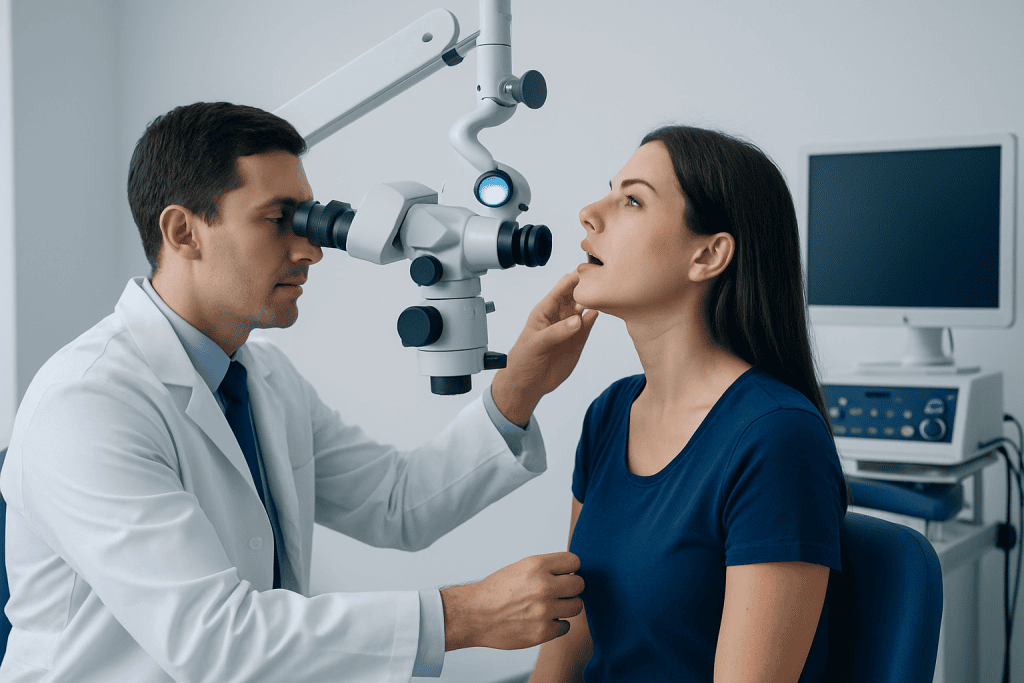
The tonsils are part of the immune tissue in the throat, but they are not the only surface where bacteria can live and multiply. Group A Streptococcus can attach to the throat lining even after the tonsils have been removed. This is why someone may still test positive for strep after a tonsillectomy.
Another reason the question causes confusion is that tonsil removal may change how illness looks. Some people have less obvious white patches or less prominent swelling than they did before surgery, while others still feel the classic throat pain, fever, and painful swallowing. The absence of tonsils can reduce one visible sign, but it does not rule out the infection.
It also helps to remember that not every sore throat is strep. Viral sore throats remain much more common overall. A history of tonsillectomy should not automatically lead to antibiotics or assumptions. Instead, it should prompt a balanced approach that considers common non-bacterial causes while keeping strep on the list of possibilities.
Symptoms That May Suggest Strep Throat

Strep throat often causes a sudden sore throat, pain when swallowing, fever, swollen neck glands, and a general unwell feeling. Some people also develop headache, nausea, stomach discomfort, or small red spots on the roof of the mouth. Even without tonsils, these features may still appear because the infection affects surrounding throat tissues.
On the other hand, cough, runny nose, hoarseness, and red or watery eyes are more often linked with viral infections than with strep. That does not make a viral infection serious in every case, but it makes bacterial strep less likely. This distinction is helpful because symptoms alone can overlap, especially in children.
Possible signs that may fit strep include:
- Sudden throat pain
- Fever
- Painful swallowing
- Swollen or tender lymph nodes in the neck
- Redness at the back of the throat
- Absence of cough or a heavy runny nose
Still, these signs are clues rather than proof. A doctor usually confirms strep with testing rather than appearance alone, particularly when the tonsils are absent and the exam may look a little different.
Other Causes of a Sore Throat After Tonsillectomy
Most sore throats are not caused by strep, whether or not a person has tonsils. Viral upper respiratory infections are a very common reason for throat discomfort. These often improve with rest, hydration, and time. Allergies, postnasal drip, smoking exposure, mouth breathing, dehydration, and acid reflux can also irritate the throat.
Less commonly, a sore throat may be related to other infections, including influenza, COVID-19, mononucleosis, or a sinus infection that is causing drainage. In some cases, repeated throat pain may be linked to chronic inflammation rather than an acute infection. A doctor may consider related ENT conditions such as sinusitis if symptoms include congestion, facial pressure, or persistent mucus.
Rarely, severe one-sided pain, muffled voice, drooling, or difficulty opening the mouth can point to a deeper infection around the throat. These symptoms need prompt medical attention. While this article focuses on strep, the main message is that throat pain has many causes, and the safest approach is an accurate diagnosis rather than guessing based on prior tonsil surgery.
How Doctors Diagnose Strep Without Tonsils
Doctors usually begin with a medical history and throat exam. They ask about fever, swallowing pain, cough, congestion, exposure to others with strep, and how quickly symptoms started. They also examine the back of the throat, feel for swollen lymph nodes, and look for signs that point more toward a viral illness.
The key step is often a throat swab. A rapid antigen test can give results quickly, and in some cases a throat culture may be used for confirmation, especially in children or when suspicion remains high despite an initial negative result. The swab is taken from the back of the throat, so a person does not need tonsils for the test to work.
In some situations, doctors may consider other tests if the picture is unclear. For example, they may evaluate for viral infections, reflux, or a complication if symptoms are unusually severe or prolonged. If a patient has ongoing ENT symptoms, a specialist assessment and, when appropriate, ENT check-up may help identify the underlying cause.
Treatment Options and What Usually Helps
If testing confirms strep throat, treatment usually includes antibiotics prescribed by a qualified clinician. These medicines can shorten the illness modestly, reduce spread to others, and lower the risk of certain complications. It is important to take the medication exactly as directed and not to use leftover antibiotics or someone else’s prescription.
Supportive care matters too. Fluids, rest, warm or cool soothing drinks, and age-appropriate pain or fever relief recommended by a doctor can make recovery more comfortable. People often improve within a few days, but they should still follow the full treatment plan and ask their clinician when it is safe to return to school, work, or normal activities.
If the sore throat is not caused by strep, treatment depends on the reason. For example, hydration, saline rinses, allergy management, or reflux care may be more helpful than antibiotics. In selected cases of recurrent or complicated throat symptoms, further evaluation of the upper airway or throat diseases treatment may be appropriate.
For patients with a pattern of repeated infections or associated sleep and airway concerns, doctors may also review the broader throat and nasal anatomy. When surgery is being considered for another reason, a specialist may discuss options such as tonsillectomy and adenoid-related surgery, but this is not a routine treatment for a single sore throat after tonsils have already been removed.
When to Seek Medical Care
Many sore throats improve on their own, but some symptoms should not be ignored. Medical review is a good idea if throat pain is severe, lasts more than a few days, keeps returning, or is accompanied by high fever, swollen glands, or known exposure to strep. Children, older adults, and people with weakened immune systems may need earlier assessment.
Urgent care is important if there is trouble breathing, trouble swallowing liquids, drooling, dehydration, a muffled voice, neck swelling, a rash, or worsening pain on one side of the throat. These signs do not always mean something serious, but they can point to a problem that needs prompt treatment.
If a person is unsure whether symptoms fit a simple viral illness or something else, a clinician can guide the next steps. Near the end of the care pathway, a coordinated ENT evaluation may be useful for persistent throat issues. Acibadem International’s multidisciplinary specialists in JCI-accredited hospitals diagnose and treat throat infections and related ENT conditions for international patients.
Frequently asked questions
Can you really get strep if your tonsils were removed years ago?
Yes. Strep bacteria can infect the back of the throat and nearby tissues even when the tonsils are gone. Tonsil removal may reduce some infections, but it does not completely prevent strep throat.
Are strep symptoms different without tonsils?
They can be slightly different in appearance, but the main symptoms are often similar. A person may still have sudden throat pain, fever, and painful swallowing, even if the usual tonsil swelling is absent.
Does not having tonsils make strep less common?
For some people, yes, especially if they used to have frequent tonsil infections. However, it does not remove the risk entirely, so strep remains possible when symptoms fit.
How is strep diagnosed after tonsillectomy?
Doctors usually use the same approach as they do for anyone else: a history, physical exam, and throat swab. A rapid test and sometimes a throat culture can confirm whether group A Streptococcus is present.
Should every sore throat after tonsil removal be treated with antibiotics?
No. Many sore throats are caused by viruses, allergies, reflux, or irritation, and antibiotics do not help those causes. A doctor usually recommends antibiotics only when strep is confirmed or strongly suspected.
When should someone worry about a sore throat without tonsils?
Prompt medical care is important if there is trouble breathing, trouble swallowing, dehydration, drooling, high fever, or worsening one-sided throat pain. A sore throat that lasts several days or keeps coming back should also be assessed.
References
- Centers for Disease Control and Prevention
- American Academy of Otolaryngology–Head and Neck Surgery
- National Institute of Allergy and Infectious Diseases
- Mayo Clinic
- American Academy of Pediatrics
This article is for general information only and is not a substitute for professional medical advice. Please consult a qualified doctor about your individual situation.
Persistent digestive symptoms? Get evaluated in Turkey
JCI-accredited · board-certified surgeons · reply within 24h
Add us as a Preferred Source to see more of our trusted health content across Google Search, AI Overviews and Discover.

More from the Health Library



Related Specialists

Prof. Dr. Öner Gülcan
Cardiovascular Surgery
Asst. Prof. Dr. Hamdi Toköz
Cardiovascular Surgery
Dr. Rafiga Gasimova
Gynecology & Obstetrics
Prof. Dr. Mehmet Serdar Binnet
Orthopedic Surgery & Traumatology