Hair Growth Oil — Explained by Medical Evidence, Not Myths

Hair growth oil may improve scalp moisture and hair shaft condition, but it is not a proven standalone cure for hair loss. Some oils, such as rosemary oil, have limited early research, but evidence is still less robust than for established treatments.
Key Takeaways
- Hair growth oil may improve scalp moisture and hair shaft condition, but it is not a proven standalone cure for hair loss.
- Some oils, such as rosemary oil, have limited early research, but evidence is still less robust than for established treatments.
- Hair shedding can be caused by hormones, genetics, stress, illness, nutritional problems, or scalp disease.
- New, sudden, patchy, or scarring hair loss should be assessed by a doctor.
- Treatment works best when the underlying cause is diagnosed early and managed appropriately.
Hair growth oil can support scalp comfort and reduce breakage, but medical evidence does not show that most oils alone reverse true hair loss. The best approach is to identify why hair is thinning, then use proven treatment along with gentle scalp and hair care.
Overview: can hair growth oil really regrow hair?
Hair growth oil is often marketed as a simple solution for thinning hair, but medical evidence paints a more careful picture. In most people, oils mainly help by conditioning the hair shaft, reducing dryness, and making the scalp feel more comfortable. That can make hair look healthier and may reduce breakage, but it is not the same as creating new hair growth from inactive follicles.
Whether an oil helps depends on why hair is thinning. If the main issue is dry, fragile hair or scalp irritation from harsh styling, a suitable oil may be useful as part of routine care. If the problem is genetic hair loss, hormonal change, iron deficiency, autoimmune disease, or inflammation of the scalp, oil alone usually will not address the root cause.
This distinction matters because many people describe any improvement in hair appearance as “growth.” In practice, smoother, less broken hair can seem fuller even when the number of growing hairs has not changed. For that reason, a patient-friendly, evidence-based approach focuses on scalp health, realistic expectations, and timely medical evaluation when hair loss patterns suggest an underlying condition.
What hair growth oils may and may not do
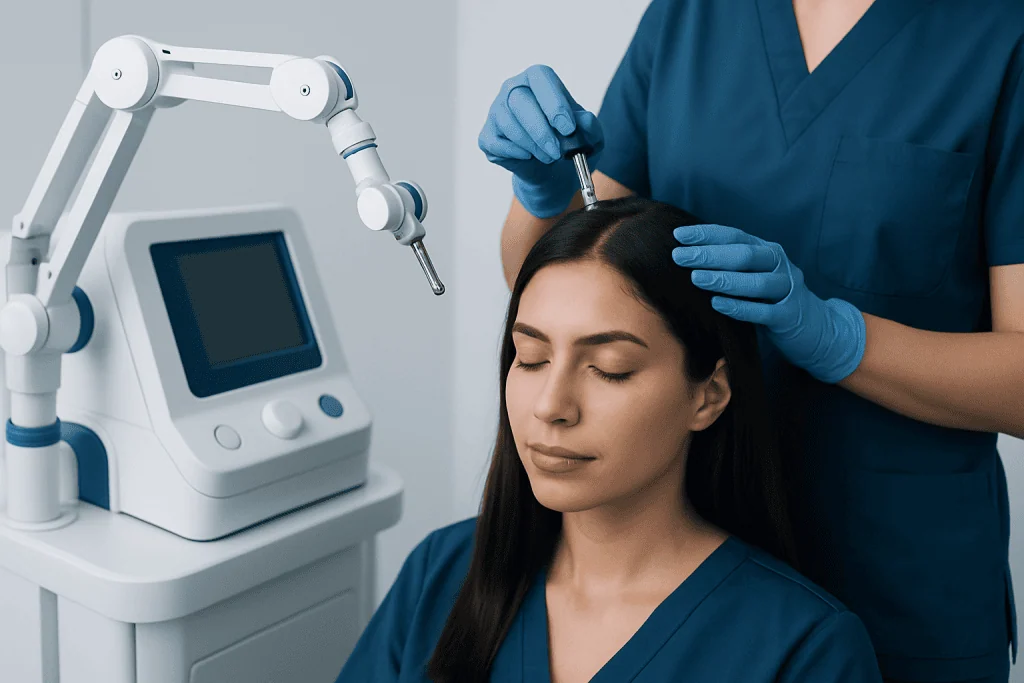
Most plant oils and hair oils act as emollients. They can soften the hair, decrease friction, and help seal in moisture, especially when applied to dry ends rather than heavily to the scalp. This may lower breakage from grooming, heat, and environmental exposure, which can help hair maintain length over time.
Some oils are also used for scalp massage. Massage itself may improve comfort and help distribute product, but it should not be viewed as a proven medical treatment for common forms of hair loss. Benefits are usually cosmetic or supportive rather than curative.
It is also important to understand what oils do not usually do. They do not reliably restart growth in follicles affected by advanced androgenetic alopecia, and they do not treat many causes of shedding such as thyroid disease, anemia, postpartum changes, or alopecia. Oils also cannot reverse scarring hair loss, where inflammation damages the follicle permanently.
- Possible benefits: less dryness, reduced breakage, improved shine, better scalp comfort
- Uncertain benefits: direct stimulation of meaningful hair regrowth
- Clear limits: oils do not replace diagnosis or proven treatment when hair loss has a medical cause
Which oils have some evidence?

Among commonly discussed options, rosemary oil is the one most often mentioned in medical conversations because a small amount of research suggests it may have some benefit in certain people with pattern hair loss. Even so, evidence remains limited compared with standard treatments, and results, if they occur, usually take months rather than weeks.
Other oils such as coconut oil, argan oil, jojoba oil, castor oil, and olive oil are widely used for hair care. Coconut oil may help reduce protein loss from the hair shaft and can be useful for dry or damaged hair. However, these oils are not strongly supported by clinical evidence as direct treatments for hair regrowth.
Essential oils deserve extra caution. “Natural” does not always mean gentle or safe. Concentrated essential oils can irritate the scalp or trigger allergic contact dermatitis, especially if applied without proper dilution. A patch test and medical advice are sensible for anyone with sensitive skin, eczema, psoriasis, or a history of fragrance allergy.
In general, the quality of evidence for oils is mixed, with many claims based more on tradition, social media, or personal reports than on large controlled studies. For people seeking stronger evidence-based care, doctors may discuss options such as hair transplant or medical therapies depending on the diagnosis.
Common causes of hair thinning that oil cannot fix alone
Hair loss is a symptom, not a single disease. The most common long-term cause is androgenetic alopecia, also called male or female pattern hair loss. In this condition, follicles gradually shrink under the influence of genetic and hormonal factors. Oils may make existing hair look better, but they do not usually stop follicle miniaturization on their own.
Another common pattern is telogen effluvium, a temporary increase in shedding that can follow stress, fever, surgery, childbirth, rapid weight loss, or certain medications. Because the trigger happens internally, surface products are usually not enough; recovery depends on finding and correcting the cause where possible.
Inflammatory or autoimmune disorders can also affect the scalp. These include fungal infections, seborrheic dermatitis, psoriasis, traction-related injury from tight hairstyles, and autoimmune patchy hair loss. Some scalp conditions may need prescription treatment and close follow-up to prevent worsening. People with persistent shedding, itching, pain, or visible scalp changes may benefit from assessment for hair loss.
Nutritional factors may contribute as well, including low iron, inadequate protein intake, or other deficiencies. Because symptoms can overlap, self-diagnosis is often unreliable. A doctor can help determine whether the issue is breakage, shedding, pattern loss, or scalp disease.
How doctors evaluate hair loss
Medical evaluation starts with a clear history. A doctor may ask when shedding started, whether hair is coming out from the root or breaking, and whether there have been recent illnesses, major stress, weight changes, pregnancies, or new medications. Family history and hair care practices are also relevant.
The scalp and hair are then examined for clues such as thinning pattern, patches, inflammation, scale, redness, scarring, or signs of breakage. In some cases, a pull test, dermoscopy, or laboratory tests may be used to look for contributing problems such as iron deficiency or thyroid disease.
This step is important because treatment is most effective when matched to the cause. Someone with fragile hair may benefit from gentler styling and supportive products, while someone with androgenetic alopecia may need a different strategy. If permanent restoration is being considered, specialists may discuss hair loss treatment options based on scalp health, donor hair quality, and expectations.
Evidence-based treatment options and where oils fit in
For medical hair loss, treatment often combines diagnosis-specific therapy with supportive hair care. Depending on the cause, options may include observation, treatment of a nutrient deficiency, managing thyroid or hormonal issues, prescription anti-inflammatory treatments for scalp disease, or proven therapies for pattern hair loss. Oils can still play a role, but usually as an adjunct rather than the main treatment.
A practical approach is to use oils selectively and gently. Applying a small amount to hair lengths or dry ends may help reduce breakage. If an oil is used on the scalp, it should be lightweight, non-irritating, and discontinued if itching, burning, flaking, or increased shedding develops.
People interested in procedural treatment may be evaluated for FUE hair transplant or other restoration approaches if they have stable pattern hair loss and suitable donor areas. A multidisciplinary assessment helps clarify what is likely to improve with medical care, what is mostly cosmetic, and what expectations are realistic.
Near the end of the care pathway, some international patients choose specialist assessment at centers such as Acibadem International, where multidisciplinary teams in JCI-accredited hospitals diagnose and treat hair and scalp conditions using evidence-based methods.
Safe self-care and how to choose a hair oil
When a person wants to try hair growth oil, choosing a simple, well-tolerated product is usually wiser than using many active ingredients at once. Fragrance-free or minimally scented products may be easier on sensitive scalps. Heavy application is not always better; excess oil can make hair feel weighed down and may aggravate some scalp conditions.
General hair-protective habits often matter more than the oil itself. These include avoiding very tight hairstyles, reducing frequent heat styling, limiting harsh chemical processing, and using gentle cleansing suited to the scalp type. A healthy diet with adequate protein and attention to general health also supports normal hair cycling.
It is sensible to introduce one product at a time and watch for irritation. If flakes, redness, tenderness, acne-like bumps, or worsening loss appear, the product should be stopped and the scalp examined by a clinician. Social media routines that layer multiple oils and strong essential oils can increase the risk of contact dermatitis without improving outcomes.
- Use a small amount rather than saturating the scalp
- Prefer products with clear ingredient lists
- Patch test essential oils and avoid undiluted application
- Focus on reducing breakage as a realistic short-term goal
- Seek medical advice if thinning continues despite gentle care
When to seek medical care
Hair shedding does not always require urgent attention, but some patterns should be assessed promptly. A doctor should evaluate sudden or severe shedding, patchy bald spots, scalp pain, burning, pus, marked redness, or any sign of scarring. Hair loss associated with fatigue, weight change, menstrual changes, or other systemic symptoms also deserves medical review.
Children, pregnant or postpartum patients, and people with autoimmune disease may need individualized assessment. It is also worth seeking care if over-the-counter products have been used for several months without improvement, or if hair loss is causing significant distress.
Early evaluation can be especially helpful because some causes are reversible, while others benefit from treatment before loss becomes more advanced. A qualified dermatologist or hair specialist can explain whether oil has a supportive role in that specific case and what evidence-based steps are most appropriate next.
Frequently asked questions
Does hair growth oil actually work?
Hair growth oil may help some people by reducing dryness and breakage and by improving scalp comfort. However, most oils are not proven to regrow hair on their own when thinning is caused by genetics, hormones, illness, or inflammation.
Which oil is best for hair growth?
No oil is clearly the best for everyone. Rosemary oil has limited early evidence for pattern hair loss, while coconut oil may help reduce hair shaft damage, but neither should be viewed as a guaranteed regrowth treatment.
Can castor oil regrow hair?
Castor oil is widely discussed online, but strong clinical evidence for hair regrowth is lacking. It may make hair feel coated or shinier, which can create the impression of fuller hair without changing follicle activity.
How long does it take to see results from hair oil?
If an oil helps with dryness or breakage, changes in softness and appearance may be noticed within days to weeks. True improvement in hair growth, when it occurs, generally takes several months and depends on treating the underlying cause.
Can hair oil make hair loss worse?
Yes, in some cases. Heavy or irritating products can trigger scalp inflammation, clogging, or allergic reactions, and that may worsen shedding or discomfort, especially in sensitive skin.
Should hair oil be applied to the scalp or just the hair?
That depends on the goal and the scalp type. For many people, applying a small amount to hair lengths and ends is enough to reduce dryness, while direct scalp application should be cautious and stopped if irritation develops.
References
- American Academy of Dermatology
- National Institutes of Health
- British Association of Dermatologists
- Mayo Clinic
- Cochrane
This article is for general information only and is not a substitute for professional medical advice. Please consult a qualified doctor about your individual situation.
Hair transplant in Turkey — costs, graft counts & a free assessment
JCI-accredited · board-certified surgeons · reply within 24h
Add us as a Preferred Source to see more of our trusted health content across Google Search, AI Overviews and Discover.