

Shingles Vaccine: A Complete Medical Overview

The shingles vaccine is recommended for most adults age 50 and older. Some adults age 19 and older with weakened immune systems may also need the vaccine.
Key Takeaways
- The shingles vaccine is recommended for most adults age 50 and older.
- Some adults age 19 and older with weakened immune systems may also need the vaccine.
- Vaccination lowers the risk of shingles and postherpetic neuralgia, even in people who have had chickenpox or shingles before.
- The currently used shingles vaccine is not a live vaccine and is given in two doses.
- Temporary side effects such as arm soreness, fatigue, and mild fever are common and usually resolve within a few days.
The shingles vaccine helps protect against shingles and its most common long-term complication, postherpetic neuralgia. For most adults age 50 and older, and for some younger adults with weakened immune systems, vaccination is the most effective way to lower the risk of illness and lingering nerve pain.
Overview: what the shingles vaccine does
The shingles vaccine is designed to help the immune system prevent shingles, also called herpes zoster. Shingles happens when the varicella-zoster virus, the same virus that causes chickenpox, becomes active again later in life. Vaccination does not treat an active rash, but it can greatly reduce the chance of developing shingles and can also lower the risk of long-lasting nerve pain after infection.
This protection matters because shingles can be more than a short-term skin problem. In some people, pain continues for weeks or months after the rash heals. The vaccine is especially important as people age, because the immune system naturally becomes less effective at keeping dormant viruses under control.
Many people wonder whether they still need the shingles vaccine if they had chickenpox as a child or do not remember having it. In most cases, the answer is yes, because previous chickenpox infection is exactly what allows the virus to remain in the body. Even people who have already had shingles may still benefit from vaccination, since another episode can occur.
Who should get the shingles vaccine
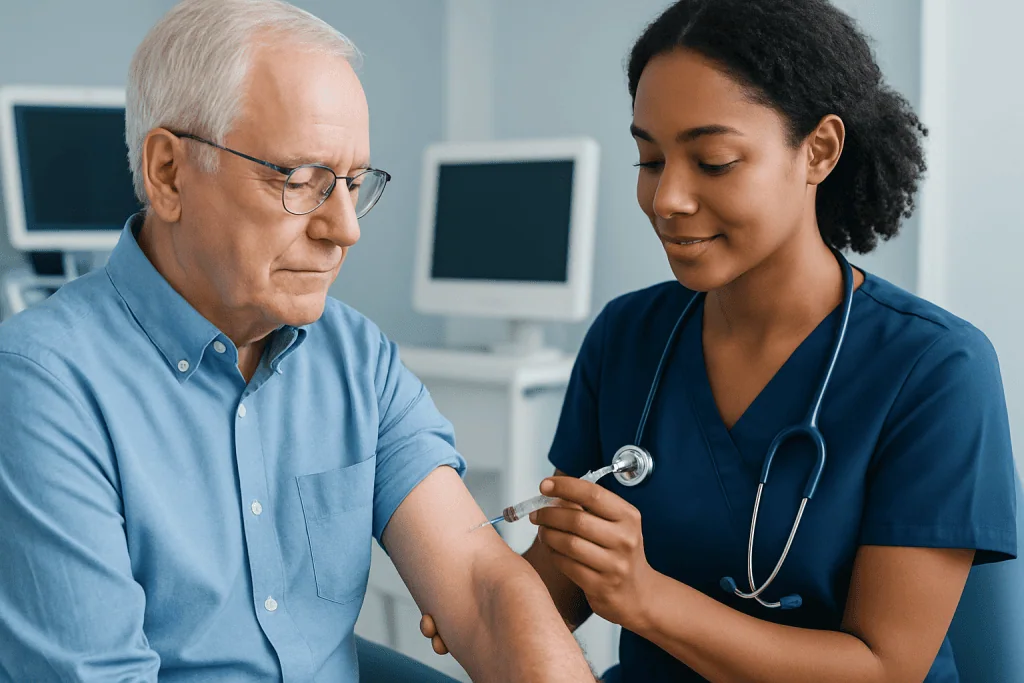
Current guidance generally recommends the shingles vaccine for adults aged 50 years and older. It is also recommended for certain adults aged 19 years and older who have weakened immune systems because of disease or medical treatment. This includes people whose immune defenses are reduced by conditions such as cancer, organ transplantation, or medications that suppress immunity.
The vaccine is usually given as a two-dose series, with the second dose administered after the first within the recommended interval set by a clinician. Completing both doses is important because the full series provides stronger and longer-lasting protection than one dose alone.
People often ask whether they should be vaccinated if they previously received an older shingles vaccine. In many cases, clinicians still advise the current vaccine because it offers more reliable protection. A healthcare professional can review vaccination history, age, and medical conditions to confirm the best timing.
- Most adults age 50 and older should receive it.
- Adults 19 and older with weakened immune systems may also need it.
- People who already had shingles can still be vaccinated later.
- People who previously received an older shingles vaccine may still be advised to get the current one.
Who may need to wait or avoid vaccination

Although the shingles vaccine is appropriate for many adults, there are situations in which a person may need to postpone it. Someone with a moderate or severe acute illness, especially with fever, is often advised to wait until recovery. This helps avoid confusion between symptoms of illness and vaccine side effects and allows the immune system to respond under more stable conditions.
People with a history of severe allergic reaction to a previous dose or to a vaccine component should discuss this carefully with their doctor. Pregnancy is another situation where the vaccine is generally deferred unless a clinician recommends otherwise based on individual circumstances. Anyone with complex medical conditions should ask a healthcare professional to review the risks and benefits.
The vaccine is not used to treat active shingles or sudden nerve pain from a current outbreak. If a person has a new painful rash or blistering skin eruption, the priority is prompt medical assessment, diagnosis, and treatment rather than vaccination. This can be especially important when the rash affects the face or eyes, as seen in shingles.
Benefits of vaccination and why timing matters
The main benefit of the shingles vaccine is prevention. It lowers the chance of developing shingles and reduces the likelihood of postherpetic neuralgia, the persistent nerve pain that may continue after the rash has resolved. Preventing these complications can protect comfort, sleep, mobility, and quality of life, especially in older adults.
Timing is important because vaccination works best before shingles occurs. Once a rash has started, the vaccine does not shorten the course of the illness. That is why age-based vaccination is recommended even for people who feel well. It prepares the immune system in advance, rather than reacting after nerve inflammation has already developed.
There is also a practical reason not to delay unnecessarily. As people age, the risk of shingles and its complications gradually rises. Adults who are eligible can discuss scheduling the two-dose series during routine preventive care visits, chronic disease follow-up, or travel planning if they expect disruptions in access to healthcare.
Safety and possible side effects
The shingles vaccine is considered safe for most eligible adults. Like other vaccines, it can cause temporary side effects that show the immune system is responding. The most common reactions are soreness, redness, or swelling where the injection was given, along with tiredness, muscle aches, headache, chills, or a mild fever.
These effects are usually mild to moderate and improve within a few days. Some people feel well enough to continue normal activities, while others prefer to rest after vaccination. Drinking fluids, moving the vaccinated arm gently, and following a clinician’s advice for symptom relief can help.
Serious allergic reactions are uncommon, but any vaccine can rarely cause one. Immediate medical help is needed if symptoms such as trouble breathing, swelling of the face or throat, widespread hives, or severe dizziness develop after vaccination. For routine questions about expected reactions or vaccine timing, a primary care doctor, internist, or infectious disease specialist can help.
If a person already had shingles or chickenpox
Having had chickenpox in the past does not remove the need for the shingles vaccine. In fact, shingles develops only after the chickenpox virus has remained inactive in the body and then reactivates later. Because of this, a history of chickenpox is one of the reasons vaccination is relevant rather than unnecessary.
People who have already had shingles can still get it again, so prior illness does not provide guaranteed lifelong protection. Vaccination after recovery can reduce the chance of another episode. A doctor can advise when it is appropriate to receive the vaccine after the rash has fully resolved and acute symptoms have settled.
If a person is uncertain whether a past rash was shingles or has ongoing nerve pain after an earlier outbreak, a medical review may be helpful. In some cases, clinicians also evaluate related issues such as postherpetic neuralgia and discuss symptom management alongside prevention of recurrence.
Practical questions: diagnosis, treatment, and vaccination planning
The shingles vaccine itself does not usually require special testing beforehand. In most cases, eligibility is based on age, immune status, overall health, and past vaccine history. A doctor may ask about medications, recent illnesses, allergies, and previous episodes of shingles to decide when to give the two-dose series.
If a person develops shingles despite vaccination, prompt treatment is still important. Antiviral medicines may help reduce the severity and duration of illness when started early, and additional care may be needed for pain control or complications. Depending on symptoms, doctors may also involve specialists in skin, nerve, or eye care, and discuss options such as pain management if lingering nerve pain develops.
For patients with facial involvement, eye symptoms, or severe disease, coordinated care can be important. Supportive evaluation may include neurology care for nerve-related symptoms or dermatology assessment for uncertain rashes. Near the end of the care pathway, Acibadem International’s multidisciplinary specialists and JCI-accredited hospitals also diagnose and treat shingles-related conditions for international patients when specialist evaluation is needed.
When to seek medical care
Medical care should be sought promptly for a new one-sided painful rash, especially if it forms blisters or is accompanied by burning, tingling, or unusual skin sensitivity. Early assessment matters because shingles treatment works best when started soon after symptoms begin. This is particularly true for older adults and people with weakened immune systems.
Urgent evaluation is important if the rash involves the face, nose, or eye area; if there is eye redness, blurred vision, or light sensitivity; or if severe headache, weakness, confusion, or hearing symptoms occur. These features can suggest more complex involvement and need timely attention.
After vaccination, a doctor should be contacted for side effects that are severe, persistent, or concerning. Emergency help is needed for signs of a serious allergic reaction such as difficulty breathing or swelling of the lips, tongue, or throat. For routine prevention questions, the best next step is a conversation with a qualified clinician who can give advice based on age, medications, and medical history.
Frequently asked questions
What is the shingles vaccine used for?
The shingles vaccine is used to help prevent shingles and to reduce the risk of postherpetic neuralgia, a long-lasting nerve pain that can follow the rash. It is a preventive vaccine, not a treatment for an active outbreak.
At what age should someone get the shingles vaccine?
Most adults should receive the shingles vaccine starting at age 50. Some adults age 19 and older with weakened immune systems may also need it earlier, based on their doctor's advice.
Can someone get the shingles vaccine if they already had shingles?
Yes. Having shingles once does not guarantee that it will not happen again. After recovery, a doctor can advise on the right time to start or complete vaccination.
Is the shingles vaccine needed if someone had chickenpox before?
Yes, in most cases. Shingles occurs when the chickenpox virus becomes active again later in life, so a history of chickenpox is one reason the vaccine is recommended.
What are common shingles vaccine side effects?
Common side effects include pain or redness at the injection site, tiredness, muscle aches, headache, chills, or mild fever. These reactions are usually temporary and improve within a few days.
Can the shingles vaccine cause shingles?
The currently used shingles vaccine does not cause shingles infection. However, it can still produce short-term immune reactions such as soreness or fatigue, which are expected after vaccination.
This article is for general information only and is not a substitute for professional medical advice. Please consult a qualified doctor about your individual situation.
Shingles in Turkey — costs, top hospitals & a free quote
JCI-accredited · board-certified surgeons · reply within 24h
Add us as a Preferred Source to see more of our trusted health content across Google Search, AI Overviews and Discover.

More from the Health Library

Advantages of Cinnamon and Honey: What Patients Need to Know

Infant Head Dry Skin — Explained by Medical Evidence, Not Myths

Terazosin: What Patients Need to Know

Monistat 1: What Patients Need to Know

Azithromycin: An Evidence-Based Guide for Patients

Nuclear Cataract: An Evidence-Based Guide for Patients
Infectious Diseases & Clinical Microbiology Specialists at Acibadem

Dr. Dilara Akman
Infectious Diseases & Clinical Microbiology
Dr. Ersen Hürmüzlü
Infectious Diseases & Clinical Microbiology
Dr. Fatma Erbay Apaydın
Infectious Diseases & Clinical Microbiology
Dr. Hakan Kutlu
Infectious Diseases & Clinical Microbiology